
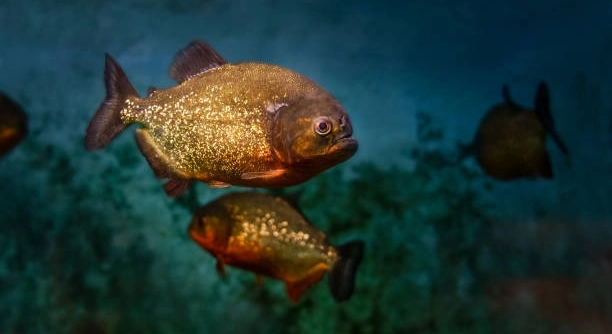
Is your piranha acting differently or swimming near the top more than usual? These small changes could mean something bigger. Understanding the signs early can help you protect your fish from long-term harm or discomfort.
Piranhas may overheat when water temperatures exceed their comfort range, typically above 82°F. Signs of overheating include rapid gill movement, erratic swimming, loss of appetite, and spending more time near the surface or filter where oxygen is higher.
Recognizing these clues early can help you cool the water safely and improve your piranha’s overall health and comfort.
Unusual Swimming Patterns
When a piranha begins to overheat, one of the earliest signs is a change in how it swims. Normally, piranhas stay close to the middle or bottom of the tank, gliding calmly through the water. But if the water becomes too warm, they may move toward the top more often. This behavior usually means they’re trying to find areas with more oxygen. You might also notice them swimming faster or more erratically than usual. These actions aren’t just quirky behavior—they’re signs of stress. Warm water holds less oxygen, making it harder for your piranha to breathe comfortably.
Increased swimming near the surface is usually a sign of heat stress or reduced oxygen in the water.
To help, check the tank temperature regularly using a reliable thermometer. Try to keep the water temperature between 75°F and 80°F. If needed, adjust the heater or use a fan to cool the surface slightly. Sudden temperature drops can shock your fish, so aim for gradual adjustments. Also, increasing water movement with an air stone or additional filter can raise oxygen levels. Keep a close watch during warmer months or if your tank is near a window. Being proactive ensures your piranha stays calm and healthy when temperatures start to rise.
Faster Gill Movement
One of the most noticeable signs of overheating is increased gill movement. You might spot your piranha breathing faster than usual, even when it’s not swimming much.
This faster breathing means your piranha is working harder to pull oxygen from warm water, which naturally contains less of it. Over time, this added effort can cause fatigue and health issues. Try to observe your fish from the side of the tank when it’s still. If the gills are pulsing quickly or flaring more than usual, it may be time to check the temperature. Breathing issues in fish often point to environmental stress, and overheating is a common reason. To prevent this, keep your tank in a shaded area, away from heat sources. Make water changes using slightly cooler, dechlorinated water. By acting early, you can make small changes that have a big impact on your piranha’s comfort and well-being.
Loss of Appetite
A sudden drop in appetite is often tied to stress from overheating. If your piranha shows less interest in food or refuses to eat altogether, it’s likely uncomfortable and reacting to changes in its environment.
Warm water affects your piranha’s metabolism, often slowing down digestion and making it less interested in food. Skipped meals once in a while aren’t unusual, but a consistent loss of appetite is worth your attention. Check water temperature first, then monitor feeding habits for several days. Avoid overfeeding during this time, as uneaten food can decay and worsen water quality. Stick to small portions and remove leftovers quickly. Try feeding during cooler parts of the day and make sure your tank has proper circulation to balance the temperature. This simple routine keeps your piranha from becoming further stressed and helps it feel more secure in its environment.
Feeding changes often show up before other serious signs. If ignored, long-term loss of appetite can weaken your fish and leave it open to illness. A well-fed piranha has stronger resistance and better energy, so your job is to spot changes early. Consistency in tank temperature and a clean habitat helps your piranha recover its appetite faster. It’s a small change that goes a long way.
Staying Near the Filter
Hanging close to the filter can signal that your piranha is trying to access cooler, more oxygen-rich water. This area usually offers better flow and slightly lower temperatures, which help during overheating episodes.
When a fish lingers near the filter more than usual, it’s often trying to cool off or breathe easier. Filters create small currents, and warm water loses oxygen fast, especially in crowded or poorly ventilated tanks. The filter becomes a safe zone where your piranha can find relief. Watch how often your fish returns to this spot. If it’s happening every day, it’s time to act. Check for blocked filter intakes or reduced flow—this can make things worse. Also, make sure your heater isn’t close to the filter, as it can warm that area even more. Moving equipment slightly and increasing airflow can fix the issue without needing a complete setup change.
Gasping at the Surface
When your piranha begins gasping at the surface, it’s trying to access oxygen that’s missing from the water. This behavior often shows up quickly when the tank temperature gets too high, limiting available oxygen below.
Surface gasping is a red flag. If you see this, take action right away. Check for equipment failure or low water movement, and increase aeration.
Dull or Faded Coloring
Color changes can be a physical sign of overheating stress. A piranha’s bright, natural colors may fade or turn dull when it’s unwell. This is the body’s reaction to prolonged discomfort or weakened condition.
If your fish has lost its usual shine, cooling the tank and restoring proper water flow can help bring its coloring back.
Hiding More Than Usual
Spending more time hiding can be a way for your piranha to escape bright light or heat. If this behavior is new or lasts for hours, check the water temperature and flow right away.
How hot is too hot for a piranha?
Piranhas prefer temperatures between 75°F and 80°F (24°C to 27°C). Anything above 82°F (28°C) can cause stress, and once the tank reaches 85°F (29°C) or higher, overheating becomes a serious issue. At these temperatures, oxygen levels drop, metabolism speeds up, and your piranha may struggle to function normally. Long-term exposure can weaken its immune system, leading to illness. Always keep a reliable aquarium thermometer in place and check it regularly, especially during warmer months. A digital heater with a safety shut-off can help prevent sudden spikes. If you notice your tank rising above the safe range, begin cooling the water slowly using a fan across the surface, partial water changes, or floating a sealed bag of ice.
Why does overheating affect piranhas so quickly?
Warm water holds less oxygen. This makes it harder for your piranha to breathe, especially in tanks with poor circulation or too many fish. Their metabolism also speeds up, increasing the need for oxygen while reducing their ability to take it in efficiently. This mismatch creates a stressful cycle. In the wild, piranhas would move to shaded or deeper water. In a tank, they don’t have that option. This is why even small increases in temperature can cause fast changes in behavior—like rapid breathing, hiding, or floating near the surface. You’ll notice things shift quickly once their comfort zone is passed, which is why early intervention matters.
What’s the fastest way to cool a piranha tank?
Start by turning off the tank lights, especially if they’re strong or close to the water. Next, point a small fan across the water surface to help cool through evaporation. If it’s still too warm, remove a small amount of water and replace it with cooler, dechlorinated water. You can also float a clean, sealed bag of ice in the tank, but don’t add ice directly. Sudden changes in temperature can be just as harmful, so aim to lower it slowly over 30–60 minutes. Long term, consider installing a tank chiller or moving your tank away from direct sunlight or heat sources.
Can overheating kill a piranha?
Yes, if the water stays too hot for too long, it can be fatal. The combination of low oxygen and high stress wears down your piranha’s body. Once it’s weakened, it becomes vulnerable to diseases like fin rot or fungal infections. Death can occur from exhaustion, suffocation, or secondary infections. Signs usually show up before it gets to that point—loss of appetite, hiding, gasping, or color fading. Catching those early clues can make a big difference. A sudden spike from a broken heater or a heatwave can be dangerous, so having backup safety tools in place really matters.
Should I use a heater year-round?
Not always. In colder seasons or climates, yes—keeping the temperature stable matters more than keeping it high. But in warm weather, your heater might do more harm than good if it doesn’t have a thermostat. Use one with an automatic shut-off so it won’t keep heating when it’s not needed. Some piranha owners unplug their heaters during summer, depending on the room temperature. What’s important is keeping it steady—sudden swings from warm to cool are also stressful. Monitor daily with a thermometer, and adjust as needed depending on the season and your specific tank conditions.
What role does aeration play in preventing overheating stress?
Aeration helps by keeping oxygen levels stable, especially when temperatures rise. A bubbler or air stone increases surface agitation, which allows more oxygen to dissolve into the water. Filters also help with this when they create movement at the surface. Without enough oxygen, your piranha will breathe faster or gasp at the top of the tank. In warmer water, this can happen fast. Keeping good airflow not only supports breathing but also helps regulate temperature slightly. If you notice sluggish movement or surface hovering, checking and boosting aeration should be one of your first steps.
Final Thoughts
Keeping your piranha healthy means watching the temperature of its tank closely. A few degrees too warm may not seem like much, but it can cause big problems. Overheating affects how your piranha breathes, eats, and moves. If it gets too hot, your fish will begin to show signs of stress—fast breathing, less movement, and spending more time near the surface. These small clues are easy to miss unless you’re paying attention. The longer the water stays hot, the more danger your piranha is in. That’s why having the right tools in place is so important, like a reliable heater with a built-in thermostat, a thermometer for daily checks, and a fan or chiller during warmer months.
It’s also helpful to understand how heat affects your tank overall. Warmer water has less oxygen, and piranhas need that oxygen to stay active and strong. Without enough, their body struggles to keep up. Over time, this stress can weaken them and open the door to illness. In nature, piranhas can swim to cooler waters. But in a tank, they depend on you to keep their space safe. Simple things like keeping the tank out of direct sunlight, doing regular water changes with cool water, and checking your room temperature can go a long way. A small adjustment now can prevent bigger problems later.
While overheating is serious, it’s not hard to manage once you know what to look for. The key is consistency. By watching your fish and keeping a steady environment, you’ll help your piranha live a longer and more comfortable life. Try to check your tank every day, especially during hot weather. Look for early signs like a sudden change in behavior or appetite. Don’t wait for major issues to appear. Just a few minutes a day can make all the difference. Being prepared helps you act fast when needed and reduces the chance of harm. Your piranha depends on you to create a safe, balanced space—and with the right care, it can thrive for years.

Hello,
If you enjoy the content that we create, please consider saying a "Thank You!" by leaving a tip.
Every little bit helps us continue crafting quality advice that supports the health, happiness, and well-being of pets around the world, for pets of all shapes, sizes, and species.
We really appreciate the kindness and support that you show us!