
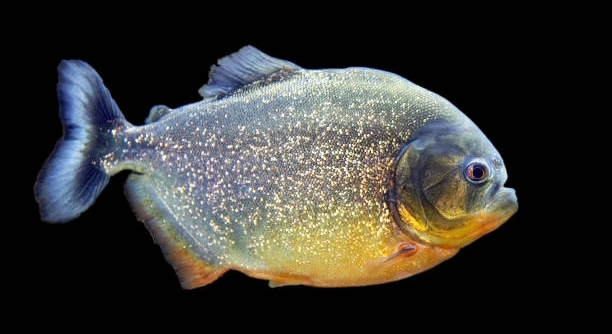
Large piranha groups show a variety of feeding behaviors that reflect their social and survival strategies. These fish often hunt and feed together, using different styles to capture and consume prey efficiently. Understanding these behaviors reveals much about their group dynamics.
Seven distinct feeding styles have been identified in large piranha groups. These styles range from cooperative hunting to competitive biting and scavenging. Each style serves a purpose in optimizing food acquisition and energy use within the group’s environment.
Recognizing these feeding styles provides insight into piranha behavior and helps explain how these fish thrive in complex ecosystems. This knowledge adds depth to the study of aquatic animal interactions.
Cooperative Hunting
Piranhas often hunt in groups to increase their chances of catching prey. In this style, several individuals work together to surround and confuse their target, making it easier to capture. This coordinated effort improves feeding efficiency, especially when the prey is large or fast. Cooperative hunting also reduces the risk of injury to any single piranha by sharing the effort. Groups may split roles, with some members driving prey toward others waiting to strike. This behavior highlights how piranhas rely on social interaction for survival and resource sharing. It also shows their ability to communicate through body movements and positioning during hunts. This strategy is common in areas where food is scarce or prey is abundant but difficult to catch alone. By cooperating, piranhas maximize their feeding success while minimizing wasted energy.
Cooperative hunting boosts feeding success by using teamwork to catch prey that is harder to capture alone. It balances risk and effort within the group.
This feeding style demonstrates a level of social complexity in piranhas not always expected from fish. Cooperative hunting requires coordination, patience, and timing. Members must stay aware of each other’s actions and adjust accordingly. The behavior improves the group’s overall energy intake, supporting growth and reproduction. It also allows piranhas to exploit a wider range of prey species and sizes than they could individually.
Competitive Biting
Competitive biting occurs when multiple piranhas attempt to feed on the same prey simultaneously. This often leads to aggressive interactions and quick, repeated bites from different individuals. The behavior is driven by the need to secure food in a group where resources are limited. Biting competition can cause injury but also ensures that food is distributed among several members. Piranhas use sharp teeth to tear flesh rapidly, and feeding speed becomes essential during these moments.
This feeding style shows how piranhas balance cooperation with competition in group feeding situations.
In competitive biting, piranhas prioritize quick access to food, often clashing to dominate feeding spots. This behavior maintains group stability by allowing many individuals to feed despite limited resources. Aggression levels increase, but dominance hierarchies can reduce constant conflict. Feeding happens in bursts, with piranhas biting and retreating repeatedly. This style is most common during feeding frenzies triggered by the presence of large prey or carcasses. It demonstrates the delicate balance between cooperation and self-interest necessary for survival in large piranha groups.
Scavenging
Scavenging occurs when piranhas feed on dead or dying animals rather than hunting live prey. This feeding style allows them to conserve energy while still obtaining necessary nutrients. It is common after other predators have left a carcass.
Scavenging provides piranhas with an opportunistic way to feed without expending much energy. When food sources are scarce or competition is high, feeding on leftovers becomes a valuable strategy. Groups often arrive at the carcass quickly to secure their share before others do. This style supports survival during periods when hunting success is low. It also helps recycle nutrients within the ecosystem. Scavenging piranhas must act fast, as many species compete for the same resource.
This feeding style shows adaptability in piranhas, shifting from active hunting to energy-saving behaviors. Scavenging can occur individually or in groups, sometimes leading to brief competition. It complements other feeding styles, making the group’s overall feeding strategy more flexible and resilient.
Solitary Feeding
Solitary feeding happens when individual piranhas separate from the group to hunt or forage alone. This behavior reduces competition and allows fish to exploit smaller prey or isolated food sources. It occurs mostly when prey is abundant or easy to catch.
During solitary feeding, piranhas focus on smaller meals that may not attract the entire group. This style allows individuals to avoid conflicts and conserve energy by avoiding group dynamics. It also lets weaker or less dominant piranhas obtain food without direct competition. Solitary feeding is often seen during calm periods or in environments with sufficient resources. It serves as a complement to group feeding behaviors by giving flexibility in how piranhas secure nutrition.
The ability to switch between group and solitary feeding enhances survival chances. Individual fish can adjust their behavior based on food availability and social conditions. Solitary feeding provides an alternative when group feeding is not ideal, balancing energy intake with safety.
Food Sharing
Food sharing happens when piranhas pass pieces of prey to other members of the group. This behavior helps strengthen social bonds and ensures weaker individuals get a chance to eat. It occurs mostly after a large kill or successful hunt.
Sharing food promotes group cohesion and reduces conflict. It allows less dominant piranhas to benefit from the efforts of stronger hunters, improving survival chances for the entire group.
Ambush Feeding
Ambush feeding involves piranhas lying in wait for prey to come close before striking quickly. This method conserves energy and relies on surprise to catch prey off guard. Piranhas using this style remain still and hidden until the right moment to attack.
Food Hoarding
Some piranhas display food hoarding by temporarily holding onto prey or scraps. This behavior helps secure food before others can access it, especially in competitive environments.
What are the main feeding styles seen in large piranha groups?
Large piranha groups typically exhibit seven main feeding styles: cooperative hunting, competitive biting, scavenging, solitary feeding, food sharing, ambush feeding, and food hoarding. Each style plays a role in helping piranhas adapt to their environment and food availability. Some focus on group cooperation, while others depend on individual strategies.
How does cooperative hunting benefit piranhas?
Cooperative hunting increases the chances of catching larger or more agile prey. By working together, piranhas can surround prey, confuse it, and reduce injury risk during the hunt. This style maximizes energy efficiency and helps the group secure more food than individuals hunting alone.
Why do piranhas sometimes compete aggressively during feeding?
When resources are limited or a large meal is present, piranhas may engage in competitive biting. This behavior ensures fast access to food, reducing the chance of losing it to others. Although aggressive, it balances the need for food distribution and maintaining social order within the group.
What role does scavenging play in piranha feeding behavior?
Scavenging allows piranhas to feed on dead or weakened animals without expending energy on hunting. It is an opportunistic strategy used when live prey is scarce or when food competition is high. This helps sustain the group during difficult periods.
How common is solitary feeding among piranhas?
Solitary feeding occurs when individual piranhas separate from the group to target smaller or isolated prey. This reduces competition and allows weaker or less dominant fish to feed. It often happens in environments with sufficient food or during calm periods when group feeding is less necessary.
What is the purpose of food sharing in piranha groups?
Food sharing strengthens social bonds and helps ensure that weaker or younger group members receive nourishment. It typically happens after a large kill when excess food is available. Sharing reduces aggression and supports the group’s overall health.
How do piranhas use ambush feeding?
Piranhas using ambush feeding remain still and hidden, waiting for prey to come near. This method conserves energy by relying on surprise attacks rather than chasing prey. It is effective in environments where prey moves predictably or where cover is available.
Why do some piranhas hoard food temporarily?
Food hoarding allows piranhas to secure prey or scraps in competitive situations. Holding onto food prevents others from stealing it immediately, giving the individual more time to eat or move to a safer spot. This behavior shows an ability to manage resources under pressure.
Can feeding styles change depending on the environment?
Yes, piranhas adapt their feeding styles based on food availability, competition, and environmental conditions. They may switch between cooperative hunting and solitary feeding or increase scavenging when prey is scarce. This flexibility is key to their survival.
How does feeding behavior affect piranha group dynamics?
Feeding behavior influences social hierarchies, aggression levels, and cooperation within the group. Cooperative hunting and food sharing promote unity, while competitive biting and hoarding can create tension. Balancing these behaviors helps maintain group stability.
Are feeding styles learned or instinctive?
Many feeding behaviors appear instinctive, but piranhas may also learn and adapt strategies through experience and social interaction. Observing and responding to group members’ actions improves their ability to feed effectively.
What impact do feeding styles have on the ecosystem?
Piranha feeding affects prey populations and nutrient cycling. Cooperative hunting can control prey numbers, while scavenging aids decomposition. Their feeding choices influence aquatic food webs and overall ecosystem health.
The feeding behaviors of large piranha groups show a range of strategies that help these fish survive and thrive. Each feeding style serves a specific purpose, whether it is conserving energy, sharing resources, or increasing hunting success. Understanding these different methods gives insight into how piranhas adapt to changing environments and food availability. Their ability to switch between styles such as cooperative hunting and solitary feeding highlights their flexibility and resilience as a species.
Group dynamics are important in shaping how piranhas feed. Some feeding styles encourage cooperation and social bonding, like food sharing and cooperative hunting. These behaviors help maintain peace and support weaker members of the group. On the other hand, styles like competitive biting and food hoarding reflect the challenges of securing limited resources. Balancing these behaviors allows piranhas to maintain group stability while still competing for food when necessary. This balance plays a key role in the success of the entire group.
Overall, piranhas display complex and varied feeding patterns that reflect their environment and social structure. Their feeding styles are not fixed but change based on circumstances such as prey availability, group size, and competition. This adaptability is a significant factor in their survival. Recognizing the different feeding styles also helps deepen our understanding of aquatic ecosystems and the role piranhas play within them. Their feeding habits influence not only their own species but also the broader balance of life in their habitat.

Hello,
If you enjoy the content that we create, please consider saying a "Thank You!" by leaving a tip.
Every little bit helps us continue crafting quality advice that supports the health, happiness, and well-being of pets around the world, for pets of all shapes, sizes, and species.
We really appreciate the kindness and support that you show us!