
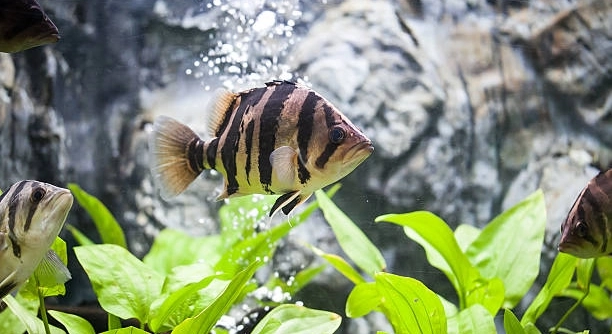
Tiger barbs are small, colorful fish often found in home aquariums. They are known for their lively behavior and unique interactions with other fish. Understanding their social life can help keep them happy and healthy in a tank.
Tiger barbs are social fish that thrive in groups of six or more. They display schooling behavior, communicate through body language, and establish a hierarchy within their group to reduce aggression and promote stability.
Learning about their social habits can improve how you care for these energetic fish and create a balanced aquarium environment.
Tiger Barbs Live Best in Groups
Tiger barbs feel most comfortable when they are part of a group. In fact, keeping them alone can cause stress and unhealthy behavior. A group of six or more helps them display natural social habits like schooling, where they swim together in coordination. This behavior is important because it makes them feel safe. When in groups, tiger barbs establish a clear pecking order, which keeps aggression in check. Without enough companions, a single tiger barb may become aggressive toward other fish or may act shy and hide. A proper group size also encourages them to be active, showing off their vibrant colors and playful nature. Observing their interactions in groups can be quite entertaining and shows how social these fish truly are.
Their group size strongly influences their health and happiness in the tank.
When you provide enough tank mates, tiger barbs develop strong social bonds that reduce stress and support their natural behaviors. This leads to a more peaceful aquarium where fish coexist comfortably. The group dynamics also help to distribute any aggression evenly, preventing one fish from being bullied too much. In a well-maintained group, tiger barbs swim actively, explore their environment, and interact without causing harm. This social balance can encourage them to eat well and reproduce, making your aquarium lively and full of energy.
Communication Among Tiger Barbs
Tiger barbs use body movements to talk to each other.
Their communication helps establish social order and avoid fights.
Tiger barbs use body language and color changes to communicate within their group. These fish display specific postures, fin flicks, and flashing colors to send messages. For example, a raised dorsal fin can signal dominance or warning to others. Color intensity can also change depending on their mood, becoming brighter when excited or darker when stressed. These signals help them avoid constant fighting by showing who is in charge and who should keep distance. This form of communication keeps the group stable and balanced, allowing the fish to live together peacefully. It is fascinating to watch how these small movements tell a complex story of social interaction beneath the water’s surface. This natural signaling also plays a role during feeding time and when defending territory. Overall, understanding these communication methods gives insight into how tiger barbs maintain harmony in their social groups.
Aggression and Playfulness
Tiger barbs often show aggressive behavior, but it’s usually part of their social play. This can be seen as chasing or nipping other fish in their group.
Their aggressive actions are a natural way to establish dominance and test boundaries within the group. While it may seem rough, this behavior helps keep the social structure clear. When kept in a proper group size, this aggression rarely causes serious harm. However, if the group is too small or other fish are very passive, the aggression can become stressful or damaging. Providing enough space and hiding spots in the tank helps reduce the intensity of these interactions. Overall, their playfulness mixed with aggression is key to their social balance.
This balance between aggression and playfulness is important to watch for. Too much aggression signals a problem, like overcrowding or incompatible tank mates. Maintaining a healthy environment helps tiger barbs express these behaviors naturally without stress.
Importance of Tank Environment
A well-planned tank environment is essential for tiger barbs to thrive socially. The right size, decorations, and plants provide both security and space for natural behavior.
Tiger barbs need room to swim freely as a group and places to hide when feeling threatened. Plants, rocks, and driftwood create a varied landscape that supports their natural instincts. Without these features, stress levels can rise, leading to more aggression or hiding. Clean water and proper filtration also contribute to a healthy environment, reducing discomfort and disease. This setup encourages social interaction and activity. Observing how tiger barbs explore their environment and interact around hiding spots shows how much these features impact their behavior. Providing a stimulating and safe environment leads to a peaceful and active group.
Schooling Behavior
Tiger barbs naturally swim in groups, moving together in coordinated patterns. This schooling helps them feel safe from predators and reduces stress in the tank.
Swimming closely with others also strengthens their social bonds and keeps the group organized.
Hierarchy and Dominance
Within their groups, tiger barbs create a clear social order. Dominant fish often display brighter colors and more confident swimming, while submissive ones stay quieter and hide more. This hierarchy reduces fights and helps the group live peacefully by making sure each fish knows its place.
Breeding Social Life
Tiger barbs become more territorial and protective when breeding. Males display brighter colors to attract females and may chase rivals away from spawning sites.
Social Stress
Too much crowding or incompatible tank mates increase social stress in tiger barbs, leading to health issues and aggression.
FAQ
How many tiger barbs should be kept together?
Keeping tiger barbs in groups of six or more is best. Smaller groups can lead to increased aggression and stress because the social structure doesn’t develop properly. When they are in larger groups, their natural schooling behavior emerges, and aggression is spread out, reducing harm.
Can tiger barbs live with other fish?
Yes, but carefully. Tiger barbs are semi-aggressive and may nip fins of slower, long-finned fish. They do better with fast, active species that can keep up. Choosing compatible tank mates and providing plenty of space helps reduce conflicts.
Why do tiger barbs nip fins?
Fin nipping is mostly social behavior linked to their playful aggression. It helps establish dominance but can become problematic if they are stressed, overcrowded, or if tank mates are too passive. Ensuring a proper group size and environment reduces fin nipping.
Do tiger barbs need hiding places?
Yes, hiding spots like plants, rocks, or decorations help tiger barbs feel secure. These spots reduce stress and give submissive fish a place to escape from dominant ones. A well-decorated tank improves social balance and overall well-being.
What happens if tiger barbs are kept alone?
A single tiger barb often becomes stressed and aggressive. Without a group, they lack social interaction and can develop unhealthy behaviors like constant hiding or attacking tank mates. They need companions to behave naturally and stay healthy.
How can I tell if my tiger barbs are stressed?
Signs of stress include dull coloration, hiding, loss of appetite, or excessive aggression. Stress can come from poor water quality, overcrowding, or incompatible tank mates. Addressing these issues quickly helps restore their normal behavior.
Do tiger barbs communicate with sounds?
Tiger barbs mainly use body language and color changes to communicate. They don’t produce sounds for social signals. Watching their movements and color shifts gives clues about their mood and social status.
Are tiger barbs territorial?
They can be territorial, especially during breeding. Males guard spawning areas and may chase other fish away. Outside of breeding, their aggression is more about social ranking than defending territory.
Can tiger barbs live in small tanks?
Small tanks make it hard to keep a proper group and provide enough space, leading to stress and aggression. A tank of at least 20 gallons is recommended for a small group to allow natural schooling and reduce conflicts.
How often should I feed tiger barbs?
Feeding twice a day with a balanced diet of flakes, pellets, and occasional live or frozen foods keeps tiger barbs healthy. Overfeeding can cause water quality problems, increasing stress and aggression.
What is the best water condition for tiger barbs?
Tiger barbs prefer slightly acidic to neutral pH (6.5–7.0) and temperatures between 74°F and 79°F (23°C–26°C). Stable, clean water supports their health and social behavior, reducing stress and disease risks.
How do tiger barbs interact during feeding?
They often become more active and competitive at feeding time. In a well-sized group, feeding is lively but not harmful. Overcrowding or hunger can increase aggression, so feeding the right amount to all fish is important.
Do tiger barbs need a specific light cycle?
A regular day-night light cycle, about 10–12 hours of light, helps maintain their natural rhythms. Consistent lighting supports normal behavior and health, including their social interactions.
Can tiger barbs change color based on mood?
Yes, their colors become brighter when they are healthy or excited, and duller when stressed or sick. Watching color changes helps monitor their well-being and social status.
What is the role of the dominant fish in a group?
The dominant tiger barb leads swimming patterns and access to food. It also enforces social order by showing aggression when needed. This leadership keeps the group organized and reduces constant fighting.
Tiger barbs are lively and social fish that need the right environment to thrive. Their social life is built on group interactions, with a clear hierarchy and natural communication methods. When kept in proper groups with enough space and hiding spots, they show their natural schooling behavior, playfulness, and active lifestyles. Understanding their social needs helps keep them healthy and less stressed, which is important for any aquarium setup.
Aggression among tiger barbs is normal, but it is mostly part of their social structure. It helps establish dominance and keeps the group balanced. However, too much aggression can cause harm or stress, especially if the tank is overcrowded or the fish are kept alone. A well-planned tank with compatible tank mates and environmental enrichment can reduce these problems. Watching how your tiger barbs interact can give you clues about their social health and whether changes in care are needed.
Overall, providing a comfortable home with the right group size and tank setup is key to a peaceful, happy tiger barb community. These fish bring energy and color to aquariums, but their social behavior requires attention and understanding. Meeting their needs for companionship, space, and security will help them live their best life, making your aquarium more enjoyable to watch and maintain.

Hello,
If you enjoy the content that we create, please consider saying a "Thank You!" by leaving a tip.
Every little bit helps us continue crafting quality advice that supports the health, happiness, and well-being of pets around the world, for pets of all shapes, sizes, and species.
We really appreciate the kindness and support that you show us!