
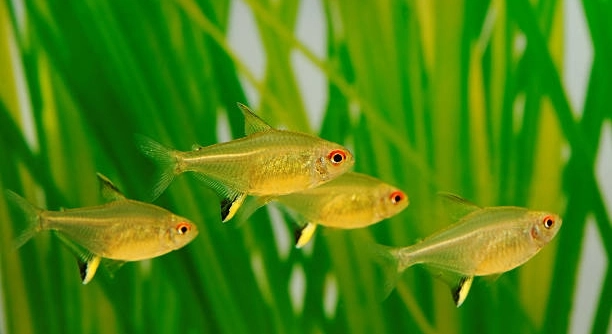
Do your lemon tetras live in a peaceful, well-maintained aquarium but sometimes face unexpected power outages? These small, bright fish are sensitive to changes in their environment, and sudden disruptions can affect their daily routine and well-being.
Lemon tetras can survive short-term power outages if the water temperature and oxygen levels remain stable. Extended outages can cause stress, reduce oxygen availability, and negatively impact their health, requiring prompt intervention to maintain proper tank conditions.
Knowing how to protect your lemon tetras during power interruptions can prevent stress and potential health issues. Simple preparation and quick responses can make a significant difference in their survival.
How Power Outages Affect Lemon Tetras
Sudden power outages can quickly change the environment in your aquarium. Without a functioning filter, water circulation slows, reducing oxygen levels. Temperature can also drop if heaters stop working, stressing your lemon tetras. Even a few hours of disrupted conditions can make these delicate fish more vulnerable to illness. Observing their behavior during outages is important, as lethargy or unusual swimming patterns often indicate stress. Preparing your tank with battery-powered air pumps or backup heaters can help maintain stability. It’s also helpful to keep a thermometer and test kits handy to monitor water quality. Small measures, like covering the tank to retain heat and limiting feeding, can reduce stress. Being proactive ensures your lemon tetras remain healthy despite temporary interruptions. Maintaining clean water and minimizing sudden changes are essential steps for their resilience.
Monitoring their reactions closely allows you to respond quickly and keep them safe during unexpected outages.
Keeping lemon tetras healthy requires constant attention. Even short outages can lower oxygen and temperature, leading to stress. By using backup pumps, heaters, and regular testing, you maintain a stable environment. Limiting feeding reduces waste and maintains water quality. Observing fish for signs of stress, like sluggish movement or hiding, helps detect problems early. Keeping the tank covered and insulated can retain heat during outages. Preparing in advance prevents panic and ensures that your lemon tetras stay safe and calm. Consistent monitoring of water parameters and behavior allows you to act promptly. This proactive approach minimizes risks during outages, ensuring your fish maintain their normal routine. With the right precautions, power interruptions can be managed without long-term effects. Your lemon tetras can continue thriving in a stable and secure environment even when electricity fails.
Steps to Prepare for Power Outages
Simple preparations can make a big difference for your lemon tetras during outages. Keeping backup equipment and monitoring tools ensures quick responses to changes in water conditions.
Having backup air pumps, heaters, and battery-powered equipment allows you to maintain oxygen levels and temperature. Store extra water, preferably treated and ready to use, to handle emergencies or sudden needs for water changes. Insulating the tank with blankets or foam can help retain heat during long outages. Reducing feeding before and during power cuts minimizes waste and prevents water contamination. Regularly testing water parameters ensures that any sudden changes are detected immediately. Practicing these steps creates a safer environment and reduces the stress on your fish. Preparation is key, and even small actions can protect your lemon tetras from the negative effects of power interruptions. Consistency and vigilance are essential to maintain their health.
Proper preparation starts with understanding your tank’s needs and equipment. Backup air pumps and heaters can keep oxygen and temperature stable. Having treated water ready prevents delays during emergencies. Limiting feeding reduces waste and helps maintain water quality. Insulating the tank preserves heat for longer outages, protecting sensitive fish. Regularly testing water for pH, ammonia, and other parameters helps catch issues early. By planning ahead, you reduce stress on your lemon tetras and prevent sudden health problems. These steps ensure that even unexpected power cuts do not endanger their survival. A well-prepared tank allows you to handle interruptions calmly, maintaining a healthy and stable environment. Consistent care and vigilance are crucial to keeping your lemon tetras thriving despite temporary setbacks.
Signs of Stress in Lemon Tetras
Lemon tetras show stress through changes in behavior and appearance. Look for sluggish swimming, hiding, loss of appetite, or clamped fins. Color fading or erratic movements also indicate discomfort, often caused by sudden environmental changes like power outages or water quality fluctuations.
Observing these stress signs early is crucial for intervention. Sluggish swimming or prolonged inactivity can signal low oxygen levels. Hiding excessively or crowding in corners suggests fear or discomfort. Loss of appetite affects their energy and immunity, making them more prone to illness. Faded colors and clamped fins are visual indicators that the fish are under strain. Detecting these signs quickly allows for prompt corrective action, such as adjusting water temperature, aeration, or providing a quiet environment.
Prompt response to stress improves lemon tetras’ chances of recovery. Adjusting tank conditions and ensuring clean water reduces further risk. Temporary oxygenation through air pumps or gentle water movement can stabilize them. Avoid overfeeding, as uneaten food can harm water quality. Monitoring their behavior over several hours or days ensures that corrective steps are working. By acting quickly, you minimize long-term health effects and maintain their well-being, even during environmental disturbances like power outages. Consistent observation is key to protecting these delicate fish.
Maintaining Water Quality During Outages
Water quality can deteriorate rapidly when equipment fails. Monitoring ammonia, nitrite, and oxygen levels prevents dangerous conditions for lemon tetras.
Even short power interruptions can disrupt filtration, causing toxins to accumulate. Without proper circulation, oxygen levels drop, stressing fish. Removing debris, performing partial water changes, and using battery-powered air pumps can maintain stability. Testing water parameters frequently helps detect issues before they become critical. Maintaining cleanliness reduces the risk of disease, and consistent monitoring ensures corrective steps are effective. Being proactive prevents stress and protects the health of your lemon tetras.
Maintaining water quality involves several key actions. Partial water changes during outages dilute harmful compounds, keeping ammonia and nitrite at safe levels. Battery-powered air pumps or manual aeration maintain oxygen and circulation. Avoid overfeeding, as excess food worsens water conditions. Testing for pH, temperature, and other parameters allows quick adjustments when needed. Removing debris or waste prevents toxins from accumulating, reducing stress on fish. Ensuring consistent monitoring and timely interventions protects lemon tetras from illness caused by sudden environmental changes. Preparing for outages in advance helps sustain a stable habitat. These steps are essential for keeping delicate fish healthy during unexpected disruptions.
Temporary Solutions for Oxygen Supply
Battery-powered air pumps are effective during outages. They keep oxygen levels stable and maintain gentle water circulation, reducing stress on lemon tetras.
Floating plants can also help. They produce small amounts of oxygen and provide shaded areas, helping fish stay calm while the tank experiences reduced aeration.
Using Insulation to Maintain Temperature
Covering the aquarium with blankets or foam helps retain heat when heaters stop working. This simple step can prevent sudden drops in water temperature, which can be dangerous for lemon tetras. Maintaining a stable environment reduces stress and supports their overall health during power interruptions.
Limiting Feeding During Outages
Reducing or stopping feeding during outages prevents waste buildup. Excess food can quickly deteriorate water quality, making it harder to maintain a safe environment for your lemon tetras.
FAQ
How long can lemon tetras survive without power?
Lemon tetras can survive a few hours without power if water temperature and oxygen remain stable. Longer outages increase stress and risk of illness. Using backup air pumps or battery-powered heaters can extend survival and maintain a safe environment. Monitoring water quality is critical during interruptions.
What should I do immediately after a power outage?
Check oxygen levels and water temperature first. Turn on backup equipment if available. Remove any debris or uneaten food to prevent water contamination. Perform partial water changes if necessary and observe fish for stress signs, such as clamped fins or unusual swimming behavior.
Can lemon tetras tolerate low oxygen levels?
They can tolerate slight drops temporarily, but prolonged low oxygen levels are harmful. Aeration through battery-powered pumps, gentle stirring, or floating plants can maintain oxygen and reduce stress. Avoid overcrowding, as it worsens oxygen depletion.
Is it safe to feed lemon tetras during outages?
Feeding should be minimized or paused. Uneaten food can decay quickly, increasing ammonia and nitrite levels, which are toxic. Focus on water quality maintenance rather than feeding. Once normal conditions return, you can resume regular feeding.
How can I prevent stress during future outages?
Prepare backup equipment like air pumps and heaters. Keep extra treated water ready for partial changes. Insulate the tank to retain heat, and limit feeding during power interruptions. Regular monitoring of water parameters ensures quick responses to changes.
Are there signs that indicate immediate danger during an outage?
Yes, watch for gasping at the surface, clamped fins, faded color, or frantic swimming. These indicate low oxygen, high toxins, or sudden temperature changes. Immediate intervention, such as aeration, water changes, and temperature stabilization, is essential to protect the fish.
Do tank size and fish number affect survival?
Smaller tanks and heavily stocked aquariums are more vulnerable. Oxygen depletes faster and temperature fluctuates more quickly. Larger tanks with fewer fish have greater stability and provide better conditions during short-term power outages.
Can lemon tetras survive if the heater is off for several hours?
They can tolerate mild drops in temperature for a short time. Drastic temperature changes are dangerous. Covering the tank or using insulation helps retain heat until power returns or backup heaters are activated.
What tools help monitor the tank during outages?
Thermometers, test kits for ammonia and nitrites, and battery-operated air pumps are essential. They allow you to detect dangerous changes and respond promptly. Keeping these tools accessible ensures that your lemon tetras remain safe.
Should I move lemon tetras to another tank during a prolonged outage?
Moving fish can be stressful and is usually only necessary if water conditions deteriorate dangerously. If relocation is required, ensure the new environment has stable temperature, oxygen, and clean water to minimize additional stress.
How often should I check the tank during an outage?
Check frequently, every 30 minutes to an hour if possible. Look for behavior changes and water conditions. Prompt observation helps catch problems before they endanger your fish, ensuring safety and reducing stress.
Can I rely on floating plants for oxygen?
Floating plants provide minimal oxygen and some shading, but they are not a complete solution. They can help temporarily, but battery-powered aeration or air stones are more effective in maintaining oxygen levels during outages.
What is the safest approach for short-term outages?
Keep calm and follow a step-by-step routine: monitor water, activate backup equipment, remove waste, limit feeding, and observe fish. A consistent and methodical approach ensures that lemon tetras survive with minimal stress.
Are some lemon tetras more resilient than others?
Individual resilience varies, but younger, healthy fish generally cope better with short-term changes. Stressed or older fish are more vulnerable. Maintaining ideal conditions and minimizing sudden changes supports the health of all fish.
How do I recover water quality after power returns?
Restart filters and heaters gradually. Test water for ammonia, nitrite, and temperature. Perform partial water changes if needed. Resume feeding slowly and continue observing behavior for signs of lingering stress. Recovery is gradual, and maintaining stability is key.
Can I prevent future stress with routine maintenance?
Yes, regular cleaning, water testing, and monitoring tank equipment reduce the risk of compounded stress during outages. Preparing for interruptions before they happen helps lemon tetras remain healthy and stable.
What backup options are most effective for emergencies?
Battery-powered air pumps, portable heaters, insulated tank covers, and extra treated water are the most practical tools. These measures provide temporary stability until power returns, reducing the risk of long-term harm.
How quickly do lemon tetras recover after a short outage?
Recovery can begin within hours if water quality and temperature are restored. Fish may remain slightly stressed for a day, but proper monitoring and care help them return to normal behavior quickly.
Is it necessary to replace water after every outage?
Not always. Partial water changes are only needed if ammonia or nitrite levels rise significantly or if waste has accumulated. Testing water is the best guide to determine whether changes are required.
What long-term steps improve survival during outages?
Investing in backup equipment, preparing treated water, insulating the tank, and establishing a monitoring routine all contribute to long-term resilience. Consistent care ensures lemon tetras remain healthy despite intermittent power interruptions.
Power outages can be stressful for any aquarium, especially when you have delicate fish like lemon tetras. These small fish are sensitive to changes in their environment, and sudden interruptions in power can quickly affect water temperature, oxygen levels, and overall tank conditions. Being aware of their needs during these times is essential. Even a short outage can cause stress, leading to changes in behavior, loss of appetite, or weakened immunity. Maintaining a stable environment is the key to helping them survive and recover, and taking proactive steps can prevent minor disruptions from becoming serious problems.
Preparation is the most effective way to protect lemon tetras during outages. Backup equipment, such as battery-powered air pumps and portable heaters, can keep oxygen and temperature levels stable. Insulating the tank with blankets or foam helps retain heat, while having treated water ready allows for partial water changes if needed. Limiting feeding during outages prevents waste accumulation, which can quickly harm water quality. Regular monitoring of water parameters, such as ammonia, nitrites, pH, and temperature, ensures you can react quickly to changes. Even small measures, like removing debris and reducing tank disturbance, contribute to minimizing stress and maintaining health. Being prepared and vigilant is better than responding to an emergency after problems arise.
Recovery after a power outage takes patience and attention. Once power is restored, filters and heaters should be restarted gradually, and water parameters should be tested to ensure stability. Lemon tetras may remain slightly stressed for a day or two, but consistent care allows them to return to normal behavior. Observing their activity, appetite, and coloration helps confirm that they are adjusting well. Over time, establishing a routine that includes regular maintenance, water testing, and backup preparedness ensures that your lemon tetras can thrive even if outages occur unexpectedly. Consistent care and small precautions can make a significant difference in their survival and overall well-being.

Hello,
If you enjoy the content that we create, please consider saying a "Thank You!" by leaving a tip.
Every little bit helps us continue crafting quality advice that supports the health, happiness, and well-being of pets around the world, for pets of all shapes, sizes, and species.
We really appreciate the kindness and support that you show us!