
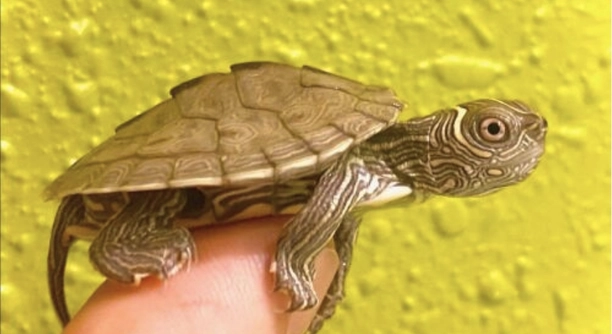
Caring for a Mississippi Map Turtle requires attention to its unique needs, from diet to habitat. Whether you’re a beginner or experienced, understanding its care routine is essential for keeping your turtle happy and healthy.
The Mississippi Map Turtle thrives in clean, warm water and requires a balanced diet of aquatic plants, insects, and pellets. A well-maintained tank with proper UV lighting, filtration, and basking areas is crucial for its overall health and longevity.
By following these guidelines, you can ensure your turtle enjoys a thriving, comfortable environment. This guide will provide you with everything you need to know for successful care.
Setting Up the Right Habitat
To create the ideal environment for your Mississippi Map Turtle, you need to focus on tank size, water quality, and heating. A spacious tank of at least 40 gallons is recommended for a single turtle, ensuring it has ample room to move around. Ensure the water temperature is kept between 75°F and 80°F with a reliable water heater. The water should be filtered properly to maintain cleanliness and prevent bacteria buildup.
The turtle needs a basking area where it can climb out of the water and dry off. Provide a platform that is easily accessible, and make sure it’s in an area where the turtle can soak up UV light. A UVB light should be installed to mimic natural sunlight, aiding in the turtle’s ability to absorb calcium and promote shell health.
A water pump and filter will help keep the tank clean, but be sure to change the water regularly. Cleaning the tank every few weeks is essential to prevent harmful bacteria growth and keep the water fresh for your turtle.
Feeding Your Mississippi Map Turtle
The right food is key to a healthy turtle. Mississippi Map Turtles are omnivorous, so they require a balanced diet that includes both plant-based and protein sources. Offer a mix of commercial turtle pellets, leafy greens like romaine lettuce, and protein-rich foods like earthworms, mealworms, and small fish.
They will also eat aquatic plants, so adding some to their tank can be a great way to mimic their natural diet. Make sure to remove any uneaten food to keep the water clean and avoid bacteria growth.
Regular Maintenance and Health Checks
Maintaining a healthy environment goes beyond cleaning the tank. Regular health checks are essential to ensure your turtle stays in good shape. You should observe the shell for signs of damage, cracks, or soft spots, as these can indicate poor health. If your turtle’s shell starts looking uneven or soft, it may not be getting enough UVB exposure or calcium in its diet.
Monitor its behavior closely as well. If your turtle becomes lethargic or refuses to eat, this could signal health issues such as an infection or improper water conditions. Regularly checking the water temperature, filtration system, and UVB lights ensures they are functioning properly.
In addition, make sure your turtle is getting the right amount of basking time to dry off completely. This is critical for preventing fungal infections.
Water Quality and Filtration
Clean water is essential for a healthy turtle. A strong filtration system is necessary to maintain water quality by removing waste and debris. This system should be able to filter the entire volume of water in the tank at least once per hour.
Regular water changes are crucial, as the tank’s water can become polluted quickly with a turtle’s waste. Replace 25% to 50% of the water every two weeks, depending on the size of the tank. Use a water conditioner to remove chlorine and chloramines from tap water before adding it to the tank.
Testing water parameters such as pH, ammonia, nitrate, and nitrite levels is important. Keeping the water at a balanced level ensures a safe environment for the turtle. Ammonia and nitrite should remain at zero, while nitrates should stay below 40 ppm for optimal health.
Tank Lighting
Proper lighting is necessary for your turtle’s well-being. UVB lighting is crucial for calcium absorption and overall health. Use a high-quality UVB bulb that covers the full basking area and replace it every six months to ensure effectiveness.
The basking area should also be in a warm spot, where the temperature reaches around 85°F to 90°F. This heat, combined with the UVB lighting, will allow your turtle to thermoregulate and digest food properly.
The light cycle should mimic natural sunlight with 12 to 14 hours of light during the day and a period of darkness at night. Providing this cycle will help your turtle maintain a healthy circadian rhythm, preventing stress and promoting growth.
Tank Temperature
Maintaining the correct water temperature is key to your turtle’s health. The water should stay between 75°F and 80°F for optimal digestion and immune function. Use a reliable aquarium heater to keep the temperature consistent.
For the basking area, the temperature should be between 85°F and 90°F. This allows the turtle to regulate its body temperature by moving between the warm water and basking area. Using a thermometer to monitor these temperatures is important for avoiding stress on the turtle and ensuring its comfort.
Handling Your Mississippi Map Turtle
Handle your Mississippi Map Turtle with care. While these turtles are not overly aggressive, it is important to be gentle and avoid excessive handling. Frequent or rough handling can stress the turtle, causing it to become withdrawn or aggressive.
Hold the turtle securely by supporting its shell with both hands, ensuring its feet and head are protected. Avoid dropping or lifting the turtle by its legs, as this could cause injury.
Health Issues to Watch For
Be mindful of common health issues, such as respiratory infections or shell rot. If your turtle is frequently gasping for air or its eyes appear swollen, it could be a sign of respiratory distress.
Shell rot, on the other hand, may show up as soft, discolored patches on the shell. This condition is often caused by poor water quality or inadequate basking. If either condition is suspected, consulting with a veterinarian specializing in reptiles is crucial for treatment.
FAQ
How often should I feed my Mississippi Map Turtle?
Feed your Mississippi Map Turtle 3-4 times a week, depending on its age and size. Younger turtles need more frequent meals, while adult turtles can be fed less often. Offer a mix of commercial pellets, leafy greens, and protein sources like worms or small fish. Remove any uneaten food after 15 minutes to prevent it from polluting the water.
Can I keep a Mississippi Map Turtle with other turtles?
It’s possible to keep Mississippi Map Turtles with other species, but it depends on their temperament. Some turtles may not get along, especially if there’s competition for basking space or food. If you decide to keep multiple turtles, make sure the tank is large enough to accommodate them, and monitor their interactions for signs of aggression or stress.
What kind of substrate should I use in my turtle tank?
Avoid using gravel or sand in your turtle tank as they can cause impaction if ingested. A smooth, easy-to-clean surface like slate, river rocks, or bare-bottom tanks is ideal. Some people prefer using aquatic plants as a natural substrate, which also provides food for the turtle.
How can I tell if my turtle is sick?
Signs that your turtle may be sick include lethargy, lack of appetite, swimming irregularities, or abnormal behavior. Additionally, check for swollen eyes, nasal discharge, or any changes in the shell such as soft spots or discoloration. If you notice any of these symptoms, it’s important to consult a vet who specializes in reptiles.
Do Mississippi Map Turtles need to bask?
Yes, Mississippi Map Turtles need to bask regularly. Basking helps them regulate their body temperature and allows them to dry off after being in the water. It also helps them absorb UVB rays, which are essential for calcium absorption and shell health. Ensure that there is a proper basking area with the right temperature and UVB lighting.
How long can a Mississippi Map Turtle live?
Mississippi Map Turtles can live up to 30 years or longer with proper care. Providing a suitable habitat, maintaining water quality, and offering a balanced diet will contribute to a longer, healthier life for your turtle. Regular health checks and appropriate handling also play a role in ensuring a long lifespan.
What temperature should my turtle’s tank be?
The water temperature should be kept between 75°F and 80°F for your turtle’s comfort. The basking area should be warmer, between 85°F and 90°F, allowing the turtle to regulate its body temperature. Use a reliable heater and thermometer to maintain these temperatures and ensure a healthy environment for your turtle.
How do I prevent shell rot in my turtle?
Shell rot is often caused by poor water quality or inadequate basking. To prevent it, maintain clean water by using a good filtration system and performing regular water changes. Ensure your turtle has access to proper UVB lighting and a warm basking area where it can dry off completely. If you suspect shell rot, consult a vet for treatment.
Can Mississippi Map Turtles live in outdoor ponds?
Mississippi Map Turtles can live in outdoor ponds if the climate is suitable. The pond should be large enough to provide ample swimming space, with a shallow area for basking. Ensure the water stays clean and warm enough during colder months, as turtles are sensitive to temperature fluctuations. In cooler climates, indoor housing may be needed during the winter.
What should I do if my turtle isn’t eating?
If your turtle isn’t eating, check the water temperature, water quality, and lighting. Stress from poor living conditions or environmental changes could cause a loss of appetite. Make sure the tank is clean and that your turtle has access to a variety of foods. If the issue persists, a vet may need to assess its health.
Do I need to trim my turtle’s nails?
Typically, you don’t need to trim a Mississippi Map Turtle’s nails unless they become excessively long or sharp. In that case, it may be necessary to trim them carefully using a reptile nail clipper. Be cautious not to cut into the quick, as it can cause bleeding or infection. Regular monitoring of nail length can help prevent any problems.
Final Thoughts
Caring for a Mississippi Map Turtle requires attention to detail and consistency. From maintaining water quality to providing proper lighting and temperature, every aspect of its environment plays a significant role in its health. Ensuring that your turtle has access to clean water, adequate basking space, and a balanced diet will contribute to its overall well-being. It’s also important to monitor the turtle for any signs of illness and address potential issues promptly. A healthy environment not only improves your turtle’s quality of life but also helps reduce the risk of common health problems.
It’s essential to understand that these turtles, like all reptiles, require long-term commitment. With proper care, a Mississippi Map Turtle can live for many years. As they grow, their needs may change, so it’s important to be prepared for the adjustments that may be necessary. A larger tank or changes in diet and water temperature may be needed as your turtle matures. By staying informed and adapting to your turtle’s evolving needs, you ensure a fulfilling and healthy life for your pet.
Remember that the key to success in caring for a Mississippi Map Turtle is consistency. Regular maintenance of its habitat, combined with feeding and care routines, will keep your turtle happy and healthy. While there may be challenges along the way, the rewards of watching your turtle thrive are well worth the effort.

Hello,
If you enjoy the content that we create, please consider saying a "Thank You!" by leaving a tip.
Every little bit helps us continue crafting quality advice that supports the health, happiness, and well-being of pets around the world, for pets of all shapes, sizes, and species.
We really appreciate the kindness and support that you show us!