
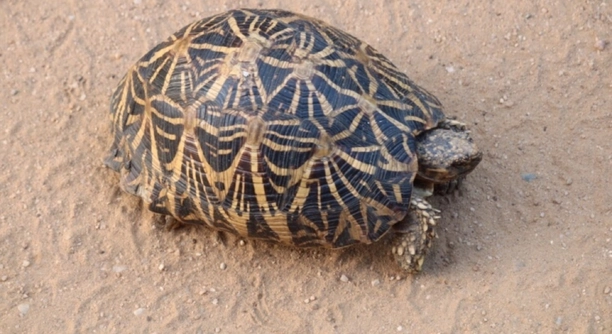
Indian star tortoises are fascinating creatures, and if you own one, you may have noticed that it often climbs the walls of its tank. Understanding why this behavior occurs can help create a better environment for your pet.
The main reason your Indian star tortoise climbs its tank walls is due to its instinctual desire to explore its surroundings. Tortoises are curious animals, and in captivity, they may climb to find more space or to escape perceived confinement.
Knowing the causes of this behavior is essential for creating a more suitable environment for your tortoise. This will ensure its well-being in the long run.
Why Does My Indian Star Tortoise Climb Its Tank Walls?
Your Indian star tortoise is naturally curious, and it may climb its tank walls out of boredom or the need for more space. Tortoises in the wild roam freely, searching for food, shelter, and mates. When kept in captivity, their space is limited, and they might climb to find new areas to explore. This behavior can also indicate that they feel confined or stressed in their current environment. Providing a larger enclosure or more stimulation could help reduce this climbing.
Sometimes, tank climbing happens when your tortoise is seeking higher ground. This is a behavior seen in many reptiles, who instinctively look for elevated spots. This can be a sign of boredom, so increasing enrichment in their environment may help curb the behavior. If your tortoise climbs persistently, it’s important to ensure the tank is an appropriate size for its needs.
Adding various hiding places, branches, or rocks might be beneficial. This gives your tortoise more to explore and climb on, reducing the desire to climb the walls. A larger space with these features can provide more stimulation.
Tank Size and Space Limitations
If your Indian star tortoise’s tank is too small, it may feel restricted, leading to climbing. Tortoises need plenty of space to move around and explore. A cramped tank may cause stress, prompting your pet to climb in search of more room.
A minimum tank size of 40 gallons is recommended for a single tortoise, with larger enclosures offering more freedom to move. You may notice that a more spacious environment encourages your tortoise to climb less. It also promotes healthier behavior, such as foraging and exploring, instead of climbing. Increasing the size of the tank can create a more comfortable habitat, which can significantly reduce wall-climbing.
Adding more vertical space can also help. You can provide climbing structures like rocks or branches that encourage natural climbing without the need for the tank walls. These additions give your tortoise areas to explore that mimic its natural environment. This will help satisfy its curiosity and reduce climbing behavior.
Enrichment and Stimulation
Without proper mental stimulation, your tortoise might climb in search of something interesting. Providing enrichment is key to keeping your tortoise engaged. Toys, varied textures, and opportunities to explore will encourage natural behaviors.
Change the layout of your tortoise’s tank regularly. Introducing new elements like plants, safe objects, or different textures can spark interest. Offering a range of hiding spots, varied substrates, and safe objects to climb will keep your tortoise entertained. It may reduce its tendency to climb the walls, as there will be more to engage with.
Making sure your tortoise is physically and mentally stimulated can help keep it happy. A mixture of activities and changes in its environment will not only stop climbing but also improve its overall well-being. A well-enriched environment prevents boredom and reduces unwanted behaviors like wall climbing.
Temperature and Humidity Levels
Improper temperature and humidity can cause your tortoise to act out. Indian star tortoises need a warm, humid environment to feel comfortable. If the temperature in the tank isn’t right, your tortoise may climb in search of a better spot.
Make sure the tank has a heat gradient with a basking spot around 90°F and a cooler side around 75°F. Humidity should range between 50-70% to keep your tortoise comfortable. When these conditions are met, your tortoise is less likely to climb, as it will feel at ease in its habitat.
Tank Lighting
Proper lighting is crucial for the health and well-being of your tortoise. Without adequate light, your tortoise might become stressed, leading to climbing as a way to find more favorable conditions.
Ensure the tank has a UVB light source to mimic natural sunlight. This will support the tortoise’s shell and overall health, encouraging it to stay calm in its environment. A 12-hour light cycle helps maintain a natural day and night rhythm, which reduces anxiety and climbing behavior.
FAQ
Why does my Indian star tortoise keep climbing the walls of its tank?
Climbing is often a sign that your tortoise feels confined or bored. In the wild, they have more space to roam and explore, so a small or unstimulating tank can trigger this behavior. Increasing the size of the tank, adding enrichment, and ensuring proper temperature and humidity can reduce climbing. A more comfortable, engaging environment will encourage your tortoise to focus on other behaviors, like foraging, rather than constantly trying to escape its enclosure.
How do I stop my tortoise from climbing its tank walls?
To stop the climbing, you need to address the root cause: boredom, confinement, or stress. Ensure your tortoise has a spacious enclosure, around 40 gallons for one tortoise. Adding climbing structures like rocks, branches, and plants can mimic natural surroundings and give your tortoise something to explore. Additionally, keeping the tank at the right temperature (around 75°F to 90°F) and humidity (50-70%) can help reduce stress and decrease the climbing behavior. Regularly changing the tank layout will also keep your tortoise engaged.
Can the walls of the tank hurt my tortoise?
Repeated climbing against tank walls can cause stress, and over time, it could lead to injury. The tortoise might scratch its shell, face, or limbs, and in some cases, it could even injure itself trying to escape. It’s important to create a safe and spacious environment to avoid these risks and to prevent frustration that can come from being confined in a small tank. Also, using materials that are smooth and safe can help prevent unnecessary injuries.
How can I keep my tortoise entertained in its tank?
Tortoises enjoy exploring and need enrichment to stay happy. Adding a variety of textures and objects to climb on, such as rocks, branches, or even a log, can keep your tortoise engaged. You can also include plants, hiding spots, and tunnels to explore. Changing up the tank’s layout and adding new items regularly will keep things interesting. If possible, consider taking your tortoise outside for some safe, supervised outdoor time, which allows it to explore a larger area.
Is it normal for my tortoise to try and escape?
Yes, it’s quite common for tortoises to try and climb out of their tanks. In the wild, they naturally explore and seek new territories, so climbing can be part of their instinctual behavior. However, if it’s persistent, it could indicate that the tank is too small or lacks sufficient stimulation. Providing a more suitable environment with space and enrichment will help your tortoise feel secure and less likely to attempt escaping.
How often should I change the layout of the tank to stop climbing?
Changing the layout of the tank every few weeks can help prevent your tortoise from becoming bored. Tortoises are naturally curious, so if the tank remains the same for too long, they may start looking for ways to escape out of frustration. Introducing new climbing surfaces, hiding spots, and plants will keep them occupied. It’s also a great opportunity to clean the tank and check if anything needs replacing, keeping the environment both fresh and safe.
Can a smaller tank cause my tortoise to climb more?
Yes, a smaller tank can definitely contribute to climbing. When tortoises feel restricted in a cramped space, they may instinctively try to climb the walls in an attempt to find more room. The lack of space can lead to stress, which may manifest as climbing. To prevent this, ensure your tortoise has a large enough tank—at least 40 gallons for one tortoise. A bigger tank with appropriate stimulation will reduce the likelihood of climbing.
Should I worry if my tortoise is climbing the walls constantly?
While occasional climbing is normal, constant climbing may signal that your tortoise is stressed, bored, or not comfortable in its enclosure. If your tortoise is climbing excessively, it’s essential to assess the tank size, temperature, humidity, and enrichment. If the environment is lacking in any of these areas, it can lead to anxiety and climbing as a way to escape. Providing a more appropriate habitat will help ease this behavior.
Can my tortoise climb the walls if it’s feeling too hot or too cold?
Yes, temperature extremes can make your tortoise feel uncomfortable and lead to climbing. Indian star tortoises need a heat gradient in their tank, with a basking spot at around 90°F and a cooler side at 75°F. If the tank is too hot or too cold, your tortoise may climb in search of a more suitable area. Make sure you provide the right temperature range to prevent this behavior. Using a thermometer and humidity gauge will help maintain the proper environment.
Is it okay to let my tortoise roam outside of its tank?
If you’re able to provide a safe, controlled environment, allowing your tortoise to roam outside of its tank can be beneficial. However, make sure the area is secure and free from any hazards, like plants or animals that could harm it. Outdoor time gives your tortoise the chance to explore more space, which can reduce the desire to climb in its tank. Always supervise your tortoise when outside to ensure its safety.
Final Thoughts
Understanding why your Indian star tortoise climbs the walls of its tank is important for both its well-being and your peace of mind. Tortoises are naturally curious creatures that need a proper environment to thrive. If your tortoise is constantly trying to escape, it’s usually a sign that something isn’t quite right in its habitat. It could be due to stress, boredom, or uncomfortable living conditions like improper temperature or humidity levels. Paying attention to these factors can help reduce the climbing behavior and ensure your tortoise feels safe and secure.
One of the best ways to stop the climbing is by providing more space and enrichment. Tortoises enjoy exploring, so adding rocks, branches, and plants to their tank can give them something to do. This not only helps keep them entertained but also mimics their natural environment, allowing them to engage in more instinctual behaviors. The right temperature and humidity levels are also crucial for their comfort. With the right care and a few changes to their environment, you can help your tortoise feel more at home, which can lessen the need to climb the tank walls.
Ultimately, taking the time to assess and improve your tortoise’s habitat will lead to a happier, healthier pet. By understanding the reasons behind climbing, you can address the root cause and create a more comfortable space for your tortoise to live in. Whether it’s through a larger tank, better lighting, or simply adding more enrichment, small changes can make a big difference. By meeting your tortoise’s needs, you ensure it leads a more fulfilling and less stressed life.

Hello,
If you enjoy the content that we create, please consider saying a "Thank You!" by leaving a tip.
Every little bit helps us continue crafting quality advice that supports the health, happiness, and well-being of pets around the world, for pets of all shapes, sizes, and species.
We really appreciate the kindness and support that you show us!