
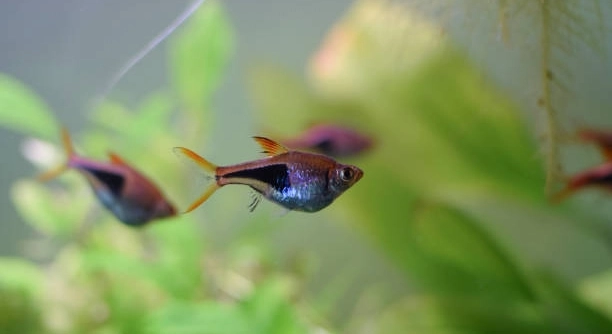
Observing your aquarium can reveal more than just colorful fish swimming peacefully. Rasboras, small and active, often display subtle social behaviors that indicate hierarchy within their group, which can influence feeding and movement patterns daily.
Rasbora pecking order behavior is determined through consistent interactions, such as chasing, nipping, and maintaining spatial dominance. Dominant individuals assert control over territory and resources, while subordinate fish respond with avoidance or submission, establishing a stable social hierarchy.
Recognizing these behaviors early can improve tank harmony and ensure every fish has access to food and space, creating a more balanced and healthy aquarium environment.
Understanding Rasbora Social Structure
Rasboras naturally form small groups in aquariums, and within these groups, a clear social order often develops. Observing them closely reveals patterns in their interactions. Dominant fish usually position themselves near prime feeding spots, swim confidently, and occasionally chase or nudge others to assert control. Subordinate individuals maintain distance, often waiting for their turn to access food or preferred spaces. Even minor actions, like flicking fins or gentle nudges, communicate hierarchy without causing serious harm. Understanding these signals can help in managing tank dynamics, ensuring that all fish remain healthy and stress-free. It’s easy to overlook these behaviors at first, but consistent observation over days or weeks highlights a clear pattern. Changes in movement, feeding times, or resting locations often indicate shifts in dominance or social tension. Taking note of these interactions can guide adjustments in tank setup, such as rearranging decorations or providing multiple feeding points. Properly interpreting these behaviors helps maintain a peaceful environment.
Monitoring these subtle signs daily can prevent conflicts and stress among Rasboras, keeping the tank balanced.
Careful observation also allows hobbyists to recognize when individual fish might be struggling or when a new addition could disrupt the established hierarchy. By noting which fish consistently dominate or yield, you can anticipate potential problems and make necessary adjustments, such as adding hiding spaces or rearranging territories. Over time, this attentiveness creates a more predictable and harmonious environment, benefiting both dominant and subordinate fish. Observing interactions while feeding, during active swimming periods, or when resting can provide valuable insights. Tracking patterns over time helps ensure that every Rasbora has access to adequate nutrition and safe zones for retreat. Subtle changes, such as sudden aggression or avoidance, often signal stress or illness, which can be addressed promptly. Overall, understanding their social dynamics allows for a more stable, healthy tank where each fish thrives within its established role.
Signs of Dominance and Submission
Dominant Rasboras often control feeding areas and occupy central swimming zones, while submissive fish stay near the edges, avoiding confrontation.
Dominance is displayed through chasing, nudging, and confident swimming, whereas submissive fish yield space, lower posture, or move away. Over time, these interactions stabilize the hierarchy, minimizing conflict. Watching these patterns carefully helps predict how changes in the tank, like adding new fish, will affect the existing social order. Recognizing dominant behavior also allows adjustments in feeding strategies, ensuring that all fish receive adequate nutrition without constant stress. Subordinate fish often benefit from additional hiding spots, which reduce anxiety and allow them to feed safely. Occasionally, dominance can shift, especially if a new fish is introduced or if a dominant fish becomes weak due to illness. Observing these shifts is critical to maintaining tank harmony. Maintaining a balanced environment involves monitoring interactions, providing enough resources, and understanding the subtle social cues Rasboras display. By being attentive, you can foster a peaceful and healthy aquarium where all fish coexist comfortably.
Common Aggressive Behaviors
Chasing and nipping are the most noticeable aggressive behaviors in Rasboras. Dominant fish assert control by pushing others out of key swimming areas or near feeding spots. These actions are usually brief but repeated, establishing hierarchy without causing serious harm.
Aggression can also appear as fin displays or subtle body posturing. Dominant fish may flare fins, swim quickly in front of subordinates, or approach them repeatedly to reinforce their position. Subordinate fish respond by moving away, lowering their bodies, or hiding temporarily. These interactions help maintain order within the group, preventing prolonged fights.
Even minor aggression affects stress levels in subordinate fish. High-stress individuals may eat less, hide more, or show slower swimming responses. Observing these patterns allows adjustments in tank setup, such as adding plants, rocks, or multiple feeding stations. This reduces conflict, giving every fish space to swim and feed without constant harassment, ultimately promoting a healthier social balance.
Encouraging Balanced Tank Dynamics
Providing multiple feeding points helps reduce competition and allows all fish to eat without interference, preventing constant dominance struggles.
Arranging plants and decorations strategically creates safe zones for subordinate fish, giving them opportunities to retreat when necessary. This encourages natural behaviors while minimizing stress and physical confrontations. Monitoring group size is also important, as overcrowding can increase aggression and disrupt hierarchy stability. Adjusting the environment gradually ensures smoother adaptation to changes, especially when introducing new individuals.
Observing interactions over time is essential. Dominant fish often settle into established territories, while subordinates learn safe areas for feeding and swimming. Rotating decorations or rearranging plants occasionally prevents territorial fixation, keeping the social structure flexible. When aggression becomes frequent or severe, separating overly dominant individuals or temporarily isolating them during feeding can restore balance. Subtle adjustments, like splitting feeding sessions or adding hiding spaces, promote peaceful coexistence and reduce stress-related health issues. Maintaining awareness of these dynamics allows every Rasbora to thrive comfortably within the group.
Feeding Hierarchy
Dominant Rasboras usually reach food first, often nudging others aside to maintain control. Subordinate fish wait for their turn or feed in less crowded areas, showing patience and avoidance.
Providing evenly distributed food reduces competition and allows all fish to eat without stress. This simple adjustment supports healthier growth and minimizes aggressive encounters.
Recognizing Stress Signals
Subordinate or stressed fish may hide frequently, swim erratically, or eat less. These behaviors indicate discomfort caused by dominance pressure or limited space. Observing these signs early allows for interventions that maintain group stability.
Environmental Adjustments
Adding plants, rocks, and decorations creates barriers and safe zones. These adjustments reduce confrontations, giving subordinate fish places to retreat and regain confidence.
FAQ
How can I tell which Rasbora is dominant?
Dominant Rasboras typically swim confidently in open areas, access food first, and display fin flaring or chasing behaviors. They often occupy central spots in the tank and occasionally nudge or chase subordinate fish to maintain control. Observing daily interactions over several days will make the hierarchy clear.
What should I do if aggression is too high?
If aggression escalates, consider adding hiding spots, more plants, or rearranging decorations. Providing multiple feeding points reduces competition. In severe cases, temporarily separating the overly dominant fish during feeding or introducing a divider can restore balance and reduce stress.
Do Rasboras ever change rank?
Yes, hierarchy can shift, especially if a dominant fish becomes weak due to illness or aging. Subordinate fish may move up in rank. Changes can also occur when new individuals are introduced, prompting brief conflicts until the social order stabilizes again.
How many Rasboras should I keep together?
A group of at least six or more is recommended. Smaller groups increase stress and aggression because fewer fish are available to distribute social pressure. Larger groups create a more natural dynamic and reduce intense competition among individuals.
Can diet affect pecking order behavior?
Yes, limited food can heighten aggression, as dominant fish try to secure the majority. Providing evenly spaced feeding spots and sufficient food helps reduce tension and ensures all fish receive proper nutrition without constant chasing or stress.
What signs indicate stress from hierarchy?
Subordinate fish may hide frequently, swim awkwardly, lose appetite, or show faded colors. Recognizing these signs early allows adjustments in tank layout or feeding practices, helping to maintain a healthy and calm environment for all fish.
Should I rearrange the tank often?
Occasional rearrangements prevent rigid territorial behavior and give subordinate fish opportunities to explore safely. Frequent changes are unnecessary, but small adjustments to decorations, plants, or hiding spots can maintain a more flexible and harmonious hierarchy.
How do I introduce new Rasboras without causing conflict?
Introduce new fish gradually, using a divider initially if possible. Allowing existing fish to observe the newcomers without direct contact reduces aggression. Gradual acclimation helps the social order adjust naturally and prevents dominant fish from targeting the newcomers aggressively.
Do dominant Rasboras harm subordinates?
In most cases, aggression is minor and brief, involving nudges or chasing. Serious injuries are rare if the tank is properly set up with hiding spots and sufficient space. Monitoring interactions and providing resources ensures conflicts remain minimal.
How long does it take for hierarchy to stabilize?
It can take days to weeks for Rasboras to establish a stable pecking order. Observation is key during this period, as minor skirmishes and chasing are normal until social positions are consistently recognized by all fish.
Can tank size influence pecking order behavior?
Yes, smaller tanks increase stress and aggressive interactions, as fish have less room to retreat or establish personal space. Larger tanks allow natural movement, reduce confrontation, and support a balanced hierarchy, improving overall fish health and activity.
Are there signs of permanent dominance?
Some fish maintain consistent dominant positions for months if they are healthy and assertive. These individuals typically have prime feeding spots, occupy central swimming areas, and consistently display confident behaviors, though shifts can still occur if environmental changes happen.
Is it necessary to intervene in natural pecking order behaviors?
Intervention is usually only needed when aggression causes stress, injury, or prevents subordinate fish from accessing food. Minor hierarchy behaviors are natural and help maintain order, so observing rather than interfering is often the best approach.
Can I keep other species with Rasboras?
Yes, peaceful tankmates work best. Aggressive or much larger species can disrupt the Rasbora hierarchy and increase stress. Choosing compatible fish ensures all species can coexist without excessive competition or harm.
How does lighting affect behavior?
Bright or harsh lighting can increase stress, making subordinate fish more cautious or hiding. Moderate, consistent lighting helps fish feel secure and allows natural interactions without exaggerating aggressive behaviors.
Do all Rasboras show clear hierarchy?
Most species do, though intensity varies. Some Rasboras display subtle interactions, while others are more obvious in chasing or nudging. Careful observation is essential to recognize patterns in each group.
How can I encourage peaceful interactions?
Provide ample hiding spots, multiple feeding areas, and maintain a proper group size. Avoid overcrowding and sudden environmental changes. Consistent tank conditions reduce stress, allowing both dominant and subordinate fish to interact naturally without excessive conflict.
What role do plants play in pecking order dynamics?
Plants offer cover for subordinate fish, creating safe zones that reduce stress and prevent constant chasing. Dense planting also encourages exploration, provides feeding areas, and helps distribute fish throughout the tank, supporting a more balanced hierarchy.
How important is water quality for social behavior?
High water quality is crucial. Poor conditions increase stress, making aggression more frequent and hierarchy unstable. Regular maintenance, filtration, and monitoring parameters like temperature and pH help maintain calm behavior and healthy social interactions.
Can pecking order affect breeding?
Yes, dominant fish may monopolize prime spawning areas. Subordinate fish may delay or avoid breeding if stressed. Providing multiple suitable breeding spots and reducing aggression ensures all fish have opportunities to reproduce naturally.
Observing Rasboras in a home aquarium reveals more than just their bright colors and energetic swimming. Their behavior reflects a natural social structure, with dominant and subordinate fish interacting to establish a clear hierarchy. Recognizing these patterns is important for anyone keeping a group of Rasboras. Dominant fish typically take the lead during feeding and occupy central swimming areas, while subordinate fish often yield space and move to the edges or hiding spots. These behaviors are not signs of disorder but rather a natural way for fish to organize themselves. Paying attention to how each fish interacts with others allows for a better understanding of the group dynamic and helps prevent prolonged stress or aggression that can affect the overall health of the tank. Even subtle actions, such as a quick chase or gentle nudge, communicate the rank within the group and maintain stability over time.
Maintaining a balanced tank environment is crucial to supporting this hierarchy while minimizing stress for all fish. Providing multiple feeding areas ensures that subordinate fish can access food without constant competition from more dominant individuals. Strategic placement of plants, rocks, and other decorations offers hiding spaces and creates boundaries that reduce direct confrontation. Tank size and water quality also play significant roles in social behavior. A larger tank with clean, well-maintained water allows fish to move freely and establish territories without overcrowding, which lowers the chance of aggression. Additionally, occasional minor changes to the layout can prevent territorial fixation and encourage natural exploration, giving subordinate fish the confidence to swim and feed more freely. Observing the group over time allows for adjustments to be made when necessary, ensuring a calm and healthy environment where each fish can thrive.
Understanding pecking order behavior also helps when introducing new fish to an established group. Gradual introductions and temporary dividers give the existing Rasboras time to adjust without immediate confrontation, allowing a smoother integration. Monitoring interactions during the first days is essential, as minor conflicts are normal while the social order re-establishes itself. Recognizing signs of stress, such as hiding, reduced appetite, or erratic swimming, allows timely intervention to prevent prolonged discomfort. Overall, being aware of Rasbora social dynamics ensures that both dominant and subordinate fish coexist peacefully. By observing behaviors, providing adequate space and resources, and maintaining stable water conditions, a healthy, balanced aquarium can be achieved where all Rasboras feel secure and can display their natural behavior without excessive stress or conflict.

Hello,
If you enjoy the content that we create, please consider saying a "Thank You!" by leaving a tip.
Every little bit helps us continue crafting quality advice that supports the health, happiness, and well-being of pets around the world, for pets of all shapes, sizes, and species.
We really appreciate the kindness and support that you show us!