
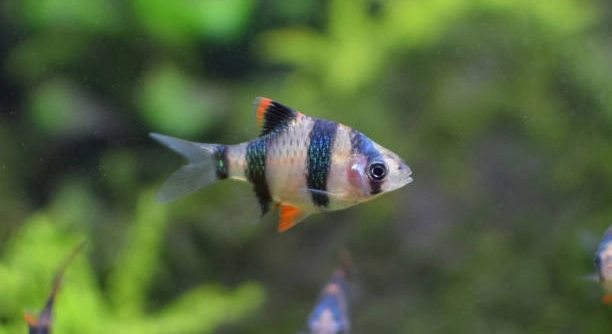
Tiger barbs are popular aquarium fish known for their vibrant colors and active behavior. Many hobbyists want to encourage successful breeding in their tanks. Feeding the right foods plays an important role in boosting reproduction for these fish.
Providing a diet rich in protein, vitamins, and essential nutrients can significantly improve tiger barb breeding success. Foods such as live brine shrimp, bloodworms, high-quality flakes, and pellets support healthy development of eggs and fry, promoting higher fertility and survival rates.
Knowing which foods help tiger barbs reproduce better can make a noticeable difference in your aquarium’s ecosystem. This guide will explain the best options for feeding your fish to encourage healthy breeding.
Live Brine Shrimp
Live brine shrimp are a top choice for boosting tiger barb reproduction. These tiny creatures are packed with protein and essential fatty acids that promote egg development and overall fish health. When tiger barbs consume live brine shrimp, their energy levels increase, encouraging more active mating behavior. Additionally, the live movement of brine shrimp stimulates the fish’s natural hunting instincts, keeping them engaged and healthy. Regular feeding of live brine shrimp can lead to stronger, more viable eggs and healthier fry once hatched. It’s important to offer these shrimp in moderation to maintain a balanced diet and prevent overfeeding. Many breeders notice a marked improvement in spawning frequency and fry survival when incorporating live brine shrimp into the diet.
Adding live brine shrimp to your tiger barbs’ meals can enhance their reproductive success by improving health and vitality.
Feeding live brine shrimp requires care to ensure they are clean and free from contaminants. Rinse them thoroughly before offering to your fish. Providing this food two to three times per week is ideal. Pairing brine shrimp with other nutrient-rich foods ensures your tiger barbs get a well-rounded diet that supports both breeding and general well-being.
Bloodworms
Bloodworms are another excellent food choice for encouraging tiger barb reproduction. These larvae are rich in protein and iron, which are important for egg production and fish vitality. Offering bloodworms stimulates the fish to breed more actively, thanks to their high nutritional value. Frozen or live bloodworms are commonly used, but live is preferred when possible because it encourages natural feeding behavior. Bloodworms also help improve coloration and energy levels in tiger barbs. However, feeding bloodworms too often can lead to digestive issues, so moderation is key.
Using bloodworms regularly but carefully can improve tiger barb breeding outcomes and fry health.
When feeding bloodworms, it is best to alternate with other foods like flakes or pellets to provide a balanced diet. Bloodworms are easy to digest, which helps tiger barbs maintain strong health during spawning periods. Including bloodworms twice a week is sufficient to see benefits without risking digestive problems. By combining bloodworms with live brine shrimp and quality dry foods, you create a diet that supports strong reproduction and healthy fry development. Monitoring fish behavior and health while adjusting feeding amounts will help ensure the best results.
High-Quality Flake Food
High-quality flake food is essential for maintaining the overall health of tiger barbs, which directly affects their breeding ability. It provides a balanced mix of nutrients, including vitamins and minerals needed for energy and egg development.
Using premium flakes as a staple diet ensures that tiger barbs get consistent nutrition. These flakes often contain enriched proteins and added vitamins to support immune function and vitality. Feeding flakes daily helps maintain fish health during non-breeding periods and supports stamina during spawning. Selecting flakes specifically formulated for tropical fish or omnivores ensures better nutrient absorption and fewer fillers. It’s a convenient and reliable food that complements live and frozen options to provide a well-rounded diet for your tiger barbs.
Regularly rotating between flake food and other protein-rich options keeps tiger barbs energetic and ready for reproduction. Consistency in feeding schedules also promotes better health and breeding results.
Pellet Food
Pellet food offers a nutrient-dense alternative that tiger barbs readily accept. Pellets tend to sink slowly, encouraging natural foraging behaviors and providing balanced nutrition with less waste.
Using pellets alongside flakes and live foods gives tiger barbs variety and prevents dietary deficiencies. High-quality pellets are often fortified with omega fatty acids, which support healthy egg production and fry growth. Feeding pellets two to three times a week helps maintain steady nutrient intake without overfeeding. Pellets also contribute to better water quality by producing less debris compared to flakes. Offering pellets in measured amounts keeps fish healthy and encourages consistent breeding patterns. Including pellets in the diet ensures tiger barbs have a dependable food source rich in essential nutrients needed for reproduction and vitality.
Vegetables and Plant Matter
Vegetables and plant matter provide essential fiber and nutrients that support digestion in tiger barbs. Including greens helps balance their diet and promotes overall health.
Leafy greens like spinach or lettuce can be blanched and offered occasionally. They add variety and help maintain digestive function.
Daphnia
Daphnia are small freshwater crustaceans rich in protein and vitamins, making them excellent for breeding tiger barbs. They encourage natural feeding behaviors and support egg development. Offering live or frozen daphnia two to three times per week can boost reproduction rates and improve fry survival.
Frozen Mysis Shrimp
Frozen mysis shrimp are a nutritious option packed with protein and essential fatty acids. They help stimulate tiger barb breeding by enhancing energy and vitality. Including mysis shrimp occasionally keeps the diet diverse and supports healthy fry growth.
FAQ
What is the best food to boost tiger barb reproduction?
The best foods for boosting tiger barb reproduction are those high in protein and essential nutrients. Live brine shrimp and bloodworms top the list because they provide energy and vital fatty acids needed for egg development. Supplementing with high-quality flakes and pellets ensures a balanced diet. Including occasional daphnia and frozen mysis shrimp can also help improve breeding success. Variety in the diet is important to supply all necessary vitamins and minerals that support fertility and fry growth.
How often should I feed live foods like brine shrimp or bloodworms?
Feeding live foods two to three times a week is generally ideal. This frequency provides enough nutrients without overfeeding, which can cause water quality issues and digestive problems. On non-live food days, offering flakes or pellets maintains consistent nutrition. Live foods stimulate natural hunting behavior, which keeps tiger barbs active and healthy, encouraging breeding activity. Always ensure live foods are clean and safe to avoid introducing diseases to your tank.
Can I rely only on flakes or pellets for breeding tiger barbs?
While flakes and pellets provide a good nutritional base, they usually lack some of the rich proteins and fatty acids live or frozen foods offer. Relying solely on flakes or pellets might lead to less successful breeding because these foods don’t fully stimulate reproductive readiness. A varied diet including live or frozen foods improves egg quality and fry survival. Using flakes and pellets as staples while supplementing with live or frozen options strikes the best balance.
Are vegetables important in a breeding diet for tiger barbs?
Vegetables are helpful but not the main driver for reproduction. They add fiber and vitamins that support overall health and digestion. Offering blanched spinach, lettuce, or peas occasionally helps prevent constipation and supports a healthy gut. A healthy digestive system indirectly supports breeding by keeping fish in good condition. However, focus on protein-rich foods as the primary diet component for breeding success.
How can I prevent overfeeding when trying to boost reproduction?
Overfeeding is a common issue that can harm water quality and fish health. Feed small portions that your tiger barbs can consume within two to three minutes, removing leftovers quickly. Stick to a feeding schedule—usually two to three times daily—and avoid feeding too much live food at once. Monitor fish behavior and tank cleanliness closely. Maintaining a clean tank and balanced feeding will encourage healthy breeding without risking water problems or fish obesity.
Is it necessary to condition tiger barbs before breeding?
Yes, conditioning with high-quality food is essential. Conditioning means feeding nutrient-rich foods like live brine shrimp and bloodworms regularly before breeding starts. This improves the health and readiness of the fish. Conditioned tiger barbs produce more eggs, have better fertility, and their fry tend to survive at higher rates. Conditioning usually lasts about two weeks and helps create the ideal internal environment for reproduction.
What signs show that tiger barbs are ready to breed?
Ready-to-breed tiger barbs display brighter colors and increased activity. Males become more vibrant and may chase females gently as part of courtship. Females may appear fuller in the belly when carrying eggs. Spawning behavior usually includes chasing and laying eggs on plants or tank surfaces. Proper diet and tank conditions improve the likelihood of observing these signs and successful spawning.
Can poor diet cause breeding failure in tiger barbs?
Yes, a poor diet lacking necessary proteins, vitamins, and fatty acids can reduce fertility and egg quality. Malnourished fish may not spawn at all or produce weak eggs and fry with low survival chances. Providing varied, nutrient-rich foods ensures reproductive organs develop correctly and supports overall vitality. Balanced nutrition is a critical factor in breeding success.
How important is water quality along with diet?
Water quality is just as important as diet for breeding tiger barbs. Clean, stable water reduces stress and supports healthy egg development. Even the best diet won’t guarantee breeding if water parameters are off. Regular water changes, proper filtration, and maintaining ideal temperature and pH levels create an environment where tiger barbs can thrive and reproduce effectively.
Can I use frozen foods instead of live foods for breeding?
Frozen foods like bloodworms and mysis shrimp are good alternatives to live foods. They retain most nutrients and are safer from parasites or contamination. Frozen foods can stimulate breeding similarly to live options when thawed and fed properly. Using frozen foods reduces the risk of introducing diseases, making them a convenient and effective choice for supporting reproduction.
When it comes to boosting tiger barb reproduction, feeding the right foods plays a crucial role. A diet rich in protein, vitamins, and essential nutrients supports healthy egg development and increases the chances of successful spawning. Including live foods such as brine shrimp and bloodworms can stimulate natural behaviors and provide important nutrients that flakes or pellets alone might miss. Offering a variety of foods, including frozen options like mysis shrimp and small amounts of vegetables, helps ensure that tiger barbs receive balanced nutrition. This balance supports both the parents and their fry, helping maintain a healthy and thriving aquarium.
Maintaining good feeding habits is just as important as the type of food given. Overfeeding or irregular feeding can lead to water quality problems, which may negatively affect breeding success. Feeding small portions two to three times a day and removing any uneaten food helps keep the tank clean and the fish healthy. Conditioning tiger barbs with high-quality, protein-rich foods before breeding can improve fertility and the overall health of the eggs and fry. Consistency in diet and tank maintenance creates a stable environment that encourages regular spawning and promotes strong offspring.
Breeding tiger barbs is a process that requires attention to both diet and tank conditions. Proper nutrition supports reproductive health, but it works best when combined with clean water, stable temperature, and good filtration. By feeding tiger barbs a varied and nutrient-rich diet and maintaining optimal tank conditions, hobbyists can increase their chances of successful breeding. Healthy, well-fed tiger barbs tend to be more active and colorful, which are good signs of readiness to spawn. Taking these steps can lead to a rewarding experience, seeing new generations of tiger barbs thrive in your aquarium.

Hello,
If you enjoy the content that we create, please consider saying a "Thank You!" by leaving a tip.
Every little bit helps us continue crafting quality advice that supports the health, happiness, and well-being of pets around the world, for pets of all shapes, sizes, and species.
We really appreciate the kindness and support that you show us!