
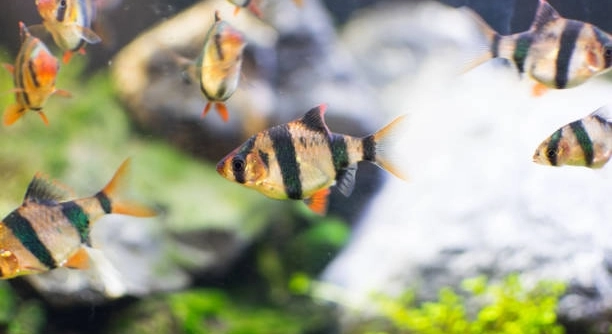
Many aquarium enthusiasts enjoy creating diverse tanks by combining different species. Tiger barbs and frogs are popular choices, but mixing them raises important questions. Understanding their compatibility is key to maintaining a healthy environment for both animals.
Tiger barbs and frogs generally do not coexist well in the same tank. Tiger barbs are active, sometimes aggressive fish that may nip at or stress amphibians. Frogs require calmer conditions, making shared tanks challenging without careful management and specific tank setups.
Proper knowledge of their behaviors and needs will help ensure both species thrive. This article explores the important considerations for anyone thinking about housing tiger barbs with frogs.
Understanding Tiger Barbs’ Behavior
Tiger barbs are lively and social fish known for their schooling behavior. They often swim in groups and display active movements around the tank. Their activity level means they can sometimes be aggressive toward other tank mates, especially those that move slowly or have soft bodies. Tiger barbs may nip at the fins of slower fish or amphibians, causing stress or injury. This behavior is more common when they are kept in small groups or under stressful conditions, such as overcrowding or poor water quality. Providing enough space and keeping tiger barbs in groups of six or more can reduce their aggressive tendencies. However, their natural curiosity and energetic swimming make them less suitable for peaceful species like many frogs, which prefer calm and stable environments. Understanding these behavioral traits is important when deciding if tiger barbs should share a tank with frogs.
Their active and sometimes aggressive nature means caution is necessary when housing tiger barbs with other species.
Frogs are slower and more vulnerable, making it difficult for them to coexist peacefully with tiger barbs. Careful tank setup and monitoring are essential to prevent harm.
Tank Setup Considerations for Mixed Species
When considering a tank with both tiger barbs and frogs, certain setup elements are crucial to support both species’ needs. Frogs typically require a calm, stable environment with plenty of hiding places and soft substrate to avoid injury. Tiger barbs prefer open swimming areas but also need spaces to retreat to reduce stress. The tank should be large enough to provide distinct zones so each species can avoid conflict when necessary. Plants, rocks, and decorations help create hiding spots for frogs, offering them protection from the more active fish. Maintaining excellent water quality is essential because frogs are sensitive to poor conditions. Temperatures must be within a range suitable for both species, usually between 74°F and 78°F. Additionally, feeding habits differ, so separate feeding areas or careful monitoring during feeding times will help ensure all animals receive proper nutrition without competition.
Careful tank design can reduce conflicts and improve coexistence chances, but close observation is always necessary.
Balancing space, hiding spots, and water conditions will help both tiger barbs and frogs live healthier lives together, though risks remain.
Potential Risks of Housing Tiger Barbs With Frogs
Tiger barbs’ nipping behavior can injure frogs, whose skin is delicate and easily damaged. Stress from constant harassment can weaken frogs’ immune systems, making them vulnerable to illness.
Frogs have sensitive, permeable skin that absorbs chemicals and toxins quickly. Aggressive nipping or chasing by tiger barbs may cause wounds or infections. Even minor injuries can lead to serious health problems. Additionally, stressed frogs may stop eating or become lethargic, reducing their overall well-being. Tank stress also increases the risk of bacterial or fungal infections, which are difficult to treat in amphibians. Monitoring interactions closely is essential to prevent harm and ensure both species remain healthy.
Tiger barbs’ active nature also means they may disrupt the calm environment frogs need. Frogs often prefer resting on the bottom or hiding, and constant activity around them can cause stress. This makes cohabitation risky unless precautions are taken to protect the frogs.
Feeding Differences and Care Requirements
Tiger barbs are omnivores and generally feed on small pellets, flakes, or live foods like worms and insects. Frogs typically prefer live or frozen foods such as bloodworms, crickets, or small insects. Feeding both species in the same tank can be tricky because tiger barbs may outcompete frogs for food. Frogs need slow, steady feeding without competition to avoid nutritional deficiencies.
Frogs also require specific water parameters and cleanliness to avoid skin infections, while tiger barbs tolerate a wider range of conditions. This means water quality must be maintained at a higher standard to meet frogs’ needs. Care routines may involve separate feeding times or targeted feeding methods to ensure both species get adequate nutrition. Understanding these feeding and care differences is key for anyone considering a mixed tank. Careful planning and observation will reduce stress and promote healthier living conditions for both tiger barbs and frogs.
Suitable Frog Species for Community Tanks
Some frog species are hardier and better suited for community tanks than others. African dwarf frogs are more tolerant of active tank mates like tiger barbs. They are fully aquatic and move quickly enough to avoid most aggression.
Other frog species, such as larger or more delicate types, are less likely to thrive with tiger barbs. Choosing the right species can improve the chances of peaceful coexistence and reduce stress for both animals.
Signs of Stress in Frogs
Frogs showing signs of stress may become lethargic, stop eating, or hide excessively. Skin discoloration or damage can also indicate poor tank conditions or harassment. Early detection of these signs is crucial to prevent serious health issues and maintain a balanced tank environment.
Preventing Conflicts in a Mixed Tank
Providing plenty of hiding places and visual barriers reduces interactions that may lead to aggression. Keeping tiger barbs in larger groups helps lessen their nipping behavior. Regular monitoring of tank dynamics is essential to intervene if problems arise.
Final Thoughts on Compatibility
Choosing compatible species and managing their environment carefully can make a difference. Not all frogs and tiger barbs will thrive together, but some setups are more successful than others.
FAQ
Can tiger barbs and frogs live together peacefully?
Tiger barbs and frogs can live together, but it requires careful planning. Tiger barbs are active and may nip at frogs, which have delicate skin. Providing plenty of hiding spaces and a large tank can reduce stress and aggression. However, even with precautions, the risk of injury or stress to frogs remains high.
What frog species are best for tanks with tiger barbs?
African dwarf frogs are usually the best choice for tanks with tiger barbs. They are fully aquatic, fast-moving, and more tolerant of active tank mates. Other frogs like fire-bellied toads or larger, slow-moving species generally do not do well with tiger barbs due to increased stress and potential aggression.
How many tiger barbs should be kept together?
It is recommended to keep at least six tiger barbs in a group. Tiger barbs display less aggressive behavior when kept in larger groups, as their energy is focused on interacting within their school. Smaller groups can increase their nipping tendencies, which can harm tank mates, especially frogs.
How can I protect frogs in a community tank?
To protect frogs, create hiding spots with plants, caves, and decorations. Use soft substrate to prevent injury, and ensure the water quality is excellent. Feeding frogs separately or in areas where tiger barbs don’t easily reach helps reduce competition and stress. Regular tank observation is essential to spot any signs of injury or stress early.
What are common signs of stress in frogs sharing a tank with tiger barbs?
Frogs may stop eating, become lethargic, or hide more than usual when stressed. Skin damage or discoloration can also appear if they are being nipped or harassed. Stress can weaken their immune system, making them prone to infections or illness, so quick action is necessary if these signs are noticed.
Do tiger barbs require special water conditions that might affect frogs?
Tiger barbs are relatively hardy and tolerate a wider range of water parameters than frogs. Frogs often need cleaner water with stable parameters and specific pH and temperature ranges. Maintaining higher water quality is essential when frogs are present, which means more frequent water changes and careful monitoring.
Is tank size important when housing tiger barbs and frogs together?
Tank size is very important. A larger tank provides space for tiger barbs to swim actively without constantly disturbing frogs. It also allows the creation of separate zones with hiding places and resting spots for frogs. Small tanks increase stress and aggression, making coexistence more difficult.
What should I feed frogs and tiger barbs in a mixed tank?
Tiger barbs eat flakes, pellets, and live or frozen foods like bloodworms and brine shrimp. Frogs prefer live or frozen foods such as bloodworms, crickets, or small insects. Feeding separately or ensuring food is placed where frogs can easily access it reduces competition and ensures proper nutrition for both.
Can injuries from tiger barbs be treated in frogs?
Minor injuries can sometimes be treated by isolating the frog and providing clean, optimal water conditions. More serious wounds may require veterinary care. Preventing injuries through proper tank setup and monitoring is the best approach, as frogs are sensitive and healing can be slow.
Are there better tank mates for tiger barbs than frogs?
Tiger barbs do better with other active, similarly sized fish that can handle their nipping behavior, such as danios or other barbs. Peaceful or slow-moving species like frogs often suffer in mixed tanks with tiger barbs, so careful species selection is important for a harmonious aquarium.
How often should I monitor a tank with both species?
Daily observation is recommended to catch early signs of stress or aggression. Look for changes in behavior, feeding habits, and physical condition. Frequent monitoring helps identify problems quickly and allows for timely adjustments, such as rearranging decorations or separating animals if needed.
Can tank decorations reduce conflict between tiger barbs and frogs?
Yes, decorations that create visual barriers and hiding spots help reduce direct contact. Plants, rocks, and caves provide refuge for frogs and break up the tank into zones. This setup reduces stress by allowing frogs to avoid constant chasing or nipping from tiger barbs.
Is it necessary to quarantine frogs before adding them to a tank with tiger barbs?
Quarantine is always a good practice to prevent introducing diseases. Frogs are sensitive and can carry infections that may spread to fish. A quarantine period allows for observation and treatment if needed, ensuring both species remain healthy when combined in the main tank.
What temperature is best for a mixed tiger barb and frog tank?
A temperature between 74°F and 78°F suits both tiger barbs and most common aquatic frogs. Maintaining stable temperature is crucial because fluctuations can stress amphibians and fish alike. Using a reliable heater and thermometer helps keep conditions consistent.
What is the biggest challenge of keeping tiger barbs with frogs?
The main challenge is balancing the tiger barbs’ active and sometimes aggressive nature with the frogs’ need for calm, stress-free environments. Providing enough space, hiding spots, and careful feeding routines can help, but close attention is necessary to ensure both species remain healthy and safe.
Keeping tiger barbs and frogs together in the same tank can be a challenging task. These two species have very different behaviors and needs. Tiger barbs are active, fast-moving fish that sometimes nip at other tank mates, while frogs tend to be slower and more delicate. Because of these differences, combining them requires careful planning and attention. It is important to provide enough space, hiding spots, and good water quality to help reduce stress and prevent injuries. Without these measures, frogs may become stressed or harmed by the more aggressive behavior of tiger barbs.
A large tank with plenty of plants, decorations, and hiding places can help create separate zones where frogs can rest safely. Keeping tiger barbs in groups of six or more may also reduce their nipping behavior, as they focus more on each other. Feeding both species properly is another key factor. Frogs often need live or frozen foods, while tiger barbs eat flakes and pellets. Feeding in different areas or at different times can prevent competition and ensure each animal gets enough nutrition. Maintaining stable water parameters and performing regular cleaning will support the health of both frogs and tiger barbs, as frogs are sensitive to poor water conditions.
Despite these precautions, it is important to understand that not all frogs and tiger barbs will thrive together. Some frog species are more suited for community tanks, while others may struggle with the stress caused by active fish like tiger barbs. Observing their behavior closely and being prepared to separate them if problems arise is crucial. Overall, mixing tiger barbs and frogs can work under the right conditions, but it requires dedication and careful management to ensure both species remain healthy and comfortable.

Hello,
If you enjoy the content that we create, please consider saying a "Thank You!" by leaving a tip.
Every little bit helps us continue crafting quality advice that supports the health, happiness, and well-being of pets around the world, for pets of all shapes, sizes, and species.
We really appreciate the kindness and support that you show us!