
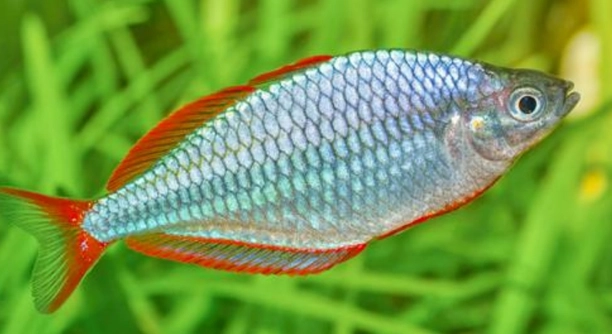
Rainbow fish are a popular aquarium choice, but their personalities can vary widely. Understanding the different traits among them can enhance your experience as a pet owner. These differences might be more noticeable than you think.
Rainbow fish exhibit distinct personalities, influenced by factors such as species, age, and environment. Some may be more active and social, while others show a more solitary or territorial behavior. These differences can impact their interactions with both tank mates and owners.
Each rainbow fish brings something unique to your aquarium. Knowing their personality traits can make it easier to provide the best care for them.
Differences in Social Behavior
Rainbow fish display a range of social behaviors, from highly interactive to more reserved. Some species are naturally more active, engaging in constant movement, while others prefer to keep to themselves. Fish that are more social tend to swim in groups and often seek interaction with other fish in the tank. These social species are ideal for community tanks, where their active nature fits well with other peaceful fish.
More solitary rainbow fish may show territorial tendencies, claiming space in the aquarium as their own. This behavior can sometimes lead to disputes with tank mates, especially if there isn’t enough room for everyone. While these fish may appear calm, they have their own preferences for space and boundaries.
Understanding each species’ social nature helps you plan the best setup for your aquarium. If you choose more active types, you’ll want to create an environment that encourages group swimming. This will help maintain harmony in the tank.
How Their Activity Levels Vary
Different rainbow fish species show varying activity levels. Some are constantly swimming and exploring the tank, while others prefer resting near plants or the tank bottom. Understanding their behavior can help you predict how they’ll interact with tankmates and environment.
More energetic species thrive in tanks with plenty of space and hiding spots. These fish are often happier when they have room to move freely and interact with other fish. Meanwhile, those that are less active may enjoy a quieter environment with more plants and decorations. A balanced tank setup can accommodate both types, helping each fish feel comfortable and happy.
By observing their activity patterns, you can adjust your tank setup accordingly. With the right environment, your rainbow fish will be able to express their natural behavior, creating a peaceful and enjoyable tank.
Territorial Tendencies
Some rainbow fish can be quite territorial, especially when they feel their space is being invaded. This behavior can vary depending on species, with some being more aggressive in protecting their environment. They might chase off other fish, especially during breeding times or if the tank feels crowded.
This territoriality can cause stress for other fish, especially if there aren’t enough hiding spots or space to share. To prevent this, you can add more plants and decorations, which will help reduce tension and give each fish a space to call their own.
Additionally, keeping rainbow fish in a larger group can sometimes reduce aggressive behavior. The presence of multiple fish can create a more natural dynamic and reduce the likelihood of one fish claiming an entire area.
Feeding Habits
Rainbow fish typically have varied feeding habits, but most enjoy a balanced diet consisting of flakes, pellets, and live or frozen food. Their appetite is often linked to their activity levels, with more active fish requiring more frequent feedings.
When feeding, it’s important to offer a mix of high-quality food to meet their nutritional needs. Overfeeding can lead to water quality issues, so it’s essential to monitor how much food is provided. Offering food at different times of the day helps replicate their natural feeding habits and can prevent some fish from becoming too dominant at feeding time.
In community tanks, it’s also wise to observe how different rainbow fish interact during feeding. More aggressive species may try to take food from others, so having multiple feeding spots can ensure that all fish get their share.
Color Variation and Personality
The color of rainbow fish can sometimes indicate their personality traits. Brighter colors may suggest a more active and dominant fish, while those with duller tones may be more passive. This visual cue can help you assess the energy levels and behavior of your fish.
Color changes can also happen with environmental factors. Stress, temperature, and diet can all impact the vibrancy of your fish. By observing these shifts, you can get a sense of their emotional state and adjust their environment accordingly to maintain their well-being.
Breeding Behavior
During breeding, rainbow fish can display significant changes in behavior. Males often become more active and display vibrant colors to attract females. The tank might experience more aggressive territorial behavior as males try to claim the best breeding spots.
To avoid conflict, ensure there is enough space for the males to compete without escalating aggression. Providing hiding spots for females is also essential. Breeding pairs often require calm and separate spaces to successfully reproduce, so creating a peaceful environment is key to successful breeding.
Aggression Levels
Rainbow fish can show varying levels of aggression depending on species. Some are naturally more aggressive, while others are peaceful and enjoy being in a community. Understanding the aggression level of each type helps avoid conflict in a shared tank.
FAQ
What are the most common rainbow fish species?
Some of the most common rainbow fish species include the Boesemani, the Neon, the Red Rainbow, and the Praecox Rainbow. Each species has its own unique personality traits and color variations, making them popular choices for home aquariums. The Boesemani is known for its vibrant blue and orange colors, while the Neon Rainbow fish is appreciated for its calm nature and striking iridescence.
How can I tell if my rainbow fish is stressed?
Stressed rainbow fish may exhibit changes in color, becoming dull or losing their vibrancy. They might also display erratic swimming patterns or hide more frequently. Stress can be caused by several factors such as overcrowding, poor water quality, or incompatible tank mates. Keeping an eye on their behavior can help identify stress early and allow you to take action.
Can rainbow fish live with other species?
Yes, rainbow fish are generally peaceful and can live with other non-aggressive species. However, some species of rainbow fish may be territorial, especially during breeding. It’s important to choose tank mates carefully to avoid conflict. Opt for fish that share similar water temperature and pH requirements, and ensure there’s enough space for all fish to feel comfortable.
How often should I feed rainbow fish?
Rainbow fish typically require feeding once or twice a day. It’s essential to provide a balanced diet that includes high-quality flakes, pellets, and occasional live or frozen food. Overfeeding can lead to water quality issues, so be mindful of how much you’re giving. Remove uneaten food promptly to keep the water clean.
Do rainbow fish require special water conditions?
Rainbow fish thrive in slightly acidic to neutral water, with a pH of around 6.5 to 7.5. The water temperature should be maintained between 72°F and 82°F (22°C to 28°C). They also prefer soft to moderately hard water. Regular water changes and proper filtration are essential to keep the environment healthy for your fish.
How can I create a natural environment for my rainbow fish?
To create a natural environment, include live plants, rocks, and driftwood in your aquarium. Rainbow fish enjoy having plenty of swimming space, so avoid overcrowding the tank. Make sure the plants provide hiding spots but don’t obstruct swimming areas. Adding a gentle filter will mimic their natural habitat, providing the clean water they need to thrive.
What are the signs that my rainbow fish is ready to breed?
When ready to breed, males often become more vibrant and actively display their colors. They may chase the females and try to establish dominance over a territory. Females may also appear rounder due to egg development. To encourage breeding, offer a slightly warmer water temperature and provide ample hiding spots for the female to lay her eggs.
Can rainbow fish breed in a community tank?
Rainbow fish can breed in a community tank, but certain precautions should be taken. Males may become more territorial during breeding, so it’s crucial to ensure plenty of space for each fish. Providing additional plants or breeding boxes can help separate the males and females, reducing stress and allowing successful breeding.
How do I care for juvenile rainbow fish?
Juvenile rainbow fish require a bit more care than adults. They need smaller, finely crushed food, and their tank should be kept at a steady temperature and low light levels to reduce stress. Be sure to provide plenty of hiding spots to protect them from more aggressive tank mates. As they grow, gradually introduce them to larger foods.
What is the best tank size for rainbow fish?
The ideal tank size depends on the species, but most rainbow fish require at least a 30-gallon tank. Larger tanks are always better, especially if you plan to keep multiple fish. A bigger tank gives them more space to swim, reducing the risk of territorial behavior and ensuring better overall health.
Why are my rainbow fish not eating?
If your rainbow fish aren’t eating, there may be an issue with water quality, stress, or food preference. Check for changes in water parameters such as temperature, pH, and ammonia levels. If the water is fine, try offering different types of food. Sometimes, offering live or frozen food can encourage eating. If problems persist, a visit to an aquarium professional might be necessary.
How long do rainbow fish live?
Rainbow fish typically live between 3 to 5 years, although some species can live longer with proper care. Ensuring a healthy environment with regular water changes, balanced nutrition, and appropriate tank mates can help them reach their maximum lifespan. Pay attention to their behavior and health to extend their life as much as possible.
What should I do if my rainbow fish are fighting?
If you notice fighting between your rainbow fish, it’s likely due to territorial behavior or stress. To reduce aggression, consider adding more hiding spots or rearranging the tank. If the fighting is persistent, separating the aggressive fish into different tanks may be necessary to avoid harm.
Final Thoughts
Rainbow fish are fascinating creatures with a wide range of personalities, making them a great choice for both beginner and experienced aquarium owners. Their vibrant colors and peaceful nature can bring life to any tank. However, it’s important to recognize that their behavior can vary depending on the species. Some rainbow fish are more territorial, while others thrive in community tanks without issue. Understanding these differences is key to creating a peaceful and balanced aquarium environment for all the fish involved.
Caring for rainbow fish requires attention to detail, such as maintaining proper water conditions, feeding them a balanced diet, and providing enough space for them to swim comfortably. Regular water changes are essential to prevent toxins from building up, and keeping an eye on their behavior will help you identify any signs of stress or illness early. Providing the right tank mates can also make a big difference, as some rainbow fish can become aggressive toward others, especially during breeding.
Ultimately, with the right care and environment, rainbow fish can thrive and live for several years, adding beauty and interest to your aquarium. Taking time to understand their specific needs and behaviors will ensure that both you and your fish enjoy a happy and healthy experience.

Hello,
If you enjoy the content that we create, please consider saying a "Thank You!" by leaving a tip.
Every little bit helps us continue crafting quality advice that supports the health, happiness, and well-being of pets around the world, for pets of all shapes, sizes, and species.
We really appreciate the kindness and support that you show us!