
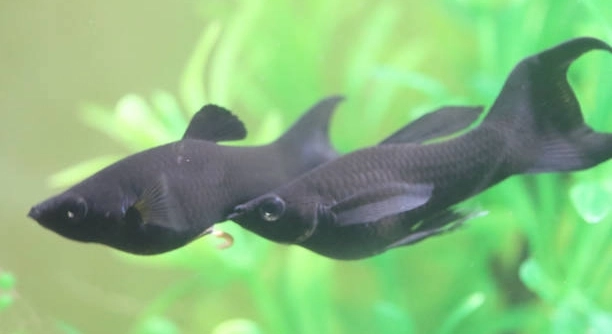
Black Molly fry are delicate and require specific foods to thrive. Their tiny size makes it important to provide easily digestible and nutritious options that support growth. Feeding the right foods ensures healthy development and strong fry survival.
Black Molly fry readily accept finely crushed flake food, powdered fry food, baby brine shrimp, micro worms, daphnia, finely chopped vegetables like cucumber, and specially formulated liquid fry diets. These options provide balanced nutrition and support optimal growth in early stages.
Providing the right diet early on ensures your fry grow strong and healthy, laying the foundation for vibrant adult fish. Proper nutrition is key to their long-term wellbeing and development.
Understanding Black Molly Fry Feeding Needs
Feeding Black Molly fry can feel tricky at first, but understanding their basic nutritional requirements makes it simpler. Fry are tiny and have small mouths, so foods must be finely divided or in powdered form. Protein is essential for early growth, while vitamins and minerals support development and immunity. Overfeeding can lead to water quality issues, so careful portioning is important. Observing how the fry eat helps determine if the food is suitable. Rotating between live, frozen, and dry foods ensures variety and balanced nutrition. Timing also matters; feeding small amounts several times a day is more effective than one large feeding. Consistency encourages healthy eating habits and reduces stress. Keeping the tank clean after feedings prevents leftover food from affecting water quality. Temperature and water conditions also influence digestion. Monitoring growth and behavior will guide adjustments in the diet, ensuring fry thrive without unnecessary waste.
Providing the right mix of foods ensures fry grow evenly and stay active throughout the day.
Maintaining water quality is as important as choosing food. Uneaten particles can quickly pollute the tank, affecting fry health. Using a fine mesh net or gentle siphon to remove leftovers keeps the environment safe. Live foods like baby brine shrimp or micro worms are excellent for stimulating natural feeding behavior, while powdered foods provide necessary nutrients consistently. Slowly introducing chopped vegetables adds fiber and helps fry develop stronger digestive systems. Observing which foods fry prefer allows small adjustments to the diet for better results. Over time, fry become accustomed to a routine, which makes growth predictable and steady. Maintaining a clean, well-oxygenated tank is crucial; even the best foods cannot compensate for poor water conditions. Proper lighting, aeration, and consistent temperature further enhance digestion and overall health. By combining these practices, fry reach juvenile stages faster and remain active, healthy, and resilient.
Essential Live and Frozen Foods
Live foods provide high protein and natural movement that encourage feeding behavior. Baby brine shrimp, micro worms, and daphnia are easily accepted by fry.
Frozen foods, like finely crushed frozen brine shrimp or daphnia, supplement live foods effectively. They retain nutrients and are convenient to store. Feeding a combination ensures fry receive a complete diet. Some fry prefer live foods for stimulation, while frozen options are easier to portion and reduce tank contamination. Alternating types prevents boredom and supports varied nutritional intake. Ensuring the foods are appropriately sized avoids choking or waste. Gradually introducing frozen options alongside live foods helps fry adapt smoothly, ensuring they receive consistent protein and essential nutrients for rapid, healthy growth. Observing their feeding response helps fine-tune portions and timing for maximum benefit.
Flake and Powdered Foods
Flake and powdered foods are easy for Black Molly fry to consume. They provide essential nutrients in small, digestible forms, making them a reliable staple for early growth and overall health.
Finely crushed flake foods dissolve quickly in water, allowing fry to feed without struggling. Powdered fry foods are designed specifically for tiny mouths and high nutrient absorption. Combining flakes and powders ensures a balanced diet while preventing selective feeding. Feeding small amounts multiple times a day helps fry digest properly and reduces the risk of water contamination. Observing fry during feedings allows adjustments in portion size and frequency to optimize growth.
Powdered foods can be mixed with a small amount of water to create a slurry, making it easier for fry to consume. This method prevents large chunks from sinking too quickly or being wasted. Alternating between flake and powdered options keeps fry engaged and ensures they receive a mix of proteins, vitamins, and minerals essential for healthy development. Proper storage of powdered foods also preserves freshness and nutrient content.
Chopped Vegetables
Finely chopped vegetables like cucumber or spinach add fiber and micronutrients to the fry diet. They support digestion and contribute to overall growth.
Introducing vegetables slowly prevents digestive upset and allows fry to adapt to new textures. Chop the pieces very small, almost paste-like, so they can be consumed easily. Vegetables can be lightly blanched to soften them without losing nutrients. Offering vegetables two to three times a week ensures variety without overwhelming the fry. Combined with protein-rich foods, vegetables provide a balanced nutritional profile. Monitoring how fry respond helps determine which types are most effective for their growth and health.
Vegetables also help maintain water quality when offered in moderation. Removing uneaten pieces promptly prevents decay that can harm fry. Rotating different vegetables ensures a wider range of vitamins and minerals. Pairing vegetable feedings with small amounts of live or powdered foods creates a comprehensive diet. Over time, fry become accustomed to both plant and protein-based foods, improving overall resilience and digestive efficiency. This approach supports steady growth and prepares fry for juvenile stages with strong nutritional foundations.
Baby Brine Shrimp
Baby brine shrimp are high in protein and easily digestible for Black Molly fry. They stimulate natural hunting instincts and encourage active feeding behavior in tiny fry.
Feeding live baby brine shrimp ensures fry receive essential amino acids for rapid growth. They move naturally, attracting fry attention and promoting consistent eating habits.
Daphnia
Daphnia provide protein and micronutrients while helping maintain clean water. They are accepted readily by fry and promote healthy growth patterns. Their movement encourages active feeding, and they can be offered alongside other live or frozen foods for a balanced diet.
Micro Worms
Micro worms are tiny, slow-moving, and easy for fry to consume. They provide protein and help fry develop strong feeding habits early on.
FAQ
What is the best food to start feeding Black Molly fry?
The best foods to start with are finely crushed flake foods, powdered fry food, and baby brine shrimp. These are small enough for fry to eat easily and provide the essential nutrients required for early growth. Feeding small portions multiple times a day is ideal.
Can I feed only live foods to Black Molly fry?
Live foods like micro worms, baby brine shrimp, and daphnia are excellent sources of protein and stimulate natural feeding behavior. However, relying solely on live foods may not provide a complete nutritional profile. Combining live, powdered, and finely chopped flake foods ensures balanced growth.
How often should I feed Black Molly fry?
Feeding small amounts three to four times daily works best. Fry have tiny stomachs and digest food quickly. Overfeeding at once can foul the water and harm their health. Observing how much they consume in a few minutes helps adjust portion sizes.
Can Black Molly fry eat vegetables?
Yes, finely chopped or blanched vegetables like cucumber or spinach are suitable. They provide fiber and micronutrients to aid digestion. Vegetables should be offered in moderation, two to three times a week, alongside protein-rich foods to maintain balanced nutrition.
Are frozen foods effective for fry?
Frozen foods, such as crushed frozen brine shrimp or daphnia, retain nutrients and are convenient. They supplement live foods and are easier to portion. Gradually introducing frozen foods helps fry adapt without disrupting feeding routines or tank conditions.
What size should food particles be for fry?
Food must be tiny, almost powder-like, to fit fry mouths. Even slightly larger pieces can be difficult to consume, leading to wasted food and poor growth. Crushing flakes or blending frozen foods ensures proper size for efficient feeding.
Is it okay if fry don’t eat all food at once?
Yes, fry may eat slowly or leave some food behind. Remove leftovers promptly to prevent water quality issues. Uneaten food can decay, causing ammonia spikes, which are harmful to delicate fry. Small, frequent feedings reduce waste and maintain a cleaner tank.
How do I know if fry are growing properly?
Healthy fry are active, swim freely, and show steady growth. Their color may darken slightly as they develop. If fry appear sluggish or show stunted growth, check water quality, adjust feeding portions, and ensure they receive balanced nutrition from varied foods.
Can I mix different types of foods in one feeding?
Yes, mixing powdered foods, live baby brine shrimp, and finely chopped vegetables provides a balanced meal. It ensures fry get both protein and fiber, and prevents selective eating. Observing their preferences helps refine feeding combinations for better results.
Should I change feeding routines as fry grow?
Yes, as fry develop, gradually increase portion sizes and introduce larger food particles. Juvenile fish can handle finely chopped flakes and small pellets. Adjusting the diet according to growth stages supports continued healthy development and prevents nutritional deficiencies.
How important is water quality when feeding fry?
Water quality is critical. Excess food can decompose quickly, raising ammonia and nitrite levels. Frequent small feedings, proper filtration, and prompt removal of leftovers ensure a clean environment. Clean water enhances digestion, supports immunity, and helps fry thrive.
Are liquid fry foods necessary?
Liquid fry foods are optional but useful. They provide concentrated nutrients and are easy for tiny fry to ingest. They can be combined with powdered foods or live feed to ensure fry receive consistent nutrition during the earliest growth stages.
How long should I feed fry these foods?
Continue feeding these specialized foods until fry reach juvenile size, usually around 4–6 weeks. At that point, they can start eating finely chopped flakes and other standard foods suitable for adult Black Mollies. Transition gradually to avoid digestive issues.
What is the best way to store fry foods?
Powdered and frozen foods should be stored in airtight containers and kept cool to preserve freshness and nutrient content. Live foods should be cultured or purchased fresh regularly. Proper storage ensures maximum nutritional value and prevents contamination.
Can overfeeding harm Black Molly fry?
Yes, overfeeding can lead to poor water quality, stunted growth, and increased mortality. Fry have small stomachs, so offering frequent, tiny portions is safer and more effective for healthy development. Monitoring their intake helps prevent overfeeding.
Are there foods fry might refuse?
Fry may refuse foods that are too large, dry, or unfamiliar. Introducing new foods gradually and ensuring proper size increases acceptance. Some fry are more inclined to eat live foods due to movement, but most adapt to powdered or flake options with time.
Do fry need supplements?
Generally, a varied diet of live, powdered, and vegetable foods provides sufficient nutrients. Supplements are rarely necessary if the diet is balanced. Occasional liquid vitamins can be added if deficiencies are observed, but they are not a primary requirement.
Can I feed adult fish food to fry?
Adult flake or pellet foods are usually too large for fry. Crushing flakes or creating a slurry from adult foods can work temporarily, but specialized fry food is more appropriate for proper growth and nutrient absorption.
What signs indicate nutritional deficiencies in fry?
Slow growth, pale color, lethargy, and deformities may indicate deficiencies. Ensuring a balanced diet with proteins, vitamins, and minerals prevents these issues. Adjusting feeding routines and diversifying food types can correct early-stage deficiencies.
Is it necessary to separate fry from adult fish during feeding?
Yes, adult Black Mollies may outcompete fry for food. Separating fry or using a breeding box ensures they receive adequate nutrition and reduces stress, promoting better survival rates and steady growth.
Can I prepare live foods at home?
Yes, cultures of micro worms, baby brine shrimp, or daphnia can be maintained at home. They are cost-effective, provide fresh nutrition, and allow precise control over portion sizes. Proper maintenance ensures a continuous supply for fry feedings.
How long should each feeding session last?
Fry should be allowed a few minutes per feeding session. Most food should be consumed within 5 minutes. Remove leftovers promptly to prevent water contamination, which can affect health and growth.
Are there any foods to avoid for fry?
Avoid large pellets, whole flakes, or foods with additives and preservatives that are hard to digest. These can cause choking, poor growth, or water contamination. Stick to small, natural, and easily digestible foods for optimal health.
Can I use a combination of live and frozen foods in one day?
Yes, alternating live and frozen foods ensures variety and consistent nutrition. Live foods stimulate natural feeding, while frozen options are convenient and nutrient-rich. Feeding both types supports balanced growth and reduces selective eating habits.
How do I transition fry to juvenile foods?
Gradually introduce finely chopped flakes and small pellets as fry grow. Start with tiny amounts mixed with their regular diet, slowly increasing portion sizes. This prevents digestive upset and ensures fry adapt to new textures and nutritional profiles effectively.
Is it necessary to monitor fry behavior during feedings?
Yes, monitoring behavior indicates health and feeding efficiency. Active, responsive fry are receiving adequate nutrition. Lethargy, slow response, or refusal to eat may signal dietary issues, water quality problems, or stress that needs attention.
Can I feed multiple types of fry at the same time?
Yes, combining powdered, flake, live, and vegetable foods ensures a balanced diet. Monitor consumption to adjust proportions and prevent waste. Offering variety supports optimal growth, improves feeding response, and develops strong digestive systems.
Do temperature and tank conditions affect feeding?
Yes, temperature influences metabolism and appetite. Maintain stable conditions appropriate for Black Mollies to ensure fry digest food efficiently. Proper aeration and water quality further support feeding and overall health.
How long does it take for fry to accept all types of food?
Most fry adapt within the first two weeks. Gradual introduction, proper particle size, and consistent feeding schedules encourage acceptance of powdered, flake, vegetable, and live foods for balanced growth.
Can I feed fry in a community tank?
Feeding fry in a community tank can be challenging due to competition from adults. Use breeding boxes or separate areas to ensure fry receive sufficient nutrition without stress or being outcompeted.
Are there specific foods to improve fry coloration?
Carotenoid-rich foods like finely chopped vegetables, daphnia, and certain powdered diets enhance coloration. Providing these foods alongside a balanced diet promotes healthy pigmentation as fry grow into juveniles.
How important is variety in a fry diet?
Variety ensures fry receive all essential nutrients, encourages natural feeding behavior, and reduces selective eating. Alternating live, frozen, powdered, and vegetable foods supports steady growth, strong immunity, and better adaptation to juvenile diets.
What is the best way to introduce new foods?
Introduce new foods gradually by mixing them with familiar options. Observe consumption and remove uneaten portions promptly. This method prevents stress, encourages acceptance, and maintains water quality while ensuring fry receive balanced nutrition.
Can overfeeding live foods cause problems?
Yes, excess live foods can foul the water quickly, leading to ammonia spikes. Feed only what fry can consume within a few minutes. Regular cleaning and careful portioning prevent health issues and maintain a stable environment.
How do I know when fry are ready for adult foods?
Fry are ready when they reach juvenile size, usually around 4–6 weeks. They can handle finely chopped flakes and small pellets. Transition gradually to avoid digestive problems and ensure continued steady growth.
Is it necessary to separate uneaten foods after each feeding?
Yes, removing uneaten foods prevents water contamination and maintains healthy conditions. Even small amounts left behind can quickly decompose, affecting ammonia and nitrite levels, which are harmful to delicate fry.
Can powdered foods be stored for long periods?
Powdered foods should be stored in airtight containers, away from heat and moisture. Proper storage preserves nutrient content and freshness, ensuring fry receive consistent, high-quality nutrition with every feeding.
Are there alternatives to baby brine shrimp?
Yes, micro worms, daphnia, and certain commercial liquid fry foods can substitute baby brine shrimp. They provide similar protein content and are accepted readily by fry, supporting growth and development.
Can I feed fry less frequently if I provide more food at once?
No, fry digest food quickly, so small, frequent feedings are better than large, infrequent ones. Overfeeding in one session can harm water quality and lead to poor growth. Frequent portions support healthy digestion and steady development.
How do I ensure fry receive enough food in a tank with multiple fry?
Feed small amounts in different areas of the tank to allow all fry access. Observe feeding behavior and adjust portions if some fry appear slower or less active, ensuring even growth and reducing competition stress.
Are liquid fry foods suitable for all stages of fry development?
Liquid fry foods are most useful during the earliest stages. They provide concentrated nutrients for tiny fry but should be gradually replaced with powdered, flake, and live foods as fry grow into juveniles.
Can I feed fry the same food every day?
While fry may accept the same food daily, variety is essential for balanced nutrition. Alternating live, frozen, powdered, and vegetable foods prevents deficiencies, supports steady growth, and encourages natural feeding behavior.
Do Black Molly fry need vitamins?
A varied diet generally provides sufficient vitamins. Supplements are optional and only necessary if deficiencies are observed. Balanced feedings of protein, fiber, and micronutrients usually meet all dietary needs.
What is the best feeding schedule for busy schedules?
Feed small portions three to four times a day. Pre-measured servings or using timers for automatic feeders can help maintain consistency. Consistent schedules support growth and prevent overfeeding or water contamination.
Can fry refuse food temporarily?
Yes, fry may occasionally refuse food due to stress, water conditions, or new foods. Monitor their behavior and ensure water quality is optimal. Resume feeding once they are active and responsive.
Is it safe to use commercial fry diets?
Yes, high-quality commercial fry diets are formulated for small mouths and provide balanced nutrition. They can be used alone or in combination with live and vegetable foods for optimal growth.
How do I know if a food is suitable for fry?
A suitable food is small, easily digestible, and accepted readily by fry. Observe feeding response and adjust particle size or type if fry struggle or leave food uneaten.
Are homemade food mixes effective for fry?
Yes, homemade mixes of powdered flake foods, liquid supplements, and finely chopped vegetables can be effective if properly balanced. Ensuring appropriate particle size and nutrient content is key to success.
Can I feed adult Black Molly food to very young fry?
Not directly. Crush adult flakes or create a slurry to reduce particle size. Specialized fry foods are more suitable for consistent growth and nutrient absorption during early stages.
How long should I monitor feeding sessions?
Each session should last a few minutes until most food is consumed. Removing leftovers promptly maintains water quality and prevents health problems in delicate fry.
What is the most common feeding mistake with fry?
Overfeeding and providing food that is too large are the most common mistakes. Both can harm water quality, impede growth, and cause nutritional imbalances. Proper portioning and particle size prevent these issues.
Do fry require different foods as they age?
Yes, gradually increase particle size and introduce juvenile foods as fry grow. This ensures they receive appropriate nutrition for their stage and supports continued healthy development.
How do I know if my fry are eating enough?
Active, growing fry that respond quickly to food are eating enough. If growth slows or behavior changes, feeding portions, type, or frequency may need adjustment. Consistent observation is important.
Are there any foods that should be avoided completely?
Large pellets, whole flakes, and processed foods with preservatives or additives are unsuitable. They can be hard to digest or harm water quality. Stick to small, natural, and nutrient-rich foods for optimal fry health.
How important is variety compared to quantity?
Variety ensures a complete nutrient profile and encourages natural feeding behavior. Quantity supports energy needs. Both are important, but a varied diet prevents deficiencies and promotes long-term growth and resilience.
Can fry be fed at night?
Yes, fry can feed under low light or at night if necessary. Ensure feedings are small, and water quality is maintained, as leftover food can quickly degrade in dark conditions.
Are all live foods equal in nutritional value?
No, some live foods like baby brine shrimp have higher protein content than micro worms or daphnia. Rotating and combining different types ensures fry receive a balanced nutrient intake for optimal growth.
How do I prevent food from fouling the tank?
Feed small portions, remove uneaten particles promptly, and maintain filtration. Choosing appropriate food types, such as powdered or slowly sinking live foods, also reduces waste and maintains water quality.
Can fry survive on only vegetable foods?
No, vegetables alone lack sufficient protein for proper growth. They should be offered alongside live or powdered protein-rich foods to support development and overall health.
Is it necessary to weigh or measure fry foods?
Exact measurement is helpful but not always necessary. Observing how much fry consume in a few minutes ensures portions are appropriate. Adjust based on growth and tank conditions.
What is the role of protein in fry diets?
Protein supports muscle development, organ growth, and overall vitality. High-protein foods like baby brine shrimp, micro worms, and powdered fry diets are essential for rapid and healthy development in early stages.
Can overfeeding powdered foods be harmful?
Yes, excessive powdered foods can cloud the water and decompose quickly, leading to ammonia spikes. Feed only what fry consume within minutes, and remove any leftovers to maintain water quality.
Do fry prefer moving foods over stationary ones?
Fry are naturally attracted to moving foods. Live foods like micro worms or baby brine shrimp stimulate feeding instincts, though they will also eat powdered or finely crushed flake foods once accustomed.
Are there foods that enhance immune health in fry?
Balanced diets with protein, vitamins, and fiber enhance immunity. Live foods, certain powdered fry diets, and finely chopped vegetables provide nutrients that strengthen resistance to disease.
Can I freeze powdered foods for long-term storage?
Yes, freezing can extend shelf life, but moisture must be avoided. Properly stored, powdered foods retain nutrients and freshness, ensuring reliable nutrition for fry feedings.
Do fry need different foods in soft or hard water?
Water hardness affects mineral availability. Most standard fry foods are suitable for both, but ensuring a balanced diet with minerals supports development regardless of water type.
Can I feed the same food at different times of day?
Yes, as long as portions are small and consistent. Multiple feedings with the same food type are acceptable, but variety improves nutrition and feeding response.
How do I introduce new foods to a large batch of fry?
Mix small amounts of new food with familiar options. Monitor acceptance and remove uneaten portions. Gradual introduction ensures all fry adapt without stress or nutritional gaps.
What are signs that fry are not eating enough?
Slow growth, lethargy, pale color, or erratic swimming indicate insufficient feeding. Adjust portions, check water quality, and ensure appropriate particle size and food variety to correct issues.
Can fry eat food intended for other species?
Only if particle size and nutrition are suitable. Foods designed for small tropical fry may be compatible, but adult fish foods are generally too large and nutrient profiles may be inadequate.
How important is feeding consistency?
Consistency supports steady growth, reduces stress, and prevents competition issues. Regularly scheduled small feedings are better than irregular large feedings, maintaining both health and water quality.
Do fry need different foods in different seasons?
Temperature affects metabolism, but diet type generally remains the same. Seasonal adjustments are rarely necessary if water temperature and feeding frequency are stable.
Can I overfeed vegetables to fry?
Yes, excessive vegetables can foul the water and cause digestive issues. Offer them in moderation alongside protein-rich foods to maintain balanced nutrition and prevent health problems.
Are all powdered foods suitable for Black Molly fry?
Only those labeled for tropical fry or very small fish are suitable. Check particle size and nutrient content to ensure proper growth and avoid digestive issues.
How do I combine frozen and powdered foods effectively?
Offer powdered foods first, followed by small amounts of thawed frozen foods. This ensures fry receive nutrients consistently and reduces competition between food types.
Can I feed fry multiple times an hour?
No, frequent small feedings every few hours are sufficient. Overfeeding too frequently can pollute water and stress fry. Proper timing and portioning are key.
Do fry need protein at every feeding?
Yes, protein is essential for growth. Each feeding should include some protein source, either live, frozen, or powdered, to ensure healthy development and strong bodies.
How do I maintain food quality for fry?
Store powdered foods airtight, keep frozen
Final Thoughts
Feeding Black Molly fry requires attention to detail and consistency. Their small size makes them vulnerable, and improper feeding can quickly impact growth and survival. Providing a variety of foods, including powdered diets, finely crushed flakes, live foods like baby brine shrimp, micro worms, and vegetables, ensures they receive essential nutrients for healthy development. Small, frequent feedings are more effective than one or two large meals, helping fry digest food properly while minimizing leftover waste in the tank. Observing how fry respond to different foods is important, as it allows adjustments in portion size, timing, and type of food offered to optimize growth and activity. Consistency in feeding routines not only supports nutrition but also encourages healthy eating habits and reduces stress.
Water quality and tank conditions are equally important when raising fry. Uneaten food can quickly decompose, leading to ammonia and nitrite spikes that are harmful to delicate fry. Prompt removal of leftovers, proper filtration, and regular monitoring of water parameters are necessary to maintain a safe environment. Temperature, aeration, and clean water all influence digestion and appetite. Fry raised in well-maintained conditions respond better to feeding and show more consistent growth. Combining proper tank management with a balanced diet ensures that fry develop into strong, healthy juveniles capable of thriving as adults. This approach prevents common problems like stunted growth, susceptibility to disease, and high mortality rates, which are often caused by neglecting either nutrition or water quality.
Providing the right diet and care from the earliest stages lays a foundation for long-term health. Variety in food types ensures fry receive a full range of nutrients, supporting muscle development, organ function, and immunity. Introducing foods gradually and maintaining the appropriate particle size allows fry to adapt without digestive stress. Over time, they develop strong feeding habits and resilience, preparing them for juvenile and adult diets. Regular observation of behavior, appetite, and growth is essential to recognize any potential issues early. Balancing protein, fiber, and vitamins through live, frozen, powdered, and vegetable foods creates a sustainable feeding plan. Attention to these details ensures that the effort invested in raising fry is successful, resulting in healthy, active, and vibrant Black Mollies.

Hello,
If you enjoy the content that we create, please consider saying a "Thank You!" by leaving a tip.
Every little bit helps us continue crafting quality advice that supports the health, happiness, and well-being of pets around the world, for pets of all shapes, sizes, and species.
We really appreciate the kindness and support that you show us!