
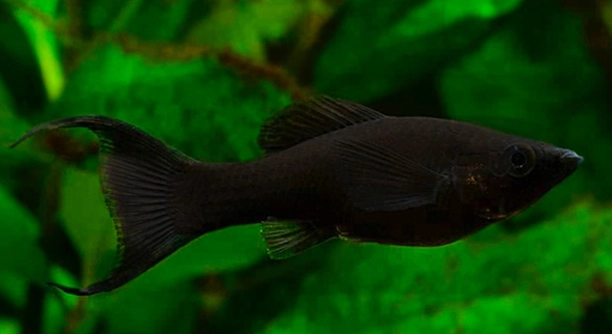
Do you enjoy keeping freshwater aquariums but find yourself thinking about which fish can peacefully coexist? Black Mollies are popular for their striking color and active swimming, making them a common choice for community tanks.
Black Mollies can live in a community tank, provided that tank mates are compatible, water conditions are stable, and overcrowding is avoided. Their peaceful temperament and adaptability allow for harmonious coexistence with other non-aggressive fish species.
Understanding the right companions and environment is essential for a balanced and thriving aquarium ecosystem. This knowledge ensures your Black Mollies remain healthy and active.
Choosing Tank Mates for Black Mollies
When setting up a community tank, selecting the right companions for Black Mollies is crucial. Peaceful fish such as Guppies, Platies, and Corydoras are usually compatible, as they share similar water requirements and swimming patterns. Aggressive or territorial fish can stress Black Mollies, leading to health problems and reduced lifespan. Mollies are livebearers, so overly curious or nippy species may harass fry, making breeding difficult. Keep in mind that even compatible species need enough space to avoid conflicts. A tank of at least 20 gallons is ideal for a small group of Mollies, providing enough room for them to swim actively and for other species to coexist comfortably. Adding hiding spots, plants, and decorations can reduce stress and encourage natural behaviors, ensuring all inhabitants feel secure. Observing interactions during the first few days helps identify potential issues before they escalate, allowing adjustments without disrupting the tank ecosystem.
Maintaining compatible species helps prevent stress, aggression, and health issues, creating a more peaceful and balanced tank environment.
A well-planned community tank not only keeps Black Mollies happy but also enhances the overall aesthetic of your aquarium. By monitoring water quality, temperature, and social interactions, you can ensure a thriving environment. Plants, rocks, and gentle filtration improve water conditions and provide safe areas for shy or smaller fish. Avoid overcrowding and maintain regular cleaning schedules to minimize waste accumulation, keeping the water clear and oxygenated. Rotating feeding spots and offering varied diets supports different species’ nutritional needs, preventing dominance by one type of fish. Even subtle differences in swimming habits can affect harmony, so observe daily and adjust as needed. Over time, a carefully managed community tank allows Mollies to display their playful behavior, interact safely with companions, and live longer, healthier lives. This combination of planning, observation, and care creates an aquarium that is both vibrant and stable.
Water Conditions and Tank Setup
Black Mollies require slightly brackish or hard water to thrive, so monitoring pH and hardness is essential. Their ideal temperature range is 72-78°F.
Proper tank setup ensures longevity and health for Black Mollies. Using a heater, filter, and substrate suited to their needs is critical. Regular water testing prevents fluctuations in pH, ammonia, and nitrite levels, which can stress the fish and make them vulnerable to disease. Live plants help absorb excess nutrients and provide hiding spaces, while decorations give structure and reduce territorial disputes. Aeration ensures sufficient oxygen, especially in densely stocked tanks, and gentle filtration avoids disturbing delicate fry. Adjusting lighting and feeding routines helps mimic natural conditions, keeping Black Mollies active and healthy. Regular partial water changes maintain cleanliness, while checking equipment and observing fish behavior daily can prevent small problems from becoming serious. By creating a stable and enriched environment, Black Mollies can coexist peacefully with compatible species, flourish in a community setting, and display vibrant colors that make your aquarium visually appealing and enjoyable to care for.
Feeding Black Mollies in a Community Tank
Black Mollies are omnivores and need a varied diet. Flakes, pellets, and occasional live or frozen foods keep them healthy. Overfeeding can pollute the water, so feed small amounts two to three times daily.
Providing a balanced diet ensures Black Mollies maintain vibrant colors and stay active. Including vegetables like blanched spinach or zucchini complements protein-rich foods. Live foods such as brine shrimp or daphnia encourage natural hunting behavior. Rotating food types prevents nutritional deficiencies and supports growth in both adult fish and fry. Monitoring feeding habits helps identify stress or illness early, especially in a mixed-species tank.
Feeding routines also impact tank harmony. Distributing food evenly prevents competition, especially with faster-eating species. Observing how Mollies interact during feeding shows if adjustments are needed, ensuring all fish receive adequate nutrition. This simple care step contributes to a stable and healthy community aquarium.
Common Health Concerns for Black Mollies
Black Mollies can be prone to fin rot, ich, and stress-related illnesses if tank conditions are poor. Maintaining clean water is essential.
Regular observation helps detect early signs of disease, such as faded color, clamped fins, or lethargy. Quarantining new fish prevents introducing infections to the main tank. Treating illnesses promptly with appropriate medications or salt baths minimizes impact on other species. Maintaining stable temperature, pH, and hardness reduces stress and lowers disease susceptibility.
Stress often arises from overcrowding or aggressive tank mates. Ensuring adequate hiding spaces, plants, and open swimming areas can reduce tension. A consistent maintenance routine, including water changes and careful feeding, supports long-term health. Proactive care helps Black Mollies thrive alongside other fish, minimizing disruptions caused by illness or environmental issues.
Tank Size and Space Requirements
A minimum of 20 gallons is recommended for a small group of Black Mollies. Adequate space prevents stress and allows them to swim actively with other tank mates.
Overcrowding can lead to aggression and poor water quality. Providing enough room and hiding spots helps maintain a balanced and peaceful environment for all fish.
Breeding Considerations in a Community Tank
Black Mollies breed easily in community tanks, often giving birth to live fry. Separating fry or providing dense plant cover helps protect them from being eaten. Consistent water conditions and sufficient nutrition encourage healthy reproduction without causing stress to adult fish.
Filtration and Water Maintenance
Efficient filtration is crucial to remove waste and maintain water quality. A gentle filter prevents fry from being sucked in while keeping the tank clean.
FAQ
Can Black Mollies live with aggressive fish?
Black Mollies are peaceful by nature and do not do well with aggressive or territorial fish. Aggressive tank mates can stress them, leading to illness or hiding behavior. For a harmonious community tank, pair them with other calm, non-nippy species that share similar water requirements.
How many Black Mollies can I keep in a community tank?
A small group of three to six Mollies works well in a 20-gallon tank. Overcrowding increases waste, raises stress levels, and can trigger aggression or disease. Always consider the size and activity level of other species when deciding how many Mollies to add.
Do Black Mollies need salt in their water?
While not strictly necessary, adding a small amount of aquarium salt can benefit Black Mollies. Salt helps prevent certain infections, supports gill function, and replicates slightly brackish conditions that Mollies prefer. Use it cautiously and ensure it’s safe for other tank inhabitants.
What is the ideal water temperature for Black Mollies?
Black Mollies thrive in temperatures between 72°F and 78°F. Maintaining stable temperatures is important because sudden fluctuations can cause stress or illness. Using a reliable heater and thermometer ensures consistent conditions in a community tank.
What should I feed Black Mollies in a mixed-species tank?
They are omnivores and need a varied diet. Flakes or pellets can be supplemented with live or frozen foods like brine shrimp or daphnia. Adding blanched vegetables provides fiber. Feeding small amounts multiple times a day prevents overfeeding and water pollution.
How often should I perform water changes for Black Mollies?
Partial water changes of 25-30% every one to two weeks help maintain water quality. Removing waste and replenishing minerals reduces stress and prevents disease. Frequent water testing is also recommended to ensure pH, hardness, and ammonia levels remain stable.
Can Black Mollies breed in a community tank?
Yes, they are livebearers and can breed easily in a community setting. Fry need protection from adult fish, either through dense plants or separate breeding tanks. Providing good nutrition and stable water conditions increases fry survival rates without harming adults.
What are signs of stress in Black Mollies?
Signs include clamped fins, faded colors, hiding, or reduced activity. Stress often stems from poor water quality, overcrowding, or incompatible tank mates. Addressing these issues promptly by adjusting tank conditions can prevent illness and help Mollies regain health.
How can I prevent disease in a community tank with Mollies?
Maintaining clean water, monitoring fish behavior, and quarantining new arrivals are key. Avoid sudden changes in temperature or pH, and ensure all species in the tank are compatible. Regular observation helps catch infections like ich or fin rot early for effective treatment.
Are live plants necessary for Black Mollies?
While not mandatory, live plants benefit Mollies by providing hiding spots, improving water quality, and encouraging natural behavior. Plants also help protect fry in breeding situations and reduce stress for all tank inhabitants, creating a more balanced and enriching environment.
Can Black Mollies live with shrimp or snails?
Yes, peaceful invertebrates like snails and certain shrimp species are compatible. Mollies generally ignore these creatures, though very small fry may be at risk. Ensure enough hiding places and monitor interactions to maintain harmony.
What tank decorations are suitable for a Black Molly community tank?
Rocks, driftwood, and plants provide hiding spots and reduce territorial disputes. Avoid sharp or rough surfaces that could damage fins. Open swimming areas are also important since Mollies are active swimmers. Balanced decoration supports both security and movement.
How do I maintain pH and hardness for Mollies?
Black Mollies prefer slightly hard, alkaline water. Use buffering substrates or additives if necessary, but avoid sudden changes. Regular testing ensures stability. Stable water parameters reduce stress, prevent disease, and help maintain healthy coloration and activity levels in a community tank.
Can Black Mollies adapt to different community tanks?
They are highly adaptable if tank conditions are stable and tank mates are compatible. Over time, they learn to coexist peacefully with other non-aggressive species while maintaining their playful behavior and bright appearance. Observing interactions ensures ongoing compatibility.
What is the lifespan of Black Mollies in a community tank?
With proper care, a balanced diet, and stable water conditions, Black Mollies can live 3-5 years. Avoiding stress, disease, and overcrowding extends their lifespan and allows them to remain active and healthy alongside other community fish.
Are Black Mollies sensitive to water changes?
They tolerate gradual water changes well, but sudden shifts in temperature, pH, or hardness can stress them. Always condition new water and perform changes slowly to maintain stable conditions, which is especially important in mixed-species tanks.
How can I encourage Black Mollies to interact with other fish?
Providing adequate space, hiding spots, and varied food encourages natural behavior. Avoid aggressive species and overcrowding, as these factors inhibit social interaction. Over time, Mollies will swim and feed confidently alongside compatible tank mates, contributing to a lively community atmosphere.
Do Black Mollies require special lighting?
Moderate lighting is sufficient. Bright lights encourage plant growth, while hiding spots prevent stress. A regular day-night cycle supports natural behavior and coloration, helping Mollies remain healthy in a community tank.
Can Black Mollies tolerate brackish water in a community tank?
They can handle slightly brackish conditions, which may even improve health and coloration. Ensure other tank inhabitants are tolerant of similar salinity levels. Gradually adjust salinity to avoid shocking the fish and maintain overall tank stability.
What precautions should I take when adding new fish with Mollies?
Quarantine new fish for at least two weeks to prevent disease. Introduce them gradually and observe interactions closely. Ensure water parameters match the existing tank, and provide hiding spaces to reduce stress and support a smooth transition for all species.
Black Mollies are a popular choice for community tanks because of their peaceful temperament and striking appearance. They are active swimmers who enjoy open spaces and interact well with other calm fish. When setting up a community tank, it is important to choose tank mates carefully to prevent stress and aggression. Small, peaceful species that share similar water conditions work best. Overcrowding should be avoided, as it can lead to poor water quality and increased tension among fish. Providing hiding spaces, plants, and decorations gives all inhabitants areas to retreat when they feel threatened. Proper tank planning ensures that Black Mollies can swim freely, display their natural behaviors, and coexist harmoniously with other species, creating a balanced and visually appealing aquarium environment.
Maintaining stable water conditions is essential for the health and longevity of Black Mollies. They prefer slightly hard, alkaline water and moderate temperatures between 72°F and 78°F. Sudden fluctuations in temperature, pH, or hardness can cause stress and make them more susceptible to disease. Regular water testing, proper filtration, and partial water changes help maintain clean and healthy conditions. Adding a small amount of aquarium salt can support gill function and reduce the risk of infections, but it should be used carefully to ensure it does not affect other tank inhabitants. Feeding Black Mollies a varied diet that includes flakes, pellets, live, or frozen foods along with occasional vegetables keeps them healthy and supports vibrant colors. Observing their behavior daily allows for early detection of stress, illness, or dietary issues, making it easier to address problems before they become serious.
Breeding Black Mollies in a community tank is possible and can be managed with planning. They are livebearers and often reproduce quickly, so protecting fry is important. Dense plants or separate breeding areas can prevent adult fish from eating the young. Monitoring interactions between tank mates helps reduce stress and aggression, which can improve overall health and survival rates. Stress management, proper nutrition, and stable water conditions all contribute to successful breeding and a harmonious community tank. When cared for thoughtfully, Black Mollies thrive in community setups, live longer, and maintain their natural activity and color. With attention to tank size, compatible species, water quality, and feeding routines, a community tank with Black Mollies can remain balanced, healthy, and visually pleasing for years.

Hello,
If you enjoy the content that we create, please consider saying a "Thank You!" by leaving a tip.
Every little bit helps us continue crafting quality advice that supports the health, happiness, and well-being of pets around the world, for pets of all shapes, sizes, and species.
We really appreciate the kindness and support that you show us!