
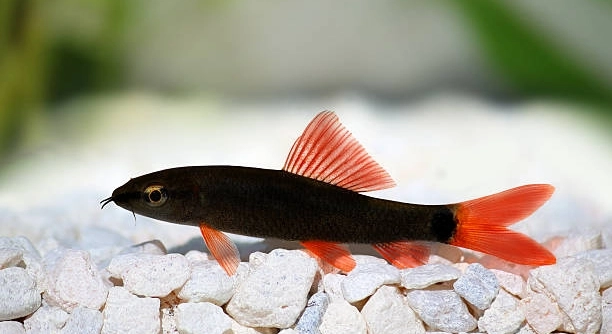
Rainbow sharks are popular aquarium fish known for their bright colors and active nature. They can sometimes become stressed in a tank if their environment isn’t ideal. Keeping them calm is important for their health and well-being.
Reducing rainbow shark stress involves providing adequate space, stable water conditions, hiding spots, compatible tank mates, proper diet, regular tank maintenance, and minimizing sudden changes. These factors help maintain a balanced and comfortable habitat, supporting the fish’s overall health.
Understanding these simple care steps will help create a peaceful tank environment. This guide offers clear ways to improve your rainbow shark’s daily life and reduce stress effectively.
Provide Adequate Space for Swimming
Rainbow sharks need enough room to swim freely. A tank that is too small makes them feel trapped and stressed. Ideally, a single rainbow shark should have at least 30 gallons of water. When the space is limited, they may become aggressive or hide too much. Crowded tanks increase competition for food and territory, which causes anxiety. Proper space helps them display natural behaviors like exploring and resting. It also reduces fights between tank mates. Make sure the tank has a good layout with open swimming areas and places to retreat. This balance keeps your rainbow shark more relaxed and healthy.
Creating a spacious environment is a simple but effective way to prevent stress in rainbow sharks.
Having enough swimming space improves their activity level and lowers aggression. Your tank will be calmer, and the fish will be more visible and lively, which makes caring for them much more rewarding.
Keep Water Conditions Stable
Rainbow sharks are sensitive to changes in water temperature and quality. Sudden shifts can increase stress levels quickly. They prefer a temperature between 72°F and 79°F and a pH around 6.5 to 7.5. Frequent water testing and partial water changes keep the environment clean and safe. Avoid strong water currents, as rainbow sharks prefer calmer waters. Consistent water parameters allow their immune systems to work well, reducing illness risk. Fluctuating conditions cause discomfort and can trigger hiding or erratic swimming. Monitoring your tank’s water quality regularly will help maintain stability and promote a peaceful tank atmosphere.
Add Hiding Spots
Rainbow sharks need places to hide to feel secure. Without shelters, they can become stressed and restless.
Adding decorations like caves, plants, or rocks creates safe spots where the fish can retreat when feeling threatened. These hiding places reduce aggression and provide comfort during the day. They also help mimic the shark’s natural habitat, encouraging natural behaviors. Arrange the tank so there are multiple hiding spots spread out to avoid competition. This setup lowers stress and improves overall tank harmony.
Hiding spots also give rainbow sharks a sense of control over their environment. When they have places to rest safely, they show less nervous behavior and are more active when exploring.
Choose Compatible Tank Mates
Rainbow sharks can be territorial, so choosing peaceful and compatible tank mates is important. Avoid aggressive or very small fish that may trigger stress.
Ideal tank mates include larger, calm fish that occupy different tank levels, such as gouramis or barbs. These species usually avoid direct competition with rainbow sharks for space or food. Introducing tank mates slowly allows time for adjustment and reduces conflict. Crowding the tank increases stress and can lead to injuries. Proper selection and monitoring of other fish help maintain a calm environment, keeping your rainbow shark healthy and relaxed.
Feed a Balanced Diet
Rainbow sharks need a varied diet to stay healthy. Feeding only flakes or pellets may cause stress and poor health.
Including live or frozen foods like bloodworms and brine shrimp adds essential nutrients. Vegetables like zucchini or spinach provide fiber. Feeding small amounts twice a day helps maintain good digestion and energy levels.
Maintain Regular Tank Cleaning
Regular cleaning keeps the tank environment safe and comfortable for rainbow sharks. Removing waste and uneaten food prevents toxic buildup.
Cleaning the substrate and performing partial water changes weekly reduce harmful chemicals. This routine supports stable water parameters, which lower stress and illness risks. Keeping filters clean and functional ensures proper water circulation and oxygen levels. A clean tank encourages active and healthy fish behavior, making the tank a better place for your rainbow shark.
Minimize Sudden Changes
Sudden changes in the tank, like quick temperature shifts or adding new fish abruptly, cause stress. Maintaining consistency helps rainbow sharks feel secure.
Monitor Behavior Closely
Watch your rainbow shark’s behavior for signs of stress, such as hiding or erratic swimming. Early detection helps prevent serious issues.
FAQ
How can I tell if my rainbow shark is stressed?
Stress in rainbow sharks shows in several ways. They may hide more than usual, swim erratically, or lose their bright colors. Sometimes, they become aggressive or stop eating. Watching for these signs early helps you take action before health problems develop.
What size tank is best for rainbow sharks?
A minimum of 30 gallons is recommended for one rainbow shark. This size allows enough space for swimming and territory. Larger tanks are better if you plan to keep multiple fish or add other species. More room reduces stress and aggression.
Can rainbow sharks live with other fish?
Yes, but choosing the right tank mates is key. Peaceful, larger fish that swim at different levels usually work well. Avoid small or very aggressive fish. Slow introductions help prevent fights and keep the tank calm.
How often should I change the water?
Perform partial water changes of 20-30% every week. This keeps the water clean and balanced, reducing toxins that stress the fish. Regular changes also help maintain stable temperature and pH levels.
What is the best diet for rainbow sharks?
A varied diet including high-quality flakes or pellets, plus live or frozen foods like bloodworms, is ideal. Adding some vegetables such as blanched spinach or zucchini provides necessary fiber and vitamins. Feed small amounts twice daily.
Why does my rainbow shark hide all the time?
Excessive hiding usually means stress or discomfort. It could be due to poor water quality, lack of hiding places, or aggressive tank mates. Check these factors and provide adequate shelters to help your fish feel safe.
How important are hiding spots in the tank?
Hiding spots are essential. They reduce stress by giving the fish places to retreat. Rocks, plants, or caves create safe zones that mimic their natural habitat. Without these, rainbow sharks may become anxious and less active.
Can sudden temperature changes harm my rainbow shark?
Yes, rainbow sharks are sensitive to rapid temperature fluctuations. Sudden changes weaken their immune system and cause stress. Keep the tank temperature steady between 72°F and 79°F to ensure comfort and health.
What should I do if my rainbow shark is aggressive?
Aggression often comes from overcrowding or lack of space. Ensure the tank is large enough and that tank mates are compatible. Adding hiding spots and maintaining stable water conditions also helps reduce territorial behavior.
How can I improve water quality in my tank?
Regular cleaning, filter maintenance, and weekly partial water changes are key. Avoid overfeeding, as leftover food pollutes the water. Test water parameters often to catch issues early and keep the environment safe for your fish.
Is it okay to keep multiple rainbow sharks together?
Keeping more than one rainbow shark can be tricky because they are territorial. If you do, provide a large tank with plenty of hiding spaces and break up territories. Watch closely for signs of fighting or stress.
What kind of substrate is best for rainbow sharks?
Soft sand or smooth gravel is preferred. Sharp or rough substrates can injure their sensitive undersides. A natural substrate also encourages normal behavior and makes the tank more comfortable.
How do I reduce stress during tank maintenance?
Do water changes gently and avoid disturbing the tank too much at once. Keep noise and movement low. Using a siphon carefully and avoiding sudden light changes helps your fish stay calm.
Can stress affect my rainbow shark’s health long-term?
Yes, chronic stress weakens their immune system, making them vulnerable to diseases. It can shorten their lifespan and reduce their activity. Preventing stress by providing good care is essential for a healthy, happy fish.
What signs show that my rainbow shark is happy?
A relaxed rainbow shark swims smoothly, displays bright colors, and explores the tank. They will eat well and interact peacefully with tank mates. Active behavior and visible gills are good indicators of well-being.
Final Thoughts
Taking care of a rainbow shark means paying attention to its environment and needs. These fish can be sensitive to stress, but with proper care, they thrive well in home aquariums. Making sure they have enough space, stable water conditions, and hiding spots will go a long way in keeping them calm and healthy. It is important to create a balanced tank where your rainbow shark feels safe and comfortable every day. This not only helps reduce stress but also encourages natural behavior, making the fish more enjoyable to watch.
Feeding your rainbow shark a varied diet is also key. Relying on only one type of food can lead to nutritional gaps and weaken their immune system. Adding live or frozen foods alongside vegetables improves their overall health. It’s best to feed small portions twice daily rather than overfeeding at once. Regular tank maintenance is another important part of reducing stress. Cleaning the tank and changing the water helps keep harmful substances from building up. Keeping water parameters steady supports your rainbow shark’s well-being, preventing common problems caused by poor water quality.
Lastly, choosing compatible tank mates and monitoring your fish regularly will help you catch any signs of stress early. Rainbow sharks can become territorial, so having the right companions and enough space is essential. Observing their behavior daily lets you respond quickly if something is wrong. Stress can affect their health in many ways, so prevention is the best approach. By following these care tips, you will create a peaceful, healthy environment for your rainbow shark, ensuring it lives a long and happy life in your aquarium.

Hello,
If you enjoy the content that we create, please consider saying a "Thank You!" by leaving a tip.
Every little bit helps us continue crafting quality advice that supports the health, happiness, and well-being of pets around the world, for pets of all shapes, sizes, and species.
We really appreciate the kindness and support that you show us!