
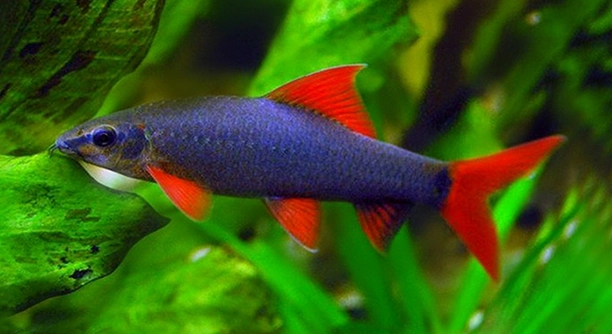
Is your rainbow shark showing signs of stress or being picked on by other fish in your tank? This can happen even in well-maintained aquariums. Recognizing the signs of bullying is the first step toward creating a healthier environment for your fish.
Bullying in rainbow sharks often results from territorial disputes or overcrowding. Providing ample space, hiding spots, and compatible tank mates reduces aggression and stress. Addressing these issues promptly helps maintain balance and promotes the wellbeing of your rainbow shark.
These simple adjustments can make a big difference in your fish’s daily life and help restore peace in your aquarium.
Create More Hiding Spots
Rainbow sharks feel safer when they have places to hide. Adding plants, rocks, or decorations provides shelter and reduces stress. When your fish can retreat, they are less likely to be targeted by aggressive tank mates. Use natural or artificial plants and arrange them so there are multiple hiding areas spread throughout the tank. This breaks up the territory and helps prevent one fish from controlling the entire space. Hiding spots also encourage more natural behavior and make the environment more comfortable. If the tank is too bare, your rainbow shark may feel exposed and vulnerable. This can lead to increased bullying or stress-related illness. Small caves or tunnels work well because they offer tight spaces where your rainbow shark can feel secure. Make sure these additions don’t overcrowd the tank but are balanced enough to give every fish a chance to claim a spot. This simple change often improves the tank’s overall harmony.
Adding places to hide can quickly reduce aggression in your tank by giving fish options to avoid conflict and feel secure.
Creating a well-structured tank with enough hiding spots supports your rainbow shark’s mental and physical health. When fish have choices about where to rest or escape, it lessens their stress levels and discourages bullying. The improved layout also benefits all fish by distributing territories evenly. Start by placing tall plants or decorations near the corners or edges of the tank. Introduce caves or PVC pipes for additional shelter. Avoid cluttering the middle area, so fish have enough room to swim freely. Regularly observe how your rainbow shark uses these spots and adjust as needed. Sometimes, simply changing the position of decorations can shift the tank’s social dynamic. Consistent care in maintaining a balanced environment ensures your fish feels safe and less prone to aggression from others.
Monitor Tank Mates Carefully
The fish you keep with your rainbow shark influence its behavior. Avoid aggressive or overly active species that may stress your shark. Choose peaceful, similarly sized fish to promote harmony.
Some fish are naturally territorial or aggressive, which can trigger bullying. Aggressive tank mates may chase or nip your rainbow shark, causing injuries or stress. Fish that are too small or too slow can also become targets. Research compatible species before adding new fish. Ideal tank mates for rainbow sharks include larger tetras, danios, or peaceful bottom dwellers. Keep in mind the tank size; overcrowding leads to stress and fighting. Maintain proper filtration and water quality to reduce irritability. If bullying persists, consider separating the fish or rehoming aggressive species. Sometimes, rearranging the tank setup helps reset territorial boundaries. Close observation during the first few weeks after adding new fish is essential. Early intervention prevents long-term problems and keeps the aquarium peaceful for all inhabitants. Choosing the right companions protects your rainbow shark and fosters a balanced aquarium environment.
Keep the Tank Clean and Stable
A clean tank helps reduce stress and aggression among fish. Regular water changes and filter maintenance keep water quality high, which supports your rainbow shark’s health.
Dirty or unstable water conditions can cause irritation and make fish more aggressive. When ammonia or nitrate levels rise, fish become stressed and act out by bullying others. Maintaining stable temperature and pH levels also prevents unnecessary tension in the tank. Test the water weekly to catch any issues early. Use a good filtration system and perform partial water changes of 20-30% every one to two weeks. Avoid overfeeding, as leftover food pollutes the water. Clean decorations and substrate to prevent buildup of harmful substances. These habits create a calm environment where your rainbow shark is less likely to be bullied.
Consistent tank maintenance promotes a healthy habitat for your rainbow shark. Stable water parameters improve immune function and reduce stress behaviors. When fish feel good, they are less aggressive, and the entire aquarium benefits.
Provide a Balanced Diet
A well-fed rainbow shark is less likely to be irritable or weak, which can make it a target for bullying. Feed high-quality sinking pellets or wafers designed for bottom feeders.
Include a variety of foods like bloodworms, brine shrimp, and vegetable matter to meet nutritional needs. Feed small amounts two to three times daily rather than one large feeding to avoid leftover food and water pollution. Observe your fish during feeding time to ensure they are eating properly and not being chased away by other fish. Underfed fish can become stressed or sick, increasing their vulnerability to bullying. Proper nutrition supports your rainbow shark’s health, energy, and color, making it more resilient. Balanced feeding routines are essential for maintaining peace and wellbeing in your tank.
Avoid Overcrowding
Too many fish in one tank increases stress and aggression. Overcrowding reduces space for your rainbow shark to establish territory.
A crowded environment makes bullying more likely because fish compete for food and hiding spots. Keep the number of fish appropriate for your tank size to reduce conflicts and create a peaceful atmosphere.
Rearrange Decorations Periodically
Changing the layout of the tank disrupts established territories. This can reduce aggression and bullying among fish. Rearranging decorations every few weeks resets boundaries and gives your rainbow shark a fresh start.
Separate Aggressive Fish
If bullying continues despite changes, isolate the aggressive fish. Using a separate tank or divider helps protect your rainbow shark. Separation allows stressed fish to recover and prevents injuries.
FAQ
How can I tell if my rainbow shark is being bullied?
Signs of bullying include torn fins, faded colors, constant hiding, or visible injuries. Your rainbow shark may also appear stressed or lethargic. Watch for other fish chasing or nipping at it regularly. Bullying usually causes your fish to avoid open areas or hide more than usual.
What are the most common causes of bullying in rainbow sharks?
Territorial disputes and overcrowding are leading causes. Rainbow sharks defend their space and may attack if the tank is too small or lacks hiding spots. Aggressive tank mates or poor water conditions can also increase stress and lead to bullying behavior.
Can changing tank mates stop bullying?
Yes. Aggressive or incompatible species often cause bullying. Choosing peaceful, similarly sized fish helps reduce aggression. If bullying persists, removing or isolating the aggressive fish can protect your rainbow shark and restore balance.
How often should I clean my tank to prevent bullying?
Perform partial water changes of 20-30% every one to two weeks. Regularly clean the filter and remove uneaten food. Maintaining stable water quality reduces stress in fish, which lowers chances of bullying.
Is adding more hiding spots really effective?
Absolutely. Hiding spots give your rainbow shark places to escape and feel secure. This reduces stress and prevents aggressive fish from chasing it constantly. Use plants, rocks, or decorations to create several shelters throughout the tank.
What diet is best for a bullied rainbow shark?
Feed a balanced diet with sinking pellets, bloodworms, brine shrimp, and vegetables. Small, frequent feedings help maintain health and energy. Well-nourished fish are less likely to be weak targets of bullying.
Should I separate the bully immediately?
If bullying causes injury or severe stress, separating the aggressive fish right away is best. Use a divider or a separate tank to protect your rainbow shark while you address the underlying issues.
Can overcrowding cause stress even if fish don’t attack?
Yes. Too many fish reduce swimming space and increase competition for resources. This stress can cause fish to act aggressively or become weak targets for bullying. Keep your tank properly stocked for its size.
How do I know if water conditions are affecting behavior?
Test ammonia, nitrite, nitrate, pH, and temperature regularly. Poor water quality or sudden changes often lead to aggressive or stressed fish. Clear water and stable parameters help maintain peace in the tank.
Can rearranging decorations really change fish behavior?
Yes. Changing the tank layout breaks up established territories. This helps reduce aggression by giving all fish a chance to claim new spaces. Rearranging decorations every few weeks keeps the social dynamic balanced.
What if my rainbow shark still gets bullied after trying everything?
Sometimes, the tank size may be too small or fish too aggressive. Consider upgrading to a larger tank or rehoming aggressive species. Consulting a local fish expert can also provide tailored solutions.
How long does it take for bullying to stop after changes?
Improvement can take days to weeks. Fish need time to adjust to new tank mates, layout, or hiding spots. Monitor behavior closely and continue maintaining water quality and diet to support recovery.
Is bullying more common in smaller tanks?
Yes. Limited space increases territorial fights and competition. Larger tanks provide enough room for each fish to establish its own territory, reducing conflicts and stress.
Can lighting affect aggression in rainbow sharks?
Harsh or very bright lighting can stress fish and trigger aggressive behavior. Use moderate lighting and provide shaded areas with plants or decorations for a comfortable environment.
Do rainbow sharks bully only their own species?
No. They may bully other fish, especially those that share similar space or are smaller and slower. Careful selection of tank mates is important to avoid conflicts.
Is it normal for rainbow sharks to be territorial?
Yes, they naturally defend territory. Proper tank size, hiding spots, and compatible fish help manage this behavior so it doesn’t become harmful bullying.
Can stress from bullying cause illness in my rainbow shark?
Stress weakens the immune system and can lead to infections or other health problems. Reducing bullying is essential for your fish’s overall wellbeing.
What signs show that my rainbow shark is recovering from bullying?
Improved coloration, less hiding, and active swimming indicate recovery. Watch for healed fins and calmer interactions with tank mates as good signs.
Should I quarantine new fish to prevent bullying?
Quarantining new fish helps prevent diseases but also allows observation of their behavior. Aggressive new arrivals can be identified early and separated if needed to protect your rainbow shark.
Can adding more fish help reduce bullying?
Adding more fish can sometimes spread aggression but may also diffuse it if tank size allows. Avoid overcrowding and choose peaceful species if adding fish to reduce bullying risk.
When your rainbow shark is being bullied, it’s important to act quickly and thoughtfully. Bullying can cause serious stress and harm to your fish, affecting its health and happiness. The best way to prevent and fix bullying is to create a peaceful and balanced environment. This means giving your rainbow shark enough space, plenty of hiding spots, and tank mates that get along well. Keeping the tank clean and feeding your fish a good diet also makes a big difference. Small changes in the tank setup and care routine can help reduce aggression and protect your rainbow shark from harm.
Understanding why bullying happens helps you respond effectively. Rainbow sharks are territorial by nature, so overcrowding or a lack of places to hide can lead to fights. Aggressive tank mates or poor water quality may also increase stress and cause bullying behaviors. By monitoring your fish closely, you can spot signs of bullying early and take action. Adjusting the tank layout or removing aggressive fish can quickly improve the situation. Sometimes, rearranging decorations or changing the group of fish reduces tension and resets the social order. These practical steps keep your aquarium a safer place for your rainbow shark and other fish.
Taking care of a bullied rainbow shark means regular attention and patience. It might take time for your fish to recover and feel safe again. Keeping the water clean, maintaining stable conditions, and feeding well support your fish’s health. Watching their behavior daily helps you notice any new problems before they get worse. If bullying persists despite your efforts, consider consulting with an expert or changing the tank size or inhabitants. Protecting your rainbow shark from bullying ensures it can thrive and show its best colors, adding beauty and life to your aquarium for a long time.

Hello,
If you enjoy the content that we create, please consider saying a "Thank You!" by leaving a tip.
Every little bit helps us continue crafting quality advice that supports the health, happiness, and well-being of pets around the world, for pets of all shapes, sizes, and species.
We really appreciate the kindness and support that you show us!