
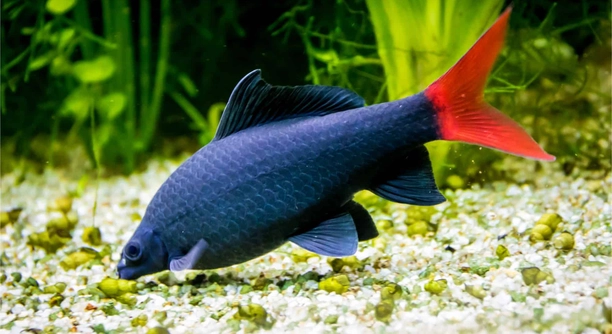
Breeding rainbow sharks can be tricky for many fish enthusiasts. These colorful freshwater fish have specific needs that must be met to encourage successful breeding. Understanding the basics can make the process much easier and more rewarding.
Successful breeding of rainbow sharks requires maintaining optimal water conditions, providing appropriate tank setup with hiding spots, offering a varied diet to promote health, and ensuring compatibility among fish. These factors collectively increase the likelihood of breeding success.
Learning these simple fixes will help you create the right environment and increase your chances of raising healthy baby rainbow sharks.
Maintain Optimal Water Conditions
Keeping the water clean and stable is the most important step in breeding rainbow sharks. These fish need a temperature between 75 and 80°F and a pH level of 6.5 to 7.5. Regular water changes help remove waste and keep the tank environment healthy. It’s also essential to monitor ammonia, nitrite, and nitrate levels. High levels of these can stress the fish and stop breeding. A good filter and aeration system improve water quality and oxygen levels. Avoid sudden changes in temperature or water chemistry because rainbow sharks are sensitive and can become stressed easily. Stress reduces their interest in breeding. Using a water test kit daily or weekly helps catch problems early. Stable water conditions mimic their natural habitat, encouraging natural behavior and breeding readiness. This creates a safe environment where fish feel secure enough to spawn.
Stable water keeps fish healthy and ready to breed. Without it, breeding chances drop significantly.
Regularly checking water conditions and maintaining stability ensures your rainbow sharks remain comfortable. Small adjustments now prevent major problems later. Clean water, the right temperature, and balanced pH are the foundation of successful breeding. If these basics are not met, the fish may not spawn or care for their eggs properly. Taking the time to maintain good water quality benefits both adult fish and their offspring, making breeding a smoother process. Good water management supports fish health and activity, which are key for breeding success.
Provide Proper Tank Setup
A well-organized tank helps rainbow sharks feel safe during breeding. Adding hiding spots with caves, plants, or decorations reduces stress and encourages natural behavior. These fish like to claim territory, so space is important. A tank size of at least 30 gallons is recommended to provide room for multiple fish and their fry. Substrate should be smooth gravel or sand to prevent injury. Lighting should be moderate, mimicking their natural environment. Proper tank setup creates areas where rainbow sharks can lay eggs and protect their young. It also prevents aggressive encounters by offering escape spots. Observing the fish will show if they are comfortable and ready to breed.
Good tank setup gives rainbow sharks the space and security they need for breeding.
Setting up the tank thoughtfully supports fish behavior and increases breeding chances. Hiding spots let fish relax and reduce fights, while enough swimming space prevents overcrowding. This setup helps establish territories and encourages pairing. Clear, open areas near hiding places allow fish to lay eggs safely. Plants can provide cover for fry after hatching, improving survival. Remember, a calm environment helps fish feel confident enough to breed. Careful planning of the tank layout pays off by creating conditions that support natural breeding behaviors.
Feed a Varied and Nutritious Diet
Feeding rainbow sharks a balanced diet improves their health and breeding potential. A mix of pellets, flakes, and live or frozen foods works best.
Providing protein-rich foods like bloodworms, brine shrimp, and daphnia helps improve fish condition and stimulates spawning behavior. Vegetables such as blanched spinach or zucchini offer necessary fiber and vitamins. Consistent feeding twice daily encourages fish to maintain energy levels and stay healthy. Avoid overfeeding to prevent water quality issues. Nutritional variety supports reproductive readiness by promoting overall vitality and strength.
A diet rich in essential nutrients directly impacts the fish’s ability to reproduce. When rainbow sharks are well-fed, they display brighter colors and more active behaviors, both signs of good health. Including live foods also triggers natural instincts that promote mating. Over time, a balanced diet improves egg production and fry survival rates, making it easier to achieve successful breeding.
Ensure Compatibility Among Fish
Choosing compatible tank mates reduces stress and aggression during breeding. Rainbow sharks prefer peaceful companions and need enough space.
Avoid placing aggressive or overly dominant fish with rainbow sharks, as this can prevent spawning and harm fry. Ideal tank mates include small schooling fish like tetras or danios, which keep the environment calm. Males can be territorial, so keeping one male per tank helps avoid fights. Observing fish behavior is important; if aggression appears, separate the fish to protect breeding efforts.
Compatibility promotes a peaceful environment crucial for breeding success. When rainbow sharks feel secure, they focus more on spawning rather than defending territory. A calm tank reduces stress, which improves overall health and reproductive behavior. Selecting the right companions helps maintain balance and harmony, supporting the growth of healthy fry without interruptions or injuries.
Provide Gentle Water Flow
Rainbow sharks prefer a gentle water current that mimics their natural habitat. Strong currents can stress them and reduce breeding activity.
Using a sponge filter or adjustable flow filter helps keep the water moving softly without overwhelming the fish. Proper circulation also prevents dead spots and keeps oxygen levels steady, which benefits fish health and breeding success.
Create a Separate Breeding Tank
A separate breeding tank reduces stress and increases the chance of successful spawning. It allows better control over water conditions and protection for eggs and fry. Keeping the breeding pair isolated minimizes disturbance and aggression from other fish.
Monitor for Signs of Spawning
Watch closely for changes in behavior such as increased activity, chasing, or nest building. These signs indicate that rainbow sharks are ready to breed and lay eggs.
How long does it take for rainbow sharks to breed?
Rainbow sharks usually reach breeding maturity at about one year of age. Once mature, breeding can happen fairly quickly if conditions are right. From courtship to egg laying, the process may take a few days to a week. After eggs are laid, they typically hatch within 24 to 36 hours. The fry start swimming freely a few days after hatching. Overall, expect several weeks from introducing breeding conditions to seeing free-swimming young.
What water temperature is best for breeding rainbow sharks?
The ideal temperature for breeding rainbow sharks is between 75°F and 80°F (24°C to 27°C). This temperature range mimics their natural tropical environment and encourages spawning behavior. Maintaining consistent temperature without sudden changes is important because fluctuations can stress the fish and delay breeding. Using a reliable heater and thermometer helps keep the tank stable.
Can rainbow sharks breed in a community tank?
Breeding rainbow sharks in a community tank is difficult but possible. However, aggression and stress from other fish often prevent successful spawning. Eggs and fry are also vulnerable to being eaten by tank mates. Using a separate breeding tank is usually recommended to protect eggs and young fish and give the breeding pair space and calm.
How many eggs do rainbow sharks lay at once?
A female rainbow shark can lay between 200 to 400 eggs in a single spawning event. The eggs are small, sticky, and usually scattered or attached to plants, decorations, or the tank walls. Not all eggs survive, but providing optimal conditions improves the chances of healthy fry.
Do rainbow sharks care for their eggs or fry?
Rainbow sharks do not exhibit parental care. After laying eggs, adults generally ignore them or may even eat them. For this reason, removing adults from the breeding tank or moving eggs to a separate nursery is important to protect the eggs and increase fry survival.
What is the best diet for breeding rainbow sharks?
Feeding a varied diet high in protein supports breeding. Offer high-quality pellets, flakes, and live or frozen foods like bloodworms and brine shrimp. Including some vegetable matter such as blanched spinach or zucchini provides vitamins and fiber. A healthy diet improves egg production and fry health.
How often should I change water during breeding?
During breeding, small but frequent water changes are best. Changing about 10-20% of the water every two to three days helps maintain clean water and stable conditions without stressing the fish. Using dechlorinated water at the same temperature as the tank prevents shock. Clean water supports egg and fry development.
What signs indicate that rainbow sharks are ready to breed?
Signs include increased activity, chasing between males and females, territorial behavior, and the appearance of spawning sites like cleaned areas on the tank surface. Males often become more colorful and display fin flaring. Recognizing these behaviors helps you know when to prepare a breeding tank.
Can I breed rainbow sharks without a male?
No, breeding requires both a male and female rainbow shark. Without a male, females will not lay fertile eggs. Keeping at least one male and one female together under proper conditions is necessary for successful breeding.
How can I tell the difference between male and female rainbow sharks?
Males tend to be slimmer with more pointed dorsal fins, while females are usually rounder and fuller-bodied, especially when carrying eggs. It can be difficult to sex young fish, so waiting until they mature helps. Observing behavior during breeding also shows which fish are male or female.
How do I care for rainbow shark fry?
Fry need gentle water flow, clean water, and plenty of small hiding spots. Feed them finely crushed flakes or specially prepared fry food several times daily. Frequent small feedings help growth and survival. Avoid strong light and large tank mates. Keep water temperature steady around 78°F to encourage healthy development.
What problems might prevent rainbow sharks from breeding?
Common issues include poor water quality, inappropriate tank setup, aggressive tank mates, lack of hiding spots, improper diet, or incorrect temperature. Stress from any of these factors can delay or stop breeding. Identifying and fixing these problems improves chances of success.
Can rainbow sharks breed multiple times a year?
Yes, under good conditions, rainbow sharks can breed several times a year. Spawning frequency depends on water quality, diet, and tank environment. Consistent care helps encourage repeated breeding events and larger numbers of fry over time.
Is it necessary to separate fry from adults?
Separating fry is important because adult rainbow sharks may eat their young. A separate nursery tank or protective breeding area increases fry survival. Providing hiding places and gentle water flow in the nursery tank helps the fry grow safely.
How long do rainbow sharks live?
Rainbow sharks typically live 5 to 8 years with good care. Providing stable water conditions, a nutritious diet, and a peaceful environment supports long life. Healthy adults are more likely to breed successfully throughout their lifespan.
Breeding rainbow sharks can be a rewarding experience when done with care and patience. These fish need specific conditions to feel comfortable and ready to reproduce. Paying attention to water quality, tank setup, diet, and fish compatibility makes a big difference. It’s important to keep the water clean and stable with the right temperature and pH. A well-arranged tank with hiding places helps reduce stress and encourages natural behaviors. Feeding a balanced diet supports the health and breeding readiness of your rainbow sharks.
Creating a calm and secure environment is key for successful breeding. Rainbow sharks can be territorial, so giving them enough space and the right companions helps lower aggression. Using a separate breeding tank protects eggs and fry from being harmed by other fish. Watching for signs of spawning allows you to respond quickly by preparing a safe area for eggs and baby fish. Once eggs hatch, keeping the fry in a gentle, clean environment with proper food is crucial for their growth. Removing adults from the nursery tank increases the chances of fry survival.
Breeding rainbow sharks requires attention to detail but does not have to be complicated. By following simple steps like maintaining water quality, providing a suitable tank, and offering nutritious food, you can increase your chances of success. It takes time to understand your fish and their needs, so being patient is important. Each tank and group of fish may behave differently, so learning from your experiences will help you improve. With consistent care and effort, you can enjoy seeing your rainbow sharks thrive and reproduce in your aquarium.

Hello,
If you enjoy the content that we create, please consider saying a "Thank You!" by leaving a tip.
Every little bit helps us continue crafting quality advice that supports the health, happiness, and well-being of pets around the world, for pets of all shapes, sizes, and species.
We really appreciate the kindness and support that you show us!