
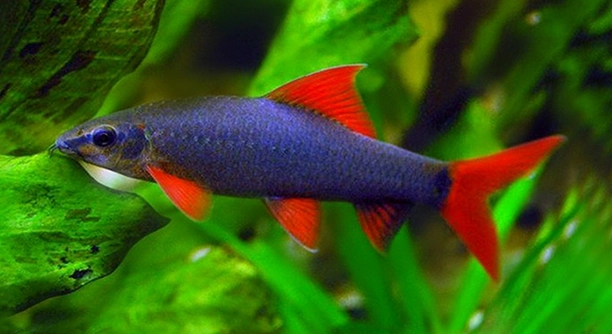
Rainbow sharks are popular aquarium fish known for their vibrant colors and active behavior. However, these fish can show signs of distress if their habitat is not suitable. Recognizing these signs early helps maintain their health and well-being.
Unhappy rainbow sharks often display behavioral and physical changes indicating poor habitat conditions. These include reduced activity, loss of color, fin damage, aggression, and irregular swimming patterns. Such symptoms typically result from inadequate tank size, water quality, or improper tank mates.
Knowing these signs can help you create a better environment for your rainbow shark, ensuring it stays healthy and vibrant for years to come.
Changes in Activity Levels
When a rainbow shark is unhappy with its habitat, one of the first signs is a noticeable change in its activity. Normally, these fish are quite active, swimming around the tank with energy. If you observe your rainbow shark becoming sluggish or hiding more than usual, it may be stressed. This can happen if the tank is too small or if there aren’t enough hiding spots. Poor water quality can also make them less active because they struggle to breathe or feel uncomfortable. Monitoring their behavior daily helps you catch these changes early. Making sure the tank is large enough and has plenty of places to hide can encourage your fish to be more active and feel safer. Maintaining proper water parameters such as temperature, pH, and cleanliness is essential for their well-being. Healthy, active fish are usually a good sign your habitat is meeting their needs.
Stress from a poor environment can cause rainbow sharks to swim less or remain hidden. Addressing these issues quickly can improve their behavior.
A tank that is spacious and well-decorated with plants or rocks offers the perfect environment for rainbow sharks. They enjoy having places to explore and rest. Without enough room or hiding spots, they may become stressed and inactive. Regular water changes and testing also help keep conditions ideal. When the habitat supports their natural behavior, these fish display more energy and curiosity.
Changes in Color and Appearance
A faded or dull color is often a sign that a rainbow shark is unhappy with its habitat. These fish are known for their bright, shimmering scales, so any loss in color can indicate stress. Poor water quality, improper diet, or inappropriate lighting can cause their colors to fade. Additionally, damaged fins or sores may appear if the tank conditions are not suitable. Checking water parameters like ammonia, nitrites, and nitrates regularly helps prevent these problems. Feeding a balanced diet with proper nutrients is also important for maintaining vibrant colors. Sometimes, aggressive tank mates can cause injuries or stress that dull their appearance. Ensuring compatible companions and providing a peaceful environment supports the fish’s health and color retention.
Color changes signal that habitat adjustments might be necessary to restore your fish’s health and vibrancy.
Rainbow sharks rely on their habitat to feel secure and healthy. When they lose their bright coloration, it usually means something is wrong with their environment. Testing the water regularly for harmful chemicals and keeping the tank clean are crucial steps. Overcrowding can also stress the fish, leading to color loss and poor health. Adding nutritious foods like high-quality pellets, frozen bloodworms, or brine shrimp enhances their diet and supports color. Avoiding harsh lighting or sudden changes in lighting conditions also helps prevent stress. By observing these factors and responding promptly, you can help your rainbow shark regain its striking colors and stay healthy.
Aggressive Behavior
Rainbow sharks may become aggressive when unhappy with their habitat. They might chase other fish or show territorial behavior more often. This usually happens if the tank is overcrowded or lacks enough hiding spots. Stress from poor water conditions can also increase aggression.
Aggression is often linked to a lack of space and suitable environment. Rainbow sharks need room to establish their territory without constant threats from tank mates. If their space feels limited, they may act out to protect what they consider theirs. Providing plenty of hiding places and ensuring the tank is large enough reduces aggressive encounters. Sometimes, selecting compatible tank mates can also help. Avoid housing rainbow sharks with fish that provoke or intimidate them. Regular water testing and maintenance prevent stress that can worsen aggressive behavior.
In some cases, aggressive behavior results from boredom or lack of stimulation. Enriching the tank with decorations, plants, and places to explore keeps rainbow sharks occupied. When their environment meets their needs, they tend to be calmer and less aggressive.
Erratic or Irregular Swimming
Erratic swimming is a clear sign your rainbow shark may be uncomfortable. They might dart suddenly, swim in circles, or struggle to maintain balance. This behavior often points to stress or poor water quality affecting their health.
Irregular swimming can indicate problems such as low oxygen levels or harmful chemicals in the water. It can also result from illness caused by parasites or bacteria common in poorly maintained tanks. If you notice this behavior, testing water quality should be your first step. Look for abnormal ammonia, nitrite, or nitrate levels that can harm your fish. Regular partial water changes help keep these toxins under control. Additionally, check for signs of physical injury or infections that could impair swimming. Quarantining new fish before adding them to the tank helps prevent disease spread.
Creating a stable environment with clean water and proper nutrition reduces the chance of erratic swimming. Observing your fish daily allows early detection of issues and timely action to improve their condition.
Loss of Appetite
A loss of appetite is a common sign that a rainbow shark is stressed or unhappy. When they stop eating or eat less, it often means something is wrong with their environment.
Poor water quality, illness, or inappropriate tank conditions can cause this behavior. Addressing these issues quickly can help restore their normal eating habits.
Clamped Fins
Clamped fins occur when the rainbow shark holds its fins close to its body. This behavior usually signals discomfort or stress from the habitat.
Maintaining clean water, proper temperature, and a peaceful environment helps prevent this condition. Providing hiding spots can also reduce stress and promote healthier fin movement.
Restlessness at Night
Some rainbow sharks become unusually restless or swim excessively during nighttime. This can be a sign of stress or improper tank conditions.
Creating a stable day-night cycle and minimizing disturbances helps calm their nighttime behavior and improves overall well-being.
FAQ
How can I improve my rainbow shark’s habitat?
Improving your rainbow shark’s habitat starts with tank size. These fish need at least 30 gallons to swim comfortably. Add plenty of hiding spots like rocks, caves, and plants to reduce stress. Maintain clean water by performing regular partial water changes, ideally 20-25% weekly. Monitor water parameters such as temperature (around 72-79°F), pH (6.5-7.5), ammonia, nitrites, and nitrates. Avoid overcrowding by choosing compatible tank mates and limiting fish numbers. Providing a balanced diet with quality pellets, frozen or live foods also supports their health. Consistent maintenance and a stable environment make a big difference.
What water conditions are best for rainbow sharks?
Rainbow sharks thrive in clean, stable water with a temperature between 72 and 79°F. The pH should be slightly acidic to neutral, ideally between 6.5 and 7.5. Ammonia and nitrite levels must be kept at zero because they are toxic to fish. Nitrates should be under 20 ppm. Good filtration and regular water changes are essential to maintain these levels. Keeping water conditions stable avoids stress and illness, helping your fish stay active and colorful.
Why is my rainbow shark hiding all the time?
If your rainbow shark hides frequently, it may feel stressed or threatened. Lack of hiding spots, aggressive tank mates, or poor water conditions can cause this behavior. Make sure your tank includes caves or plants for shelter. Check water quality and keep the environment peaceful. When they feel secure, rainbow sharks become more active and less likely to hide.
What should I feed my rainbow shark?
Rainbow sharks eat a varied diet. High-quality sinking pellets designed for omnivores are a good staple. Supplement their diet with frozen or live foods like bloodworms, brine shrimp, and daphnia. Occasionally offering fresh vegetables such as blanched zucchini or peas provides fiber and nutrients. Feed small amounts two to three times daily, avoiding overfeeding, which can pollute the water.
Can rainbow sharks live with other fish?
Rainbow sharks can coexist with other fish if the tank is large and properly set up. Choose peaceful species that occupy different parts of the tank to reduce competition. Avoid keeping multiple rainbow sharks together unless the tank is very large, as they can be territorial. Compatible tank mates include danios, barbs, and some tetras. Always monitor interactions and separate fish if aggression occurs.
How often should I clean the tank?
Partial water changes of about 20-25% weekly help maintain water quality. Clean the substrate and decorations to remove waste buildup but avoid disturbing the entire tank at once. Over-cleaning can harm beneficial bacteria needed for biological filtration. Regular filter maintenance is also important, but avoid washing filter media with tap water; instead, rinse it in tank water.
What signs indicate illness in rainbow sharks?
Common signs of illness include clamped fins, faded colors, lethargy, loss of appetite, abnormal swimming, and visible spots or sores. If you notice these signs, test water quality immediately and improve conditions. Quarantine sick fish to prevent disease spread. Consult a specialist or veterinarian for advice on treatment if symptoms persist.
How big do rainbow sharks grow?
Rainbow sharks typically grow to about 6 inches in length. Their growth depends on tank size, diet, and overall care. Providing enough space and proper nutrition helps them reach their full size while remaining healthy. Overcrowding or poor conditions can stunt growth and cause stress.
What causes fin damage in rainbow sharks?
Fin damage often results from aggressive tank mates, poor water quality, or infections. Sharp decorations or overcrowding can also contribute. Keeping water clean, choosing peaceful tank mates, and providing a well-decorated tank reduce the risk of injury. Treat infections promptly with appropriate medication to prevent worsening.
How can I reduce aggression in my rainbow shark?
Reducing aggression involves providing enough space and hiding spots to establish territories. Avoid keeping multiple rainbow sharks together unless the tank is very large. Choose compatible, peaceful tank mates and maintain good water quality to minimize stress. Environmental enrichment such as plants and decorations can help keep your fish engaged and calm.
Final Thoughts
Taking care of a rainbow shark requires attention to its environment and behavior. These fish are sensitive to changes in their habitat and can quickly show signs of unhappiness if something is wrong. A suitable tank size, clean water, proper diet, and compatible tank mates are essential for their well-being. Observing your rainbow shark regularly helps catch early signs of stress or illness. When you notice any unusual behavior or changes in appearance, it is important to act promptly by checking water conditions and making necessary adjustments. A healthy environment supports not only their physical health but also their natural activity and bright colors.
Maintaining water quality is one of the most important parts of keeping your rainbow shark happy. Regular water changes and testing keep harmful chemicals like ammonia and nitrites at safe levels. A reliable filtration system supports this by removing waste and debris. Water temperature and pH should also be stable and within the recommended range for rainbow sharks. When these conditions are met, your fish will feel comfortable and less prone to stress-related problems. It’s also helpful to provide hiding spots and decorations to create a peaceful environment where your fish can rest and explore safely. These small changes in the tank can make a big difference in their behavior and health.
Feeding your rainbow shark the right diet also plays a key role in its happiness. A mix of quality pellets and occasional live or frozen foods provides the nutrition they need to stay active and maintain their bright colors. Overfeeding should be avoided because leftover food can pollute the tank and harm water quality. Choosing compatible tank mates and avoiding overcrowding reduce stress and prevent aggression. Overall, paying attention to these details and responding quickly when problems arise will help your rainbow shark thrive in its habitat. Consistent care and a well-maintained tank create the best conditions for a happy and healthy fish.

Hello,
If you enjoy the content that we create, please consider saying a "Thank You!" by leaving a tip.
Every little bit helps us continue crafting quality advice that supports the health, happiness, and well-being of pets around the world, for pets of all shapes, sizes, and species.
We really appreciate the kindness and support that you show us!