
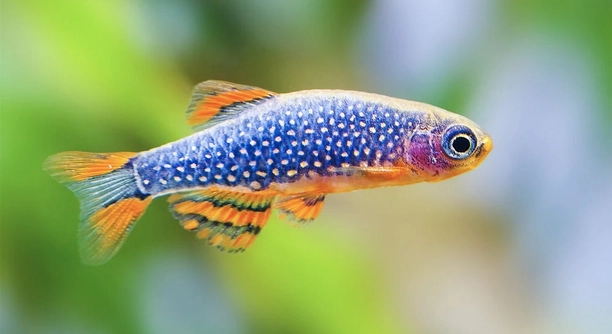
Overcrowded danio tanks can make caring for your fish more stressful than expected. Even a small increase in the number of fish can affect water quality, fish behavior, and overall tank harmony. Many hobbyists overlook these issues initially.
Overcrowding in danio tanks leads to increased stress, rapid depletion of oxygen, accumulation of toxins, heightened disease risk, aggressive behavior, poor growth, and disrupted social structures. Proper stocking density and regular monitoring are essential to maintain healthy aquatic environments.
Managing the number of danios in your tank is key to avoiding common health and behavioral problems that compromise their wellbeing. Careful planning ensures a balanced, lively, and thriving aquarium environment.
Reduced Oxygen Levels
When danio tanks become overcrowded, the oxygen in the water can drop quickly. Fish consume oxygen constantly, and more fish means faster depletion. This can cause gasping at the surface, lethargy, and even sudden deaths if left unaddressed. Proper aeration and limiting the number of fish are crucial. Plants can help oxygenate water, but they cannot replace adequate space and filtration. A tank that looks full may seem lively, but the fish are competing silently for the oxygen they need. Overcrowding also increases the amount of waste produced, which affects the chemical balance of the water and reduces oxygen further. Even minor drops in oxygen can stress danios and weaken their immune systems. Observing fish behavior daily helps catch problems before they escalate. Adjusting the number of fish, increasing water flow, or adding air stones can prevent critical oxygen shortages. Every tank has a threshold, and keeping within safe limits keeps your danios healthy and active.
Maintaining proper oxygen levels prevents stress, improves immunity, and promotes regular activity in danios. Monitoring aeration and water quality is essential.
Oxygen depletion not only harms fish directly but also impacts overall tank stability. Stressed fish are more prone to disease, aggression, and reduced feeding efficiency. In tanks with high density, even small fluctuations in temperature or water chemistry can trigger oxygen shortages. Regular water changes, careful monitoring, and thoughtful tank stocking help maintain a stable environment. By paying attention to how your fish behave, you can adjust tank conditions proactively and avoid serious health issues. Overcrowded tanks may appear lively, but the long-term effects can reduce lifespan and wellbeing.
Increased Disease Risk
Overcrowded tanks make it easier for pathogens to spread quickly among danios.
Fish in tight spaces have higher stress levels, weakening immune responses. Parasites, bacteria, and fungal infections can move rapidly. Consistent cleaning, quarantine of new fish, and reducing tank density minimize outbreaks. Regular observation and quick treatment prevent minor infections from becoming serious problems.
Stress from overcrowding compromises natural defenses and encourages frequent illness. Diseases like fin rot, ich, and bacterial infections become more common, spreading from fish to fish. High density means that treatments are more complicated, as chemical levels must remain safe for all inhabitants. Infected fish can transmit pathogens even before symptoms appear, making prevention vital. Maintaining a clean tank, removing uneaten food, and monitoring water quality help limit disease risk. Even small infections can escalate quickly in tight conditions, affecting the entire population. By keeping an appropriate number of danios, you reduce stress and give each fish space to thrive, ultimately promoting stronger immune systems and a healthier tank ecosystem.
Aggressive Behavior
Overcrowded danio tanks often trigger aggression. Fish chase each other, nip fins, and compete for space. This behavior stresses all inhabitants and can cause injury. Separating fish or reducing tank density helps restore peace.
Aggression increases when fish feel confined. In tight spaces, danios have less room to escape, leading to frequent confrontations. Dominant fish may target weaker ones, causing torn fins, bruising, and persistent stress. This behavior can reduce appetite and weaken immune systems. Proper tank size, hiding spots, and even schooling dynamics reduce aggression and allow peaceful coexistence. Observing fish interactions daily helps identify which individuals are at risk and whether adjustments to stocking or layout are needed to keep the group balanced and harmonious.
Aggressive behavior also impacts the overall health of the tank. Injured fish release stress chemicals, affecting others nearby. Over time, constant chasing can lead to chronic stress, reducing growth rates and immunity. Even minor injuries may become infected if untreated. Rearranging decorations and providing more space can break up territories and reduce conflicts. Ensuring fish have room to swim freely and retreat when needed creates a calmer, healthier environment, allowing danios to show natural behavior without constant stress or harm.
Poor Water Quality
Overcrowded tanks produce excess waste, quickly deteriorating water quality. Ammonia, nitrites, and nitrates rise, creating a toxic environment for danios. Regular testing and partial water changes help manage levels.
High fish density accelerates waste buildup, overwhelming filtration systems. Uneaten food, feces, and decaying plant matter contribute to chemical spikes, harming gill function and overall health. Poor water quality stresses fish, making them vulnerable to infections and behavioral problems. Frequent testing and maintenance prevent toxic conditions from developing. Aeration and adequate filtration support cleaner water but cannot replace reducing fish numbers. Keeping the tank clean and monitoring chemical levels ensures that danios have a safe and stable home, minimizing the risk of disease outbreaks and chronic stress.
Persistent poor water conditions have long-term effects on danios. Ammonia burns gills, nitrites reduce oxygen-carrying capacity, and high nitrates can stunt growth. Overcrowding magnifies these risks because waste accumulates faster than it can be processed. Even experienced keepers may struggle with maintaining balance in a packed tank. Daily observation, feeding control, and scheduled water changes are necessary to prevent chemical spikes. Plants can help absorb nutrients, but they are not a replacement for proper maintenance. Reducing the number of fish to match the tank’s filtration capacity ensures a healthier environment, protecting both physical health and behavior.
Stunted Growth
Overcrowded danio tanks can slow fish growth. Limited space and competition for food prevent proper development. Fish may remain smaller than their potential size.
Nutrient access is uneven in dense tanks. Some danios eat more while others struggle, causing uneven growth rates. Consistent feeding and reducing overcrowding help fish reach healthy sizes.
Weakened Immune Systems
Chronic stress from overcrowding reduces danios’ immune responses. Stress hormones suppress disease-fighting abilities, making fish more susceptible to infections. Proper stocking and a calm environment strengthen immunity and support overall health.
Difficulty Maintaining Cleanliness
Overcrowded tanks accumulate waste faster. More frequent cleaning, vacuuming substrate, and monitoring water parameters are required to keep the tank habitable for danios.
FAQ
How many danios can I keep in one tank?
The ideal number depends on tank size. A common guideline is one danio per gallon of water. Smaller tanks should hold fewer fish to avoid stress, aggression, and oxygen depletion. Overcrowding even by a few fish can quickly create problems with water quality and overall health.
What signs indicate my danios are stressed from overcrowding?
Signs include constant chasing, nipping fins, gasping at the surface, lethargy, and reduced appetite. Stress can also show as faded colors or unusual hiding behavior. Observing daily behavior helps identify overcrowding issues early so adjustments can be made before health declines.
How often should I clean an overcrowded tank?
In dense tanks, water changes should happen more frequently than usual, sometimes 25-50% weekly. Remove uneaten food, vacuum the substrate, and monitor ammonia, nitrite, and nitrate levels. Frequent cleaning helps reduce disease risk and keeps oxygen levels adequate.
Can adding plants help overcrowded danios?
Plants improve water quality slightly by absorbing nitrates and providing hiding spaces. However, they do not solve oxygen shortages or reduce aggression caused by too many fish. Plants are a helpful supplement but cannot replace proper stocking and regular maintenance.
What should I do if fish aggression becomes severe?
Separate the most aggressive individuals or reduce overall fish numbers. Rearranging tank decorations to break up territories and providing hiding spots also helps. Aggression is often worse in tight spaces, so giving fish room to swim freely reduces conflicts and improves overall wellbeing.
Will overcrowding affect fish growth permanently?
Yes, long-term overcrowding can stunt growth. Fish compete for food, space, and oxygen, which slows development. Even after reducing tank density, some fish may remain smaller than their potential size. Maintaining proper numbers from the start is key for healthy growth.
How do I prevent disease in a crowded tank?
Regular water testing, partial water changes, and careful feeding reduce disease risk. Quarantining new fish before introducing them, keeping tanks clean, and monitoring fish behavior ensures that infections are caught early and do not spread rapidly.
Is it safe to add new danios to an existing tank?
Only if the tank is large enough and water quality is stable. Adding new fish to a crowded tank can quickly worsen stress, disease risk, and aggression. It’s better to expand tank size or remove some fish first.
What equipment helps manage overcrowding effects?
Strong filtration, air stones, and water pumps improve oxygen and maintain chemical balance. Thermometers and test kits help monitor water conditions. While equipment supports tank health, reducing fish numbers remains the most effective solution for overcrowding problems.
Can I fix an overcrowded tank without removing fish?
Partial solutions include increasing filtration, adding aeration, and providing more hiding spots. These measures help temporarily, but overcrowding stress, aggression, and waste buildup will persist. The best solution is adjusting the number of fish to match the tank’s capacity.
How long does it take for a tank to recover after reducing overcrowding?
Recovery can take several days to weeks. Water chemistry stabilizes with proper maintenance, stress levels decrease, and fish gradually return to normal behavior. Patience and continued monitoring are necessary to ensure full recovery and long-term health.
Are there long-term effects of keeping danios overcrowded?
Yes, chronic stress, stunted growth, frequent illness, and shortened lifespan are common. Even mild overcrowding over months can weaken immunity and increase susceptibility to infections. Preventing overcrowding early is essential for healthy, active, and longer-living danios.
Can diet help offset overcrowding stress?
Feeding high-quality food in proper amounts can improve resilience, but it cannot fully counteract the negative effects of tight spaces. Overfeeding in an overcrowded tank can worsen water quality issues. Balanced nutrition supports health, but space and oxygen are critical.
How can I tell if my tank is at the right density?
Observe behavior, swimming patterns, and health. Fish should have room to move freely, minimal aggression, and regular feeding opportunities. Water tests should show low ammonia, nitrite, and nitrate levels. Proper density maintains both fish wellbeing and tank stability.
Is there a rule of thumb for preventing overcrowding in the future?
Always consider adult fish size and growth potential. Start with fewer fish than maximum capacity, allow space for future growth, and monitor behavior closely. Consistent maintenance, testing, and adjustments prevent overcrowding before problems develop.
What should I do if I notice fin damage or injuries?
Remove injured fish if possible, treat infections promptly, and reduce tank density to prevent further aggression. Rearranging decorations and adding hiding spaces also reduces conflict, giving fish time to heal and regain strength.
How do I manage multiple tanks to prevent overcrowding?
Distribute fish according to tank size and species needs. Avoid moving too many fish into one tank at once. Maintain separate equipment and cleaning schedules to ensure each tank remains balanced and healthy.
Can overcrowding cause behavioral changes in danios?
Yes, it can cause constant chasing, hiding, loss of schooling behavior, and erratic swimming. Fish may become unusually aggressive or withdrawn. Reducing density restores normal social interactions and natural behavior patterns.
How do I know when it’s safe to add new fish after reducing overcrowding?
Wait until water chemistry stabilizes, fish behavior returns to normal, and the tank has space for additional individuals. Gradually introducing new fish while monitoring reactions ensures minimal stress and maintains a healthy environment.
What is the most effective way to prevent overcrowding long-term?
Plan tank stocking carefully, consider fish growth, monitor behavior and water quality, and avoid impulse additions. Maintaining an appropriate number of fish ensures healthier, calmer, and longer-living danios, reducing stress and disease risks over time.
This FAQ addresses the common challenges and solutions for overcrowded danio tanks, helping to manage health, behavior, and water quality effectively.
Overcrowding in danio tanks is a common problem that can affect the health and behavior of your fish in many ways. When too many danios share a small space, it leads to increased competition for food, oxygen, and hiding spots. Fish may become stressed, aggressive, or more prone to disease. Water quality can deteriorate quickly, with waste and uneaten food raising levels of ammonia, nitrites, and nitrates. Even small tanks that seem full can create these problems over time. Observing daily behavior and checking water parameters are essential steps in maintaining a balanced environment. Stress is not always obvious, but subtle signs such as fading colors, lethargy, or irregular swimming can indicate that the tank is too crowded. Keeping fewer fish than the maximum suggested number is often the best way to prevent these issues and ensure your danios thrive.
Proper tank size, adequate filtration, and consistent maintenance are important, but they cannot replace the need for enough space. Overcrowding affects growth rates as smaller or weaker fish may not get enough food, while dominant fish consume more than their share. Stress from aggression, chasing, and confined movement reduces immune system strength, making fish vulnerable to infections. High-density tanks also make treating illness more difficult because chemicals or medications must be safe for all the fish present. Aeration and live plants can help improve water quality, but they are only supplementary measures. A well-planned setup that respects the number of fish a tank can safely hold is the most reliable way to maintain long-term health, stability, and harmony within the aquarium.
By managing tank density carefully, you create a calmer, healthier environment for danios. Regular water changes, careful monitoring, and observing interactions between fish help prevent problems before they escalate. Providing hiding spots, rearranging decorations, and ensuring all fish have space to swim freely reduce stress and aggression. Proper stocking also supports normal growth, stronger immunity, and natural behavior patterns, allowing fish to live longer and more active lives. Taking the time to plan tank populations and maintain water quality benefits both the fish and the experience of caring for them. Even minor adjustments in tank density can make a significant difference in overall wellbeing. Ensuring your danios have enough space is not only about preventing problems but also about giving them the best opportunity to thrive, showing their natural behavior, and enjoying a stable, vibrant aquarium.

Hello,
If you enjoy the content that we create, please consider saying a "Thank You!" by leaving a tip.
Every little bit helps us continue crafting quality advice that supports the health, happiness, and well-being of pets around the world, for pets of all shapes, sizes, and species.
We really appreciate the kindness and support that you show us!