
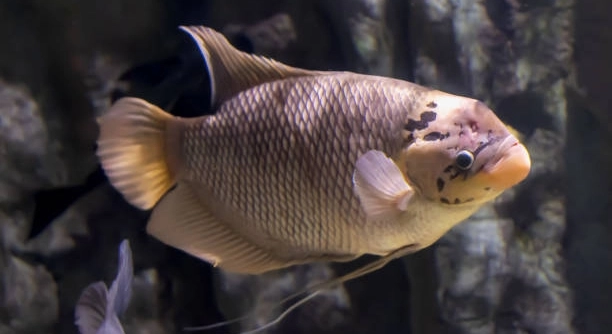
Are your gouramis struggling to eat properly, even with food right in front of them? Finding the right feeding tool can make all the difference in helping them stay healthy, active, and well-fed in their tank.
The most effective feeding tools for gourami include floating feeding rings, slow-release feeders, turkey basters, and feeding tongs. These tools help control food distribution, reduce waste, and ensure your gouramis can feed calmly without stress or aggression.
Each option on this list offers a simple way to support your gouramis’ natural feeding habits and promote a more peaceful aquarium environment.
Floating Feeding Rings
Floating feeding rings are one of the easiest tools to manage food placement in a gourami tank. These rings keep floating food in one area, helping reduce mess and overfeeding. Gouramis are surface feeders, so keeping food from drifting makes it easier for them to grab each bite. It also prevents other tank mates from interfering too much during feeding time. With less waste floating around, your tank stays cleaner for longer. You’ll notice less uneaten food sinking to the bottom, which also means better water quality overall. These rings are especially helpful in community tanks where feeding competition is common.
This simple ring can make mealtimes less stressful for your gouramis while helping you keep a cleaner tank.
Choose a ring that’s the right size for your tank. Soft silicone or plastic options are gentle and won’t damage your tank walls. Some rings even come with suction cups to keep them in place. You can place floating pellets, flakes, or even broken-up wafers inside. Watch how your gouramis approach the ring—they tend to become more confident feeders when their food stays still. Floating rings are a good first step if you’re struggling with food scattering or overly aggressive feeding behavior in your tank.
Feeding Tongs
Feeding tongs are great for delivering food directly to specific gouramis without causing panic or disturbing the tank setup.
Tongs help you guide treats like bloodworms or brine shrimp to one spot. You’ll have more control and can make sure shy or slow gouramis get their share. Some tongs are long and made of plastic or stainless steel, which keeps your hands dry and safe. Others have soft tips for gentler handling. Use them during treat time or when feeding picky eaters. It’s also useful when training your gouramis to take food from one area.
When you use tongs, go slow and avoid fast movements that might scare the fish. Hold the food steady near the water surface or just under it, depending on your gourami’s feeding style. They often come to investigate after a few seconds. Over time, they’ll associate the tongs with feeding and may even wait in the same spot during meal times. This makes things easier when treating one fish separately due to illness or behavior.
Slow-Release Feeders
Slow-release feeders are helpful when you’re away for a few days or want to avoid overfeeding. These feeders dissolve slowly, releasing food over time, which keeps your gouramis fed without needing constant attention or feeding schedules.
These blocks come in different sizes and formulas, depending on how long you need them to last. Some dissolve in a day, while others can feed your gouramis for up to a week. They’re easy to use—just drop one in the tank and let it do the work. Choose a formula designed for tropical fish to meet your gouramis’ needs. Keep in mind that some blocks can cloud the water if your tank doesn’t have good filtration. Testing one beforehand can help you see how your tank reacts. Slow-release feeders are best used occasionally and not as a full replacement for regular feedings.
If you have a community tank, make sure all the fish can access the feeder. Gouramis are surface feeders, so place the block where they naturally swim. Avoid letting it sit too close to the filter output or buried under decorations. Watch how your gouramis respond the first time—it may take them a moment to figure it out. Slow-release feeders can be a reliable tool when used carefully and sparingly.
Turkey Basters
Turkey basters help target-feed your gouramis with soft or liquid-style foods. They let you control the flow and placement of food, which can be great for frozen or gel-based meals. This method reduces waste and helps shy fish eat in peace.
Choose a baster with a soft, narrow tip that fits into your tank without creating a mess. Suck up a bit of food, and gently release it near the surface where your gouramis feed. This works especially well if you’re offering thawed bloodworms or baby brine shrimp. You can also use this method to give medication-laced food directly to the right fish. Be gentle with the flow to avoid startling them. It gives you much more control than simply dumping food into the tank.
Use the baster consistently if your gouramis need help competing during feeding time. Position it at the surface, where they naturally search for food. Over time, they’ll begin to recognize the motion and respond quickly. Rinse the baster after each use to avoid leftover particles getting stuck inside. Turkey basters may seem simple, but they work well for focused feeding and reducing stress in the tank.
Feeding Spoons
Feeding spoons are helpful when offering gel foods or small amounts of soft foods. They allow you to control the portion and placement, making sure the food stays intact. This method also limits waste and keeps things tidy during feeding time.
Use a shallow, soft-edged spoon that won’t disturb the water too much. Lower it just to the surface or slightly below, depending on your gouramis’ behavior. It’s especially useful when feeding one or two fish at a time. The gentle delivery keeps the fish relaxed and encourages healthy feeding habits.
Feeding Dishes
Feeding dishes are useful for sinking foods like pellets or bottom-feeder tablets, even though gouramis prefer surface feeding. Some will explore the mid or bottom levels, especially if food is easy to access. A dish keeps food in one place, making it easier to clean up later. It also prevents uneaten bits from scattering across the substrate. Glass or ceramic dishes work best since they stay in place and are easy to rinse. Over time, your fish may learn to associate the dish with feeding, which can also help manage aggression during meals in a community tank.
Pipettes
Pipettes give you control over where the food goes, especially in smaller tanks. They’re great for liquid foods or finely chopped soft foods. This tool is gentle, easy to use, and helps you focus feeding on individual gouramis.
FAQ
What is the best feeding tool for beginner gourami owners?
For beginners, floating feeding rings are often the best choice. They’re simple to use and keep food in one place at the water surface, making it easy for gouramis to find and eat their food. These rings help reduce waste and keep your tank cleaner, which is important if you’re new to fish care.
Floating rings also prevent food from scattering all over the tank, which can lead to water quality problems. They’re affordable, easy to clean, and don’t require any special skills to use. This makes them a practical first step before trying more advanced feeding tools like tongs or slow-release feeders.
How do feeding tongs help with aggressive gouramis?
Feeding tongs allow you to deliver food directly to individual gouramis, which can reduce competition and aggression during mealtime. Gouramis can become territorial, especially if food is scarce or scattered. By targeting specific fish with tongs, you help shy or less dominant gouramis get enough to eat.
This direct feeding method also helps prevent stronger gouramis from stealing all the food. It can reduce chasing or bullying behavior and make feeding less stressful for everyone in the tank. Over time, your gouramis may even learn to recognize feeding from the tongs and respond calmly.
Are slow-release feeders safe for all types of gouramis?
Slow-release feeders can be safe for most gouramis if used correctly, but they shouldn’t replace regular feedings. These feeders slowly dissolve and release food over time, which is helpful if you’re away or want to avoid overfeeding. However, some gouramis might not adapt quickly to this feeding style.
It’s important to choose slow-release blocks designed specifically for tropical fish. Using the wrong type can lead to poor nutrition or water quality problems. Also, if your tank has poor filtration, the dissolving food can cloud the water. Always monitor your tank’s response and remove leftover feeders if needed.
How often should I clean feeding tools?
Cleaning feeding tools after every use is important to prevent bacteria and algae buildup. Tools like feeding tongs, basters, and spoons can collect leftover food particles, which may rot and harm water quality if not cleaned properly.
Rinse tools with warm water and, if needed, use a mild brush to remove stuck food. Avoid using soap or chemicals that could harm your fish. Regular cleaning keeps tools safe and extends their lifespan. It also helps prevent contamination or illness in your gouramis.
Can feeding dishes help reduce tank mess?
Feeding dishes can help reduce mess by containing sinking foods in one spot. Although gouramis are mainly surface feeders, some will investigate food at lower levels. A dish keeps pellets or tablets from scattering across the tank bottom.
This makes it easier to clean uneaten food and prevents it from mixing with substrate or decorations. Choose a heavy dish that won’t tip over easily. Using dishes can also help reduce competition by signaling a specific feeding spot, which some gouramis learn to recognize.
Is it okay to use a turkey baster for daily feeding?
Using a turkey baster for daily feeding is possible but not always practical. Basters give precise control over soft or liquid foods, which is great for treating or feeding picky gouramis. However, for regular pellet or flake feeding, it can be time-consuming.
Basters work best when you want to avoid disturbing the tank or need to feed a single fish directly. They also help reduce food waste and stress. If your gouramis accept other feeding methods, reserve the baster for special occasions like feeding frozen foods or medication.
How do I train gouramis to feed from tongs or basters?
Start by offering food near the gouramis with your hand or the tool in the water. Move slowly to avoid scaring them. Repeat feeding at regular times to help your fish associate the tool with food. Over time, gouramis will approach the tool on their own.
Patience is key—some gouramis may take days or weeks to feel comfortable. Use small amounts of favorite foods to encourage them. Avoid sudden movements and keep the environment calm during feeding. Consistent, gentle practice builds trust and makes targeted feeding easier.
What should I avoid when choosing feeding tools?
Avoid tools with sharp edges or rough surfaces that could harm your gouramis. Plastic or metal tools with harsh tips might damage delicate fins or skin. Also, don’t use feeding tools designed for other animals unless you’re sure they’re safe for fish.
Stay away from tools that leave residues or chemicals in the tank. Always rinse new tools before use and test how your gouramis respond. Avoid overcrowding the tank with feeding devices, which can cause stress or confusion. Choose simple, fish-safe tools suited to your tank size and gouramis’ behavior.
Final Thoughts
Choosing the right feeding tools for your gouramis can make a big difference in their health and happiness. Using tools that suit their natural feeding habits helps ensure they get enough food without stress. Gouramis are surface feeders by nature, so tools like floating feeding rings or spoons work well. These tools keep food near the surface where gouramis are comfortable eating. At the same time, using the right tools prevents food from scattering and keeps the tank cleaner, which is better for water quality and the fish’s well-being.
It is also important to consider your gouramis’ personalities when selecting feeding tools. Some gouramis are shy or less aggressive during feeding, so tools like feeding tongs or pipettes can help deliver food directly to them. This prevents stronger gouramis from dominating the food supply. On the other hand, slow-release feeders can be useful in certain situations, such as when you need to be away for a few days. However, they should not replace regular feedings because some gouramis may not adjust well to this method. Always observe how your fish respond and adjust your feeding tools and schedule accordingly.
Maintaining clean feeding tools is another key factor. Dirty or leftover food on tools can lead to bacteria growth, which may harm your gouramis and affect tank water quality. Cleaning feeding tools thoroughly after each use helps keep your tank environment safe and healthy. Remember that each tank and group of gouramis is unique, so it might take some time to find the feeding tools and methods that work best for you. With patience and attention, you can create a feeding routine that supports your gouramis’ health and reduces stress for both you and your fish.

Hello,
If you enjoy the content that we create, please consider saying a "Thank You!" by leaving a tip.
Every little bit helps us continue crafting quality advice that supports the health, happiness, and well-being of pets around the world, for pets of all shapes, sizes, and species.
We really appreciate the kindness and support that you show us!