
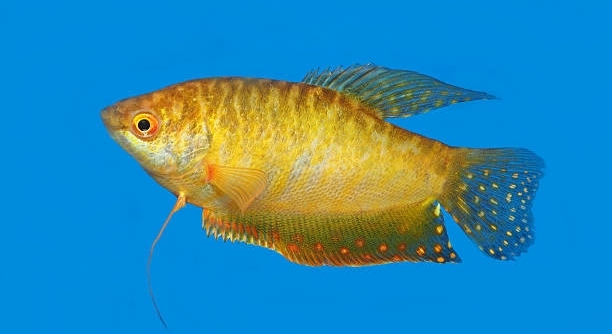
Gourami are popular freshwater fish known for their peaceful nature and unique behaviors. Their interactions with the tank environment, especially sand and gravel, play an important role in their well-being. Understanding these behaviors helps aquarium keepers provide a better habitat.
Gourami interact with sand and gravel in several ways, including foraging for food, digging, resting, and establishing territory. These interactions affect their health and tank cleanliness and reveal their natural instincts in captivity.
Exploring how gourami use their substrate sheds light on their daily habits and needs. This knowledge can improve tank care and create a more balanced environment for these gentle fish.
Foraging and Sand Interaction
Gourami often sift through sand and gravel to find food. They use their mouths to pick up small particles and examine them closely. This behavior is natural and helps them find tiny bits of food that may have fallen to the bottom of the tank. In a well-maintained aquarium, uneaten flakes or pellets often settle on the substrate, attracting gourami to forage. Sometimes, this searching causes the fish to move the sand around gently, creating small patterns or pits. This digging is not aggressive but more about exploring and feeding. It is important to use soft sand or smooth gravel to prevent injury during this activity. Proper substrate choice can also mimic the gourami’s natural environment, reducing stress and encouraging natural behaviors. When sand or gravel is too rough or sharp, gourami might avoid interacting with it, which can affect their feeding habits. Observing this behavior can help you understand how your gourami adjust to their tank setup and substrate.
Gourami foraging in sand helps keep the tank floor clean and reduces leftover food, which benefits water quality.
Foraging is one of the main ways gourami interact with sand and gravel. This action shows their instinct to search for food and stay active. It also provides natural enrichment, which is important for their mental health. If you notice your gourami frequently digging or sifting, it’s a good sign they are comfortable in their environment. Providing a suitable substrate and hiding spots will support this natural foraging. Over time, you might see small changes in the tank floor caused by their movements. These changes are normal and reflect a healthy fish behavior. Encouraging this interaction helps prevent boredom and promotes physical exercise, which contributes to the overall well-being of your gourami.
Resting and Territory Marking
Gourami often rest on or near sand and gravel, using the substrate as a comfortable spot.
Gourami also use the substrate to mark their territory by rearranging small areas of sand or gravel. This behavior helps establish boundaries within the tank and reduces conflicts with other fish. Marking territory can involve moving substrate particles or creating small depressions. This subtle activity lets other fish know the gourami’s preferred space, promoting peace in a community tank. Additionally, resting on the substrate allows gourami to conserve energy and feel secure. Choosing a soft, fine substrate helps them rest without discomfort. When the substrate matches their natural habitat, gourami feel more at ease, which can improve their overall health. Noticing these interactions can help aquarium owners adjust the tank layout or substrate to better support their gourami’s needs. Observing how gourami interact with sand and gravel during resting and territory marking provides insight into their social behaviors and comfort levels.
Cleaning and Sand Movement
Gourami help keep the substrate clean by stirring up sand and gravel while searching for food. This natural movement prevents debris from settling too long in one spot.
This stirring action can help prevent harmful bacteria buildup by increasing water circulation near the tank floor. When gourami move sand or gravel, it loosens particles that might trap waste or uneaten food. This helps keep the environment healthier for all tank inhabitants. However, too much movement can cloud the water, so regular tank maintenance is still important. Providing a balanced environment with clean water supports gourami’s natural cleaning behavior and keeps the tank looking nice.
Some gourami also use their fins and bodies to gently move sand while exploring. This movement is subtle but effective for uncovering hidden food and mixing the substrate. Watching this behavior can be calming and shows the fish are active and healthy. It’s another way gourami naturally interact with their environment and contribute to tank balance.
Breeding and Nesting Behavior
During breeding, gourami use sand and gravel to help build bubble nests or protect eggs. They choose calm areas where the substrate is stable.
Gourami males create bubble nests at the water surface, but the choice of substrate below is important too. A soft sandy or fine gravel base supports the tank’s overall environment, helping the male feel secure enough to focus on nest building. Sometimes, the male will clean or clear an area of substrate to prepare the space, keeping it free from debris that might disturb the eggs. This behavior shows how gourami depend on the substrate indirectly during breeding.
Breeding gourami may also gently move the substrate when guiding eggs or fry. This action helps keep the young safe and encourages healthy development. Creating a suitable substrate environment improves breeding success and supports natural behaviors during this critical phase. Providing the right sand or gravel type can make a noticeable difference for gourami breeders.
Sand as a Safe Zone
Gourami often use sand and fine gravel as a soft resting place to avoid injury. This makes them feel safe and comfortable.
A smooth substrate reduces stress and helps prevent damage to their delicate fins and bodies, especially for species with long fins.
Social Interaction Near Substrate
Gourami sometimes gather near the substrate to interact with tank mates or explore together. This behavior strengthens social bonds and reduces aggression in community tanks.
Substrate and Water Quality
The type of substrate affects how well the tank filters waste and maintains water quality. Sand can trap debris more than gravel, so regular cleaning is important.
Feeding Behavior and Substrate Preference
Gourami show a preference for fine sand or small gravel when foraging, as it’s easier to sift through for food particles.
What type of substrate is best for gourami tanks?
The best substrate for gourami tanks is usually fine sand or smooth gravel. These types of substrate are gentle on their delicate fins and bodies. Fine sand also allows gourami to easily forage for food particles. Rough or sharp substrates can cause injury or stress. A substrate that mimics their natural environment helps them feel more comfortable and encourages natural behavior like digging or resting. Additionally, sand and smooth gravel are easier to clean, which is important for maintaining good water quality.
How do gourami interact with sand differently than gravel?
Gourami tend to sift through sand more easily because it is finer and softer. Sand allows them to find hidden food particles with less effort. Gravel, especially if it’s large or sharp, may discourage digging or foraging. Gourami may avoid moving rough gravel to prevent injury. Sand also provides a softer resting place. However, gravel can help with better water flow and reduce compacting in the substrate, so a mix of both can work if chosen carefully.
Can gourami damage plants by digging in the substrate?
Yes, gourami can sometimes move or disturb plants while digging in sand or gravel, especially if the roots are shallow. This behavior is natural and part of their foraging or territory marking. Using plants with strong root systems or anchoring them well can reduce this issue. Floating plants or those in pots can also protect roots from being uprooted. Understanding this behavior helps when designing the tank layout to keep plants healthy.
Does substrate choice affect gourami breeding success?
Substrate can indirectly affect breeding success. While gourami build bubble nests at the water surface, having a soft, stable substrate like fine sand or smooth gravel helps the male feel secure. It also keeps the tank clean by preventing waste buildup near breeding areas. Clean water and stable conditions support healthy eggs and fry. Providing hiding spots near the substrate can further encourage breeding and protect young fish.
How often should the substrate be cleaned in a gourami tank?
Substrate should be cleaned regularly, about once every two weeks, depending on the tank size and number of fish. Uneaten food and waste can settle in sand or gravel, leading to poor water quality. Using a siphon vacuum helps remove debris without disturbing the entire substrate. Over-cleaning can remove beneficial bacteria, so balance is important. Regular water changes combined with substrate cleaning maintain a healthy environment for gourami.
Will gourami create visible changes in the substrate over time?
Yes, gourami’s natural behaviors like digging, foraging, and territory marking often change the appearance of the substrate. You might notice small pits, moved gravel, or slight patterns where they have been active. These changes show that the fish are engaging with their environment, which is a healthy sign. Some rearrangement is normal and should not be a cause for concern unless it leads to excessive cloudiness or mess.
Can the substrate affect the overall health of gourami?
Absolutely. A suitable substrate helps reduce stress and prevents injury. Soft sand or smooth gravel protects their fins and skin. Clean substrate reduces harmful bacteria and toxins, supporting better water quality. Stress from poor substrate choice can weaken their immune system, making them prone to illness. Providing an environment that encourages natural behaviors and keeps the tank clean directly supports gourami’s health and longevity.
Is it okay to mix sand and gravel in a gourami tank?
Mixing sand and gravel can work well if done carefully. Sand offers softness and ease for foraging, while gravel improves water flow and prevents compaction. When mixing, keep the sand layer thin to avoid anaerobic spots and ensure the gravel is smooth. This combination can balance the benefits of both substrates, providing a comfortable habitat for gourami and easier maintenance for the keeper.
How can I encourage gourami to forage more in the substrate?
To encourage foraging, scatter small amounts of sinking pellets or natural foods like bloodworms near the substrate. Using fine sand makes it easier for gourami to sift through. Avoid overfeeding at the surface, which reduces their need to search below. Observing their natural digging and sifting behavior often means they are comfortable and stimulated. Keeping the substrate clean and providing variety in diet supports active foraging.
What signs show that gourami are unhappy with the substrate?
Signs include avoiding the bottom of the tank, hiding more than usual, or showing damaged fins. If gourami stop foraging or digging, the substrate might be too rough or uncomfortable. Cloudy water from excessive digging could indicate stress or unsuitable substrate. Fish may also become more aggressive if territory is hard to establish on an uneven substrate. Adjusting to a softer, cleaner substrate often improves their behavior and comfort.
Gourami have unique ways of interacting with the sand and gravel in their tanks. Their behaviors, such as foraging, resting, and even marking territory, show how important the substrate is for their well-being. Choosing the right type of sand or gravel helps gourami feel safe and comfortable. Soft, fine sand or smooth gravel works best because it allows them to dig and search for food without hurting themselves. When the substrate fits their natural habits, gourami are less stressed and more active. This leads to healthier fish and a more balanced tank environment.
The way gourami move and change the substrate also helps keep the tank cleaner. By stirring up sand and gravel, they prevent waste from settling too long in one place. This natural activity supports good water quality, which is essential for their health. Still, regular tank cleaning is necessary to maintain the best conditions. Watching gourami interact with the substrate can give clues about their health and mood. If they are digging and exploring often, it usually means they are comfortable and happy in their home.
When it comes to breeding, substrate plays a helpful but indirect role. Gourami build bubble nests at the water surface, but a stable, soft substrate below adds to their comfort and security. Providing a suitable environment encourages natural behaviors and improves chances of successful breeding. Overall, paying attention to how gourami interact with sand and gravel is key to creating a healthy and peaceful aquarium. This simple aspect of tank setup can make a big difference in how your gourami live and thrive every day.

Hello,
If you enjoy the content that we create, please consider saying a "Thank You!" by leaving a tip.
Every little bit helps us continue crafting quality advice that supports the health, happiness, and well-being of pets around the world, for pets of all shapes, sizes, and species.
We really appreciate the kindness and support that you show us!