
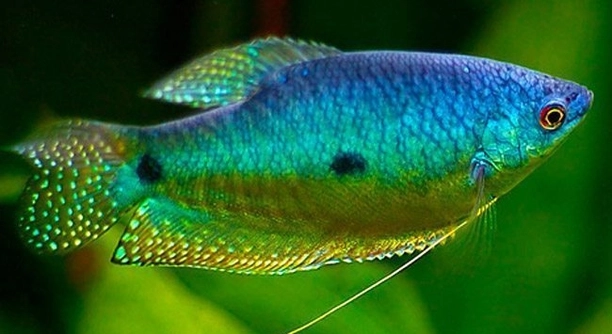
Is your gourami staying away from brightly lit areas in its tank? Many fish show preferences for certain environments, and lighting can influence their behavior. Understanding why your gourami avoids lighted spots can help improve its comfort and wellbeing.
Gouramis tend to avoid lighted areas primarily because they seek shelter and security in shaded or dim environments. Excessive light can cause stress or discomfort, prompting them to retreat to darker zones that better mimic their natural habitat and provide protection.
Recognizing your gourami’s lighting preferences is important for creating a suitable tank environment. This article will help you better understand their behavior and improve their living conditions.
Understanding Gourami Behavior in Lighted Environments
Gouramis are native to slow-moving or still waters where light levels are often low due to dense vegetation or murky conditions. In aquariums, bright lighting can feel unnatural and overwhelming to them. These fish rely heavily on their environment to feel safe, and strong illumination may cause discomfort or make them feel exposed to predators. Many gouramis prefer to stay near plants, rocks, or decorations that offer shade and shelter. When their tank lighting is too intense, they often retreat to dimmer corners or behind objects. Over time, this avoidance of bright areas can indicate stress or a need for adjustment in tank conditions. Monitoring how your gourami reacts to light changes helps in creating a more balanced environment that suits their natural preferences.
Providing shaded areas mimics their natural habitat and encourages normal activity. Proper lighting levels support their health without causing anxiety.
Adjusting the lighting in your aquarium can make a big difference. Using dimmable lights or adding floating plants allows light to diffuse naturally. This creates zones of brightness and shade, giving gouramis choices about where to spend their time. Observing these patterns helps determine the right lighting balance. Keeping light exposure consistent, with periods of darkness, also aligns with their natural rhythms. Too much light not only stresses gouramis but can encourage algae growth, which might affect water quality. Carefully chosen lighting supports both fish health and tank aesthetics. It is important to remember that each gourami may react differently depending on species, age, and tank setup, so gradual changes are recommended.
How Tank Setup Influences Light Avoidance
Tank arrangement plays a significant role in how your gourami interacts with lighted areas. If the tank lacks sufficient hiding spots or shaded zones, the fish will feel vulnerable. Adding plants, rocks, or driftwood offers natural cover that breaks up harsh lighting and creates a more comfortable environment. These features simulate the gourami’s natural surroundings and reduce stress caused by exposure. Placement of decorations near light sources allows gouramis to retreat without completely leaving the illuminated area.
Proper tank setup supports both physical and mental wellbeing, encouraging your gourami to be more active and confident. Maintaining a variety of lighting intensities and hiding places helps your fish thrive and minimizes their avoidance behavior.
Common Stressors That Cause Light Avoidance
Light sensitivity in gouramis often signals underlying stress. Stressors like poor water quality, sudden changes in lighting, or overcrowding can increase their discomfort. When stressed, gouramis instinctively seek darker, safer spaces to recover. Addressing these factors is key to reducing their light avoidance behavior and promoting wellbeing.
Maintaining clean water with stable parameters reduces stress significantly. Fluctuations in temperature or ammonia levels make fish more sensitive to their surroundings. A well-filtered and regularly cleaned tank minimizes these issues. Also, avoiding sudden bright light changes helps gouramis adjust better. Slowly increasing light intensity or using timers to simulate natural daylight cycles allows fish to adapt gradually. Overcrowded tanks cause competition for space and hiding spots, further increasing stress and prompting avoidance of exposed areas.
Creating a calm environment with minimal disturbances helps gouramis feel secure. Regular tank maintenance and a consistent routine in lighting support their natural behavior and reduce stress-related hiding.
Adjusting Light Levels to Improve Gourami Comfort
Balancing light levels begins with choosing the right type of lighting for your tank. LED or fluorescent lights with adjustable intensity are ideal. These allow you to fine-tune brightness according to your gourami’s responses. Setting a gentle light intensity encourages more natural activity without overwhelming the fish.
Adding floating plants like water lettuce or duckweed diffuses light, softening harsh brightness. These plants create natural shaded zones, giving gouramis control over their exposure. Arranging tank decorations strategically to break direct light also helps. Consistent lighting schedules reinforce healthy rhythms, mimicking dawn and dusk cycles. Avoid leaving lights on for too long, as excessive illumination can increase stress and cause discomfort. Observing your gourami’s behavior daily guides necessary adjustments. A gradual approach to lighting changes ensures they remain comfortable and active throughout the day.
Natural Instincts and Light Avoidance
Gouramis naturally prefer shaded, quiet areas where they feel protected. Bright, open spaces can make them vulnerable, triggering instinctive avoidance. This behavior helps them stay safe from predators in the wild and reduces stress in captivity.
Their preference for dim environments is a survival mechanism. Providing plenty of hiding places mimics these conditions and supports their wellbeing.
Impact of Light Spectrum on Gourami Behavior
Different light spectrums affect gouramis differently. Blue and green wavelengths tend to be less stressful, while intense white or yellow light may cause discomfort. Adjusting the spectrum to softer hues can improve comfort and encourage more active behavior in lighted areas.
Signs That Light Is Causing Stress
Watch for signs like hiding constantly, loss of appetite, or lethargy. These indicate your gourami is uncomfortable with the lighting and may need adjustments.
Benefits of Creating Shaded Zones
Shaded zones reduce stress and encourage natural behavior. They provide a retreat from bright light and help gouramis feel secure within the tank.
FAQ
Why does my gourami hide in dark areas instead of swimming in the light?
Gouramis instinctively seek shelter in dim or shaded spots to feel safe. Bright lighting can make them feel exposed and vulnerable, especially if the tank lacks enough hiding places. They naturally avoid well-lit areas to reduce stress and protect themselves from perceived threats.
Can too much light harm my gourami?
Yes, excessive light can cause stress and discomfort. Overly bright tanks can disrupt their natural behavior, leading to hiding, reduced appetite, or lethargy. Too much light may also encourage algae growth, which affects water quality and fish health.
How can I reduce stress caused by lighting in my aquarium?
Use adjustable lighting and create shaded areas with plants or decorations. Gradually increase light intensity to help gouramis adapt. Maintain a consistent light cycle with periods of darkness to mimic natural conditions. Keep the water clean and avoid sudden lighting changes.
Is it normal for gouramis to be more active during low light?
Yes, gouramis often feel more comfortable and active in subdued lighting. Low light simulates their natural environment, making them less anxious and more likely to explore and interact with the tank.
What types of plants are best for providing shade in a gourami tank?
Floating plants like duckweed, water lettuce, and hornwort work well. They diffuse light and create shaded zones. Tall, broad-leafed plants also provide shelter and break direct light, helping gouramis feel more secure.
Can I use dimmable LED lights for my gourami tank?
Dimmable LED lights are an excellent choice. They allow precise control over brightness and color temperature, helping you find the optimal lighting for your gourami’s comfort. LEDs are energy-efficient and provide consistent light quality.
How long should the aquarium lights be on each day?
Generally, 8 to 10 hours of light per day is ideal. This schedule mimics natural daylight cycles and prevents overstimulation. Providing a dark period allows gouramis to rest and reduces stress related to continuous exposure.
What signs indicate that my gourami is stressed by lighting?
Common signs include hiding constantly, refusing food, sluggish movement, or rubbing against objects. Changes in color or fin clamping may also occur. If you notice these behaviors, consider adjusting your lighting setup.
Does the color of the tank background affect gourami light sensitivity?
Yes, darker backgrounds can reduce reflected light and create a calmer environment. Light or reflective backgrounds may increase brightness, causing discomfort. Using a neutral or dark background helps control overall tank light levels.
Can sudden changes in lighting cause my gourami to become aggressive or shy?
Sudden lighting changes can increase stress, leading to unusual behavior such as aggression or excessive shyness. Gradual adjustments and a consistent light schedule help prevent such responses and promote stable behavior.
Is it necessary to have a timer for aquarium lighting?
Timers are very useful for maintaining consistent light cycles. They ensure lights turn on and off at regular times, which supports your gourami’s natural rhythms and reduces stress caused by irregular lighting.
What role does water quality play in my gourami’s reaction to light?
Poor water quality increases stress and sensitivity to light. High ammonia, nitrite, or nitrate levels can weaken fish, making them more prone to avoid bright areas. Regular water changes and filtration maintain a healthy environment.
Can tankmates influence my gourami’s behavior in lighted areas?
Yes, aggressive or active tankmates can push gouramis into hiding, especially in brightly lit zones. Providing enough space and hiding spots helps reduce conflicts and allows gouramis to choose their preferred light level without pressure.
How can I tell if my gourami is adapting well to the lighting changes?
Look for increased activity, regular feeding, and exploration of different tank areas, including those with more light. Calm swimming and normal coloration indicate comfort and adaptation to the lighting setup.
Are all gourami species equally sensitive to light?
No, sensitivity varies by species. Some gouramis, like the dwarf gourami, are more shy and prefer dim environments, while others tolerate brighter light better. Researching your specific species’ natural habitat helps guide proper lighting choices.
Is it beneficial to provide complete darkness at night for my gourami?
Yes, providing complete darkness at night supports their natural circadian rhythms and helps reduce stress. Continuous light or partial lighting overnight can disturb rest and cause behavioral changes.
Can light intensity affect breeding behavior in gouramis?
Light intensity does influence breeding. Moderate, stable lighting encourages spawning, while too bright or fluctuating light may inhibit reproductive behavior. Providing shaded areas and consistent light cycles supports breeding readiness.
What should I do if my gourami never leaves the shaded area?
If your gourami stays hidden excessively, evaluate water quality, tank conditions, and lighting. Excessive hiding might indicate stress or illness. Ensure the tank offers both shaded and lighted areas, with gradual light changes to encourage exploration. Consulting a vet or fish expert may be necessary.
Are there specific times of day when gouramis prefer different light levels?
Gouramis often prefer lower light in the morning and evening, mimicking dawn and dusk. Midday brightness may cause them to seek shade. Providing a natural light cycle with gradual transitions helps align with their preferences.
How can I create a lighting environment that suits multiple fish species, including gouramis?
Choose adjustable lights with a spectrum that suits all species in the tank. Use plants and decorations to provide varied light zones. Observe how each species behaves and adjust intensity or placement accordingly, ensuring everyone has access to preferred lighting conditions.
Is it safe to use colored lights in a gourami tank?
Colored lights can be safe if used carefully. Soft blues or greens are less stressful and can create a calming environment. Avoid intense reds or bright colors that may cause confusion or stress. Always monitor your gourami’s response to any lighting change.
Final Thoughts
Understanding why your gourami avoids lighted areas is essential for providing a healthy and comfortable environment. Gouramis naturally prefer dim or shaded spaces because it feels safer and less stressful. Bright lights can overwhelm them, making them seek refuge in darker corners or under plants. Recognizing this behavior helps in adjusting your aquarium setup to better meet their needs. Creating a tank with varied lighting zones and plenty of hiding places supports your gourami’s wellbeing and encourages natural activity.
Proper lighting is a key factor in fish health. It affects not only behavior but also feeding patterns and overall comfort. Excessive brightness can cause stress, which may lead to health problems over time. Conversely, lighting that mimics natural conditions encourages a balanced lifestyle for your gourami. Using adjustable lights and including floating plants or decorations to diffuse light creates a more suitable environment. Maintaining consistent light cycles also helps gouramis feel secure and rested.
It is important to monitor your gourami’s reactions regularly and make adjustments as needed. Pay attention to signs of stress such as hiding, loss of appetite, or lethargy. Small changes in lighting, combined with good water quality and tank maintenance, can make a significant difference. Providing a space where your gourami feels safe will enhance its quality of life. By understanding their preferences and adapting your aquarium accordingly, you can enjoy a healthier and more active fish.

Hello,
If you enjoy the content that we create, please consider saying a "Thank You!" by leaving a tip.
Every little bit helps us continue crafting quality advice that supports the health, happiness, and well-being of pets around the world, for pets of all shapes, sizes, and species.
We really appreciate the kindness and support that you show us!