
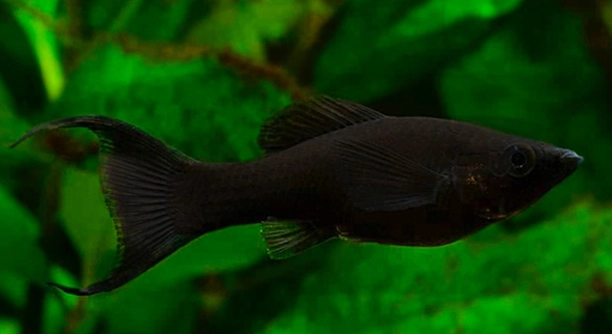
Have you ever watched your black mollies swim in their tank and felt curious about how their social habits form while you try to maintain a calm, welcoming space that supports their natural behavior day.
Black mollies do not rely on matching color when choosing companions, they respond to social factors like group size, safety, and compatible temperaments, focusing on stable group dynamics rather than selecting tank mates through appearance within their shared aquatic space.
Learning how their interactions work can help you support a balanced tank that nurtures their comfort while giving them space.
Understanding Their Social Behavior
I like watching black mollies explore their space, and their interactions often reveal how much they rely on stable routines. These fish respond to calm environments, steady water conditions, and predictable feeding habits that help them stay comfortable. When they swim together, they often stay close to others that move at a similar pace, creating a sense of order in the tank. Their behavior forms around shared habits rather than color, and this makes their groups easy to manage when you focus on balance instead of appearance. Keeping their surroundings free from sudden changes supports smoother interactions and helps them stay relaxed. I have noticed that they become more confident when they live in groups that feel settled. This kind of stability gives them room to move without stress and encourages gentle patterns that continue through the day, allowing you to observe their natural rhythm in a simple, steady way.
Their behavior becomes smoother when you focus on consistency, giving them a steady setting that supports calm group movement and clear patterns. This simple approach keeps their interactions gentle, allowing the tank to feel stable and easy to manage while helping them stay comfortable each day in a natural way.
Supporting black mollies with dependable care helps them interact with ease, and this creates a peaceful space that reflects their simple nature. I find that stable water quality, gentle lighting, and routine feeding encourage smoother behavior that carries through their day. When their needs stay consistent, they move with confidence and show steady patterns that feel pleasant to watch. This kind of structure allows each fish to settle into the group without stress. By giving them a balanced setting and avoiding sudden adjustments, you help them maintain comfort and develop calm habits that shape their overall behavior in their environment.
Color and Group Dynamics
Color plays a small role in how black mollies relate to others, and their comfort depends more on stable care, gentle surroundings, and predictable routines that help them move with ease. This approach supports smooth interactions while keeping their group balanced each day in a calm and steady manner always.
Black mollies respond well to balanced groups that support their natural movement, and color rarely influences how they settle into social patterns. Their comfort grows from steady conditions that hold their environment together. I like maintaining even lighting, stable filtration, and predictable feeding because it allows them to move without stress. When their surroundings remain calm, they interact with others easily, forming gentle patterns that continue through the day. Their behavior becomes more relaxed when the tank stays consistent, giving them space to swim in a smooth and steady way. They often gather with fish that match their pace, not their color, and this helps them feel secure as they explore. Creating a stable group means avoiding sudden changes that disrupt their comfort. Simple adjustments, such as keeping water quality steady and reducing bright flashes, can make a difference in how they interact. Over time, these routines build a dependable structure that keeps the tank peaceful. This kind of setting allows each fish to move freely while feeling supported. By focusing on their needs and keeping their space balanced, you help them thrive, allowing their natural behavior to unfold gently in a stable and calm place each and every day.
Tank Conditions That Support Stable Interaction
Black mollies stay calmer when their water quality stays steady, and this helps them interact without tension. I focus on gentle lighting, balanced feeding, and regular maintenance because these simple habits keep their movement smooth and their daily behavior predictable.
Maintaining clean water supports their comfort in a direct way. I like keeping the temperature stable and avoiding sudden adjustments because it helps them feel secure. When their environment stays consistent, they swim with confidence and settle into gentle patterns. Balanced filtration, steady pH, and uncluttered space make their interactions easier to manage. These conditions allow them to move without stress, and they respond with calmer behavior throughout the day. By keeping their surroundings stable, you allow the group to stay peaceful and relaxed while giving each fish a chance to adjust at a natural pace.
Black mollies benefit from routines that stay steady, and this becomes clear when you watch how they respond to structure. Frequent changes can cause tension in their interactions, so I avoid large shifts in feeding or water conditions. Soft lighting helps them settle, and clean substrate keeps their space comfortable. They thrive when the tank feels predictable, and this encourages smoother movement. Consistency guides their behavior, allowing them to interact in a gentle and steady way. These small efforts create a calm environment where they can adjust easily and remain settled.
How Group Size Influences Comfort
Black mollies feel more at ease when they live in groups of several fish, and this reduces stress while supporting steady patterns. I notice that they move with more confidence when they can stay close to others that share their pace and rhythm.
A balanced group encourages them to interact comfortably without becoming overwhelmed. I prefer keeping enough fish so no single one feels isolated, but not so many that the tank becomes crowded. This balance keeps their behavior smooth and prevents tension from building. When the group size fits the tank, they follow soft patterns that help them stay calm throughout the day. Their interactions remain steadier when they have the right number of companions, and this promotes a relaxed atmosphere. A group that is too small can leave them unsettled, while an overcrowded tank can lead to restlessness. Finding a middle ground creates a predictable setting that helps them thrive, allowing each fish to move confidently and comfortably.
Managing Stress Triggers
Black mollies stay calmer when sudden changes are avoided, and I try to keep their space free of loud disturbances or quick shifts in lighting. These small adjustments help them feel safer, allowing their interactions to stay smooth while they move through the tank with steady, gentle patterns each day.
I avoid rearranging their tank too often because it disrupts their comfort. Keeping things predictable helps them settle more easily, and this shows in how they swim together. When their surroundings feel stable, they adjust without tension and maintain clear patterns that support a peaceful and balanced group.
How Feeding Habits Shape Their Behavior
Feeding habits play a direct role in how black mollies interact, and I like keeping their routine consistent to prevent unnecessary tension. When food arrives at the same time each day, they respond with calm behavior and move with more predictable patterns. Overfeeding can make them restless, while underfeeding encourages competition that disrupts their comfort. I rely on small, steady portions that match their needs, giving them room to eat without stress. This balanced approach reduces conflict and supports smoother interactions. Their behavior becomes clearer when they know what to expect, allowing the group to stay relaxed and maintain gentle movement throughout their environment.
Recognizing When They Need More Space
Black mollies show signs of needing extra space when they move restlessly or gather too tightly, and I pay attention to these patterns. Providing more room helps them settle into calmer habits and supports easier interactions that reflect a balanced and comfortable tank.
Do black mollies prefer to be with other black mollies only?
Black mollies do not select companions based on color. I have noticed that they respond more to temperament and group stability than appearance. They settle with other fish that swim calmly and maintain predictable routines. While keeping all black mollies together can make the tank look uniform, it is not necessary for their comfort. Their social behavior focuses on balance and familiarity rather than matching shades, so mixing colors usually does not disturb them if the group remains stable.
Can black mollies get stressed if they are alone?
Yes, they can show signs of stress when isolated. I often see solitary fish swim restlessly, hide more frequently, or display uneven movement compared with fish in a small group. Keeping at least three or four mollies together helps them feel secure. Group presence allows them to follow predictable patterns, reducing tension and supporting calmer interactions. Isolation may temporarily quiet them, but it often leads to anxiety over time. I make sure their tank has companions that match their temperament to reduce stress and create a smoother daily routine.
How do black mollies communicate with each other?
Black mollies communicate mainly through body movement and swimming patterns. They position themselves in relation to others and use gentle nudges or side-by-side swimming to establish social order. I notice that when one fish moves erratically, others respond by adjusting their own movements. This creates a subtle rhythm within the group that signals comfort or alertness. They rarely rely on color to send signals, instead focusing on behavior and positioning. Observing their patterns has helped me understand how they coordinate without aggression and how consistent tank conditions support calmer social interactions.
Do black mollies need hiding spaces in the tank?
Yes, hiding spaces are important. I include plants, rocks, and decorations to give them spots where they can retreat if they feel uneasy. Even though they are generally social, moments of stress or sudden movement in the room can prompt them to use these areas. Hiding spaces reduce tension and allow the group to maintain stable patterns. Providing both open swimming areas and covered spaces balances their comfort, letting them choose how to interact. I have found that a mix of hiding spots and clear areas encourages confidence and predictable social behavior.
Will black mollies bully each other in a mixed-color tank?
Bullying is rare and usually linked to overcrowding or mismatched temperaments rather than color. I have seen aggressive behavior appear when tanks are too small or when fish have strong dominance tendencies. Keeping a proper number of fish and monitoring interactions usually prevents tension. Mixed colors do not trigger aggression on their own. They focus on movement, space, and routine rather than appearance. Ensuring even distribution of resources like food and hiding spots helps prevent disputes and supports calm, steady behavior across the group.
How often should I feed black mollies to keep them calm?
I feed black mollies small portions once or twice a day. Consistent feeding schedules prevent competition and reduce restlessness. Overfeeding can cause them to move erratically, while underfeeding can create tension. Maintaining a predictable routine helps them interact smoothly. When they know food will arrive at the same time, the group maintains steady patterns, and stress is minimized. I prefer dividing the daily portion into multiple smaller feeds, allowing all fish to eat comfortably without crowding. This approach keeps the group calm and reinforces predictable behavior patterns.
Do black mollies need companions of the same size?
Yes, companions of similar size reduce competition and improve comfort. I find that fish of uneven size may stress smaller tank mates when swimming or eating. Similar-sized companions help them move together without conflict and support predictable social patterns. Size consistency allows the group to maintain balance and reduces restlessness caused by dominance struggles. Providing fish of comparable size creates a stable environment where behavior is easier to observe and manage. Balanced groups help mollies feel secure and encourage gentle interactions that reflect their natural tendencies.
Can black mollies live with other fish species without stress?
They can, as long as the other species are peaceful and similar in size. I have kept mollies with tetras and guppies without issues, as long as the tank is not overcrowded. Stress occurs when tank mates are aggressive, much larger, or overly active. Maintaining proper space, consistent water quality, and compatible companions keeps interactions calm. Mixed-species tanks require careful observation, but when conditions are stable, black mollies adapt well without color-based preferences. They focus on behavior and movement rather than appearance when interacting with other fish.
What signs indicate that black mollies are happy in their group?
I look for smooth, coordinated swimming, calm eating, and minimal hiding. Fish that move steadily together and maintain gentle patterns are generally content. They rarely isolate themselves when comfort levels are high. Bright coloration and responsive movement are additional indicators of well-being. Observing these behaviors helps me adjust tank conditions if necessary. Consistent water quality, predictable feeding, and enough companions usually result in a relaxed, balanced group where each fish interacts naturally. Signs of stress, like erratic swimming or constant hiding, suggest adjustments are needed to maintain comfort.
How important is tank size for black mollies’ social behavior?
Tank size is very important. I use tanks that allow each fish enough room to swim freely and maintain personal space. Crowding leads to restlessness, disrupted patterns, and occasional tension. Larger tanks promote predictable interactions and reduce stress. A well-sized environment allows black mollies to move naturally, find companions of similar pace, and establish gentle rhythms without conflict. Sufficient space also accommodates hiding spots, open swimming areas, and feeding zones. Providing a tank that matches group size ensures smoother social behavior and encourages calm, steady movement throughout the day.
Black mollies are interesting fish that rely more on stability and routine than on color when interacting with others. Over time, I have observed that their behavior is guided largely by the environment, group size, and consistency in care. They thrive when the water quality is stable, feeding schedules are predictable, and tank conditions are calm. Sudden changes in lighting, temperature, or tank arrangement can make them restless and affect the balance of the group. By focusing on steady conditions, it is possible to support their natural tendencies and create a tank where each fish can move freely while maintaining calm, gentle patterns. This also reduces stress-related behaviors such as hiding or erratic swimming. Watching them respond to consistency makes it clear that mollies prefer comfort and familiarity over aesthetic considerations like color matching.
The social dynamics of black mollies are shaped by companionship, size, and temperament. I have found that keeping groups balanced in number and size leads to smoother interactions and a calmer tank overall. While it is natural to want all-black mollies together for visual uniformity, this is not necessary for their well-being. Their comfort comes from being able to follow familiar swimming patterns and having companions who move at a similar pace. Mixed-color groups or even mixed-species setups work well as long as the fish share similar temperaments and the environment is stable. Providing hiding spots, open swimming space, and consistent feeding further supports their confidence. When these factors are maintained, black mollies display predictable and gentle behavior that makes observing them enjoyable and reinforces the sense that the tank is a safe, stable space.
Consistency is the key to maintaining a healthy, balanced tank for black mollies. Regular water maintenance, balanced feeding, and careful attention to tank conditions allow the fish to develop stable social habits. I have learned that paying attention to small details, such as gentle lighting and calm surroundings, prevents unnecessary stress and encourages predictable behavior. Observing the group over time shows that their interactions are not dictated by color, but by the security and stability provided by the tank environment. By focusing on these practical aspects, it is possible to create a comfortable, peaceful space where black mollies can thrive. Ensuring that group size, tank size, and routine care are appropriate for their needs helps them stay relaxed, confident, and social in a natural, healthy way. This approach supports their well-being, reduces stress, and allows their behavior to unfold gently, reflecting their true nature.

Hello,
If you enjoy the content that we create, please consider saying a "Thank You!" by leaving a tip.
Every little bit helps us continue crafting quality advice that supports the health, happiness, and well-being of pets around the world, for pets of all shapes, sizes, and species.
We really appreciate the kindness and support that you show us!