
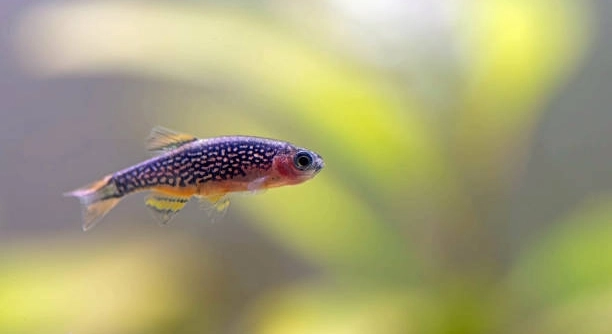
Are your danio fry thriving in their tank, or do they seem smaller and less active than expected? Maintaining proper feeding habits can play a crucial role in their growth, development, and overall health in a simple, manageable way.
Ensuring danio fry remain healthy requires consistent attention to feeding frequency, portion size, and nutrient balance. Providing a varied diet, including microfoods and finely crushed flakes, supports proper growth, strengthens immunity, and reduces mortality during the early developmental stages.
Mastering these feeding techniques will improve the wellbeing of your fry. With careful attention, you can set a strong foundation for their healthy growth.
Feed Small Amounts Frequently
Feeding danio fry in small, consistent portions is essential. Overfeeding can quickly foul the water, leading to bacterial growth and potential disease. Fry have tiny stomachs, so giving too much at once can cause uneaten food to sink and decay. It is better to feed them several times a day with tiny amounts that they can consume in minutes. Observing their eating habits helps determine the right portion size. Start with very small pinches of finely crushed flakes or specialized fry food. Adjust quantities gradually as they grow. Maintaining a strict feeding schedule also encourages regular activity, preventing lethargy. Clean the tank promptly after feeding to keep water quality high. A clean environment reduces stress and supports healthy development. With consistent attention, fry will grow evenly and actively, showing stronger coloration and improved swimming patterns as they develop. Feeding small amounts frequently mimics natural conditions, promoting overall wellbeing.
Small, regular feedings prevent water contamination and support steady growth, giving danio fry the best start in life.
Watching them eagerly swim for each small portion is rewarding. It reinforces the importance of consistent feeding practices and careful observation. Over time, you notice healthier, more active fry that respond quickly to their meals. Maintaining this routine also makes cleaning and monitoring the tank easier. The consistency provides a stable environment, reducing stress and promoting strong immune systems. By observing their growth alongside feeding patterns, adjustments can be made efficiently, ensuring fry continue to thrive. This method creates a balance between nourishment and water quality, laying the foundation for healthy adult fish.
Use a Varied Diet
Providing a variety of foods ensures danio fry receive all necessary nutrients. Different foods supply proteins, fats, and vitamins in balanced proportions.
Offering a mix of finely crushed flakes, micro-pellets, and occasional live foods like infusoria or baby brine shrimp boosts growth and vitality. Fry respond well to diversity, which helps strengthen immune systems and improve color development. Feeding only one type of food may lead to nutrient deficiencies and stunted growth. Rotate foods daily or weekly to cover all nutritional needs. Live foods encourage natural hunting behaviors, supporting activity and coordination. Store-bought fry foods should be chosen for quality, focusing on high protein content. Introducing variety slowly prevents digestive upset while familiarizing fry with new textures. Keep portions appropriate for their size to avoid water contamination. Consistency in variety ensures that fry develop evenly and are more resilient to environmental changes. Over time, a balanced diet contributes to robust health, reduced mortality, and active behavior patterns. Nutritional diversity is key to establishing a strong foundation for adult danios.
Maintain Clean Water
Keeping the tank clean is crucial for fry health. Uneaten food and waste quickly pollute water, stressing danio fry and making them prone to disease. Frequent small water changes help maintain stable water conditions and reduce harmful toxins.
Regular water maintenance involves partial water changes, usually 20 to 30 percent, several times per week. Use a gentle siphon to remove debris without disturbing fry or plants. Monitor water parameters like ammonia, nitrite, and pH to ensure they stay within safe ranges. Filter media should be cleaned carefully to avoid removing beneficial bacteria. Avoid sudden temperature changes during water replacement, as fry are sensitive to fluctuations. Consistently clean water supports proper growth, reduces stress, and prevents fungal or bacterial infections. Observing fry after changes helps confirm they are adapting well, keeping them active and healthy. Maintaining a clean environment is as important as feeding for their overall development.
Clean water not only promotes growth but also strengthens immunity. Healthy fry swim actively, respond to food quickly, and develop more evenly, reducing the risk of deformities.
Monitor Growth Closely
Tracking fry growth ensures they develop properly. Noticing slow growth or unusual behavior early allows for adjustments in feeding, water quality, or tank conditions to prevent long-term problems.
Weighing or visually assessing fry periodically helps gauge their progress. Maintain detailed notes on growth patterns, size differences, and coloration. Uneven growth may indicate competition for food or insufficient nutrition. Adjust feeding amounts, provide more variety, or separate smaller fry to reduce stress. Regular monitoring also helps identify signs of illness, allowing prompt action to prevent spread. Observing behavior, such as swimming patterns or energy levels, gives additional insight into overall health. Keeping a close eye on development ensures fry remain strong and resilient as they mature. Accurate records guide consistent care and reveal trends that may otherwise go unnoticed.
Consistent monitoring allows timely adjustments to maintain balance in the tank. Addressing small issues early prevents complications and supports healthy, even growth, leading to robust adult danios.
Provide High-Quality Fry Food
High-quality fry food ensures proper nutrition. Low-quality options can contain fillers that slow growth and affect health. Choosing specialized fry formulations provides essential proteins and vitamins for strong development.
Using fresh, reputable brands reduces the risk of contamination. Store food properly to maintain nutritional value and prevent spoilage, keeping fry healthy and active.
Avoid Overcrowding
Overcrowding stresses danio fry, reduces oxygen levels, and increases competition for food. Maintaining an appropriate number of fry per tank prevents stunted growth and health issues. Carefully plan tank capacity to match fry numbers and ensure ample space for swimming and feeding.
Introduce Live Food Gradually
Gradually adding live food like infusoria or baby brine shrimp enhances nutrition and encourages natural hunting instincts. Introduce small amounts to avoid digestive upset, allowing fry to adjust slowly to new textures and movement.
Observe Feeding Behavior
Watching fry during feeding provides insight into their health and activity. Fry that eagerly eat and move actively are generally healthy, while lethargic or disinterested fry may need dietary adjustments or closer water monitoring.
FAQ
How often should I feed danio fry?
Danio fry should be fed small amounts multiple times a day. Typically, three to five feedings work best. The goal is to give only what they can consume within a few minutes. Overfeeding can pollute the water, causing stress and potential disease, so careful portion control is essential.
What type of food is best for fry?
High-quality, finely crushed flakes, micro-pellets, and specialized fry foods provide the right nutrients. Live foods like infusoria or baby brine shrimp are also beneficial. A varied diet ensures proteins, fats, and vitamins are balanced, supporting proper growth, immune function, and coloration development.
Can I use adult fish food for fry?
Adult food can be used only if crushed very finely. Adult flakes or pellets may be too large and difficult for fry to consume. Using food specifically formulated for fry is preferable, as it is designed for their delicate digestive systems and nutrient needs.
How much should I feed each time?
Offer only enough that fry can eat within two to three minutes. Uneaten food should be removed promptly. Observing their behavior during feeding helps determine proper quantities. Adjust portions as fry grow, ensuring they are neither underfed nor overfed, keeping water quality stable.
How important is water quality during feeding?
Water quality is extremely important. Fry are sensitive to toxins from uneaten food and waste. Frequent small water changes help maintain a safe environment. Monitoring ammonia, nitrite, and pH levels prevents stress and supports healthy growth. Clean water combined with careful feeding promotes strong immune systems.
When should live food be introduced?
Live food can be introduced once fry develop the ability to hunt actively, usually a few days after hatching. Start with very small amounts to avoid digestive upset. Gradually increasing portions allows fry to adjust to new textures and encourages natural hunting behaviors.
Is it necessary to monitor growth regularly?
Yes, regular monitoring ensures fry are developing properly. Uneven growth or lethargy can indicate dietary insufficiency, overcrowding, or water issues. Tracking growth patterns and behavior helps identify problems early, allowing adjustments to feeding, water quality, or tank setup to maintain healthy development.
Can overfeeding stunt growth?
Overfeeding does not directly stunt growth, but it can degrade water quality, which indirectly affects development. Poor water conditions lead to stress, disease, and weaker fry. Maintaining controlled, frequent feedings ensures proper nutrition while preventing harmful environmental conditions.
How long should I continue specialized fry feeding?
Specialized fry feeding should continue until fry are large enough to handle adult food, usually around four to six weeks. Gradually transitioning to adult flakes or pellets helps prevent digestive issues while ensuring continued growth and balanced nutrition.
What signs indicate my fry are healthy?
Healthy fry are active, swim energetically, and eagerly respond to food. Even growth and clear coloration are positive indicators. Lethargy, erratic swimming, or lack of appetite may signal dietary or environmental problems, requiring careful adjustment to maintain optimal health.
How do I prevent competition for food?
Distribute food evenly across the tank and feed small portions frequently. If some fry consistently lag behind, consider temporarily separating smaller fry to reduce competition. Adequate space and careful observation during feeding help ensure all fry receive sufficient nutrition.
Can I feed the fry frozen or prepared live food?
Yes, frozen foods like baby brine shrimp or daphnia are excellent options. Thaw thoroughly before feeding and offer small amounts to prevent digestive stress. Prepared live foods are also beneficial, but moderation is key to maintaining water quality and avoiding overfeeding.
Should I adjust feeding during rapid growth stages?
During rapid growth, fry require slightly larger portions or additional feedings to meet increased nutritional demands. Observing their growth, energy levels, and water conditions helps determine appropriate adjustments without compromising tank cleanliness or fry health.
How do I balance feeding and water changes?
Feed small amounts, then wait a short period before performing partial water changes. Removing excess food and waste immediately after feeding reduces toxin buildup while ensuring fry receive proper nutrition. Maintaining this balance supports consistent growth and a clean, healthy environment.
Are there any signs of malnutrition in danio fry?
Malnourished fry may show stunted growth, pale coloration, and weak or irregular swimming. They may also appear lethargic and eat less actively. Adjusting diet quality, portion size, and feeding frequency can correct deficiencies and restore healthy development.
How can I make feeding more efficient?
Observe fry behavior and adjust portions to match appetite. Use a feeding schedule to maintain consistency. Mixing different types of food ensures a balanced diet and keeps fry engaged. Monitoring growth and water quality alongside feeding practices maximizes efficiency and promotes healthy fry development.
Maintaining healthy danio fry depends largely on careful attention to feeding habits. Consistent small feedings, a balanced diet, and clean water create an environment where fry can grow steadily and remain active. Overfeeding or using poor-quality food can quickly impact water quality, leading to stress, slowed growth, or disease. By offering multiple small meals throughout the day, fry have access to the nutrients they need without leaving uneaten food to pollute the tank. Observing their behavior during feeding helps determine if portions are appropriate, ensuring all fry are receiving enough nourishment. Over time, these habits support even growth, stronger immune systems, and more vibrant coloration.
Variety in diet is equally important for the health of danio fry. Providing a mix of high-quality crushed flakes, micro-pellets, and occasional live foods like infusoria or baby brine shrimp ensures fry receive essential proteins, fats, and vitamins. Each type of food contributes differently, supporting growth, immune function, and natural hunting instincts. Gradually introducing live food allows fry to adapt to new textures and encourages activity, which is vital for muscle development and coordination. Monitoring how fry respond to different foods can indicate their preferences and any potential nutritional gaps. With a consistent rotation of foods, fry develop more evenly, and the risk of stunted growth or nutrient deficiencies is minimized.
Keeping the tank environment clean and monitoring fry growth are equally critical. Uneaten food and waste can quickly pollute water, stressing fry and making them more vulnerable to disease. Regular partial water changes, careful filtration, and monitoring of parameters such as ammonia, nitrite, and pH help maintain a safe and stable environment. Observing growth patterns and behavior provides insight into health and allows early intervention if problems arise. Healthy fry swim actively, feed eagerly, and develop evenly, showing clear signs of vitality. By combining proper feeding, water maintenance, and growth observation, fry are given the best chance to thrive and develop into strong adult danios, making consistent care an essential part of successful breeding and aquaculture practices.

Hello,
If you enjoy the content that we create, please consider saying a "Thank You!" by leaving a tip.
Every little bit helps us continue crafting quality advice that supports the health, happiness, and well-being of pets around the world, for pets of all shapes, sizes, and species.
We really appreciate the kindness and support that you show us!