
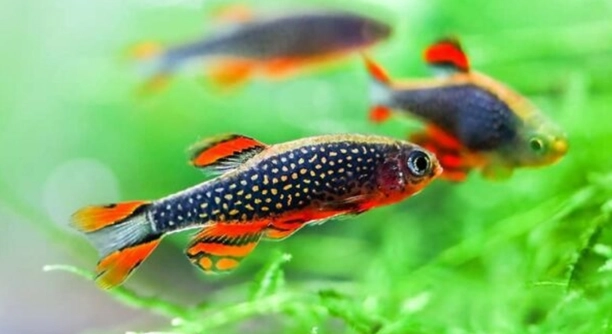
Are your small freshwater tanks struggling to maintain clear water without disturbing the fish? Finding the right filter can be tricky, especially when you want gentle water flow for delicate species like danios. Maintaining balance is important.
Choosing filters that do not disrupt danio flow involves selecting models with low flow rates, smooth water movement, and minimal suction points. Proper placement and maintenance ensure fish health, reduce stress, and maintain optimal oxygenation for a thriving aquatic environment.
Even subtle changes in water flow can affect danio behavior and tank health. Understanding which filters are suitable will help keep your aquarium balanced and harmonious.
Why Danio Flow Matters
Danios are small, active fish that rely on steady water movement to stay healthy. Strong currents can stress them, causing erratic swimming or hiding, while stagnant water may lead to poor oxygen circulation and water quality issues. Selecting the right filter ensures they swim comfortably without constant fatigue. Low-flow filters mimic natural streams, allowing danios to exhibit normal behavior while maintaining the tank’s cleanliness. Observing their activity near the filter helps identify whether adjustments are needed. The tank’s size, number of fish, and decorations influence how water moves. A filter that works in one setup may overwhelm another. Choosing adjustable or gentle-flow filters can help maintain a balanced environment. Regular maintenance like rinsing filter media and checking for blockages ensures the flow remains consistent. Avoiding abrupt water changes also prevents sudden stress that could harm danios, promoting a stable, healthy tank.
Proper flow keeps your danios active and healthy, reducing stress and improving overall tank conditions.
Even minor adjustments to water circulation can have a noticeable effect on danio behavior. Choosing the right filter type creates a more natural and comfortable environment, enhancing their activity and wellbeing while keeping the aquarium clean.
Types of Filters That Work Well
Low-flow sponge filters provide gentle water movement ideal for danios and small tanks.
Sponge filters are simple, affordable, and effective at mechanical and biological filtration. They operate quietly, using air pumps to draw water through soft media, which captures debris while allowing beneficial bacteria to thrive. Because water moves slowly, danios are not stressed, and oxygenation remains sufficient. These filters are easy to clean; simply rinse the sponge in tank water without disturbing bacteria. Placement near tank corners minimizes disruption while maintaining circulation. Sponge filters are also safe for fry and small species that could be sucked into stronger systems. Combining them with occasional gentle water changes keeps the tank clear without aggressive flow. They are reliable for beginners or anyone wanting low-maintenance options. Many models allow adjustable airflow, giving precise control over water movement. Choosing the correct sponge density ensures proper filtration while supporting healthy microbial colonies. This combination of efficiency and safety makes sponge filters a top choice for delicate, active fish like danios.
Other filter options can complement sponge systems to maintain water quality and balance without overwhelming small fish.
Hang-On-Back Filters
Hang-on-back filters are easy to install and provide moderate water flow. They hang on the tank edge, drawing water up and returning it gently, which keeps danios comfortable. Regular maintenance ensures consistent performance without stressing the fish.
These filters offer mechanical, chemical, and biological filtration in a compact unit. Water is pulled into the intake tube, passed through sponge or floss for debris removal, then through activated carbon to reduce odors and discoloration. Beneficial bacteria grow inside the media, breaking down harmful compounds. Adjusting the flow rate or using a spray bar helps soften water movement. Hang-on-back filters are convenient for small to medium tanks, providing reliable cleaning without creating strong currents. They are quiet, energy-efficient, and allow easy media replacement. Choosing the right filter size ensures efficient circulation while keeping danios safe.
Many hang-on-back models include adjustable flow valves. This feature lets you tailor water movement to suit danios’ needs, keeping their swimming natural and reducing stress. With proper placement, these filters combine effective cleaning with gentle flow, supporting both fish health and tank clarity.
Internal Filters
Internal filters sit fully inside the tank and provide consistent water circulation. They are ideal for smaller setups, maintaining gentle flow without taking extra space.
These filters are submerged in the tank and powered by a small motor that draws water through sponge, foam, or other media. They provide mechanical and biological filtration while oxygenating water efficiently. Flow rate can often be adjusted, which is crucial for sensitive species like danios. Internal filters are easy to clean, requiring only periodic rinsing of the media in tank water. Placement is flexible; they can be hidden behind plants or decorations without affecting aesthetics. Many models are compact and quiet, making them suitable for bedrooms or offices. Combining internal filters with other gentle filtration methods can optimize tank conditions, especially in heavily stocked tanks. Regular monitoring of water parameters ensures these filters maintain healthy, stable environments for active fish.
They are safe for small fish and fry, as the intake is usually covered, preventing accidental suction. Internal filters allow steady water movement, keeping tanks clear, fish active, and maintenance simple without overwhelming delicate species like danios.
Canister Filters
Canister filters sit outside the tank and push water through tubes into the aquarium. They offer strong filtration without creating harsh currents inside the tank, keeping danios comfortable.
These filters hold large amounts of media, making them ideal for larger or heavily stocked tanks. Flow rate can be adjusted to prevent stress.
Air-Driven Filters
Air-driven filters use bubbles to move water gently through sponge or other media. They oxygenate the tank while providing mechanical and biological filtration, making them ideal for sensitive fish.
Corner Filters
Corner filters fit neatly into tank edges, creating minimal flow disruption. They are small, simple, and keep water moving steadily without stressing danios.
FAQ
How often should I clean a filter for danios?
Cleaning depends on the filter type and tank size, but generally every two to four weeks is recommended. Rinse sponge or foam media in tank water to preserve beneficial bacteria. Avoid harsh soaps or tap water, as this can kill helpful microbes that maintain a healthy environment.
Can I use a strong filter if I adjust the flow?
Yes, some strong filters have adjustable flow valves or spray bars. Reducing the flow allows danios to swim comfortably without stress. Always observe the fish after changes to ensure they are not struggling against currents or hiding excessively.
Are sponge filters enough for larger tanks?
Sponge filters work best in small to medium tanks. In larger tanks, they may not provide sufficient mechanical or chemical filtration alone. Combining a sponge filter with a hang-on-back or canister filter can improve water quality without disrupting flow.
Will filters remove all debris from my tank?
Filters capture most debris, but not everything. Uneaten food and plant matter may settle in corners or substrate. Regular siphoning and partial water changes are necessary to keep the tank clean and maintain stable water parameters.
Can filter placement affect danio behavior?
Yes. Placing a filter near the middle of the tank or directly against a wall can create uneven flow, stressing fish. Corners or hidden areas with gentle current provide better circulation while letting danios swim freely.
Are internal filters safe for fry?
Internal filters with protective covers or sponge intakes are safe for small fry. Avoid filters with exposed impellers that could suck in tiny fish. Sponge or air-driven filters are ideal for breeding tanks and nurseries.
How do I know if the filter flow is too strong?
Signs of strong flow include fish constantly swimming against the current, hiding, or struggling near the filter intake. Adjusting flow rates or adding a spray bar diffuser can reduce stress and allow natural swimming patterns.
Do filters affect water temperature?
Filters can slightly circulate heat, especially in small tanks, but they do not significantly change temperature on their own. Ensure heaters are placed properly, and flow does not create cold spots or disrupt thermal consistency.
Can I use multiple filters in one tank?
Yes, combining filters can improve water clarity and oxygenation. Use different types, like a sponge filter with a canister or hang-on-back filter, to balance gentle flow with efficient cleaning. Avoid overlapping strong currents that may stress danios.
What maintenance tips keep filters efficient?
Rinse media regularly in tank water, replace worn parts, and monitor flow rate. Check intake tubes for blockages and remove debris. Consistent maintenance prevents sudden drops in water quality, supports fish health, and prolongs filter life.
Are chemical filtration options necessary for danios?
Not always. Danios do well with mechanical and biological filtration. Activated carbon or other chemical media can help with discoloration or odors but are optional if water changes are consistent and the tank is not overstocked.
Can I turn off a filter temporarily?
Short periods for maintenance are fine, but prolonged shutdowns reduce oxygenation and allow debris to accumulate. Always restart filters promptly and monitor fish behavior to prevent stress.
Is noise a concern with aquarium filters?
Most filters operate quietly, but some hang-on-back or older models may create noise or vibration. Adjusting placement, tightening parts, or using air-driven options can reduce disturbances while maintaining gentle flow for danios.
How do I choose the right filter size?
Consider tank volume, number of fish, and desired flow. A filter rated for slightly more than your tank’s volume ensures efficient circulation. Adjustable flow models allow fine-tuning to protect delicate species while maintaining water quality.
Can filters remove toxins like ammonia and nitrites?
Biological media in filters host beneficial bacteria that convert ammonia and nitrites into less harmful nitrates. Properly maintained filtration combined with water changes prevents toxin buildup, keeping danios safe and reducing health risks.
How long do filters typically last?
With regular maintenance, most filters last several years. Parts like impellers or sponges may need replacement sooner. Choosing reliable brands and following upkeep instructions ensures consistent performance and longevity.
Are hang-on-back filters suitable for planted tanks?
Yes, if the flow is adjusted to avoid disturbing plants. Spray bars or reduced output prevent uprooting while keeping water clean. Balanced placement supports both plant growth and danio activity.
Do filters affect oxygen levels significantly?
Filters increase water surface agitation, improving oxygen exchange. Gentle-flow filters are usually enough for small tanks, while larger tanks may need additional aeration. Proper filtration supports fish activity, health, and overall tank stability.
Can I use air pumps without filters?
Air pumps provide oxygenation but minimal mechanical or biological filtration. They are suitable for very small or temporary setups but should be paired with filtration for long-term danio health and water quality maintenance.
How do I prevent clogging in sponge filters?
Rinse the sponge in tank water every two weeks, remove trapped debris, and check airflow. Avoid overfeeding fish, as excess food accelerates clogging and reduces efficiency. Consistent care keeps flow gentle and effective for danios.
Final Thoughts
Choosing the right filter for your danio tank is about balancing clean water with gentle flow. Danios are small, active fish that do not do well in strong currents. Too much water movement can stress them, causing hiding, erratic swimming, or even injury. At the same time, poor filtration can lead to cloudy water, high ammonia levels, and unhealthy conditions. Understanding the type of filter that suits your tank size and the number of fish is important. Sponge filters, hang-on-back filters, and internal filters are all reliable options for gentle circulation. Each has its strengths, and some tanks may benefit from combining types to achieve both effective cleaning and calm flow. Observing how your fish respond after installing a filter is one of the best ways to know if you have made the right choice.
Maintenance is just as crucial as selecting the proper filter. Rinsing sponges or foam media in tank water helps preserve the beneficial bacteria that keep ammonia and nitrite levels low. Internal and hang-on-back filters need occasional checks for debris buildup and proper flow. Regular water changes complement filtration, removing leftover waste and balancing water parameters. Filters are not a set-and-forget piece of equipment; paying attention to their performance ensures a safe, healthy environment for your danios. Simple steps like adjusting flow rates, trimming overgrown plants, or repositioning the filter can make a noticeable difference in fish behavior and overall tank clarity. Consistency in care prevents sudden changes that may stress your fish.
When choosing a filter, consider not just the mechanics but also how it fits into the life of your tank. Placement affects water circulation and the comfort of your fish, while the type of media determines how effectively it removes debris and supports beneficial bacteria. Low-flow options, like sponge or air-driven filters, are excellent for small or delicate setups, while canister or hang-on-back filters can handle larger tanks without stressing fish if properly adjusted. Observing your danios’ swimming patterns, activity levels, and stress signals will guide you in making small tweaks to improve their habitat. A well-chosen and well-maintained filter not only keeps water clear but also creates a calm and stable environment where your danios can thrive. Prioritizing gentle water movement alongside proper cleaning ensures your aquarium remains healthy, visually appealing, and suitable for the needs of your small, active fish.

Hello,
If you enjoy the content that we create, please consider saying a "Thank You!" by leaving a tip.
Every little bit helps us continue crafting quality advice that supports the health, happiness, and well-being of pets around the world, for pets of all shapes, sizes, and species.
We really appreciate the kindness and support that you show us!