
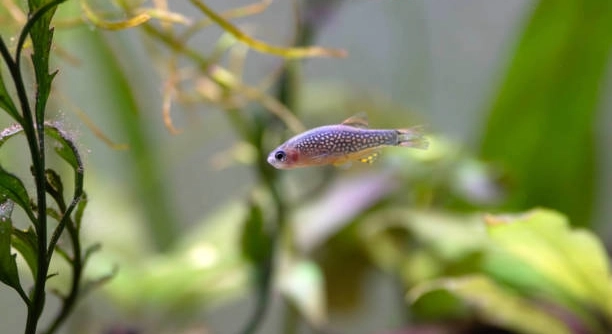
Are your danios acting more aggressive than usual, nipping at each other and causing stress in your tank? Aggression among these active fish can disrupt your aquarium’s harmony and make maintenance more challenging for their keeper.
Aggression in danios typically results from overcrowding, insufficient hiding spaces, or a lack of compatible tank mates. Addressing these factors through proper stocking, environmental enrichment, and attentive observation can significantly reduce aggressive behaviors and improve overall fish well-being.
Implementing simple adjustments can create a calmer, more balanced environment, ensuring your danios thrive and interact peacefully within their aquatic home.
Adjust Tank Size and Population
Danios are active swimmers that need ample space to move without feeling threatened. A crowded tank increases stress and can trigger frequent chasing and nipping. Providing a larger tank or reducing the number of fish can immediately calm tensions. Monitoring the fish during feeding times and observing their general interactions helps determine if the tank is appropriately sized. Overcrowding also affects water quality, which indirectly contributes to aggression. By ensuring each fish has enough personal space, you promote natural schooling behavior instead of territorial disputes. Aquatic plants, decorations, and open swimming areas create a balanced environment where danios can express their natural behaviors safely. Adjusting the population can feel like a big step, but the improvements in their overall mood and activity are noticeable. Keeping the tank properly maintained with regular water changes and filtration also supports a healthy, stress-free environment, which is crucial for minimizing aggression.
Smaller groups in tight spaces tend to argue more, so providing space is key for calmer interactions among danios.
Creating space for swimming and hiding spots encourages peaceful schooling, reducing conflicts and ensuring the fish can thrive without constant stress or injury.
Provide Hiding Spots
Adding plants, rocks, and decorations gives danios places to retreat and reduces aggressive behavior. Hiding spots allow fish to escape if tensions rise.
Strategically placing dense vegetation, driftwood, or cave-like decorations helps break lines of sight, preventing dominant fish from constantly chasing others. Floating plants can soften the environment and offer cover while still leaving room for swimming. Varied terrain encourages natural exploration and provides refuge, which lowers stress and curbs nipping. Plastic plants or ornaments can be used, but live plants enhance water quality and make hiding areas more natural. Consider arranging multiple retreats so all fish can access them without competing. Observing which spots are favored helps adjust placement for optimal comfort. Providing hiding spaces also encourages timid fish to interact more confidently, balancing the social hierarchy and reducing the need for constant dominance displays. The overall effect is a calmer, more harmonious aquarium where danios can engage in healthy schooling behavior without injury or stress.
Hiding areas give fish a chance to rest and reduce stress from constant chasing or bullying in the tank.
Well-placed plants and decorations create a balanced environment that supports natural behavior and keeps aggression to a minimum.
Maintain a Proper Diet
Feeding danios a balanced diet reduces aggression caused by hunger or competition. Small, frequent meals help prevent nipping and keep all fish active and healthy.
A varied diet with high-quality flakes, pellets, and occasional live or frozen foods ensures that each fish gets enough nutrition. Unequal access to food can trigger fights, especially if some fish are hungrier or faster eaters. Observing feeding behavior helps identify if certain fish are being bullied or left out. Spreading food across the tank encourages all danios to eat simultaneously, minimizing competition. Overfeeding should be avoided, as it can lead to poor water quality, which may increase stress and indirectly promote aggressive behavior. Maintaining consistent feeding times creates a predictable environment that supports calmer interactions.
Supplementing meals with nutritious treats like daphnia or bloodworms provides variety and keeps danios engaged, helping prevent boredom-related aggression.
Keep Compatible Tank Mates
Choosing peaceful tank mates prevents added stress and fights over territory or food. Avoid overly aggressive species or those that occupy the same space as danios.
Danios coexist best with other mid-level swimmers that are similarly active but not territorial. Introducing compatible species reduces stress and allows danios to focus on normal schooling behavior. Observing interactions during initial introductions is essential; some fish may require separation if aggression appears. Using a community approach with varied species also enriches the environment and encourages natural behavior. Fish that are too passive may be chased repeatedly, while highly aggressive species can provoke constant skirmishes. Selecting the right combination ensures all fish feel secure and reduces the likelihood of nipping. Maintaining balance in the tank with proper hiding spots and feeding routines supports compatibility and minimizes conflict.
Regular monitoring and adjustments ensure the social dynamics remain stable, keeping the tank peaceful and all fish healthy.
Monitor Water Quality
Regular water testing helps prevent stress-related aggression. Poor water conditions can make danios irritable and more likely to nip each other.
Maintaining stable temperature, pH, and ammonia levels keeps the tank environment healthy. Frequent partial water changes and proper filtration are essential to reduce stress and aggression among fish.
Introduce Distractions
Adding new decorations or rearranging existing ones can redirect aggressive behavior. Changes give fish something to explore and reduce tension.
Maintain Proper Schooling Numbers
Danios feel more secure and behave less aggressively when kept in groups of at least six. Smaller groups increase stress and territorial disputes.
Reduce Light Stress
Bright or prolonged lighting can agitate danios, triggering aggression. Using a moderate light cycle helps maintain calm behavior.
Why are my danios suddenly aggressive?
Sudden aggression often stems from stress or changes in their environment. Overcrowding, poor water quality, or incompatible tank mates can trigger nipping and chasing. Even small changes like rearranged decorations or fluctuating temperatures may increase tension. Monitoring behavior and environment closely helps identify the cause.
How can I reduce aggression without adding more fish?
Providing hiding spots, plants, and decorations allows fish to retreat when stressed. Spreading food during feeding reduces competition. Regular water changes and stable conditions also keep stress low. Sometimes small environmental adjustments are enough to calm the group without increasing population.
What size tank do danios need to stay peaceful?
Danios are active swimmers, so a minimum of 20 gallons for a small school is recommended. Larger tanks give each fish more space to establish personal territory, reducing chasing and nipping. Open swimming areas combined with hiding spots encourage natural, calm schooling behavior.
Can diet affect aggression?
Yes. Inadequate or inconsistent feeding can make fish irritable. A balanced diet of flakes, pellets, and occasional live or frozen food ensures everyone gets enough nutrition. Feeding small amounts multiple times a day reduces competition and prevents fights over food.
Should I separate aggressive danios?
If a particular fish is constantly bullying others, temporary separation may be necessary. Using a divider or a quarantine tank allows the aggressive individual to calm down while protecting the others. After some time, gradual reintroduction under observation can restore harmony.
Do danios always fight with tank mates?
Not necessarily. Aggression is more likely with territorial or slow-moving species. Peaceful, mid-level swimmers are ideal companions. Introducing compatible species and maintaining proper group sizes reduces conflicts and supports natural schooling without constant skirmishes.
How do I know if aggression is causing harm?
Check for torn fins, missing scales, or visible injuries. Frequent chasing or hiding is also a sign of stress. Persistent aggression can weaken immune systems and lead to illness, so early intervention is important. Observing interactions daily helps catch issues before they worsen.
Will rearranging decorations help reduce aggression?
Yes. Changing the layout breaks established territories and redirects attention. Adding new hiding spots or plants encourages exploration and provides retreats for stressed or bullied fish. Rotating decorations occasionally maintains interest and reduces repetitive aggressive behavior.
Is light intensity linked to aggression?
Bright or prolonged lighting can overstimulate danios, causing agitation and nipping. A moderate light cycle with periods of darkness mimics natural conditions, helping fish remain calm. Floating plants or shaded areas also reduce stress by giving fish visual relief.
Can water parameters trigger aggression?
Absolutely. Sudden changes in pH, temperature, or ammonia levels increase stress, which often manifests as aggression. Regular testing and maintenance are essential. Keeping conditions stable creates a calm environment, allowing danios to focus on normal schooling rather than dominance struggles.
How long does it take to calm an aggressive tank?
Results vary depending on the cause. Environmental adjustments like adding plants, hiding spots, or correcting water quality can show improvement in days to weeks. Persistent bullying may take longer, and monitoring is key. Gradual changes ensure long-term peace rather than temporary fixes.
Are some danios naturally more aggressive?
Yes, individual personalities differ. Some fish naturally dominate the group, while others are timid. Observing behavior helps identify aggressive individuals, allowing targeted interventions such as rearranging the tank, adding more hiding spaces, or temporary separation to reduce tension.
Does schooling reduce aggression?
Maintaining a proper school of at least six danios disperses aggression. Fish feel secure in groups, and chasing behavior is minimized. Smaller numbers often result in territorial disputes and stress, making proper group size essential for a peaceful tank.
Can introducing new fish increase aggression?
Yes. New introductions disrupt established hierarchies and may trigger temporary fighting. Quarantining newcomers and gradually acclimating them helps reduce stress. Adding hiding spots and monitoring interactions ensures smoother integration and less prolonged aggression.
Are aggressive behaviors permanent?
Not always. With proper management of tank size, diet, water quality, and environmental enrichment, aggressive tendencies can be reduced significantly. Consistent observation and adjustments create a calmer, balanced environment for all fish to thrive.
This FAQ covers the most common concerns about danio aggression and provides practical, direct solutions for maintaining a peaceful aquarium.
Managing danio aggression may seem challenging at first, but with consistent care and observation, it becomes much easier to maintain a peaceful tank. Aggressive behaviors often stem from stress, overcrowding, poor water quality, or lack of proper environmental enrichment. Understanding the natural tendencies of danios helps anticipate potential issues before they escalate. Simple measures such as maintaining appropriate tank size, ensuring a balanced diet, and providing hiding spots can significantly reduce stress levels and minimize chasing or nipping. Watching the interactions between fish daily allows you to notice subtle changes in behavior that might indicate tension, which gives you the opportunity to take timely action. Creating a stable and well-maintained environment forms the foundation for calmer, healthier fish.
Proper tank management goes beyond just space and food. Attention to water parameters is equally important. Stable temperature, pH, and ammonia levels prevent stress that could trigger aggressive behavior. Routine water testing and regular partial water changes ensure that the environment remains healthy for all inhabitants. Introducing compatible tank mates and keeping the correct school size for danios are additional steps that support harmonious interactions. Decorations, plants, and hiding spots give the fish areas to retreat and rest, which naturally reduces conflict. Even small adjustments, like rearranging plants or adding a few new decorations, can redirect attention and reduce ongoing aggression. By addressing both environmental and social factors, the likelihood of persistent nipping or chasing is minimized, helping all fish feel more secure.
Consistency and patience are key to successfully managing aggression in danios. Changes in behavior may not resolve overnight, but steady application of proper care strategies will gradually create a calmer environment. Monitoring the fish regularly and making small, incremental adjustments helps ensure that interventions are effective. Feeding routines, tank maintenance, and environmental enrichment should all be maintained on a consistent schedule to support the fish’s sense of security. Aggression does not have to be a permanent issue; with careful observation, proper planning, and attention to detail, the aquarium can become a balanced and peaceful space. By understanding their natural behavior and addressing both physical and social needs, you can enjoy watching your danios thrive in a healthy, stress-free environment where all fish coexist peacefully.

Hello,
If you enjoy the content that we create, please consider saying a "Thank You!" by leaving a tip.
Every little bit helps us continue crafting quality advice that supports the health, happiness, and well-being of pets around the world, for pets of all shapes, sizes, and species.
We really appreciate the kindness and support that you show us!