
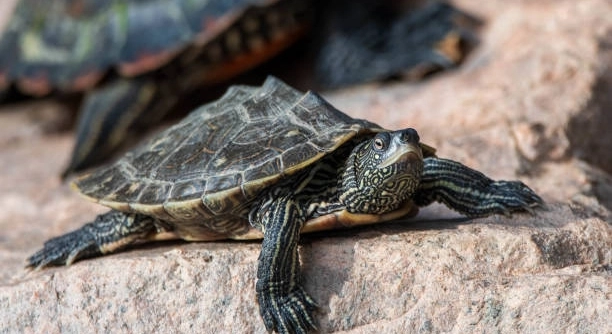
Map turtles are fascinating creatures that make great pets for those with the right setup. Creating the ideal habitat for them can be a rewarding experience, ensuring their health and well-being for years to come.
When setting up a tank for your map turtle, it is essential to include features like proper lighting, a filtration system, basking areas, water heaters, secure tank walls, a varied substrate, and hiding spaces. These elements help replicate their natural environment.
By including these key features in your tank setup, you will be ensuring your map turtle thrives in a safe, comfortable, and enriching environment. Keep reading to learn how each of these elements contributes to a happy, healthy turtle.
Proper Lighting for Your Map Turtle Tank
Proper lighting is crucial for map turtles. It mimics natural sunlight, helping regulate their daily cycles and supporting their health. UVB light is necessary for their vitamin D3 production, which is vital for absorbing calcium. Without it, turtles can develop shell deformities and other health problems. It’s essential to have both UVA and UVB lighting in the tank. UVA helps them stay active and behave naturally, while UVB promotes proper metabolism. The lights should be placed above the basking area, and it’s important to replace them every six months to maintain their effectiveness.
Map turtles also need a day-night cycle. This is where a timer can help. A consistent 12-hour light and 12-hour dark cycle supports their natural rhythm and reduces stress. You can opt for fluorescent or mercury vapor bulbs designed for reptiles. Just make sure the light is not too intense to prevent overheating. A good quality light setup ensures a happier and healthier turtle in your care.
Filtration System
A strong filtration system keeps the water clean and clear.
Map turtles are messy eaters and can produce a lot of waste. An efficient filter is essential to maintain a clean, healthy environment. It helps remove debris and chemicals from the water, reducing the frequency of water changes. Choose a filter rated for a tank size larger than yours to ensure effective cleaning. Additionally, adding a filter with biological filtration will help maintain a healthy balance of bacteria in the water, which helps break down waste. Regularly cleaning the filter ensures it continues to work effectively, contributing to a healthier tank environment.
Basking Area
A designated basking area is essential for map turtles. It provides them with a spot to dry off and absorb heat. Turtles need both heat and UVB light to stay healthy, and the basking area should be elevated for easy access. A good basking area also reduces stress, offering them a place to relax and rest.
For the basking area, a floating platform or a sturdy rock is ideal. The platform should be large enough for the turtle to comfortably climb onto and stay dry. The temperature of the basking spot should be around 90°F to 95°F (32°C to 35°C). Keeping the area dry helps prevent the growth of harmful bacteria that can lead to shell rot.
Ensure the basking area is easy to access and doesn’t have sharp edges. If you’re using rocks or driftwood, make sure they’re secure to avoid accidents. Turtles may also enjoy resting on plants or soft materials that mimic their natural environment. Make sure the area is safe and comfortable.
Tank Walls
Tank walls need to be secure to keep your map turtle safe.
Map turtles are skilled climbers and may try to escape from their tank. Strong, high tank walls prevent them from getting out and ensure they stay safe within the setup. Glass or acrylic tanks work best for keeping your turtle contained. Make sure the tank is high enough to prevent escape attempts.
The walls should also be smooth with no sharp edges. This ensures the turtle doesn’t injure itself while trying to climb. A securely fitted lid or screen top is a great way to further protect your turtle. This keeps in the humidity and helps prevent accidental escapes.
Water Heater
A water heater ensures your map turtle’s tank stays at the right temperature.
Map turtles thrive in water that’s between 75°F and 80°F (24°C to 27°C). A water heater helps maintain this range, preventing drastic temperature fluctuations. Without consistent warmth, your turtle’s immune system can weaken.
When choosing a heater, make sure it is appropriate for the size of your tank. Heaters with adjustable settings are helpful for fine-tuning the temperature. Keep the heater submerged and ensure it’s safe for aquatic use to avoid accidents. Regularly check the water temperature to ensure it stays within the ideal range.
Substrate
The substrate in your turtle tank is important for both cleanliness and comfort.
A soft, natural substrate such as smooth river rocks or aquatic sand allows map turtles to burrow and explore. It also helps maintain water quality. Avoid using small gravel or sharp materials that could hurt your turtle. Keep the substrate layer shallow to allow easy cleaning.
Substrate helps create a more natural environment, offering your turtle a place to dig and hide. A clean, comfortable substrate reduces the risk of bacteria build-up and supports the overall health of the tank.
Hiding Spaces
Map turtles need places to hide for privacy and security.
Hiding spaces allow your turtle to feel safe and reduce stress. You can provide hiding spots using rocks, caves, or submerged plants. These areas mimic their natural environment, where they seek refuge from predators. Make sure the hiding spots are large enough for your turtle to comfortably fit inside.
FAQ
What size tank do I need for a map turtle?
A tank of at least 40 gallons is recommended for a single adult map turtle. Turtles need ample space to swim and explore. If you plan to keep more than one, you will need a larger tank. For every additional turtle, increase the tank size by 20 gallons. A larger tank is beneficial for water quality, reducing the need for frequent cleaning.
How often should I change the water in the tank?
Water should be changed every 1-2 weeks, depending on the size of your tank and the effectiveness of your filter. Regular water changes help maintain the health of the environment by removing waste and toxins. Make sure to check the water parameters regularly, such as pH and ammonia levels, and adjust accordingly.
Do map turtles need a filter?
Yes, a filter is essential. Map turtles are messy eaters, and a filter helps keep the water clean by removing debris and waste. Choose a filter designed for the size of your tank, and ensure it has both mechanical and biological filtration. This will help keep harmful bacteria levels low and maintain water clarity.
What should I feed my map turtle?
Map turtles are omnivores, and their diet should consist of a mix of protein and vegetables. They enjoy foods like commercial turtle pellets, aquatic plants, earthworms, crickets, and fish. You can also offer leafy greens such as romaine lettuce or kale. A balanced diet helps keep them healthy and supports shell growth.
Can I keep multiple map turtles in the same tank?
Yes, you can keep multiple map turtles together, but it’s important to ensure enough space. Overcrowding can lead to territorial behavior, and one turtle might dominate the others. A tank that’s at least 60-80 gallons is ideal for two turtles. Always monitor them for any signs of aggression or stress.
Do map turtles need UVB lighting?
Yes, UVB lighting is essential for map turtles. It helps them produce vitamin D3, which is necessary for calcium absorption and shell health. Without UVB, they can develop metabolic bone disease. Ensure you provide a high-quality UVB bulb, and replace it every six months, even if it still seems to be working.
How do I set up the basking area?
The basking area should be dry and elevated, with a temperature between 90°F and 95°F (32°C to 35°C). You can use a floating platform, rocks, or a log to create the basking spot. Make sure it’s large enough for your turtle to stretch out and dry off completely. Ensure the basking area is accessible and doesn’t have sharp edges.
Can I use tap water in my turtle tank?
You can use tap water, but it’s important to dechlorinate it. Chlorine and chloramine in tap water can be harmful to turtles. You can buy a water conditioner or dechlorinator at pet stores to remove these chemicals. Alternatively, you can use filtered or distilled water if you prefer. Always check the water’s temperature before adding it to the tank.
How can I tell if my turtle is sick?
Common signs of illness in map turtles include lethargy, loss of appetite, swelling, and abnormal behavior. If your turtle is floating unnaturally or having trouble swimming, it could indicate a respiratory infection or other health issue. Changes in shell appearance, such as softness or discoloration, can be a sign of metabolic bone disease or infection. If you notice any unusual behavior, it’s best to consult a reptile vet for advice.
What temperature should the water be?
The water temperature for a map turtle should range from 75°F to 80°F (24°C to 27°C). A consistent water temperature helps your turtle stay active and digest food properly. If the water is too cold, your turtle’s immune system can become weakened, and it may become lethargic. Use a reliable water heater to maintain the correct temperature, and check it regularly with a thermometer.
How can I prevent my turtle from escaping?
Map turtles are great climbers and may try to escape if they find an opportunity. To prevent this, make sure your tank has high, secure walls. A glass or acrylic tank works well, and a secure lid will prevent escapes. If you’re using a screen top, ensure it fits tightly to avoid any gaps. Check for any potential escape routes around the tank.
Final Thoughts
Setting up the perfect tank for your map turtle is an important step in ensuring they live a long and healthy life. Creating an environment that closely resembles their natural habitat helps promote their well-being and keeps them stress-free. By paying attention to key elements like lighting, filtration, basking areas, and proper water temperature, you are laying the foundation for a thriving turtle habitat. A well-maintained tank is not only beneficial for your turtle but also for you, as it creates a peaceful and enjoyable environment to care for your pet.
While setting up the tank can seem like a lot of work, it becomes easier once you get the basics down. It’s important to regularly monitor the water quality and temperature to make sure everything is in optimal condition. The right equipment, like UVB lighting and a reliable filter, will go a long way in keeping the water clean and ensuring your turtle gets the necessary nutrients. Don’t forget that map turtles are social creatures that need both mental and physical stimulation, so adding hiding spaces and giving them enough space to swim is equally important.
Caring for a map turtle is a rewarding experience, but it does require attention to detail and consistency. With the right setup and care, your turtle will thrive in its environment, and you’ll be able to enjoy watching its natural behaviors. Regular tank maintenance and observation will help you spot any potential health issues early, making it easier to provide quick solutions. By creating a balanced habitat, you’re not just offering your turtle a home; you’re ensuring it has everything it needs to be happy and healthy.

Hello,
If you enjoy the content that we create, please consider saying a "Thank You!" by leaving a tip.
Every little bit helps us continue crafting quality advice that supports the health, happiness, and well-being of pets around the world, for pets of all shapes, sizes, and species.
We really appreciate the kindness and support that you show us!