
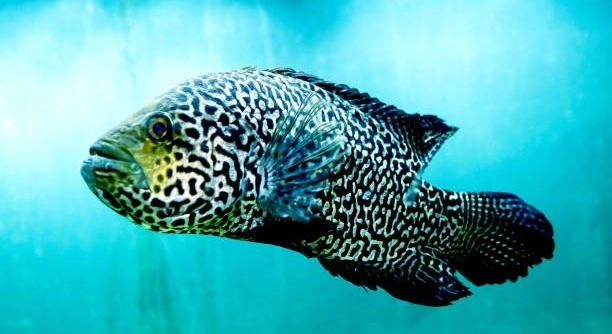
Jack Dempsey fish are known for their vibrant colors and lively personalities, making them a popular choice for home aquariums. Their natural behaviors require careful attention to ensure they remain active and engaged in their environment.
Several key features contribute to keeping Jack Dempsey fish stimulated. These include structured territories, varied hiding spots, consistent water conditions, suitable tank mates, interactive feeding routines, enriched environments with decorations, and areas that allow natural exploration and behavioral expression.
Maintaining these features will help your Jack Dempsey fish stay healthy, active, and display their natural behaviors consistently in your aquarium.
Structured Territories
Jack Dempsey fish thrive when they have clear territories within their tank. Providing separate areas with rocks, plants, or decorations helps them feel secure. Without defined spaces, they may become stressed or display aggression. Observing how they claim spots can give insight into their behavior and comfort level. It’s important to arrange the tank so each fish can retreat to its own space without constant confrontation. Structured territories also encourage natural behaviors like defending, exploring, and resting.
Territories reduce stress and support healthier interactions among fish, making them more active and responsive to their environment.
Arranging your tank with defined zones benefits both the fish and the keeper. Rocks and driftwood can create natural boundaries, while plants offer soft, secluded areas. By observing which areas your Jack Dempsey favors, you can adjust decorations to maintain balance. Structured territories also allow multiple fish to coexist more peacefully, minimizing fights. Over time, the fish will use these zones instinctively, moving confidently from one space to another. This setup promotes natural patterns, keeps them mentally stimulated, and enhances their vibrant colors and behaviors.
Varied Hiding Spots
Providing varied hiding spots is essential for Jack Dempsey fish. Small caves, dense plants, and driftwood offer places to retreat when feeling threatened or stressed.
Hiding areas make the fish feel secure and reduce aggression.
Different hiding options encourage exploration and natural activity. Fish can choose shaded spaces or tight corners, which mimic their natural habitat. Rotating decorations periodically or adding new hiding spots prevents boredom and keeps them active. These spots also help during feeding, as fish often seek cover before emerging to eat. Ensuring hiding places are safe, stable, and accessible improves their confidence. Over time, the fish will develop favorite spots, showing personality and territorial preferences. Well-placed shelters enhance health by reducing stress, supporting immune function, and preventing conflicts between tank mates. Hiding spots also make observation more interesting, as fish emerge and interact in dynamic ways, showcasing behaviors that are often hidden in bare tanks.
Consistent Water Conditions
Stable water conditions are crucial for Jack Dempsey fish. Temperature, pH, and cleanliness directly affect their health and activity levels. Sudden changes can stress them and reduce engagement.
Maintaining consistent water parameters supports their natural behavior and vibrant coloration. A heater, thermometer, and regular water testing can prevent fluctuations. Frequent partial water changes help remove waste and maintain chemical balance. Monitoring pH and hardness ensures the environment stays within safe limits. When conditions remain steady, fish are calmer, explore more, and interact confidently with their surroundings. Stress from unstable water can lead to disease and aggression, so keeping conditions predictable benefits long-term health and engagement.
Consistency also allows the fish to develop daily routines. Feeding, exploring, and resting patterns become predictable, which encourages regular activity. A stable environment promotes strong immunity, reduces territorial disputes, and enhances overall well-being. Monitoring water clarity and adjusting filtration as needed ensures the tank remains comfortable. Over time, your Jack Dempsey will appear more confident, displaying natural behaviors and vibrant colors. Investing effort into maintaining steady water conditions makes a visible difference in behavior and engagement, creating a harmonious aquarium environment that supports both the fish and your care routine.
Suitable Tank Mates
Choosing the right tank mates prevents aggression and keeps Jack Dempsey fish active. Compatible species reduce stress and promote natural interactions.
Properly selected tank mates encourage social behavior while maintaining harmony. Small, slow-moving, or overly timid fish may be harassed, while equally sized or assertive species maintain balance. Avoid overcrowding and provide hiding spots for all fish to minimize conflicts. Observing interactions allows adjustments if aggression arises. Choosing species with similar environmental needs ensures all fish thrive together.
Tank mates can enrich the environment by encouraging exploration, chasing, and display behaviors. Active species that occupy different levels of the tank prevent boredom and stimulate natural instincts. For example, bottom dwellers reduce competition for territory, while mid- to top-level swimmers provide movement throughout the tank. Regularly assessing behavior ensures that all fish coexist safely. Mixing species carefully allows Jack Dempsey fish to show natural social patterns, establishing a dynamic and engaging habitat. By pairing them with compatible companions, the tank becomes more lively and interesting, enhancing the overall health and activity of all inhabitants.
Interactive Feeding Routines
Feeding Jack Dempsey fish at regular times helps them stay active. Using varied foods like pellets, live, or frozen options encourages natural hunting and foraging behaviors.
Interactive feeding, such as scattering food or using feeding tongs, promotes engagement. Fish become more responsive and exhibit natural instincts, improving both mental and physical health.
Enriched Environment
Adding decorations, plants, and rocks simulates a natural habitat, keeping Jack Dempsey fish stimulated. Variety in textures and shapes allows exploration and prevents boredom. Fish can investigate new structures, swim around obstacles, and interact with their surroundings. Rotating or rearranging items occasionally refreshes their environment, maintaining interest.
Areas for Exploration
Open swimming spaces combined with obstacles encourage natural exploration. Providing both clear areas and complex structures keeps the fish active and engaged.
FAQ
How often should I feed my Jack Dempsey fish?
Jack Dempsey fish do best with one to two feedings per day. Adult fish can handle slightly larger meals, while juveniles may require smaller, more frequent feedings. Using a variety of foods, including high-quality pellets, live foods, and occasional frozen options, keeps their diet balanced. Avoid overfeeding, as uneaten food can pollute the tank and stress the fish. Feeding at consistent times also helps maintain their natural routines, encouraging activity and engagement throughout the day.
What is the ideal tank size for Jack Dempsey fish?
A minimum of 55 gallons is recommended for a single adult Jack Dempsey. Larger tanks are better when keeping multiple fish, as they need room to establish territories and reduce aggression. The tank should allow both open swimming spaces and hiding spots. Decorations like rocks, driftwood, and plants help create separate areas for territories while giving fish places to retreat. Providing enough space is essential for physical health, natural behaviors, and reducing stress in a multi-fish environment.
Can Jack Dempsey fish live with other species?
Yes, but careful selection is necessary. Suitable tank mates include other medium to large cichlids, peaceful bottom dwellers, or robust fish of similar size and temperament. Avoid small, slow-moving, or overly timid fish, as Jack Dempsey may harass them. Observe interactions regularly to ensure compatibility. Introducing tank mates gradually and providing plenty of hiding spaces can reduce stress and aggression. Correct pairing promotes natural social behaviors and keeps the fish active and mentally stimulated, contributing to a balanced aquarium.
How do I maintain water quality for Jack Dempsey fish?
Consistent water conditions are crucial. Maintain a temperature of 75–82°F, pH between 6.5 and 7.5, and moderate hardness. Perform partial water changes regularly to remove waste, and use a quality filter to maintain clarity. Test water parameters often, and adjust filtration or water treatments as needed. Sudden changes can stress fish, leading to illness or aggression. Keeping water stable ensures fish remain healthy, active, and display natural behaviors. A steady environment supports color vibrancy, immune function, and overall engagement.
Why does my Jack Dempsey hide often?
Hiding is a natural behavior, especially when stressed, establishing territory, or resting. Providing caves, plants, or driftwood gives them a safe retreat. Occasional hiding during feeding or social interactions is normal. Monitor their activity levels and tank conditions to ensure hiding isn’t caused by poor water quality, aggression, or illness. A well-structured tank with varied hiding spots allows the fish to balance exploration and security. Over time, they will use these areas confidently while remaining active and alert.
How can I reduce aggression in Jack Dempsey fish?
Aggression is natural, but it can be managed. Provide structured territories, hiding spots, and enough swimming space. Avoid overcrowding and carefully select tank mates. Monitor interactions and separate overly aggressive individuals if necessary. Consistent water conditions and proper feeding routines also reduce stress-induced aggression. Encouraging natural behaviors while maintaining balance in the tank helps the fish coexist peacefully and remain mentally stimulated.
What decorations are best for Jack Dempsey tanks?
Rocks, driftwood, and sturdy plants work well. Decorations should create hiding spots, establish territories, and offer exploration opportunities. Avoid sharp or unstable items that could injure the fish. Rearranging items occasionally keeps the environment interesting. Decorations not only enhance aesthetics but also support natural behaviors, making the fish more active and engaged.
How long do Jack Dempsey fish live?
With proper care, they can live 8–10 years or more. Lifespan depends on water quality, diet, tank conditions, and stress levels. Regular monitoring, proper feeding, and enriched environments support longevity. Observing behaviors and maintaining stable conditions ensures your Jack Dempsey remains healthy, active, and vibrant throughout its life.
Can Jack Dempsey fish recognize their owner?
Yes, they can learn routines and recognize feeding patterns. They may swim to the front of the tank during feeding or respond to consistent interactions. Recognition is not the same as affection but shows awareness and memory. Regular interaction through feeding or environmental changes can encourage responsiveness and engagement, making the fish more active and predictable in daily behavior.
How often should tank decorations be changed or rotated?
Periodic changes every few months can stimulate exploration. Rotate plants, rocks, or hiding spots to keep the environment dynamic. Avoid drastic rearrangements that stress the fish. Small adjustments encourage natural behaviors, provide mental stimulation, and maintain engagement. A balance of consistency and novelty helps Jack Dempsey fish remain curious and active, preventing boredom in their habitat.
This FAQ covers the most common concerns for keeping Jack Dempsey fish active, healthy, and engaged. By addressing feeding, environment, water quality, tank mates, and enrichment, you can create a thriving, stimulating aquarium that supports their natural behaviors.
Jack Dempsey fish are lively and vibrant creatures that require attention and care to remain healthy and active. Their natural behaviors, such as establishing territories, exploring hiding spots, and interacting with tank mates, are important indicators of their well-being. Providing a stable and enriched environment allows these fish to thrive. Simple steps like maintaining consistent water conditions, arranging decorations to create territories, and including both open swimming spaces and areas for retreat make a significant difference. Observing how they respond to their surroundings helps ensure they are comfortable and engaged, which also reduces stress and aggressive tendencies.
A balanced diet and regular feeding routines are equally important for keeping Jack Dempsey fish active. Offering a variety of foods, including pellets, live options, and occasional frozen treats, helps meet their nutritional needs and encourages natural foraging behaviors. Feeding at consistent times reinforces daily patterns, supporting both physical and mental health. Overfeeding or providing low-quality food can lead to water quality issues, which negatively impact activity and health. By focusing on both diet and environmental factors, these fish can display their full range of natural behaviors, maintain vibrant colors, and remain alert and interactive within their tank.
Providing enrichment and interaction is not only beneficial for the fish but also makes the aquarium experience more rewarding. Adding rocks, plants, and driftwood encourages exploration and discovery, while varying the arrangement over time keeps the environment stimulating. Properly selected tank mates add social dynamics, and observing fish as they establish territories or investigate new spaces can be informative. Attention to detail in water quality, hiding spaces, and feeding routines creates a stable, engaging habitat. Consistency in care allows Jack Dempsey fish to thrive, showing confidence, curiosity, and natural behavior patterns that make them a visually captivating and engaging addition to any aquarium.

Hello,
If you enjoy the content that we create, please consider saying a "Thank You!" by leaving a tip.
Every little bit helps us continue crafting quality advice that supports the health, happiness, and well-being of pets around the world, for pets of all shapes, sizes, and species.
We really appreciate the kindness and support that you show us!