
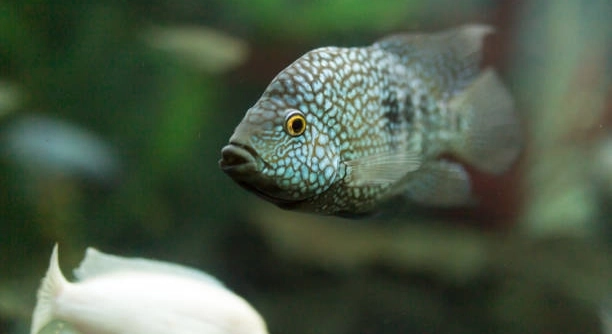
Many aquarium keepers notice changes in their Jack Dempsey fish coloration during routine care, which can feel concerning yet manageable when understood, especially for those who value stable tanks, healthy behavior, and consistent visual appeal.
The reasons Jack Dempsey fish lose color include stress, inadequate nutrition, unstable water parameters, illness, and environment factors. These conditions disrupt pigmentation processes and hormonal balance, leading to dull appearance. Addressing husbandry practices restores coloration through environments and proper diets.
Understanding these causes supports practical adjustments that protect color, improve wellbeing, and strengthen confidence in maintaining a balanced, attractive aquarium.
Stress and Environmental Changes
Stress is one of the most common reasons Jack Dempsey fish lose their vibrant color. Sudden tank changes, aggressive tank mates, loud surroundings, or frequent handling can overwhelm them. I have noticed that even small disruptions can affect their appearance. When stress levels rise, the fish prioritizes survival over coloration, causing pigments to fade. Poor hiding spaces and overcrowded tanks add to this pressure. Jack Dempsey fish are territorial by nature, and constant competition weakens their sense of security. Over time, prolonged stress can also weaken the immune system, making color loss more noticeable and persistent. Creating a calm, predictable environment helps reduce this issue. Stable routines, limited disturbances, and proper space allow the fish to relax and regain its natural intensity. Consistency in lighting, feeding schedules, and maintenance builds trust and supports long term comfort for this species within a home aquarium setting that remains balanced and carefully managed.
Environmental stress often goes unnoticed until color changes appear. Paying attention to behavior, appetite, and movement helps reveal problems early. Subtle signs usually come before severe fading, allowing adjustments before long term damage develops. This awareness has helped me maintain healthier tanks overall with fewer setbacks and more stable results.
Reducing stress starts with tank stability. Maintain consistent water temperature, proper filtration, and routine water changes. Provide caves and visual barriers to support natural territorial behavior. Avoid sudden rearrangements and introduce tank mates carefully. Feeding at regular times also reinforces a sense of security. I find that observing daily behavior makes it easier to adjust conditions before stress escalates. A calm environment supports stronger coloration and overall resilience. When stress is controlled, Jack Dempsey fish often regain depth of color within weeks, showing improved confidence and presence. This improvement reflects proper care rather than temporary changes caused by short disruptions.
Nutrition and Water Quality
Nutrition and water quality play a major role in maintaining strong coloration. Poor diets and unstable parameters directly affect pigment production. Without proper nutrients and clean water, Jack Dempsey fish gradually lose brightness despite appearing otherwise active. This connection is often overlooked during routine tank maintenance by many home keepers.
A balanced diet provides essential pigments, vitamins, and proteins that support healthy coloration. Jack Dempsey fish benefit from varied foods such as high quality pellets, frozen options, and occasional live offerings. Relying on a single food source limits nutritional intake and weakens color intensity. Water quality works alongside diet. Elevated ammonia, nitrites, or nitrates interfere with biological processes and increase stress. Regular testing and consistent water changes prevent these issues. I prefer small, frequent water changes rather than infrequent large ones, as stability matters more than speed. Clean water allows nutrients to be absorbed efficiently and supports skin health. Overfeeding should also be avoided, since excess waste degrades water conditions quickly. When nutrition and water quality align, coloration improves steadily. The fish displays richer tones, clearer patterns, and stronger overall condition. These changes reflect internal balance rather than surface appearance alone, making proper care a long term investment. Consistency is essential, and results take time rather than immediate correction. I have learned that patience supports lasting results. Monitoring feeding amounts, removing uneaten food, and keeping filtration maintained protects water clarity and nutrient balance long term for healthier fish and more consistent coloration overall within a stable aquarium environment over time.
Illness and Parasites
Illness and parasites often cause noticeable color fading in Jack Dempsey fish. Internal infections, external parasites, and bacterial conditions interrupt normal pigment expression. Even mild health issues can dull appearance quickly, especially when left untreated or combined with stress or poor water conditions over extended periods of neglect and exposure.
Parasites such as ich and flukes damage skin tissue and interfere with natural coloration. Fish may appear pale while the body focuses on healing rather than appearance. Bacterial infections also reduce appetite, limiting nutrient intake needed for pigment maintenance. I have found that early detection matters. Clamped fins, flashing, or lethargy often appear before major color loss. Isolating affected fish and using proper treatment helps prevent spreading. Maintaining quarantine practices for new fish reduces exposure. Clean water and stable parameters support recovery and allow natural color to return gradually without long term damage to overall health and stability levels observed.
Consistent observation is essential when managing health related color changes. Treating symptoms alone rarely solves the issue if underlying causes persist. I prefer testing water before medication, since poor conditions weaken treatment effectiveness. Follow dosage instructions carefully and complete full treatment cycles. Removing carbon during medication improves absorption. After recovery, gradual color improvement indicates healing rather than temporary masking. Skipping steps often leads to repeated fading. A steady, attentive approach supports lasting health and more stable coloration over time through careful monitoring routines, patience, and consistent maintenance practices applied daily in home aquarium care systems long term success improves outcomes.
Lighting and Tank Setup
Lighting intensity and tank layout influence how Jack Dempsey fish display color. Excessive brightness can wash out pigmentation, while insufficient lighting dulls natural tones. Sudden lighting changes also cause stress responses. I adjust lighting gradually and avoid harsh, direct exposure. Tank decor matters too. Bare tanks or reflective surfaces increase discomfort and reduce color expression over time, especially in confined spaces with limited shelter and visual barriers present consistently throughout the environment setup used daily.
Balanced lighting enhances visibility without overwhelming the fish. Using timers helps maintain consistent cycles, which supports natural rhythms. I aim for moderate lighting paired with shaded areas. Decorations such as rocks and driftwood provide contrast and security. Background color also affects perception. Dark substrates often make colors appear richer and reduce stress. Rearranging decor too often disrupts territorial comfort. Stable layouts allow fish to establish safe zones. When setup and lighting align, coloration appears deeper and more consistent. These adjustments are simple but require patience. Gradual changes prevent shock and encourage long term stability within the tank environment by supporting behavioral confidence, reducing anxiety, and promoting natural display patterns over extended periods of proper care and observation within home aquariums consistently maintained long term results.
Unstable Water Parameters
Fluctuating water parameters reduce color intensity in Jack Dempsey fish. Sudden shifts in temperature, pH, or hardness disrupt metabolic balance. Even small inconsistencies force the fish to adapt constantly, diverting energy away from pigmentation and overall appearance within a closed aquarium system over time with repeated exposure during care routines.
I rely on regular testing to keep parameters steady. Consistent temperature control, gentle water changes, and proper buffering prevent sudden shifts. Stability supports healthy digestion and skin condition. When parameters remain stable, coloration improves gradually and remains consistent rather than fading unexpectedly through attentive maintenance and careful observation over time.
Age and Genetics
Age and genetics influence how strongly Jack Dempsey fish display color. Younger fish often deepen in tone as they mature, while older individuals may fade naturally. Genetic lines also determine baseline intensity and pattern clarity. I have noticed that even with perfect care, some fish never reach the same vibrancy as others. This variation is normal and not always linked to mistakes. Providing optimal conditions allows each fish to show its best possible color within its genetic limits. Expecting uniform results leads to frustration. Accepting natural differences helps focus on health, behavior, and stability rather than appearance alone long term.
Breeding and Hormonal Changes
Breeding behavior and hormonal shifts can temporarily alter coloration. During spawning periods, colors may intensify or fade depending on dominance and stress levels. After breeding, energy redirects toward recovery. I allow time and stable conditions, knowing color usually returns once hormonal balance stabilizes again with proper care maintained consistently afterward.
FAQ
Why is my Jack Dempsey fish suddenly pale even though nothing changed?
Sudden paleness often appears before an obvious issue becomes visible. Minor stress, small parameter shifts, or social tension can trigger quick color changes. I have seen this happen after subtle temperature fluctuations or routine maintenance. Testing water and observing behavior usually reveals the cause.
Can stress alone really cause long term color loss?
Yes, prolonged stress has a strong impact on pigmentation. When stress continues, the fish prioritizes survival functions. Over time, this suppresses color expression. Stable surroundings and predictable routines help reverse this effect gradually rather than immediately.
How long does it take for color to return once conditions improve?
Color recovery depends on the cause and duration of fading. Mild issues may resolve within weeks, while prolonged problems can take months. I notice improvement begins slowly and strengthens with consistency. Sudden fixes rarely provide lasting results.
Does tank size affect Jack Dempsey coloration?
Tank size matters more than many realize. Limited space increases stress and territorial conflict. Larger tanks allow natural movement and defined territories. I have found that upgrading tank size often improves color without changing any other factors.
Can tank mates cause color loss even without visible aggression?
Yes, constant visual pressure can stress Jack Dempsey fish. Even peaceful species may cause discomfort through movement or proximity. Subtle dominance displays are easy to miss. Providing barriers and space reduces this hidden stress and supports stable coloration.
Is color loss always linked to poor water quality?
Not always, but water quality plays a supporting role in most cases. Even when parameters appear acceptable, instability causes stress. I focus on consistency rather than chasing perfect numbers. Stable conditions matter more than ideal ranges alone.
Do water changes cause temporary fading?
Large or rushed water changes can cause brief color dulling. Sudden shifts in temperature or chemistry stress the fish. I prefer smaller, frequent changes to avoid this response. Color usually returns once balance stabilizes again.
Can lighting alone make my fish look faded?
Lighting strongly affects perceived color. Excessive brightness washes out tones, while dim lighting hides vibrancy. I adjust intensity gradually and use shaded areas. Proper lighting reveals natural coloration without causing discomfort or stress.
Does diet really impact color that much?
Diet plays a major role in pigment maintenance. Poor nutrition limits color potential even with clean water. I rotate foods to ensure balanced nutrients. Over time, consistent feeding improves both color depth and overall vitality.
Are supplements necessary to restore color?
Supplements are not always required. Balanced food and stable conditions usually provide enough support. I avoid relying on additives unless deficiencies are confirmed. Overuse can disrupt balance rather than improve appearance.
Why does my fish look dull after breeding?
Breeding redirects energy toward recovery and hormonal balance. Temporary fading is common during this period. I allow rest and avoid changes. Color usually returns as energy levels normalize again.
Can illness cause color loss before other symptoms appear?
Yes, color fading often appears early during illness. Reduced pigment can signal internal stress. I treat this as a warning sign and observe closely. Early action improves recovery outcomes significantly.
Does age mean my fish will always lose color eventually?
Some fading with age is normal, but severe loss is not guaranteed. Proper care slows this process. I focus on comfort and stability, which helps older fish maintain respectable coloration longer.
Is genetics the reason some fish never regain full color?
Genetics define color limits. Even with ideal care, some fish remain less vibrant. I have learned to accept these differences and prioritize health rather than chasing unrealistic appearance standards.
Can frequent tank rearranging affect coloration?
Yes, constant changes disrupt territorial stability. Jack Dempsey fish rely on familiar layouts. I rearrange decor only when necessary. Stable environments support confidence and consistent color expression.
Why does my fish look darker at certain times of day?
Natural light cycles influence color intensity. Fish often darken during rest periods or low lighting. This is normal behavior and not a concern when other conditions remain stable.
Should I worry if color changes appear overnight?
Rapid changes deserve attention but not panic. I test water first, then observe behavior. Acting calmly prevents unnecessary disruption. Most cases improve once the underlying issue is addressed.
Can overfeeding affect color loss?
Overfeeding degrades water quality and increases waste buildup. This indirectly affects color. I feed measured portions and remove leftovers. Balanced feeding supports cleaner water and healthier pigmentation long term.
Is quarantine really necessary for color health?
Quarantine prevents disease introduction, which protects coloration. I quarantine all new fish. This step has reduced color related issues and improved overall tank stability over time.
Will my fish ever look as colorful as store displays?
Store lighting and conditions enhance appearance temporarily. Home aquariums focus on long term health. I aim for steady, natural color rather than artificial intensity created under controlled display setups.
Final Thoughts
Maintaining strong coloration in Jack Dempsey fish requires patience, consistency, and attention to detail. Color loss rarely comes from a single issue. It is usually the result of several small factors working together over time. I have learned that focusing on stability matters more than reacting to every change. When water conditions remain steady, feeding is balanced, and the environment feels secure, color often improves naturally. Quick fixes may seem appealing, but they rarely address the underlying causes. Instead, gradual adjustments create lasting results. Observing daily behavior, appetite, and interaction patterns provides valuable insight into overall wellbeing. Color should be viewed as a health indicator rather than a cosmetic concern. When the fish feels safe and supported, appearance follows. This approach removes frustration and encourages a calmer, more controlled way of caring for the aquarium.
It is also important to manage expectations. Not every Jack Dempsey fish will display the same level of vibrancy, even under ideal conditions. Genetics, age, and individual temperament influence appearance. I remind myself that healthy behavior, steady movement, and normal feeding habits matter just as much as color intensity. Comparing one fish to another often leads to unnecessary concern. Instead, tracking changes over time within the same tank gives a clearer picture of progress. Small improvements indicate that conditions are moving in the right direction. Sudden fading usually signals stress or imbalance, while gradual enhancement reflects proper care. Accepting natural variation allows a stronger focus on long term health rather than chasing unrealistic standards.
Consistency remains the most valuable tool when addressing color changes. Stable routines reduce stress and support natural processes within the fish. Regular testing, controlled feeding, proper lighting, and thoughtful tank setup work together to maintain balance. I have found that making fewer changes, but making them intentionally, leads to better outcomes. Rushing adjustments often creates new problems. Allowing time for the fish to respond builds confidence in the care process. Color recovery is rarely instant, but steady improvement confirms that the environment is supportive. Over time, this approach creates a more resilient aquarium system. The fish becomes more confident, behavior improves, and coloration settles into a healthy, natural state. This balance reflects responsible care and a deeper understanding of the species rather than short term appearance alone.

Hello,
If you enjoy the content that we create, please consider saying a "Thank You!" by leaving a tip.
Every little bit helps us continue crafting quality advice that supports the health, happiness, and well-being of pets around the world, for pets of all shapes, sizes, and species.
We really appreciate the kindness and support that you show us!