
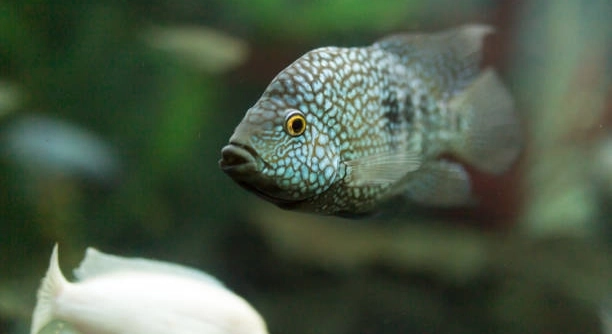
Have you ever watched Jack Dempsey fish in your tank and noticed how protective they are over their space? These fish can become tense when their territory is challenged. Observing their actions after losing a space shows interesting behavior patterns.
When a Jack Dempsey fish loses its territory, it typically retreats to safer areas, minimizes aggressive interactions, and focuses on foraging or hiding. This behavior reduces stress and helps the fish recover while avoiding further confrontations with other tank mates.
Learning about these responses helps fish owners support their pets better. Recognizing these behaviors can improve aquarium care and the overall well-being of your fish.
How Jack Dempsey Fish React Immediately After Losing Territory
When a Jack Dempsey fish loses its territory, the first reaction is usually stress and retreat. They often swim to the edges of the tank or find hidden spots to stay out of sight. Aggressive displays, like flaring fins or chasing other fish, drop sharply. They become quieter and less active, conserving energy while assessing their surroundings. This pause allows them to recover from the loss and reduce the risk of further confrontations. Watching this behavior can be surprising because their strong personalities suddenly seem subdued. They may still keep an eye on the area they lost, but they avoid direct contact. Sometimes they will observe from a distance, waiting for an opportunity to reclaim space or establish dominance elsewhere. These behaviors are natural survival mechanisms and show how adaptable these fish are, even when their environment changes unexpectedly. Tank owners often notice subtle changes in color or posture during this period.
Immediate reactions to territory loss include retreating to safer locations, reducing aggressive behavior, and conserving energy to minimize stress and prevent further conflict.
Over the next few hours or days, Jack Dempsey fish often explore nearby areas cautiously. They may test boundaries slowly, observing other fish before attempting to reclaim any part of their lost territory. During this time, they focus on eating and maintaining health. Tank mates may notice their change in behavior, as the once-aggressive fish becomes more reserved. This phase is essential for recovery and adjustment. By staying hidden or less active, the fish avoids unnecessary fights, which could lead to injuries. Owners can support them by ensuring there are enough hiding spots and minimal disturbances. Over time, the fish regains confidence, and their behavior begins to normalize, although they may remain watchful of stronger tank mates. Observing these patterns provides insight into the natural instincts of Jack Dempsey fish.
Long-Term Behavioral Adjustments After Territory Loss
Over time, Jack Dempsey fish adapt to their new status within the tank. They may establish new territories or share space with other fish, depending on the tank setup and number of hiding spots available. Some individuals may become more cautious, avoiding conflict unless necessary. Others gradually regain confidence and may challenge rivals again once they feel stronger. These adjustments involve not only physical activity but also subtle behavior changes, like fin position, swimming patterns, and color intensity. Fish that lose a territory often spend more time exploring corners and less crowded areas, creating a balance between safety and resource access. Tank conditions, such as decorations, plants, and shelters, greatly influence how quickly they adjust and how confident they become. Patience is important, as pushing a fish too soon can trigger stress or aggression. Over time, most Jack Dempsey fish find stability and reestablish a routine that allows them to coexist with other tank inhabitants without constant conflict.
Territory loss also affects social dynamics in the tank. Dominant fish may increase displays to maintain control, while subordinates learn to recognize boundaries and avoid confrontation. Fish owners can observe these interactions to better understand tank hierarchy and adjust feeding or hiding areas accordingly. This balance ensures healthier interactions and reduces long-term stress.
Signs of Stress in Jack Dempsey Fish
Stress in Jack Dempsey fish after a territory loss can be subtle. They may hide more than usual, swim slower, or show reduced interest in food. Color changes, such as duller tones, are also common. These signs indicate the fish is adjusting to a new position in the tank.
Stressed Jack Dempsey fish often avoid interactions with other fish. They may linger near hiding spots and only come out to feed briefly. Aggressive behaviors drop sharply, and fins may stay close to the body instead of flaring. This period of withdrawal helps them recover energy and minimize risk of injury. Tank conditions, such as water quality and available shelters, influence how quickly they adapt. Providing calm surroundings and minimal disturbance encourages faster recovery.
Over time, stress-related behaviors gradually decrease as the fish readjust. They may begin to explore cautiously, testing boundaries while remaining alert. Some may regain confidence and show flashes of their previous dominance. Observing these shifts can reveal how adaptable the species is. Proper tank management, including adequate hiding places and stable water parameters, supports their recovery. Even subtle changes in swimming patterns or color can indicate growing comfort. Recognizing and responding to these behaviors ensures the fish remains healthy and resilient after losing territory.
Strategies to Support Jack Dempsey Fish
Providing hiding spaces and calm areas helps a Jack Dempsey fish feel secure after losing territory. Avoid rearranging decorations or adding new fish immediately, as sudden changes increase stress.
Supporting recovery includes monitoring feeding habits and offering nutritious food to maintain health. Gradual reintroduction to shared areas encourages confidence while preventing conflict. Tank mates may need observation to avoid bullying or excessive aggression. Environmental enrichment, like plants or caves, can provide safe zones that reduce stress. Consistent water quality and temperature are essential, as fluctuations worsen anxiety. By carefully managing the environment, the fish learns to navigate the tank without constant threat, improving both behavior and well-being.
Patience is key when helping Jack Dempsey fish adjust. Some fish recover quickly, while others take longer to feel comfortable. Offering consistent routines, adequate food, and safe spaces ensures they regain confidence. Avoid forcing interactions or sudden changes, which can trigger setbacks. Over time, the fish may reclaim part of its former territory or establish a new area. Observing progress daily helps identify signs of stress or readiness to explore. With thoughtful care, these fish can return to natural behaviors, maintaining healthy interactions with tank mates and reducing the risk of ongoing tension or aggression.
Adjusting Social Behavior
After losing territory, Jack Dempsey fish often become more cautious around other fish. They avoid direct confrontations and spend more time observing dominant tank mates from a distance. This helps reduce stress and prevents unnecessary injuries while they adjust to the new hierarchy.
They may also change their feeding habits, eating more slowly or waiting for safer moments. This behavior is a natural response to a perceived threat. Observing these changes can help owners understand their fish’s needs and ensure the tank environment supports healthy interactions without added stress.
Reclaiming Territory
Some Jack Dempsey fish gradually attempt to reclaim parts of their lost territory. They may approach previous boundaries cautiously, displaying aggression only when they feel confident. This behavior is often measured and intermittent, as they test other fish reactions and gauge whether it is safe to challenge again.
Repeated attempts are common, but success depends on the presence of stronger or equally aggressive fish. Those that fail to reclaim space often settle into alternative areas, adjusting their daily routines. Monitoring interactions allows owners to prevent fights and maintain a balanced tank environment, supporting long-term well-being and reducing stress-related injuries.
Environmental Support
Providing shelters, plants, and hiding spots allows Jack Dempsey fish to feel secure after losing territory. Safe zones reduce stress and encourage exploration without confrontation.
Monitoring Recovery
Regular observation of color, activity, and feeding patterns helps track recovery. Early detection of lingering stress ensures proper care.
FAQ
How long does it take for a Jack Dempsey fish to adjust after losing territory?
Adjustment times vary depending on the individual fish and tank conditions. Some fish may begin to explore and regain confidence within a few days, while others take several weeks. Factors like available hiding spots, the presence of more dominant fish, and water quality all influence recovery speed. Ensuring a calm and stable environment supports faster adaptation. Monitoring their behavior daily helps identify whether they are gradually becoming more active or still stressed. Patience is important, as rushing interactions or changing tank setups too quickly can slow progress or increase stress.
Will a Jack Dempsey fish eventually reclaim its lost territory?
Some fish do reclaim territory, but success depends on the strength and aggression of other tank mates. Cautious testing of boundaries is common, and displays of aggression are measured rather than constant. Fish that cannot reclaim their original space often settle into less contested areas, establishing a new routine. Owners can support this process by providing enough hiding spots and clear boundaries. Reclaiming territory may happen gradually, with short bursts of activity rather than full dominance. Observing these attempts ensures fights do not escalate, allowing the fish to maintain health while adapting to new social dynamics.
What signs indicate stress after losing territory?
Stress can appear in several ways. Fish may hide more often, swim slowly, or avoid other fish. Color changes, like duller tones or less vibrant fins, are common. Reduced appetite or skipping meals is another indicator. Fin positions may remain close to the body, and aggressive displays typically decrease. Subtle changes in swimming patterns, like staying near the bottom or edges of the tank, also signal adjustment. Observing these signs allows owners to intervene by improving tank conditions, adding hiding spaces, or minimizing disturbances, helping the fish recover more quickly.
How can I reduce stress for my Jack Dempsey fish?
Providing plenty of hiding places and stable tank conditions is key. Avoid adding new fish or rearranging decorations immediately after a territory loss. Offer nutritious food regularly and maintain consistent water parameters. Watching the fish and limiting disturbances supports recovery. Creating calm zones and avoiding sudden interactions with more aggressive tank mates ensures the fish feels secure. Environmental enrichment, like plants and caves, gives options for hiding and observing, which helps reduce anxiety. Consistency in care and gentle observation allows the fish to regain confidence and return to normal behaviors over time.
Do Jack Dempsey fish show personality changes after a loss?
Yes, their behavior often becomes more cautious. A previously dominant fish may become reserved, avoiding conflict and showing less aggression. Social interactions are measured, and they may spend more time observing rather than engaging. This change helps the fish conserve energy and stay safe. Over time, personality may return gradually, or they may adapt to a calmer, more reserved routine depending on tank dynamics. Observing these changes helps owners provide appropriate support, like creating new safe zones or monitoring interactions, to maintain harmony in the tank.
Is it normal for Jack Dempsey fish to change color after losing territory?
Color changes are common and usually temporary. Stress can cause duller tones, reduced vibrancy, or uneven coloring. These shifts reflect the fish’s emotional state rather than illness. As confidence returns, colors often brighten again. Monitoring water quality, diet, and stress levels supports a faster return to normal coloration. Maintaining stable conditions and safe hiding spots can help the fish regain comfort and reduce the duration of color changes.
How can I help a fish that refuses to eat after a loss?
Offer small, frequent meals and high-quality food to entice eating. Avoid feeding near dominant fish to reduce stress. Placing food near hiding spots encourages consumption. Monitoring appetite and adjusting feeding routines helps ensure the fish maintains energy during recovery. Stress-reducing measures, like calm surroundings and minimal disturbance, also encourage normal feeding behavior.
What should I do if the fish continues to act stressed for weeks?
Persistent stress may indicate environmental issues or aggression from tank mates. Check water quality, temperature, and decorations to ensure stability. Ensure there are enough hiding places. If stress continues, consider separating the fish temporarily or rearranging the tank to reduce confrontations. Observing interactions closely helps prevent injuries and supports long-term well-being. Consistent care and patience are essential, as Jack Dempsey fish need time to adjust naturally.
Can tank mates influence recovery after a territory loss?
Yes, other fish play a major role. Aggressive or dominant tank mates may prolong stress, while passive fish reduce pressure. Observing interactions helps identify potential issues. Adjusting tank dynamics, adding shelters, or temporarily isolating stressed fish can support recovery. Balanced social dynamics improve confidence, feeding behavior, and overall health, allowing the fish to reestablish routines without constant threat or injury.
Are hiding spots essential for recovery?
Absolutely. Hiding spots give Jack Dempsey fish a safe place to retreat, observe surroundings, and recover energy. Caves, plants, or decorations provide security and reduce stress. Multiple options ensure the fish can avoid aggressive encounters while gradually testing boundaries. Properly placed shelters support natural behavior and long-term well-being in a tank where territory dynamics are complex.
Final Thoughts
Jack Dempsey fish are naturally strong and territorial, but losing a territory can change their behavior quickly. After a loss, they often become more cautious, hiding in corners or behind decorations, and avoiding conflicts with other fish. This reaction is normal and helps them reduce stress and prevent injury. Fish owners may notice changes in swimming patterns, fin positions, or even color. These are not signs of illness, but rather ways the fish cope with their new situation. Recovery times vary. Some fish regain confidence in a few days, while others need several weeks. Understanding this helps owners provide better care without interfering with the natural adjustment process. Patience and observation are key. By letting the fish adapt at its own pace, it can slowly return to normal behavior without feeling threatened or overwhelmed by its environment.
Creating a safe and supportive environment is essential for recovery. Providing plenty of hiding spots, caves, and plants gives the fish secure areas where it can observe the tank without being exposed. Maintaining stable water conditions, like proper temperature, pH, and cleanliness, helps reduce stress and keeps the fish healthy. Feeding routines should be predictable, offering nutritious food at calm times so the fish can eat without worry. Avoid sudden changes, like adding new tank mates or moving decorations, as these can increase stress and slow recovery. Watching the fish for signs of improvement, such as increased exploration, brighter colors, or more confident swimming, shows that it is adjusting well. These small observations help owners understand the progress and guide any adjustments needed to support the fish during this period.
Over time, most Jack Dempsey fish find a new balance in the tank. Some may attempt to reclaim parts of their former territory, testing boundaries with caution. Others settle into quieter areas, avoiding conflicts while establishing new routines. Even small changes, like gradually returning to normal swimming patterns or restoring vibrant colors, indicate that the fish is adapting successfully. Consistent care, calm surroundings, and plenty of safe spaces allow these fish to feel secure and regain confidence. Observing their behavior and responding to their needs ensures they remain healthy and stress-free. Understanding how Jack Dempsey fish cope with territory loss allows owners to create a tank environment that encourages natural behavior, reduces conflict, and supports long-term well-being. With careful attention and patience, these fish can thrive even after a territorial change.

Hello,
If you enjoy the content that we create, please consider saying a "Thank You!" by leaving a tip.
Every little bit helps us continue crafting quality advice that supports the health, happiness, and well-being of pets around the world, for pets of all shapes, sizes, and species.
We really appreciate the kindness and support that you show us!