
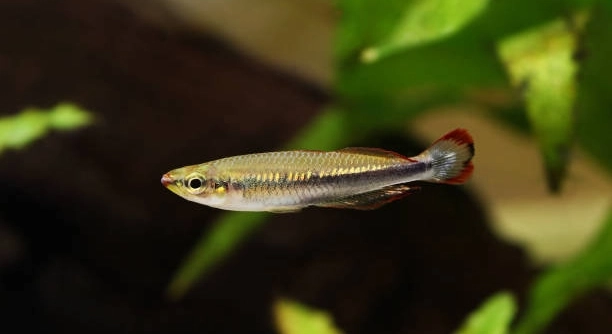
Have you ever noticed your rainbowfish swimming in tight circles or seeming restless in their tank? Many fish owners don’t realize that even small changes in behavior can signal a need for more space in the aquarium.
Rainbowfish require adequate swimming space to maintain their health and behavior. A tank that is too small can cause stress, stunt growth, and increase aggression. Providing a larger environment supports natural movement, proper social interactions, and overall well-being.
Observing subtle changes in your fish’s activity can reveal important insights about their living conditions and comfort in the tank.
Constantly Swimming or Pacing
When I first noticed my rainbowfish swimming back and forth along the glass, I thought it was just their energy. But over time, it became clear they were trying to find more space. Rainbowfish are active swimmers, and a cramped tank limits their ability to move naturally. They may start pacing or circling repeatedly, which is a sign of stress. In a larger tank, they can explore and interact with the environment without feeling trapped. Overcrowding can also affect water quality, making it harder to maintain stable conditions. Plants and decorations may provide some hiding spots, but they cannot replace the need for open swimming space. Fish that cannot swim freely may become more aggressive or withdrawn. Observing this behavior early allows you to adjust their habitat before it affects their health. Upgrading to a bigger tank ensures that they stay active, healthy, and display natural behaviors without restriction.
Stress from limited space can affect appetite and coloration. Watching for pacing is crucial.
Providing a larger tank not only reduces stress but also allows rainbowfish to develop their full size. A tank that is too small can stunt growth and increase the chance of illness. Proper space promotes social interaction and natural movement patterns. Adding plants and hiding spots enhances comfort, but the main factor is open swimming room. Observing their behavior regularly helps ensure they remain healthy and happy in their environment.
Fading or Dull Colors
When rainbowfish start losing their bright colors, it’s often linked to their environment. Stress, lack of space, and poor water conditions all play a role. A small tank restricts movement and can lead to chronic stress, which directly impacts their coloration. Fish in larger tanks tend to maintain vibrant colors, as they feel more secure and have room to swim. A faded rainbowfish may also signal nutritional deficiencies or illness, but tank size is often a contributing factor. Upgrading their tank allows for healthier water conditions, more oxygen circulation, and better overall comfort. By giving them a spacious environment, their colors can return and even improve over time, reflecting their improved well-being. Observing and responding to subtle changes in color helps prevent long-term health issues.
Dull colors can indicate stress or health issues caused by cramped conditions.
Ensuring your rainbowfish have a proper-sized tank helps them display natural hues and behaviors. A larger tank supports better water quality, reduces aggression, and allows them to swim freely. Fish confined to small spaces often lose their vibrancy and can develop behavioral problems. By expanding their living area, you can prevent these issues while promoting growth and long-term health. Combining a bigger tank with proper nutrition, regular water changes, and attention to social dynamics ensures your rainbowfish remain lively, colorful, and active. Over time, you’ll notice a significant difference in their overall demeanor, showing that space and environment play a critical role in their happiness.
Clamped Fins
Clamped fins are a clear sign your rainbowfish is stressed or uncomfortable. When the fins stay close to the body, it usually means the tank is too small or conditions aren’t ideal. Expanding their space can relieve this stress.
Keeping fins healthy requires enough room to swim freely. In cramped tanks, rainbowfish may constantly brush against decorations or glass, leading to damage. Limited space can also increase aggression, causing other fish to nip at fins. A larger tank reduces stress, allows for natural movement, and supports fin growth. Observing fins regularly helps detect issues early before infections or injuries develop.
Other factors like water quality and temperature also influence fin health. Proper filtration, regular water changes, and a spacious tank all work together to prevent clamped fins. Providing hiding spots can help shy fish relax, but swimming space is the most critical factor. Maintaining a clean, spacious environment ensures rainbowfish fins stay fully extended and functional, reflecting their overall well-being.
Loss of Appetite
A rainbowfish that stops eating is often struggling with its environment. A tank that is too small can increase stress, leading to decreased interest in food. Ensuring enough swimming room improves appetite and overall vitality.
Stress from limited space affects digestion and feeding behavior. Fish in cramped conditions may hide constantly, ignore food, or compete aggressively for small feeding areas. Expanding the tank reduces tension and provides access to multiple feeding zones. Nutritional needs remain important, but without enough space, even high-quality food may be ignored. Observing feeding patterns gives insight into their comfort level and health status.
Along with tank size, water quality impacts appetite. Poor filtration or overcrowding can lead to uneaten food decomposing, which further stresses the fish. Maintaining a larger, clean tank ensures they have both space and proper conditions to feed regularly. Social dynamics also matter; rainbowfish in a spacious tank establish hierarchies more naturally, reducing competition and allowing each fish to eat adequately. This combination of space, clean water, and minimal stress helps restore normal feeding behavior consistently.
Hiding Constantly
When rainbowfish spend most of their time hiding, it often signals stress or fear. A tank that is too small can make them feel trapped and unsafe, causing them to retreat behind decorations or plants.
Hiding prevents natural interaction and exercise. A larger tank reduces stress, encourages swimming, and helps rainbowfish feel secure, improving overall health and behavior.
Rapid Gill Movement
Rapid gill movement usually indicates poor water quality or low oxygen levels. In a small tank, oxygen circulation is limited, making it harder for rainbowfish to breathe comfortably.
Providing a larger tank increases water volume and flow, improving oxygen levels. Better circulation reduces strain on gills, supports normal breathing, and keeps the fish active and healthy.
Aggression Among Tank Mates
Aggressive behavior often emerges when rainbowfish feel crowded. Limited space increases tension, causing chasing or nipping among fish.
A bigger tank allows proper territory establishment and reduces conflict. Adequate swimming room and hiding spots create a calmer environment, supporting peaceful interactions and healthier social dynamics within the aquarium.
FAQ
What size tank is ideal for rainbowfish?
Rainbowfish thrive in tanks that provide ample swimming space. For a small group of 4 to 6 fish, a minimum of 30 gallons is recommended. Larger tanks, around 50 gallons or more, are even better because they reduce stress, allow for more natural behavior, and support healthier water conditions. A spacious environment also helps prevent aggression, supports growth, and lets decorations and plants coexist without crowding the fish.
How often should I upgrade the tank?
Tank upgrades aren’t needed frequently, but they should happen whenever your rainbowfish outgrow their current space. Monitor their size and behavior regularly. Signs like pacing, clamped fins, or hiding indicate they may need more room. Upgrading before issues become severe ensures their health and well-being remain optimal.
Can overcrowding affect water quality?
Yes, overcrowding directly impacts water quality. More fish in a small tank produce more waste, which increases ammonia, nitrite, and nitrate levels. Even with good filtration, a cramped tank makes maintaining stable water conditions difficult. Poor water quality stresses rainbowfish, dulls their colors, reduces appetite, and can lead to illness. A larger tank helps dilute waste, improves oxygen circulation, and keeps chemical levels balanced.
What are the signs my rainbowfish is stressed?
Stress shows in several ways: pacing, clamped fins, hiding constantly, loss of appetite, or fading colors. Aggression toward tank mates can also indicate tension. Observing these behaviors early allows you to respond before long-term health issues develop. Ensuring a spacious environment, clean water, and proper social conditions are essential to reduce stress.
Will adding plants and decorations help in a small tank?
Plants and decorations provide hiding spots and visual barriers, which can reduce stress temporarily. However, they cannot replace the need for adequate swimming space. Crowding a small tank with too many decorations may worsen stress. Prioritize a larger tank first, then add elements to enrich the environment and mimic natural habitats.
How does tank size affect growth?
Rainbowfish growth is influenced by space. A cramped tank can stunt development, as limited swimming room and increased stress interfere with natural growth processes. In a larger tank, fish can move freely, interact socially, and develop fully. Regular observation helps ensure they are reaching their potential size while staying healthy.
Is it okay to keep rainbowfish with other species in a small tank?
Mixing species in a small tank often leads to aggression and competition for space. Rainbowfish may chase or nip other fish if they feel crowded. A larger tank reduces territorial conflicts and allows multiple species to coexist more peacefully, providing each fish with adequate room to swim and explore.
How quickly will behavior improve after moving to a bigger tank?
Improvement can be noticed within a few days to a week. Fish may start swimming more naturally, show brighter colors, and regain appetite. Full behavioral adjustment can take a few weeks as they become accustomed to the new space, reestablish social hierarchies, and explore their expanded environment.
Can stress from a small tank cause illness?
Yes, chronic stress from limited space weakens the immune system, making rainbowfish more susceptible to bacterial, fungal, and parasitic infections. Maintaining a larger, clean tank reduces stress, supports immune function, and decreases the risk of disease, ensuring long-term health and longevity.
Are there any cost considerations for upgrading a tank?
Upgrading a tank involves initial costs for the larger tank, filtration system, substrate, and decorations. However, investing in proper space pays off by reducing health problems, stress, and frequent treatments. Healthier fish require less intervention, and the improved quality of life for your rainbowfish is worth the investment.
How often should I monitor water conditions after upgrading?
After moving to a bigger tank, monitoring water parameters like ammonia, nitrite, nitrate, and pH is important for at least the first few weeks. Larger tanks stabilize conditions more easily, but regular testing ensures proper filtration, feeding, and overall water quality, keeping your rainbowfish healthy and thriving.
What is the best way to acclimate rainbowfish to a larger tank?
Acclimation should be gradual. Float the fish in sealed bags to match water temperature, then slowly mix tank water over 20–30 minutes before releasing them. This reduces shock and stress. Providing plants, hiding spots, and a calm environment in the new tank helps them settle quickly and begin exploring their expanded space.
Upgrading your rainbowfish to a larger tank can make a significant difference in their health and behavior. When fish have enough space to swim freely, they exhibit natural behaviors, maintain bright colors, and interact more comfortably with tank mates. A cramped environment can lead to stress, aggression, hiding, or even physical issues like clamped fins. Many signs that your rainbowfish needs more space appear gradually, so paying attention to subtle changes is important. Even small improvements, such as moving from a 20-gallon to a 30-gallon tank, can reduce stress and allow them to swim without restriction. Providing adequate space is a foundational step in ensuring your fish live a healthy and active life.
Water quality is closely connected to tank size. A larger tank dilutes waste, improves oxygen circulation, and reduces spikes in ammonia, nitrite, and nitrate levels. Maintaining stable water conditions is easier with more water volume, which directly impacts your rainbowfish’s well-being. Frequent water testing and proper filtration are still necessary, but a bigger tank creates a more forgiving environment, giving you more flexibility and time to manage care. Additionally, plants and decorations can enhance comfort, but they cannot replace the benefits of open swimming space. The combination of clean water, sufficient space, and a few hiding spots provides an environment where rainbowfish can thrive, reducing the risk of stress-related illnesses and behavioral problems.
Observing your rainbowfish regularly is essential to understanding their needs. Signs like loss of appetite, faded colors, excessive hiding, or aggression often indicate that a tank upgrade is needed. Addressing these issues promptly can prevent long-term health problems and improve their quality of life. Upgrading to a larger tank is not just about size—it is about creating a balanced environment that supports both physical health and natural behavior. Taking this step ensures your rainbowfish remain active, social, and vibrant, giving them the best chance to grow and enjoy their environment fully. A well-maintained, appropriately sized tank helps you care for your fish effectively, making your time as an aquarium keeper more rewarding and stress-free.

Hello,
If you enjoy the content that we create, please consider saying a "Thank You!" by leaving a tip.
Every little bit helps us continue crafting quality advice that supports the health, happiness, and well-being of pets around the world, for pets of all shapes, sizes, and species.
We really appreciate the kindness and support that you show us!