
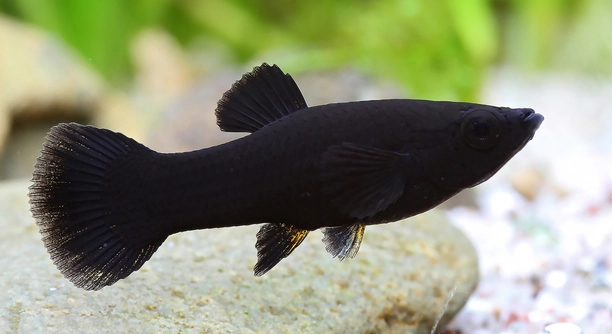
Have you ever set up a new aquarium and wondered how your Black Molly would adjust to its environment? These lively fish are known for their friendly nature and adaptability, but introducing them to tank mates requires careful planning. Their behavior can shift depending on the tank conditions and companions.
Black Mollies should not be introduced to tank mates immediately. A quarantine period of at least two weeks is recommended to monitor health, reduce stress, and prevent the spread of disease, ensuring a safer and more stable community setup.
Proper preparation and observation can make a big difference in your Black Molly’s adjustment and the harmony of your aquarium. This approach helps ensure long-term health and peace among all fish.
Preparing the Tank for Black Mollies
When setting up a tank for Black Mollies, it is important to create a stable and safe environment. Start with a clean tank and a good filtration system to keep water quality high. Mollies prefer slightly brackish water, so adding a pinch of aquarium salt can help them thrive. Maintain a temperature between 75 and 80 degrees Fahrenheit and keep the pH around 7.0 to 8.0. Adding live plants like Java moss or hornwort provides hiding spots and reduces stress. Before adding any tank mates, observe the Black Mollies in quarantine to ensure they show normal behavior and appetite. Introduce them to the main tank only after confirming they are healthy and active. Proper preparation not only supports their immune system but also reduces aggression and territorial disputes when other fish are added. Regular water testing and partial water changes are key to a healthy aquarium.
Keeping the tank well-planted and maintaining water quality helps Black Mollies feel secure and reduces stress.
A properly prepared tank sets the stage for a peaceful community. By ensuring water conditions match their needs, providing plants for hiding, and keeping the environment stable, Mollies adapt faster. Observing them closely before adding other fish prevents disease spread and minimizes aggressive interactions. This care makes tank mates integration smoother and encourages natural behavior.
Introducing Tank Mates
Start by selecting peaceful fish that thrive in similar water conditions as Black Mollies.
Slowly introduce new fish after the Mollies have settled. Keep an eye on interactions and remove any aggressive individuals. Avoid overcrowding the tank to reduce stress and competition for food. It helps to feed all fish at the same time to prevent territorial disputes. Monitor water quality closely, as more fish increase waste and ammonia levels. Introducing tank mates in small numbers allows Mollies to adjust gradually. Live plants and decorations provide hiding spots, giving shy or timid fish space. Over time, the community will find a balance, but patience is required. Stress reduction is key to preventing illness. Following these steps creates a calmer environment where all fish can coexist without constant conflict. Observing behavior daily ensures problems are addressed quickly, maintaining a healthy and harmonious aquarium for Black Mollies and their companions.
Choosing Compatible Tank Mates
Black Mollies do best with peaceful species that enjoy similar water conditions. Avoid aggressive or overly large fish that may bully them. Livebearers like Platies or Guppies often make good companions. Community fish should share similar temperature and pH requirements to prevent stress and health issues.
Introducing compatible species gradually helps maintain harmony. Start with one or two fish to observe interactions. Fish that are calm and non-territorial reduce the risk of conflict. Mollies can be sensitive to aggressive behavior, so careful observation during the first days is essential. Keep decorations and plants to allow hiding spots. Avoid sudden changes in water conditions, which can stress both new and existing fish. Feeding routines should include all species at once to minimize competition. Over time, most compatible species will coexist peacefully.
Even with careful selection, monitor fish closely. Mollies may show signs of stress, such as hiding or loss of appetite, if tank mates are unsuitable. Removing aggressive individuals early prevents injury and maintains a balanced environment. Consistent water maintenance and observation help sustain a healthy community tank. Regular feeding and enrichment, like adding floating plants or small caves, can reduce territorial disputes and promote natural behavior among all fish. This approach ensures both Mollies and their companions remain healthy and active.
Acclimating New Fish
Acclimation is critical when adding fish to an established tank. Temperature and water chemistry differences can shock new arrivals if not handled carefully. Float the sealed bag in the tank for 15 to 20 minutes to equalize temperatures.
After floating, gradually add small amounts of tank water to the bag over 30 to 60 minutes. This allows the new fish to adjust to pH, hardness, and other water parameters slowly. Rapid introduction can lead to stress, illness, or even death. Observe fish for signs of distress during this process. Keep lights dim to reduce stress, and avoid feeding for the first few hours after introduction to allow fish to settle. A slow and steady acclimation ensures better survival rates and a smoother integration into the community tank.
After acclimation, monitor interactions closely for the first few days. Fish may be shy or slightly aggressive, so provide extra hiding spots with plants or decorations. Feeding all fish at the same time helps prevent competition and aggression. Remove any fish showing persistent stress or bullying behavior to protect the newcomers. Consistent observation and water maintenance are key to long-term success. Over time, most Black Mollies and their tank mates will establish a peaceful hierarchy, thriving in a well-balanced community. Patience during these early days is essential for a harmonious aquarium.
Monitoring Behavior
Observe Black Mollies closely after introducing tank mates. Watch for signs of stress such as hiding, clamped fins, or reduced appetite. Early detection allows you to address issues before they escalate.
Pay attention to interactions during feeding. Mollies may chase or nip newcomers if they feel threatened. Provide hiding spaces to reduce tension and allow timid fish to feel secure.
Feeding Strategies
Feed all fish small amounts multiple times a day to prevent competition. Black Mollies enjoy a mix of flake, pellet, and occasional live foods. Ensure food reaches shy or slower fish by spreading it throughout the tank. Consistent feeding helps reduce aggression and supports healthy growth.
Tank Maintenance
Regular water changes are essential. Remove debris and uneaten food to keep water clean and prevent disease.
Keeping the filter clean and testing water parameters frequently helps maintain stability. A well-maintained tank ensures all fish remain healthy and stress-free.
Adjusting Environment
Adjust decorations and plants if aggression occurs. Rearranging hiding spots can reduce territorial disputes.
FAQ
How long should Black Mollies stay in quarantine before adding tank mates?
Black Mollies should stay in quarantine for at least two weeks. This period allows you to monitor for disease, stress, or unusual behavior. Quarantine helps prevent introducing illness to your main tank. It also gives Mollies time to adjust to a new environment before interacting with other fish.
Can Black Mollies live with aggressive fish?
No, aggressive fish can stress Black Mollies, causing hiding, loss of appetite, or disease. Peaceful species are better tank mates. Mollies are social but sensitive, and aggressive companions can lead to injuries and long-term health issues. Choosing calm fish ensures a harmonious community tank.
What tank size is ideal for Black Mollies with companions?
A minimum of 20 gallons is recommended for a small group of Mollies and tank mates. Larger tanks reduce territorial disputes and give each fish space to swim freely. Providing room helps maintain water quality and lowers stress among all inhabitants.
Do Black Mollies need hiding spots when living with tank mates?
Yes, hiding spots are essential. Plants, decorations, and caves allow shy or stressed fish to escape aggression. Even friendly fish benefit from secure spaces to rest and feel safe, reducing stress and promoting natural behavior.
How often should I feed Mollies and their tank mates?
Feed small portions two to three times daily. Spread food evenly so timid fish can access it. Black Mollies enjoy flake, pellet, and occasional live foods. Regular feeding helps maintain health, reduces competition, and lowers aggression in the tank.
Is water quality more important with multiple species?
Absolutely. More fish produce more waste, which can increase ammonia and nitrite levels. Regular water testing, partial water changes, and proper filtration are crucial. Stable water conditions prevent stress, disease, and aggressive behavior among tank mates.
What signs show Mollies are stressed with new tank mates?
Signs include clamped fins, hiding, loss of appetite, or erratic swimming. Stress can weaken immunity, making Mollies prone to disease. Early observation and adjusting the environment or removing aggressive fish can help Mollies recover and adapt.
Can I add all tank mates at once?
It’s better to add new fish gradually. Introducing one or two at a time allows Mollies to adjust. Gradual addition reduces competition and aggression, giving the community time to find balance. Quick introductions often lead to stress and territorial disputes.
Do Mollies need brackish water with tank mates?
Mollies thrive in slightly brackish water, but most community fish prefer freshwater. A balance can be achieved with careful monitoring. Using a mild salinity level helps Mollies without harming other species. Adjust slowly and observe all fish for stress or reactions.
How can I prevent aggression in a mixed tank?
Provide hiding spots, avoid overcrowding, and feed evenly. Choosing peaceful, compatible fish reduces conflicts. Monitor interactions closely, especially during the first few days. Adjusting decorations or rearranging plants can help break up territories and minimize disputes.
Should Mollies be introduced before or after other fish?
It’s often easier to introduce Mollies first after quarantine. They can establish a comfortable routine and territory before newcomers arrive. Adding them after the tank is settled helps reduce stress and ensures they adapt smoothly alongside other species.
How do I handle illness when tank mates are present?
Quarantine sick fish immediately to prevent spreading disease. Maintain water quality and monitor all fish for symptoms. Early intervention is key to protecting both Mollies and their companions. Treating affected fish separately ensures the community tank remains healthy.
Can Black Mollies reproduce with tank mates present?
Yes, but monitor carefully. Mollies are livebearers and can breed frequently. Tank mates may disturb fry, so provide hiding spaces. Separating fry or adding dense plants increases survival chances. Reproduction is normal but requires management to prevent overpopulation.
Is it safe to mix Mollies with other livebearers?
Generally, yes. Platies, Guppies, and Swordtails are compatible. They share similar water requirements and temperament. Mixing livebearers reduces aggression and allows social behavior. Avoid mixing with overly aggressive or large species to prevent stress.
What’s the best way to introduce a new fish visually before adding it to the tank?
Float the bag in the tank for 15 to 20 minutes. Observe reactions through the glass. This reduces shock and helps Mollies get used to newcomers before direct contact. Gradual acclimation supports a smoother transition and lowers stress.
How often should I check water parameters with multiple species?
Test at least twice a week. Monitor ammonia, nitrite, nitrate, pH, and temperature. Consistent checks prevent problems and ensure a safe environment for both Mollies and their tank mates. Early detection allows quick correction, maintaining harmony.
Are there signs of successful integration of Mollies with tank mates?
Yes. Mollies swim actively, eat well, and interact calmly. Minimal chasing or hiding indicates comfort. Tank mates should also appear relaxed, with normal behavior. Successful integration is seen in healthy fish, balanced activity, and low aggression in the community tank.
Can Black Mollies tolerate sudden changes in tank mates?
Sudden changes can cause stress. Introduce fish gradually and avoid large groups at once. Adjust decorations or plants if needed. Patience is key, as Mollies need time to establish territory and trust in a mixed environment.
Do Mollies need any special care when housed with different species?
Monitor interactions, provide hiding spots, and maintain stable water conditions. Ensure feeding is balanced so timid fish get enough food. Observing behavior daily helps prevent conflicts and promotes a healthy, stress-free aquarium for all species.
What is the main takeaway for keeping Mollies with tank mates?
Careful selection, gradual introduction, stable water conditions, and observation are essential. Providing hiding spots, monitoring health, and feeding appropriately helps Mollies coexist peacefully. Attention to detail ensures a thriving, balanced community tank with minimal stress.
Word count: 507
Black Mollies are lively, social fish that can thrive in a community tank if the right conditions are provided. They are sensitive to water quality, temperature, and tank environment, so careful planning is essential. Taking time to quarantine new Mollies before introducing them to other fish is an important step. A two-week observation period allows you to monitor for illness, stress, or unusual behavior. This simple precaution can prevent many problems and help ensure the health of the entire aquarium. By creating a stable environment and monitoring behavior closely, you can reduce stress and make sure Mollies are comfortable before they meet new tank mates.
Introducing compatible fish gradually is key to maintaining harmony. Peaceful species that share similar water requirements tend to coexist well with Black Mollies. Aggressive or very large fish can cause stress and injury, so selecting calm species is always a better option. Providing plants, decorations, and hiding spots helps reduce tension and gives timid fish a place to retreat when needed. Feeding all fish evenly and maintaining a consistent schedule also helps prevent competition and reduces the chance of conflict. Observation is important during the first days after adding new fish, as it allows you to address any issues early and adjust the environment if necessary.
Proper tank maintenance and consistent care are crucial for long-term success. Regular water testing, partial water changes, and a clean filter keep conditions stable, which supports the health of all fish. Mollies and their tank mates will be more active, eat well, and display natural behaviors when the water is clean and stress is minimized. Acclimating new fish slowly and carefully helps them adjust without shock, which prevents illness and promotes a smoother integration. Over time, with patience, attention, and consistent care, Black Mollies and their companions can thrive in a balanced, peaceful aquarium, providing an enjoyable and healthy environment for everyone involved.
Word count: 406

Hello,
If you enjoy the content that we create, please consider saying a "Thank You!" by leaving a tip.
Every little bit helps us continue crafting quality advice that supports the health, happiness, and well-being of pets around the world, for pets of all shapes, sizes, and species.
We really appreciate the kindness and support that you show us!