
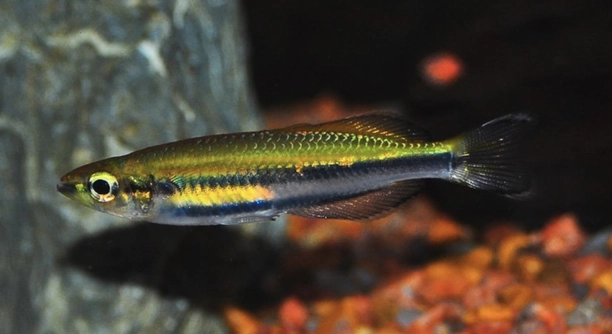
Is your rainbowfish spending most of its time in one corner of the tank, seemingly without reason? This behavior can leave fish owners concerned, wondering if something is wrong with the environment or the fish itself.
Rainbowfish often swim in the same spot due to environmental stress, lack of stimulation, or health issues. Factors such as water quality, temperature fluctuations, and limited tank enrichment can lead to repetitive or stationary swimming patterns in these fish.
Understanding the causes behind this behavior can help you improve your fish’s habitat. Small adjustments may encourage more active swimming and support overall health.
Common Reasons Rainbowfish Stay in One Spot
Rainbowfish often choose a single area of the tank due to stress or discomfort. Poor water conditions, such as high ammonia levels or incorrect pH, can make them feel unsafe and reduce activity. Temperature fluctuations also affect their metabolism, making them less inclined to swim actively. Limited tank space or sparse decorations can leave the fish without enough stimulation, encouraging them to remain in a preferred corner. Overcrowding may also contribute, as rainbowfish seek areas where they feel secure. Sometimes, the fish are simply resting or observing their surroundings. Diet can play a role too; underfeeding or unbalanced nutrition may reduce energy levels, causing stationary behavior. In some cases, illness or injury makes swimming difficult, prompting the fish to stay put. Observing patterns over several days can reveal whether the behavior is temporary or indicates a deeper issue requiring intervention.
Monitoring your tank’s water and environment can often solve the problem quickly.
Providing a well-maintained tank with varied decorations, proper nutrition, and stable water parameters encourages more natural swimming and activity. By adjusting these conditions, the fish can regain comfort and explore their surroundings more freely.
How to Improve Your Rainbowfish’s Activity
Encouraging movement starts with checking water quality and temperature consistency.
Adding plants, rocks, or hiding spots helps create stimulation and safe zones for rainbowfish. Different textures and heights give them areas to explore, reducing stress and boredom. A varied diet with live or frozen foods boosts energy, encouraging natural swimming behaviors. Observing social interactions is important, as rainbowfish are schooling fish and perform best in groups. Gradually increasing tank complexity over time helps them adapt without overwhelming stress. Regular monitoring of behavior and health allows early detection of any issues. Combining environmental improvements with proper feeding and social conditions can significantly enhance their activity levels, creating a healthier and more engaging tank environment. Ensuring stability, nutrition, and enrichment supports both physical and mental well-being, allowing your rainbowfish to thrive and swim confidently throughout the tank.
Signs of Stress in Rainbowfish
Signs of stress include erratic swimming, clamped fins, or hiding more than usual. Color fading and reduced appetite are also common indicators. Identifying stress early helps prevent long-term health issues and ensures your fish remain active and comfortable in their environment.
Stress in rainbowfish can stem from poor water quality, sudden temperature changes, or overcrowding. Even small fluctuations in pH or ammonia levels can affect their behavior. Lack of hiding spots or inadequate tank enrichment may make them feel unsafe. Observing interactions with tank mates is essential, as aggressive fish can intimidate rainbowfish, causing them to retreat. Addressing these factors promptly encourages natural swimming and reduces stress-related behaviors.
Behavioral changes often accompany stress, including staying in one spot for extended periods. By monitoring both environmental conditions and fish interactions, you can pinpoint causes of stress. Regular water testing, maintaining consistent temperatures, and providing appropriate tank enrichment significantly improve rainbowfish well-being. Adjustments in feeding schedules and diet can also boost energy levels, supporting more active swimming patterns. Consistent care and attention help create a stable environment where rainbowfish can thrive, regain confidence, and exhibit natural behaviors.
Health Concerns That Affect Swimming
Illness can make rainbowfish remain in one area, showing weakness or fatigue. Parasites, bacterial infections, and fin damage often reduce mobility and appetite.
Maintaining good water quality and monitoring fish regularly helps prevent disease. Stress weakens the immune system, making infections more likely. Symptoms like lethargy, torn fins, or unusual spots indicate health issues. Quarantining new fish and providing proper nutrition strengthens resilience. Observing behavior changes early allows intervention before conditions worsen. Regular tank cleaning, balanced diet, and careful introduction of new fish reduce the risk of illness.
Some health problems are subtle, like internal parasites or mild infections, which may not show obvious symptoms immediately. Early detection relies on observing slight changes in swimming patterns, appetite, or coloration. Consistent maintenance and monitoring of water conditions, including temperature, pH, and ammonia levels, are essential for preventing disease. Providing a balanced diet rich in nutrients strengthens immune function, making rainbowfish less susceptible to illness. Promptly isolating affected fish and treating infections minimizes the spread within the tank. By staying attentive to both environmental and health factors, you ensure rainbowfish maintain activity, vitality, and overall well-being.
Tank Environment Considerations
A crowded tank or lack of hiding spots can make rainbowfish stay in one area. Proper decorations and adequate space encourage movement and reduce stress.
Lighting and water flow also impact activity. Too bright or strong currents may cause the fish to remain stationary, seeking calmer spots.
Feeding Habits and Energy Levels
Rainbowfish may swim less if their diet is insufficient or unbalanced. Low protein intake or inconsistent feeding schedules reduce energy, making them less active. Offering a mix of flakes, pellets, and occasional live or frozen foods provides nutrients that support movement and overall health. Feeding smaller portions multiple times a day encourages natural foraging behavior, keeping them engaged. Overfeeding should be avoided, as it can lead to water quality issues and obesity. Observing how your fish respond to different foods helps determine what boosts activity. Adjusting diet and feeding habits improves swimming patterns and vitality.
Social Interaction
Rainbowfish are schooling fish, and isolation can lead to inactivity. Keeping them in appropriate groups encourages natural swimming behaviors.
FAQ
Why does my rainbowfish swim in circles or stay in one spot?
This behavior can indicate stress, illness, or environmental discomfort. Poor water quality, sudden temperature changes, or aggressive tank mates can make rainbowfish feel unsafe. Providing hiding spots, stable conditions, and proper social groups often helps them regain normal swimming patterns.
Is it normal for rainbowfish to rest in one area?
Yes, occasional resting is normal, especially near decorations or plants. However, constant inactivity may signal health or environmental issues. Monitoring water parameters, tank setup, and fish interactions is essential to distinguish normal resting from concerning behavior.
Can water quality affect swimming patterns?
Absolutely. High ammonia, nitrite, or nitrate levels can stress rainbowfish, leading to stationary behavior. pH fluctuations or improper temperature also reduce activity. Regular testing and maintenance of water conditions are crucial for their well-being.
Do rainbowfish need companions to swim actively?
Rainbowfish are social and prefer groups. Isolated fish may hide or stay in one spot. Keeping at least six together encourages natural swimming and reduces stress-related inactivity.
Could diet influence their activity?
Yes, insufficient nutrition lowers energy levels. A varied diet with flakes, pellets, and live or frozen foods provides the protein and nutrients needed for active swimming. Overfeeding should be avoided, as it affects water quality and can lead to lethargy.
How can I tell if my fish is sick?
Look for faded colors, clamped fins, rapid breathing, or abnormal swimming. Lethargy or staying in one spot for long periods often accompanies illness. Early detection allows prompt treatment, preventing more serious health problems.
Will tank decorations help my rainbowfish swim more?
Yes. Plants, rocks, and hiding spaces provide stimulation and security, encouraging exploration. A mix of open swimming areas and sheltered spots supports natural behavior and reduces stress-induced inactivity.
Can temperature changes make them inactive?
Sudden or extreme temperature fluctuations slow metabolism, reducing swimming. Maintaining a stable, species-appropriate temperature is critical to keep rainbowfish active and healthy.
How long should a rainbowfish stay active each day?
Activity levels vary, but they generally swim throughout daylight hours. Prolonged inactivity, especially in one spot, signals a problem with water quality, health, or tank setup that should be addressed.
Is it normal for rainbowfish to hide frequently?
Occasional hiding is normal, particularly during rest or when startled. Excessive hiding may indicate stress, poor water conditions, or aggression from other fish. Adjusting the tank environment and monitoring fish interactions helps improve comfort and encourage regular swimming.
Can overcrowding affect swimming habits?
Yes, too many fish in one tank increases stress and competition for resources. Rainbowfish may remain stationary or hide to avoid conflict. Ensuring adequate space and proper social groups promotes active swimming and reduces tension.
What immediate steps can I take if my rainbowfish stays in one spot?
Check water quality, temperature, and tank layout first. Ensure appropriate social groups and provide enrichment. Review feeding routines and offer a balanced diet. Observing changes after adjustments helps determine the cause and restores normal activity.
Do lighting conditions matter for rainbowfish activity?
Yes, bright or harsh lighting may make them seek shaded areas. Gentle, consistent lighting with natural day-night cycles supports normal swimming patterns and reduces stress.
How often should I monitor their behavior?
Daily observation helps detect early signs of stress or illness. Noticing subtle changes in swimming, color, or appetite allows timely interventions and maintains overall health.
Are there any signs that indicate permanent swimming issues?
Persistent immobility, severe fin damage, or deformities may indicate chronic health problems. Veterinary advice and careful monitoring of tank conditions are necessary to manage long-term concerns.
Can tank mates influence activity?
Aggressive or territorial fish can intimidate rainbowfish, causing them to stay in one area. Choosing compatible species and maintaining proper social groups encourages natural swimming and reduces stress.
What role does enrichment play in swimming behavior?
Varied decorations, plants, and areas to explore provide stimulation. Enrichment prevents boredom, reduces stress, and encourages active swimming, contributing to overall health and well-being.
How long should it take to see improvement after changes?
Behavioral improvement can be seen within days to weeks, depending on the cause. Consistent water quality, diet, social grouping, and enrichment all contribute to restoring normal activity. Regular monitoring ensures adjustments are effective.
Can stress cause long-term inactivity?
Chronic stress weakens the immune system and can lead to prolonged lethargy. Addressing environmental, social, and dietary factors promptly prevents long-term health issues and encourages natural swimming behaviors.
Is it necessary to quarantine new fish?
Yes, quarantining prevents introducing diseases that can affect activity levels. Observing new fish separately for signs of illness before adding them to the main tank protects rainbowfish and maintains a healthy environment.
What is the best way to maintain a healthy swimming environment?
Maintain stable water parameters, provide a balanced diet, ensure compatible social groups, and include decorations for enrichment. Regular observation, tank cleaning, and attention to behavior keep rainbowfish active and healthy.
How can I tell if the tank is too small?
If rainbowfish appear cramped, hide frequently, or show stress behaviors, the tank may be insufficient. Providing adequate space for schooling and exploration supports movement and reduces stress.
Are there specific behaviors that indicate boredom?
Repetitive swimming in the same area or inactivity often points to lack of stimulation. Adding plants, decorations, and varying feeding techniques encourages engagement and natural behavior.
How important is water flow for rainbowfish activity?
Moderate water flow encourages swimming, while strong currents may cause them to remain stationary. Adjusting flow to a comfortable level promotes active movement and reduces stress.
Should I be concerned if only one fish is inactive?
Yes, individual inactivity may signal illness or social stress. Isolating the fish for observation and reviewing environmental factors helps identify and address the issue promptly.
Can seasonal changes affect swimming patterns?
Changes in room temperature or daylight hours may influence activity. Maintaining stable conditions and consistent light cycles supports regular swimming behavior.
Is it normal for older rainbowfish to swim less?
Aging can reduce energy levels, leading to less frequent movement. Monitoring health, diet, and tank conditions ensures older fish remain comfortable and engaged despite lower activity.
How can I encourage shy rainbowfish to explore?
Providing hiding spots near open areas and introducing gentle enrichment gradually encourages shy fish to swim more. Consistent, low-stress conditions help build confidence over time.
What are common mistakes that reduce activity?
Overcrowding, poor water quality, insufficient diet, lack of enrichment, and incompatible tank mates are frequent causes. Addressing these factors improves swimming behavior and overall health.
How often should I feed rainbowfish to maintain activity?
Feeding small amounts two to three times daily ensures energy levels remain steady. A varied diet with protein-rich foods supports natural swimming behavior.
Is it necessary to use a water conditioner?
Yes, treating tap water removes harmful chemicals and stabilizes conditions, reducing stress and encouraging active swimming.
Can stress from moving tanks affect swimming?
Yes, relocation is stressful and may cause temporary inactivity. Allowing time to acclimate, maintaining stable water parameters, and providing hiding spots helps rainbowfish adjust.
What signs indicate recovery after behavioral issues?
Increased swimming, normal color, improved appetite, and exploration of the tank indicate recovery. Regular monitoring confirms progress and maintains healthy activity levels.
Are there long-term strategies to prevent inactivity?
Consistent water quality, proper diet, adequate space, social compatibility, enrichment, and regular observation prevent future issues. Maintaining a stable and stimulating environment ensures rainbowfish remain active and healthy over time.
Can small tank adjustments make a difference?
Yes, minor changes like adding plants, adjusting lighting, or improving water flow can significantly increase activity and reduce stress. Monitoring responses ensures effective adjustments.
How do I know if the inactivity is temporary?
Short periods of stationary behavior, followed by normal swimming, usually indicate temporary stress or rest. Persistent inactivity over several days signals a deeper issue requiring attention.
Can tank decorations be harmful?
Sharp or rough decorations can injure fins, discouraging movement. Smooth, safe decorations promote exploration without causing harm, supporting natural swimming behaviors.
What role does water temperature play in energy levels?
Temperature directly affects metabolism. Too low slows activity, while extreme heat stresses fish. Maintaining a stable, species-appropriate temperature supports natural movement and overall health.
How do I prevent inactivity due to boredom?
Introduce varied enrichment, rotate decorations, and offer stimulating feeding routines. Interaction with compatible tank mates and providing exploration opportunities keeps rainbowfish engaged and active.
Are there signs that indicate serious health issues?
Persistent immobility, abnormal swimming, color loss, or rapid breathing may indicate severe illness. Prompt intervention and treatment are necessary to prevent further health decline.
Can water hardness affect swimming?
Extreme hardness levels may stress rainbowfish, leading to inactivity. Maintaining moderate hardness appropriate for the species helps support comfort and natural swimming behavior.
How do I balance social groups in the tank?
Ensure at least six rainbowfish to maintain social structure, avoid overcrowding, and monitor interactions. Proper balance encourages schooling and active swimming while reducing stress.
Does sudden noise or vibration affect activity?
Yes, loud sounds or frequent vibrations can cause stress. Minimizing disturbances supports comfort, confidence, and normal swimming patterns.
Can inadequate lighting reduce activity?
Insufficient or overly intense lighting may cause fish to hide or stay still. Gentle, consistent lighting encourages exploration and natural swimming.
How important is tank maintenance for activity?
Regular cleaning, water changes, and monitoring of parameters prevent stress and illness. A well-maintained tank supports energy levels and active swimming behavior.
Do rainbowfish need a varied diet every day?
Yes, daily variety with flakes, pellets, and occasional live foods ensures proper nutrition. This supports energy levels, encourages natural foraging, and maintains consistent activity.
What is the best approach if inactivity persists?
Review water quality, diet, enrichment, social structure, and health. Consulting a veterinarian or experienced aquarist may be necessary for persistent inactivity. Consistent care and observation help restore normal behavior.
Final Thoughts
Observing your rainbowfish remain in one spot can be concerning, but it often points to manageable factors in their environment, diet, or health. Many stationary behaviors result from stress, poor water conditions, or lack of stimulation, rather than permanent problems. Understanding these causes allows you to take small, effective steps that can improve your fish’s activity and overall well-being. Water quality is especially important, as ammonia, nitrites, and temperature fluctuations directly affect comfort and energy levels. Regular testing and maintenance help create a stable environment where rainbowfish feel safe and confident to explore their tank.
Tank setup and enrichment play a significant role in encouraging natural swimming. Providing open areas alongside plants, rocks, or hiding spots gives the fish both room to move and a sense of security. Overcrowding or aggressive tank mates can lead to stress-induced inactivity, so paying attention to social dynamics is equally important. Rainbowfish are schooling fish, and having a proper group size helps them feel secure while promoting active swimming. Simple adjustments, like rearranging decorations, offering multiple hiding spots, or introducing gentle currents, can stimulate curiosity and reduce time spent in one spot. Even minor changes can result in noticeable improvements in activity over time.
Diet and health also contribute to swimming behavior. A varied, protein-rich diet supports energy levels and encourages natural foraging behavior. Observing how your rainbowfish respond to different foods helps identify preferences that improve vitality. Additionally, monitoring for signs of illness or injury, such as faded colors, clamped fins, or unusual swimming patterns, allows for timely intervention. Stress, boredom, or health issues often appear together, so a combination of proper care, enrichment, and regular observation is the most effective approach. By consistently maintaining water quality, providing a balanced diet, and supporting a stimulating environment, you can help your rainbowfish regain confidence, swim actively, and thrive in their tank.

Hello,
If you enjoy the content that we create, please consider saying a "Thank You!" by leaving a tip.
Every little bit helps us continue crafting quality advice that supports the health, happiness, and well-being of pets around the world, for pets of all shapes, sizes, and species.
We really appreciate the kindness and support that you show us!