
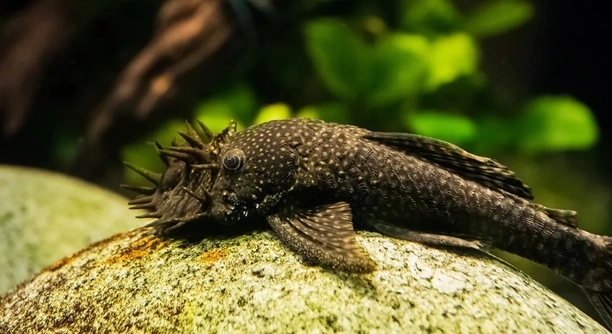
Have you ever set up a pleco fry tank only to realize that the tiny fish aren’t thriving as expected? Creating the right environment from the start is essential for their growth and long-term survival.
The key essentials for setting up a pleco fry tank include proper filtration, stable water parameters, soft substrates, adequate hiding spaces, and a balanced diet. Each element supports healthy development, reduces stress, and ensures optimal conditions for fry growth and overall well-being.
Each step in this process plays a vital role in building a safe and nurturing space for your young plecos to flourish.
Choosing the Right Tank and Equipment
Starting with the right setup makes all the difference when raising pleco fry. A tank of at least 20 gallons is ideal, providing enough room for the fry to grow without crowding. Use a gentle sponge filter to maintain water clarity and prevent fry from being sucked in. Keep the water temperature steady between 78°F and 82°F, as fluctuations can stress young fish. Adding an air stone helps maintain oxygen levels, which is vital for their health. Avoid strong currents since pleco fry prefer calm waters where they can rest and feed comfortably. Consistency in conditions encourages steady growth and reduces stress.
A clean tank with reliable filtration ensures the fry remain active and healthy. Frequent small water changes help maintain stable parameters and minimize harmful buildup. It’s always best to prepare and test everything before introducing the fry to their new home.
Once your equipment is set and running smoothly, observe the tank closely during the first few days. Adjusting flow, temperature, or lighting as needed helps establish a balanced environment. Keeping notes of changes and responses from the fry can be useful for future reference. Over time, you’ll notice their growth accelerate when the tank remains stable and well-maintained.
Creating Safe and Comfortable Spaces
Pleco fry need security to thrive. Adding hiding spots like driftwood, caves, and small plants gives them a sense of comfort. These shelters reduce stress and encourage natural behaviors, helping fry feel safer as they explore and feed in their environment.
A well-designed layout supports both safety and development. Natural materials like driftwood release tannins, which slightly lower pH and mimic their native waters. Smooth rocks and dense plants offer shade and prevent territorial disputes as fry grow. Avoid sharp decorations that could injure their delicate bodies. Keeping the lighting soft also helps fry adjust easily and reduces stress. Clean, soft substrates such as sand are gentle on their undersides and allow them to graze naturally. Consistent tank upkeep, including debris removal, ensures they remain healthy and comfortable. When the environment feels secure, pleco fry become more active and develop faster, showing vibrant colors and stronger growth.
Maintaining Stable Water Conditions
Water stability is one of the most important factors for pleco fry survival. Frequent small water changes, steady temperature, and balanced pH prevent stress. Using a reliable heater and thermometer ensures the environment stays consistent and comfortable for growth.
Pleco fry thrive in clean, oxygen-rich water with minimal fluctuations. Keep ammonia and nitrite levels at zero, and nitrates below 20 ppm. Test the water regularly with a quality kit to catch any sudden changes. A sponge filter works best since it maintains biofiltration without creating harsh currents. Always treat tap water with a conditioner to remove chlorine or chloramine before adding it to the tank. Maintaining consistent conditions strengthens immunity and promotes steady development, helping fry adapt better as they grow.
It’s helpful to change about 10–15% of the water every few days. This prevents waste buildup and keeps oxygen levels high. Avoid overfeeding since uneaten food quickly decays and harms water quality.
Feeding Pleco Fry Properly
Feeding pleco fry requires a consistent and gentle routine. They start by grazing on biofilm and algae, then gradually transition to soft vegetables and specialized fry foods. Providing variety ensures proper nutrition and supports balanced growth during early development.
Zucchini, cucumber, and blanched spinach are excellent starter foods since they’re easy to digest and rich in nutrients. As the fry mature, incorporate sinking algae wafers or finely crushed pellets to meet their protein needs. Feed small amounts twice daily, removing leftovers within a few hours to maintain clean water. Avoid overfeeding, as plecos tend to graze slowly and excess food quickly fouls the tank. Observing feeding behavior helps determine if they’re getting enough nutrition. Healthy fry have rounded bellies and active movement across the tank floor, showing that they’re eating well and adjusting properly to their growing diet.
Managing Tank Cleanliness
Regular cleaning keeps the pleco fry tank healthy and balanced. Use a small siphon to remove debris without disturbing the fry. Clean the glass gently to prevent algae buildup and rinse filters in tank water to preserve beneficial bacteria.
Avoid full cleanings that remove too much beneficial bacteria. Consistent light maintenance works best. Check for uneaten food and waste daily, as these quickly degrade water quality. A clean environment ensures steady growth and prevents common fry health issues.
Monitoring Growth and Behavior
Observing your pleco fry daily helps identify early signs of stress or illness. Healthy fry are active, feeding regularly, and showing gradual size increases. Uneven growth or constant hiding may indicate poor water conditions or inadequate nutrition that needs correction.
Controlling Light and Temperature
Pleco fry prefer low to moderate light levels. Too much brightness can stress them and encourage unwanted algae growth. Maintain a consistent temperature within their ideal range, using a reliable heater and thermometer to avoid sudden shifts that can harm their development.
FAQ
How often should I feed pleco fry?
Feed pleco fry small amounts twice daily. Overfeeding leads to poor water quality, so it’s better to offer limited portions they can finish within a few hours. Young fry mainly graze on biofilm and algae before transitioning to blanched vegetables and specialized fry foods. Once they grow, gradually introduce sinking wafers and crushed pellets to meet their protein requirements. Keep the feeding area clean by removing uneaten food promptly. A well-fed fry will have a slightly rounded belly and remain active throughout the day. Consistency in feeding supports steady growth and strong immunity.
What is the ideal tank size for pleco fry?
A 20-gallon tank is a good starting size for most pleco fry setups. It offers enough space for them to grow without being crowded. As they mature, you can transfer them to a larger tank to give them more room to develop. Avoid overstocking since this can quickly lead to poor water conditions and stunted growth. The extra space allows for stable parameters and reduces competition for food. Providing a balanced environment from the start ensures they grow evenly and stay healthy through every stage.
Do pleco fry need a filter?
Yes, a sponge filter is highly recommended for pleco fry tanks. It provides gentle filtration without creating strong currents that could harm or exhaust the fry. Sponge filters also serve as a surface for beneficial bacteria to grow, maintaining water quality. Unlike power filters, they don’t risk sucking up small fry. Keeping the filter clean is essential—rinse it in old tank water during water changes to preserve its bacteria colony. This setup ensures your fry have both clean water and a safe environment to grow in.
What should the water parameters be for pleco fry?
Pleco fry thrive in warm, stable water with a temperature between 78°F and 82°F. The pH should stay between 6.5 and 7.5, depending on the species. Ammonia and nitrite levels must always remain at zero, while nitrates should stay below 20 ppm. Stability is key—sudden shifts can stress fry and weaken their immune system. Use a reliable heater, thermometer, and test kit to keep conditions consistent. Regular small water changes help maintain the right balance without shocking the fry. Consistent monitoring ensures healthy growth and prevents disease.
How can I tell if my pleco fry are healthy?
Healthy pleco fry are active, alert, and constantly grazing. They have clear eyes, intact fins, and rounded bellies. Uneven growth, faded color, or lethargy may signal water or diet issues. Observing behavior during feeding time provides early clues about their health. If you notice fry isolating themselves or breathing heavily, check water parameters immediately. Addressing small problems early can prevent larger losses. When the fry are thriving, their coloration deepens, and they move confidently throughout the tank, showing they’re comfortable and well cared for.
When should I start separating pleco fry?
Pleco fry should be separated when they reach about one inch in length or when they begin showing size differences. Larger fry may outcompete smaller ones for food, causing uneven growth. Transferring them to different tanks or sections helps maintain balanced development. Use soft nets and handle them gently to avoid stress. Once separated, continue providing consistent water quality and feeding schedules. This step supports even growth and reduces the risk of injury or bullying. Separation also makes it easier to track each group’s progress.
Do pleco fry need lighting?
Pleco fry prefer dim or moderate lighting. Bright light can cause stress and excessive algae growth. A timer set for 8 to 10 hours of gentle light works well. Include shaded areas with plants or driftwood where fry can rest comfortably. Keeping the environment calm and stable helps them feed naturally and explore safely. Gradually adjusting the light schedule prevents stress from sudden changes. Balanced lighting not only supports their growth but also enhances the appearance of the tank, creating a natural and soothing setting.
How long does it take pleco fry to grow?
Growth rates depend on species, diet, and water quality, but most pleco fry take around three to six months to reach a juvenile size. Providing clean water, consistent feeding, and stable conditions helps them grow faster and healthier. Avoid overcrowding and ensure they have enough space to move freely. Regular monitoring of their development allows early adjustments in diet or environment. With patience and proper care, you’ll see noticeable progress in their size, color, and behavior over time, leading to strong and healthy young plecos.
Final Thoughts
Raising pleco fry can be a rewarding and peaceful experience when the right care and attention are given. These small, delicate fish depend on consistency, cleanliness, and a well-balanced setup to thrive. Every element in their environment plays a role—from proper filtration and steady temperatures to the right hiding spots and a suitable diet. Paying attention to these details helps create a stable foundation for their growth. Over time, you’ll notice how their colors deepen and their behavior becomes more confident, a sign that your care is paying off. Success with pleco fry doesn’t come from complicated methods but from steady habits that maintain their comfort and health.
Clean water and a well-maintained tank make the biggest difference in raising strong and active fry. Frequent small water changes prevent harmful buildup, while a reliable sponge filter keeps the environment clean without disturbing them. Feeding small portions twice daily supports balanced growth and keeps the tank free from waste. Watching them explore, feed, and rest comfortably around driftwood and plants is a clear reflection of how well their habitat suits them. Consistency is the foundation of their success—once you find what works, it’s best to keep routines steady. With patience and care, pleco fry develop into healthy juveniles ready for a larger tank or community setup.
Raising pleco fry takes time, but it’s a process that teaches patience and responsibility. Observing how they respond to their surroundings helps you understand the needs of these fascinating bottom dwellers. Each small adjustment—like maintaining gentle water flow or ensuring the right feeding balance—builds their strength and stability. The reward lies in seeing them grow from tiny, fragile fry into vibrant, well-formed plecos that enrich your aquarium. While the process may seem detailed, it becomes second nature with practice and observation. Over time, your efforts will create a thriving aquatic space that supports life in its most delicate form. With steady care, you not only ensure the survival of your pleco fry but also gain a deeper appreciation for the calm and balance that aquariums bring to your everyday routine.

Hello,
If you enjoy the content that we create, please consider saying a "Thank You!" by leaving a tip.
Every little bit helps us continue crafting quality advice that supports the health, happiness, and well-being of pets around the world, for pets of all shapes, sizes, and species.
We really appreciate the kindness and support that you show us!