
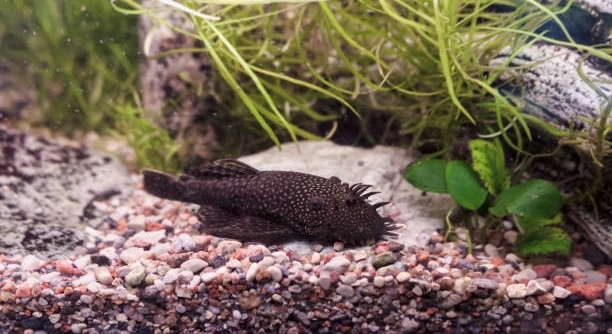
Setting up a Pleco breeding tank requires attention and preparation. Many hobbyists enjoy keeping Plecos but struggle with providing the ideal environment for breeding success. Proper planning can make the process smoother and more rewarding.
The essentials for establishing a Pleco breeder include selecting the right tank size, maintaining stable water conditions, providing appropriate hiding spaces, ensuring optimal temperature and diet, monitoring breeding behaviors, and managing water quality effectively for healthy reproduction.
Following these key steps will help create a thriving environment and ensure your Plecos breed successfully with minimal stress.
Choosing the Right Tank Size
A suitable tank is crucial for Pleco breeding. Most species need at least a 30-gallon tank to provide enough space for swimming and territorial behavior. Larger tanks help reduce aggression between males and allow room for hiding spots, driftwood, and caves. The tank should also allow for proper filtration and water circulation. Overcrowding can lead to stress, poor health, and unsuccessful breeding attempts. For species that grow larger, such as common Plecos, a 55-gallon or bigger tank may be necessary. When setting up, consider the adult size of your Plecos and the number of breeding pairs you plan to keep. Adequate swimming space and environmental enrichment are essential for triggering natural breeding behaviors. A spacious tank also helps maintain stable water parameters, which are critical for egg development and fry survival. Proper tank planning lays the foundation for a successful Pleco breeder setup.
A larger tank reduces stress and allows for stable water conditions, which supports healthier breeding and fry growth.
By combining sufficient swimming space with proper hiding areas, you create an environment that encourages natural behaviors. Including driftwood and caves provides both shelter and surfaces for Plecos to graze, helping maintain their health. Water circulation should be gentle, preventing strong currents that could disturb eggs or fry. Filtration must remove waste efficiently without causing turbulence, and regular maintenance ensures a stable habitat. Selecting the right tank from the start avoids complications later and sets the stage for consistent breeding results.
Water Conditions and Filtration
Stable water parameters are essential for Plecos to breed successfully. Maintaining the right temperature, pH, and hardness ensures their comfort and encourages spawning.
Plecos thrive in slightly acidic to neutral water, with temperatures ranging from 75–82°F. Proper filtration removes waste and prevents harmful buildup.
Keeping water conditions consistent is vital for healthy eggs and fry. Frequent monitoring helps catch issues early, while regular partial water changes maintain clarity and remove excess nutrients. Gentle water movement prevents stagnant areas but should not disturb hiding spots. Some breeders use sponge filters to provide safe filtration for fry while preserving water quality. Water parameters may need slight adjustments depending on species, but sudden changes can stress the fish and reduce breeding success. Using a reliable test kit to check pH, ammonia, nitrite, and nitrate levels keeps the tank balanced. Combining stable water chemistry with effective filtration increases the chances of successful breeding and ensures the long-term health of adult Plecos and their offspring.
Providing Hiding Spaces
Plecos need secure hiding spots for comfort and breeding. Caves, driftwood, and PVC pipes give them shelter and reduce stress while mimicking natural habitats.
Hiding spaces are essential for territorial behavior and encourage spawning. Adult Plecos often claim caves or driftwood as their personal area. These shelters also protect eggs from other fish and prevent aggressive encounters. Multiple hiding spots prevent competition and allow several fish to feel safe simultaneously. Using natural materials like driftwood benefits Plecos by providing surfaces for grazing and maintaining water chemistry. PVC pipes can be added for additional options, but ensure they are smooth and free of sharp edges to avoid injuries.
Proper placement of hiding spots improves the tank’s structure and encourages natural behaviors. Arrange shelters at different areas and levels, ensuring that dominant males have their own territories without limiting access for other Plecos. This setup helps reduce stress, promotes healthy interactions, and increases the likelihood of successful breeding. Overcrowding shelters can cause tension, so spacing them evenly is important. Observing how Plecos use these spaces can help refine the layout for future breeding cycles.
Maintaining Optimal Diet
Plecos require a balanced diet to stay healthy and support reproduction. Include algae wafers, fresh vegetables, and occasional protein sources for variety.
A varied diet ensures proper nutrition and energy levels. Vegetables like zucchini, cucumber, and spinach provide fiber, while protein from shrimp or worms supports growth and spawning. Feeding small amounts multiple times a day prevents overfeeding. Avoid processed foods that can pollute the water. Proper diet improves coloration, strengthens immunity, and encourages natural breeding behaviors.
Consistency in feeding habits is key. Offer food at the same times each day to establish a routine. Monitor Plecos’ intake and adjust portions to avoid leftover waste. Fresh vegetables should be blanched to make them easier to digest. Protein sources can be rotated to maintain interest and nutritional balance. Removing uneaten food promptly helps maintain water quality. A strong, varied diet ensures adults remain in optimal condition, which directly impacts the health of eggs and fry. Well-fed Plecos are more likely to spawn successfully and produce robust offspring.
Monitoring Breeding Behavior
Plecos show specific behaviors when ready to breed. Males guard caves, become more territorial, and may display brighter colors. Watching these signs helps determine the best time to prepare for spawning.
Fry care begins after eggs are laid. Males often protect eggs until they hatch. Observing interactions ensures the adults are not stressed, which is important for successful breeding.
Temperature and Lighting
Maintaining stable temperature between 75–82°F is crucial for breeding. Sudden fluctuations can stress Plecos and delay spawning. Consistent lighting, around 10–12 hours per day, helps regulate their natural cycles. Avoid direct sunlight, which can raise temperatures and promote algae growth.
Egg and Fry Care
After eggs hatch, keep water clean and stable. Gentle filtration prevents fry from being sucked in.
FAQ
How do I know if my Plecos are ready to breed?
Breeding readiness is shown through behavior and physical changes. Males become more territorial, guard caves, and may display darker or brighter coloration. Females appear fuller around the belly, indicating egg development. Watching how they interact with the environment, including inspecting caves or driftwood, helps identify readiness. Spawning often occurs after water changes or temperature adjustments, which mimic seasonal changes in their natural habitat. Proper nutrition also plays a role, as well-fed Plecos are more likely to show breeding behaviors. Observing these signs closely allows you to prepare the tank for successful spawning.
How many Plecos can I keep in one breeding tank?
The number of Plecos depends on tank size and species. A 30-gallon tank can usually house one breeding pair comfortably. Larger tanks allow for multiple pairs, but you must ensure enough hiding spots to prevent aggression. Overcrowding increases stress, reduces breeding success, and can lead to fights or injury. It’s better to start with a single pair and expand the number gradually as you understand their behavior. Providing multiple caves and shelters helps distribute territorial claims and ensures both males and females have space to feel safe.
What should I feed Plecos for breeding?
A varied diet is crucial for reproduction. Algae wafers provide daily nutrition, while fresh vegetables like zucchini, cucumber, and spinach supply fiber. Occasional protein, such as shrimp, bloodworms, or worms, supports energy and egg development. Feeding small portions multiple times a day encourages regular consumption and prevents uneaten food from polluting the tank. Blanching vegetables helps with digestion, and rotating protein sources maintains interest and nutrition. A strong, balanced diet enhances health, coloring, and breeding readiness.
How do I maintain water quality for breeding Plecos?
Clean and stable water is essential. Monitor pH, hardness, ammonia, nitrite, and nitrate levels regularly. Partial water changes of 20–30% each week help maintain clarity and balance. Gentle filtration removes waste without disturbing eggs or fry. Avoid sudden temperature or pH fluctuations, as these can stress the fish and affect spawning. Sponge filters or low-flow systems are ideal for fry protection. Using a reliable test kit and consistent maintenance ensures water conditions remain optimal for both adults and offspring.
How do I care for Pleco eggs and fry?
After eggs are laid, males usually guard them until hatching. Keep water stable and clean, using gentle filtration. Avoid moving the eggs, as disturbance can damage them. Once fry emerge, feed them finely crushed algae wafers, spirulina, or specialized fry food. Perform regular small water changes to maintain quality. Separate fry from adults if there is aggressive behavior. Gradually increase food size as they grow, ensuring they get proper nutrition to develop into healthy adults.
Can I breed Plecos in a community tank?
Community tanks are not ideal for breeding. Eggs and fry are at risk from other fish, and adults may become stressed or territorial. Using a separate breeding tank ensures safety and better control over water conditions. After spawning, the breeding tank allows monitoring of fry development, proper feeding, and protection from aggressive species. Community tanks often make it difficult to observe natural behaviors, which can reduce breeding success.
How long does it take for Pleco eggs to hatch?
Hatching time depends on species and water conditions but usually ranges from 4 to 10 days. Warmer, stable temperatures speed up development, while colder or unstable water can delay hatching. Observing eggs daily helps track progress. Healthy eggs appear translucent or lightly colored, while unfertilized ones may turn opaque or white and should be removed. Proper care during this period is essential to ensure fry survival.
What is the best way to encourage Plecos to spawn?
Simulate natural seasonal changes with water temperature adjustments and partial water changes. Provide multiple hiding spots and caves to encourage territorial behavior. Maintain a balanced diet and consistent lighting. Reducing stress, keeping water stable, and offering appropriate nutrition significantly increases the likelihood of successful spawning.
How do I prevent disease during breeding?
Clean water, proper diet, and minimal stress are key. Quarantine new fish before introducing them to the breeding tank. Remove uneaten food and debris regularly. Watch for signs of illness such as abnormal swimming, discoloration, or fin damage. Healthy adults and stable water conditions reduce the risk of disease, ensuring eggs and fry develop safely.
How do I know when fry are ready for independent life?
Fry start grazing on algae and small foods around 2–4 weeks after hatching, depending on species. When they are actively feeding and swimming confidently, they can be gradually introduced to the main tank or larger rearing tanks. Ensure they are strong enough to compete for food before transferring.
Final Thoughts
Setting up a Pleco breeder requires careful planning and attention to detail. Choosing the right tank size is the first step, as it provides enough space for adult fish, hiding areas, and free swimming. A cramped tank can lead to stress, aggression, and lower chances of successful breeding. Providing multiple caves, driftwood, and other shelters allows Plecos to establish territories and feel secure. It is also important to maintain stable water parameters, including pH, temperature, and hardness, as Plecos are sensitive to sudden changes. Proper filtration and gentle water circulation help keep the environment clean without disturbing eggs or fry. Observing their behavior closely gives insight into when breeding might occur and whether adjustments are needed.
Nutrition plays a critical role in successful breeding. Plecos need a balanced diet that includes algae wafers, fresh vegetables, and occasional protein sources. Vegetables like zucchini, spinach, and cucumber provide fiber, while protein from shrimp or worms supports growth and egg development. Feeding small amounts multiple times a day ensures fish get enough nutrition without polluting the tank. Blanching vegetables makes them easier to digest, and rotating protein sources keeps Plecos interested in their food. Well-fed Plecos are healthier, display stronger coloration, and are more likely to show natural breeding behaviors. Consistency in feeding also helps establish a routine, reducing stress and creating a more stable environment for reproduction.
Caring for eggs and fry requires patience and attention. After spawning, males usually guard the eggs until they hatch, and keeping the water clean and stable is essential for survival. Gentle filtration, regular monitoring, and small water changes help maintain suitable conditions. Once fry hatch, they need finely crushed food or specialized fry diets to support growth. Gradually increasing food size as they develop ensures they receive proper nutrition. Removing uneaten food promptly prevents water quality issues that could harm the fry. Observing fry behavior and growth helps determine when they are ready for larger tanks or independent life. With proper care, stable conditions, and a balanced diet, Plecos can thrive and reproduce successfully, making the breeding process a rewarding and manageable experience.

Hello,
If you enjoy the content that we create, please consider saying a "Thank You!" by leaving a tip.
Every little bit helps us continue crafting quality advice that supports the health, happiness, and well-being of pets around the world, for pets of all shapes, sizes, and species.
We really appreciate the kindness and support that you show us!