
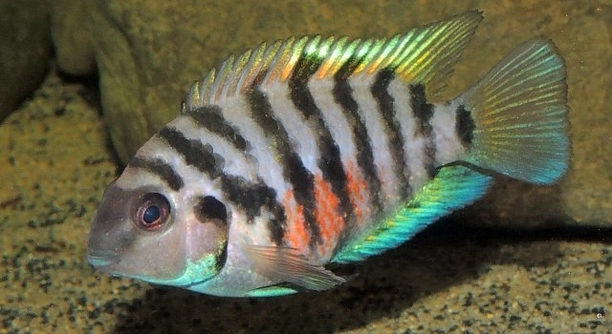
African cichlids are popular freshwater fish known for their vibrant colors and active behavior. Setting up a proper tank is important to keep these fish healthy and happy. A good setup requires attention to water conditions, space, and tank décor.
Successfully setting up an African cichlid tank involves maintaining stable water parameters, providing adequate space, selecting appropriate substrate and rocks, ensuring proper filtration, and establishing a balanced diet. These elements contribute to a suitable environment for cichlid health and behavior.
Following these essential tips will help you create a thriving habitat for your cichlids. The right environment supports their natural behaviors and vibrant appearance over time.
Choosing the Right Tank Size and Shape
Selecting the proper tank size and shape is one of the first and most important steps in setting up an African cichlid tank. These fish are active swimmers and need plenty of space to move around comfortably. A minimum tank size of 55 gallons is recommended for most African cichlids. Larger tanks help reduce aggression by providing enough territory for each fish. The tank should be longer rather than taller, as cichlids prefer horizontal swimming space. Rectangular tanks are usually better than tall or square tanks because they offer more surface area and better water circulation. Ensuring adequate space helps maintain good water quality and reduces stress, which is critical for the fish’s health.
Choosing a larger tank can make maintenance easier and provide a healthier environment overall. This investment supports their social behavior and well-being.
Setting up a suitable tank size and shape creates a stable base for all other tank conditions. It allows for proper placement of decorations, hiding spots, and swimming areas. The space influences how you arrange rocks and caves, which are important for territorial species. Also, a larger tank helps dilute waste, making filtration more effective. For African cichlids, space is more than comfort; it affects their behavior and lifespan. Selecting the right tank is a straightforward way to ensure your fish thrive and display their full natural colors.
Water Parameters and Filtration
Maintaining stable water parameters is essential for African cichlids. These fish thrive in a pH range between 7.8 and 8.6 and prefer water temperatures of 75 to 82 degrees Fahrenheit. Consistent filtration keeps the water clean and supports biological balance.
Filtration is a key factor in tank health. African cichlids produce a considerable amount of waste, so a strong filter capable of handling the bioload is necessary. Using a combination of mechanical, chemical, and biological filtration ensures water clarity and quality. Mechanical filters remove solid debris, chemical filters reduce toxins, and biological filters foster beneficial bacteria that break down harmful ammonia and nitrites. Regular maintenance of the filter, including cleaning and media replacement, is required to keep the system efficient.
Proper water management also involves regular testing to monitor parameters such as pH, ammonia, nitrite, and nitrate levels. Keeping these stable prevents stress and disease. Changing 20-30% of the tank water weekly supports a healthy environment. Additionally, using dechlorinated water is crucial because chlorine and chloramine can harm cichlids. Investing in a reliable water testing kit simplifies this process. Overall, maintaining good water conditions and filtration is vital for a thriving African cichlid tank. It protects the fish from illness and promotes vibrant coloration and active behavior.
Substrate and Decorations
Choosing the right substrate is important for African cichlids. Sand is the most natural choice since these fish like to dig and sift through it. Avoid sharp gravel that could hurt them.
Sand substrate mimics their natural habitat and allows cichlids to display natural behaviors like digging. It also helps maintain stable water chemistry by buffering pH. When setting up decorations, use rocks and caves to create hiding spots and territories. These provide security and reduce aggression among fish. Arrange decorations carefully to prevent collapses, as cichlids may move or dig around them. Avoid using decorations with sharp edges or toxic materials. Using natural-looking stones enhances tank aesthetics and keeps the environment safe and comfortable.
Proper decoration placement is key for managing social behavior. Cichlids are territorial, so plenty of caves and rock formations help prevent fighting. Plants are not usually recommended, as cichlids often uproot them. Instead, focus on sturdy rocks and shells. These items should be easy to clean and resistant to water damage. The right substrate and decorations contribute to a healthy and natural environment, making your tank both functional and visually appealing.
Lighting and Temperature Control
African cichlids do well with moderate lighting. Too much light can stress them and encourage algae growth. Use timers to maintain a consistent day-night cycle.
Maintaining stable temperature is essential. These fish thrive between 75 and 82 degrees Fahrenheit, so a reliable heater is needed. Sudden temperature changes can weaken their immune system and cause illness. Monitor temperature regularly with an accurate aquarium thermometer. Position the heater to distribute heat evenly throughout the tank. Proper temperature control supports metabolic health, feeding behavior, and breeding success. Lighting should complement the tank setup, highlighting the fish’s vibrant colors without causing stress. Combining good temperature management with suitable lighting ensures a balanced and healthy tank environment.
Feeding and Nutrition
African cichlids require a balanced diet to stay healthy and colorful. Feed them high-quality pellets designed for cichlids. Supplement their diet with occasional vegetables and protein sources.
Avoid overfeeding, as excess food can pollute the water and cause health problems. Feed small amounts twice a day to keep their digestion in good shape.
Tank Mates Compatibility
Choosing compatible tank mates is crucial for maintaining harmony. African cichlids can be territorial and aggressive, so select species with similar temperament and size. Avoid mixing them with peaceful or much smaller fish, as conflicts often arise. Research the specific species’ behavior before adding new fish to the tank.
Regular Maintenance
Consistent maintenance is essential for a healthy tank. Perform weekly water changes of 20-30% to keep water quality high. Clean the substrate and remove debris regularly to prevent buildup of harmful substances. Proper maintenance reduces stress and disease risk, promoting a thriving environment for your cichlids.
Monitoring Health
Watch for signs of illness such as changes in behavior, appetite, or appearance. Early detection and treatment improve chances of recovery.
FAQ
How often should I change the water in my African cichlid tank?
Water changes should be done weekly, replacing about 20-30% of the tank volume. This helps keep nitrate levels low and maintains water quality. Regular water changes prevent harmful toxins from building up and support a stable environment for your fish.
What type of filtration is best for African cichlids?
A strong filter that provides mechanical, chemical, and biological filtration is ideal. Canister filters or high-quality hang-on-back filters work well. These systems help remove waste, toxins, and support beneficial bacteria that keep the water safe for cichlids.
Can I keep different species of African cichlids together?
Yes, but only species with similar temperaments and size should be kept together. Mixing very aggressive cichlids with peaceful ones often leads to stress and injury. Research each species’ behavior and tank requirements before combining them.
Is live plants suitable for an African cichlid tank?
Live plants are generally not recommended because cichlids like to dig and may uproot or damage them. If you want plants, choose hardy species like Anubias or Java fern that can be attached to rocks or driftwood, which are less likely to be disturbed.
What is the ideal pH level for African cichlids?
African cichlids prefer alkaline water with a pH between 7.8 and 8.6. Maintaining this range supports their health and coloration. Use test kits to monitor pH regularly and make adjustments with buffers if needed.
How can I reduce aggression among African cichlids?
Providing plenty of hiding spots and territories with rocks and caves reduces aggression by allowing fish to claim their own space. Also, keeping the tank well-stocked with enough fish helps spread out aggression. Avoid overcrowding, which can increase stress and fighting.
What should I feed my African cichlids?
Feed a varied diet of high-quality cichlid pellets, supplemented with occasional vegetables like spinach or peas and protein sources such as brine shrimp or bloodworms. Avoid overfeeding to prevent water quality issues.
How do I know if my African cichlids are healthy?
Healthy cichlids are active, eat regularly, and display bright colors. Watch for signs like clamped fins, lethargy, loss of appetite, or visible spots, which may indicate illness. Early intervention improves recovery chances.
Can African cichlids breed in a home aquarium?
Yes, many African cichlids breed readily in home tanks. Providing proper water conditions and enough hiding places encourages spawning. Some species are mouthbrooders, carrying eggs and fry in their mouths for protection.
How important is tank size for African cichlids?
Tank size greatly affects fish health and behavior. A minimum of 55 gallons is recommended to provide space for swimming and reduce territorial aggression. Larger tanks help maintain stable water conditions and allow for better social dynamics.
What temperature should I keep my African cichlid tank at?
Maintain water temperature between 75 and 82 degrees Fahrenheit. Consistent temperature supports metabolism and immune health. Use an aquarium heater and thermometer to keep the temperature steady.
How do I set up hiding spots for African cichlids?
Use rocks, caves, and shells to create hiding spots and territories. Arrange them securely to prevent collapse. These provide security and reduce stress, especially during breeding or conflicts.
Can I use tap water for my African cichlid tank?
Tap water can be used if properly treated to remove chlorine and chloramine, which are harmful. Use a water conditioner before adding it to the tank. Testing water parameters ensures it is safe for your fish.
How often should I clean the filter?
Clean filter media monthly or as needed, but avoid washing all media at once to preserve beneficial bacteria. Rinse media gently with tank water during water changes to maintain filtration efficiency.
What are common diseases in African cichlids?
Common issues include ich (white spot disease), fin rot, and bacterial infections. Poor water quality and stress increase susceptibility. Maintain good water conditions and quarantine new fish to reduce risks.
Can I keep African cichlids with other types of fish?
Cichlids can be aggressive, so mixing with peaceful or smaller fish is usually not recommended. Some larger, equally aggressive species may coexist, but careful observation and tank setup are necessary.
How much should I feed my African cichlids?
Feed small portions twice a day, only what they can consume in a few minutes. Overfeeding leads to waste buildup and water quality problems.
What is the best way to introduce new fish to the tank?
Quarantine new fish for at least two weeks to prevent disease introduction. Acclimate them slowly by gradually mixing tank water with their transport water before release.
How long do African cichlids live?
With proper care, African cichlids can live between 8 to 10 years. Maintaining good water quality, diet, and a stress-free environment helps extend their lifespan.
What is the role of water hardness in cichlid care?
African cichlids prefer moderately hard to hard water, which supports their health and natural behaviors. Use test kits to monitor hardness and adjust with commercial products if needed.
Final Thoughts
Setting up an African cichlid tank requires attention to detail and careful planning. These fish need a stable environment with the right water conditions, tank size, and decorations. By providing adequate space and a natural habitat with rocks and caves, you support their natural behaviors and reduce stress. This helps create a peaceful and healthy community where the fish can thrive. Choosing the right substrate and avoiding plants that may be uprooted will make the tank easier to maintain over time.
Water quality is one of the most important factors for success. Regular water changes and proper filtration keep the environment safe and clean. Maintaining stable temperature and pH levels ensures the fish stay healthy and active. Feeding a balanced diet in proper amounts helps prevent water pollution and supports strong coloration and growth. Watching the fish daily for signs of illness or stress allows you to address problems early. Consistent care and maintenance are necessary to keep the tank in good condition and the fish happy.
Overall, African cichlids are rewarding fish to keep when their needs are met. The right setup encourages natural behavior and enhances their vibrant colors. A well-maintained tank reduces aggression and promotes long life. Taking the time to understand these essential tips will improve your experience as a keeper and benefit the health of your cichlids. With patience and care, your African cichlid tank can become a beautiful and lively aquatic environment.

Hello,
If you enjoy the content that we create, please consider saying a "Thank You!" by leaving a tip.
Every little bit helps us continue crafting quality advice that supports the health, happiness, and well-being of pets around the world, for pets of all shapes, sizes, and species.
We really appreciate the kindness and support that you show us!