
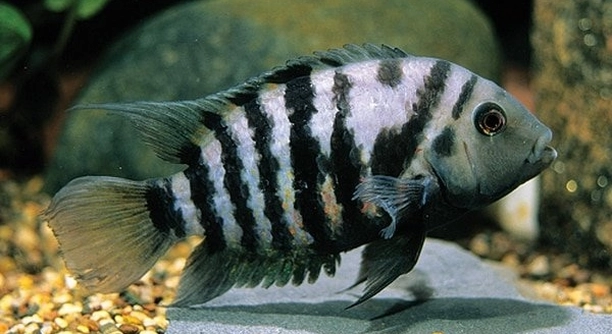
Cichlids are popular aquarium fish known for their vibrant colors and active behavior. Feeding them properly is essential to keep them healthy and thriving. Knowing when not to feed your cichlids can prevent common health problems and maintain a balanced tank environment.
There are specific times when feeding cichlids should be avoided, such as after water changes, during illness, or when they show signs of stress. Feeding at inappropriate times can lead to digestive issues, poor water quality, and increased disease risk.
Recognizing these moments helps protect your fish and ensures a healthier aquarium. The following guide highlights seven key times you should withhold food from your cichlids.
After Water Changes
Water changes are crucial for keeping your aquarium clean and healthy. However, right after a water change is not the best time to feed your cichlids. Fresh water can cause temporary changes in water chemistry, which might stress your fish. Feeding them immediately can lead to uneaten food sinking and polluting the water. The new environment also may affect their digestion. It’s best to wait at least an hour before feeding after a water change. This pause helps your cichlids adjust to the new water conditions without added stress. Giving them time to settle ensures better feeding response and helps keep the tank clean. Avoiding feeding during this time supports overall fish health and reduces the risk of water quality issues.
Feeding right after water changes increases the risk of uneaten food and water contamination, which can harm your cichlids.
Waiting before feeding allows your cichlids to acclimate and reduces the chance of digestive problems. It also prevents leftover food from fouling the tank, keeping the environment healthier for everyone. By observing this simple rule, you help maintain stable water quality and support your fish’s wellbeing over time.
When Fish Are Showing Signs of Illness
If your cichlids appear sick or stressed, it is important to hold off on feeding. Sick fish often have reduced appetites, and forcing food can worsen their condition. Feeding during illness can also pollute the water if the food is not eaten, increasing bacteria and toxins. Instead, focus on improving water quality and following any treatment advice. A resting period without food allows your fish’s digestive system to recover and helps medication work more effectively. Observing changes in behavior or appearance can guide you on when to pause feeding. This break supports healing and reduces the risk of complications during illness.
Avoid feeding when fish are unwell to prevent additional stress and maintain water quality.
When cichlids show signs of illness such as lethargy, discoloration, or abnormal swimming, skipping meals can aid recovery. The digestive system slows down during sickness, so food might remain in their stomach, causing further issues. It is important to monitor water parameters carefully and keep the tank clean during this time. Offering food again should wait until the fish shows clear signs of appetite and activity returning. Proper care and patience during these moments can improve your cichlids’ chances of a full recovery and help avoid relapses.
When Feeding at Night
Feeding cichlids right before lights go out is not recommended. Most cichlids are less active at night and tend to eat less or not at all. Uneaten food can settle on the tank bottom, leading to water quality issues and potential health problems.
At night, the fish’s metabolism slows down, meaning they digest food more slowly. Feeding during this time increases the chance of leftover food decomposing in the tank. This decomposition raises ammonia and nitrite levels, which are harmful to your cichlids. Keeping the tank clean is vital, so it’s best to feed during their active daylight hours. Providing food when fish are ready to eat reduces waste and keeps the water healthier. Avoiding nighttime feeding helps maintain a balanced and safe environment for your cichlids to thrive.
To support your cichlids’ health, feed only during the day when they are most active and hungry. This simple habit minimizes waste and promotes cleaner water in your aquarium.
During Stressful Tank Conditions
Stressful situations such as overcrowding, poor water quality, or aggressive tank mates can impact feeding behavior. During these times, cichlids may refuse food or become aggressive when food is introduced. Feeding should be paused until the stress is managed.
Stress affects your cichlids’ appetite and digestion. When stressed, they often eat less or may not eat at all, leading to leftover food and wasted nutrients. It is crucial to improve the tank conditions first by addressing overcrowding, testing water parameters, and separating aggressive fish if needed. Once the environment stabilizes and stress levels decrease, feeding can resume gradually. This approach supports better health and reduces the risk of disease linked to poor nutrition and tank stress.
Managing tank stress helps ensure your cichlids are ready and willing to eat, which is essential for their wellbeing and growth. Adjusting feeding habits based on the tank’s condition improves overall care and longevity for your fish.
When Water Temperature Drops
Lower water temperatures slow down cichlids’ metabolism. Feeding during cold periods can lead to undigested food and health problems.
Cold water also reduces their activity level. It’s better to wait until the temperature returns to normal before feeding to avoid digestive issues.
When Cichlids Are Breeding
During breeding, cichlids often eat less or stop feeding altogether. This natural behavior helps protect their eggs and fry.
Feeding should be minimal and carefully monitored to avoid stressing the breeding fish. Excess food can pollute the tank and harm young fish. Providing small, nutritious meals supports their health without disturbing breeding activities.
When You See Uneaten Food
If there is leftover food in the tank, avoid feeding more until it is cleared. Excess food leads to water quality problems and stress for cichlids.
FAQ
Why should I avoid feeding my cichlids immediately after a water change?
Feeding right after a water change can cause uneaten food to pollute the tank. New water might temporarily change water chemistry, stressing the fish and affecting their digestion. Waiting at least an hour helps your cichlids adjust, reducing leftover food and keeping water cleaner.
Can feeding cichlids at night harm them?
Yes, feeding at night is not ideal because most cichlids are less active and eat less. Uneaten food can settle on the bottom and decompose, raising harmful ammonia and nitrite levels. Feeding during the day when they’re active helps keep the tank environment healthy.
What should I do if my cichlids refuse to eat during illness?
It’s best to stop feeding when your cichlids are sick. Their appetite often decreases, and uneaten food can pollute the tank, worsening their condition. Focus on water quality and follow treatment guidelines. Resume feeding only once the fish start showing interest in food again.
Is it okay to feed cichlids when the water temperature drops?
No, lower temperatures slow down their metabolism, causing food to remain undigested. Feeding during this time can lead to digestive problems. Wait for the water temperature to rise back to a comfortable range before feeding to avoid health issues.
How does stress affect feeding in cichlids?
Stress from overcrowding, poor water quality, or aggressive tank mates can reduce appetite and digestion. Feeding during stress might cause leftover food and worsen tank conditions. Address the stress factors first, then resume feeding gradually when fish are calm and ready.
Should I feed cichlids differently during breeding?
During breeding, cichlids eat less or stop eating to protect eggs and fry. Offer small, nutritious meals and avoid overfeeding to prevent water pollution. Monitor their behavior closely and adjust feeding to support their health without disturbing the breeding process.
What if I notice uneaten food in the tank regularly?
Uneaten food leads to poor water quality and can stress your cichlids. Stop feeding until the leftover food is removed. Adjust portion sizes and feeding frequency to prevent waste and maintain a healthier environment.
How long should I wait to feed after noticing stress in my fish?
Wait until you improve tank conditions and see signs of reduced stress before feeding again. This may take a few hours or days depending on the problem. Feeding too soon can worsen stress and water quality issues.
Can overfeeding cause problems even if the fish seem hungry?
Yes, overfeeding leads to excess waste, poor water quality, and health problems. It’s better to feed small amounts that your cichlids can finish quickly. Consistent portion control supports their digestion and tank cleanliness.
What is the best feeding schedule for cichlids?
Feeding once or twice a day during their active daylight hours works well. Avoid feeding right after water changes, during illness, or at night. Stick to small, measured portions to prevent leftover food and maintain water quality.
Feeding cichlids properly is essential for their health and the overall condition of your aquarium. Knowing when not to feed your fish is just as important as knowing how and what to feed them. Avoiding feeding during times like after water changes, illness, or stressful conditions helps prevent problems like poor digestion, water pollution, and increased risk of disease. These careful feeding habits create a stable and healthy environment for your cichlids to grow and thrive. By paying attention to their needs and tank conditions, you can reduce common issues and improve their well-being.
It is important to remember that cichlids are sensitive to changes in their environment. Feeding them when they are stressed, sick, or in cold water can lead to leftover food in the tank, which negatively affects water quality. Keeping the water clean is one of the most important parts of fish care. Leftover food breaks down and releases harmful substances like ammonia, which can harm your fish. By adjusting feeding times and amounts based on their behavior and tank conditions, you help keep the aquarium safe and comfortable. This also means feeding during their active hours and avoiding feeding at night when their metabolism slows.
Consistency and observation are key to successful cichlid care. Watching how your fish behave and respond to feeding helps you understand their needs better. If you notice signs of stress, illness, or uneaten food, it’s a good signal to pause feeding and check the tank conditions. When you feed your cichlids thoughtfully and at the right times, you support their health and the balance of the entire aquarium. These simple steps go a long way in keeping your cichlids healthy, happy, and vibrant for years to come.

Hello,
If you enjoy the content that we create, please consider saying a "Thank You!" by leaving a tip.
Every little bit helps us continue crafting quality advice that supports the health, happiness, and well-being of pets around the world, for pets of all shapes, sizes, and species.
We really appreciate the kindness and support that you show us!