
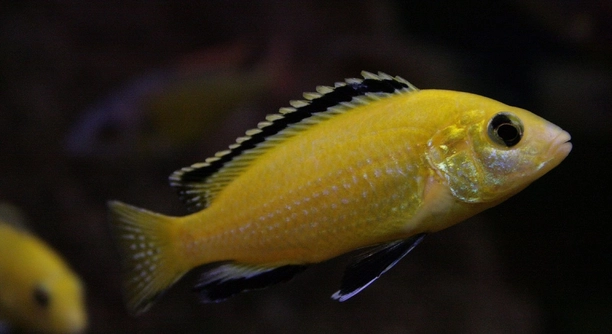
African cichlids are popular aquarium fish known for their vibrant colors and interesting behaviors. Many fishkeepers notice these cichlids interacting with their environment in unique ways. One common observation is how they respond when they see their own reflection in the tank glass.
African cichlids do react to their own reflection, often displaying territorial or aggressive behaviors. This response is due to their inability to recognize the reflection as themselves, perceiving it instead as a rival intruder in their space.
Understanding this behavior can help aquarium owners better manage their fish’s environment and stress levels. Observing these reactions reveals much about cichlids’ natural instincts and social dynamics.
Why African Cichlids React to Their Reflection
African cichlids are naturally territorial fish. When they see their reflection, they mistake it for another fish invading their space. This triggers aggressive or defensive behavior. They may flare their fins, chase the reflection, or try to attack it. This reaction is common in many cichlid species, especially males during breeding season when protecting their territory is crucial. The tank glass creates a mirror effect, confusing the fish. They don’t have the ability to recognize themselves like some animals do. This behavior is not a sign of stress alone but an instinctive response to what they perceive as competition. Knowing this can help in setting up the aquarium to reduce unnecessary stress for the fish, such as by adding plants or decorations to break up reflections.
Reflections can cause repeated aggressive displays, which may tire or stress your cichlids if not managed properly.
Reducing reflections in the tank is helpful. Using background covers or placing tanks away from direct light sources can minimize mirror-like surfaces. Adding objects inside the tank gives fish visual barriers, lessening their focus on their own reflection. This also helps maintain a peaceful environment where cichlids can focus on their natural behaviors instead of fighting their reflection repeatedly. Proper tank setup supports healthier fish and a more enjoyable aquarium experience overall.
How to Manage Reflection Behavior in Your Tank
Controlling reflections helps lower aggression in cichlids.
To reduce reflection-triggered aggression, aquarium owners should consider adjusting the tank lighting and placement. Positioning the aquarium away from windows or strong artificial lights limits glare that causes reflections. Using a solid background or dark-colored panels on the tank’s exterior can prevent the fish from seeing their mirrored image. Inside the tank, adding live plants, rocks, or decorations breaks up clear sight lines and reduces mirror-like surfaces. These objects provide hiding spots and focal points other than the glass. It’s important to balance decorations to keep enough swimming space. Observing your fish after these changes will show if aggression decreases. In some cases, adding more fish to disperse territorial behavior can help, but only if the tank size supports it. Proper management of reflections and tank environment improves cichlids’ wellbeing and reduces stress-induced behaviors linked to their reflections.
Reflection Behavior Differences Among Cichlid Species
Not all African cichlids react the same way to their reflections. Some species are more aggressive, while others may ignore it. This depends on their natural temperament and territorial instincts.
Species like Mbuna are highly territorial and often show strong reactions to reflections. They may attack or display dominance behaviors toward their mirrored image. In contrast, species like Peacock cichlids tend to be less aggressive and might show curiosity rather than hostility. Understanding these differences can help in choosing species suited for your tank setup and managing their behavior better. It also reduces stress for both fish and owner by setting realistic expectations about their reactions to reflections.
Environmental factors also influence behavior. Fish housed in smaller tanks with more visible reflections might show more aggression regardless of species. Larger tanks with plenty of hiding places can reduce the impact of reflections by giving fish more space to establish territories and avoid mirror images. Species temperament combined with tank conditions shapes how cichlids respond to their reflections overall.
Signs Your Cichlid Is Stressed by Its Reflection
Persistent aggression or repeated attacks on the glass often indicate stress caused by reflections. These behaviors can lead to exhaustion or injury over time.
Stress signs include constant chasing of the reflection, flared fins, and rapid color changes. The fish may also hide more or show less interest in food, indicating discomfort. Stress weakens their immune system, making them more susceptible to disease. Early detection helps prevent health problems by adjusting the tank environment or reducing reflections.
In some cases, adding more tank mates or rearranging decorations provides distractions that lessen focus on reflections. Monitoring fish closely after changes is key to ensure stress levels drop. Taking these steps maintains a healthier and calmer aquarium environment for your cichlids.
How Lighting Affects Reflection Reactions
Lighting plays a big role in how clearly cichlids see their reflection. Bright light can intensify reflections on the glass, making fish react more strongly.
Dimming lights or positioning the tank away from direct sunlight reduces glare. This simple change often lowers aggression caused by reflections significantly.
Using Tank Decorations to Minimize Reflections
Tank decorations like plants, rocks, and driftwood break up clear sight lines, making reflections less noticeable. These elements provide hiding spots and distractions, helping fish focus less on their reflection and more on their environment.
Choosing decorations thoughtfully can improve fish wellbeing by reducing stress and encouraging natural behavior.
When to Consider Tank Size Changes
If aggressive reactions to reflections persist, tank size may be a factor. Smaller tanks increase reflection visibility and territorial disputes.
Upgrading to a larger tank gives fish more space to establish territories and reduces stress caused by repeated encounters with their reflection.
Monitoring Fish Behavior Regularly
Regularly observing your cichlids helps catch changes in stress or aggression early. Prompt action can prevent health issues linked to reflection-induced stress.
FAQ
Do African cichlids recognize themselves in a mirror?
African cichlids do not recognize their reflection as themselves. Instead, they perceive it as another fish invading their territory. This triggers natural territorial and aggressive responses. Unlike some animals, cichlids lack the self-awareness needed to identify a mirror image.
Why do cichlids attack their reflection?
Cichlids attack their reflection because they see it as a rival. Their territorial instincts push them to defend their space from what they think is an intruder. This behavior is common in many species, especially males during breeding or when guarding territory.
Can reflection stress harm my cichlids?
Yes, constant stress from seeing their reflection can negatively impact cichlids. It may cause exhaustion, weakened immune systems, and increased risk of illness. Reducing reflections and providing hiding spots helps lower stress levels.
How can I reduce reflections in my aquarium?
Using a solid background on the tank, dimming lights, and placing the tank away from windows can reduce reflections. Inside the tank, adding plants, rocks, and decorations breaks up reflective surfaces and provides distractions for the fish.
Are some cichlid species more aggressive toward reflections than others?
Yes, aggression varies by species. Mbuna cichlids are typically more territorial and react strongly to reflections. Peacock cichlids tend to be less aggressive and may show curiosity rather than hostility toward their mirrored image.
Will increasing tank size help with reflection aggression?
Increasing tank size can help. Larger tanks provide more space for territories and reduce frequent encounters with reflections. This lessens stress and aggressive behavior caused by repeated mirror confrontations.
Can adding more fish reduce reflection aggression?
Adding more fish sometimes helps by spreading out territorial behavior. However, overcrowding can increase stress if the tank is too small. It’s important to ensure the tank size supports any additional fish.
How do lighting conditions influence reflection behavior?
Bright lighting makes reflections clearer and more noticeable, often increasing aggressive reactions. Adjusting lighting by dimming or changing the tank’s position can lessen these effects.
What signs show my cichlids are stressed by reflections?
Signs include constant chasing of the glass, flared fins, rapid color changes, hiding more than usual, and reduced appetite. These behaviors indicate discomfort and stress related to reflections.
Can tank decorations improve fish behavior?
Yes, decorations provide visual barriers and hiding spots. This reduces focus on reflections and allows fish to feel secure in their environment. Well-placed decorations encourage natural behavior and reduce stress.
Is reflection behavior the same in all aquarium fish?
No, different species react differently. Some fish ignore their reflection, while others may become aggressive. African cichlids are known for their territorial nature, making reflection responses more intense compared to other species.
How often should I observe my cichlids for stress signs?
Regular observation is key. Daily or frequent checks help spot early signs of stress or aggression. Promptly addressing issues like reflections or tank conditions supports fish health.
What else can I do to improve my cichlids’ environment?
Maintaining good water quality, proper diet, and stable temperature all contribute to healthier, less stressed fish. Combining these factors with reducing reflections creates a better overall environment for African cichlids.
African cichlids reacting to their own reflection is a common and natural behavior. Because these fish see their reflection as another fish, they often respond with territorial or aggressive actions. This is part of their instinct to protect their space and establish dominance. It is important to recognize this behavior as normal rather than a sign of illness or confusion. Understanding why cichlids behave this way helps aquarium owners create a better environment for their fish.
Managing reflections in the tank can greatly improve the wellbeing of African cichlids. Simple changes like adjusting lighting, adding decorations, or placing the aquarium in a different location can reduce the frequency of reflection encounters. When fish spend less time confronting their reflection, they become less stressed and more comfortable in their habitat. Providing hiding spots and breaking up clear sight lines also encourages natural behaviors and reduces unnecessary aggression. These small changes contribute to a more peaceful aquarium environment.
It is also important to monitor fish behavior regularly. Watching for signs of stress or repeated aggressive actions helps identify if reflections or other factors are causing discomfort. Addressing these issues early prevents long-term harm and supports healthier fish. In some cases, tank size and species choice can influence how often cichlids react to reflections. Larger tanks and less aggressive species tend to handle reflections better. Overall, understanding reflection behavior and making thoughtful adjustments leads to a happier, healthier aquatic environment for African cichlids.

Hello,
If you enjoy the content that we create, please consider saying a "Thank You!" by leaving a tip.
Every little bit helps us continue crafting quality advice that supports the health, happiness, and well-being of pets around the world, for pets of all shapes, sizes, and species.
We really appreciate the kindness and support that you show us!