
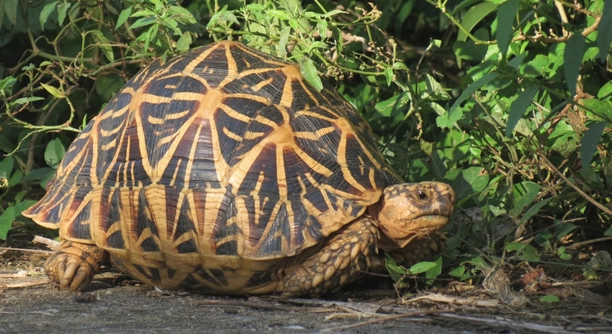
If you own an Indian star tortoise or are considering getting one, it’s important to provide the best care for your pet. These turtles have unique needs that go beyond the basics. Ensuring they thrive requires the right supplies.
There are seven essential supplies every Indian star tortoise owner should have to create a comfortable, safe, and enriching environment. These supplies include the right enclosure, heating elements, appropriate substrate, and food, among others. Ensuring these basics will keep your tortoise healthy.
These supplies are vital in meeting your tortoise’s physical and mental needs. Let’s take a closer look at what you’ll need for your pet’s well-being.
Proper Enclosure for Your Indian Star Tortoise
A secure, spacious enclosure is essential for your tortoise’s well-being. The size of the enclosure depends on the age and size of your tortoise, but it should always allow for ample space to move around. A 4×2-foot space is usually suitable for a single adult. For hatchlings and juveniles, a smaller enclosure is fine but must be large enough to allow for some exploration. It’s important that the enclosure is escape-proof with secure walls that your tortoise can’t climb or push through.
A secure lid or cover will also help protect your tortoise from potential predators and maintain the temperature inside. The substrate you use in the enclosure will play a big role in your tortoise’s health. Use materials like coconut coir, hay, or soil to create a natural and comfortable environment.
Don’t forget to include hides or shelters inside the enclosure. These spaces will give your tortoise a safe, quiet spot to retreat when feeling stressed or tired. The more natural and varied the environment, the happier your tortoise will be.
Proper Heating and Lighting
Your tortoise requires consistent access to heat and light to stay healthy.
Indian star tortoises are cold-blooded animals, meaning they depend on their environment to regulate their body temperature. To mimic their natural habitat, you will need to provide both a basking light and a UVB light source. The basking light should create a warm spot where your tortoise can reach temperatures of 90-95°F, while the rest of the enclosure should remain cooler, around 75-85°F.
The UVB light is crucial for your tortoise’s ability to produce vitamin D3, which is necessary for absorbing calcium. Without proper UVB exposure, your tortoise can develop serious health issues like metabolic bone disease. The light should be left on for 10-12 hours a day to replicate natural sunlight cycles.
Regular monitoring of temperature and light will ensure your tortoise remains healthy and active. Proper heating and lighting are key to preventing illness and supporting your tortoise’s growth and strength.
Suitable Substrate for Your Indian Star Tortoise
Choosing the right substrate is vital for your tortoise’s comfort and health. It helps maintain proper humidity and provides a natural environment.
Coconut coir, cypress mulch, or a mix of organic soil and sand are great choices. These materials retain moisture, keeping the humidity at a comfortable level while allowing your tortoise to dig and burrow. Ensure that the substrate is not too deep, as your tortoise could get stuck or injure itself.
Avoid using substrates like gravel, sand alone, or cedar wood, as they can cause harm or discomfort. Cedar can also release harmful oils that may irritate your tortoise’s respiratory system. The ideal substrate should be clean, non-toxic, and easy to clean.
Nutritional Food for Your Tortoise
Providing a balanced diet is essential to your tortoise’s overall health.
Indian star tortoises are herbivores, and their diet should consist mainly of dark leafy greens, grasses, and flowers. Offer a variety of vegetables, including dandelion greens, collard greens, and mustard greens. Avoid feeding your tortoise high-oxalate vegetables, such as spinach, which can interfere with calcium absorption.
It’s also beneficial to provide occasional fruits like papaya, melons, or berries, but they should be given in moderation due to their high sugar content. You can also add calcium and vitamin D3 supplements to support shell and bone health. Ensure your tortoise has access to clean water at all times, either in a shallow dish or through misting the enclosure.
By sticking to a diverse, nutrient-rich diet, your tortoise will have the strength and energy it needs to stay healthy and grow.
Water Dish for Your Tortoise
A shallow water dish is an essential supply for your tortoise. It helps them stay hydrated and encourages natural behavior like soaking.
Make sure the water dish is low enough for your tortoise to easily climb in and out without difficulty. It should be cleaned daily to prevent bacteria growth.
Tortoises may not drink from water dishes right away, but providing fresh water will encourage them to hydrate when needed. It’s important to maintain proper hydration for their health.
Proper Humidity Levels
Maintaining proper humidity is crucial for your tortoise’s comfort.
Indian star tortoises thrive in a moderate humidity range of 50-70%. You can use a hygrometer to monitor the levels inside their enclosure. If the humidity is too low, misting the substrate regularly will help maintain it. Be careful not to overdo it, as excessive moisture can lead to mold growth.
Proper humidity supports your tortoise’s respiratory health and helps prevent dehydration or shell issues. Keep the humidity consistent for optimal conditions.
Regular Vet Checkups
Regular checkups are essential to monitor your tortoise’s health.
A reptile vet can perform routine exams and address any concerns early on. They can help you with issues like shell rot or skin shedding problems. Bringing your tortoise to the vet ensures that it’s getting the care it needs.
Routine vet visits will help detect potential problems and guide you on how to best care for your pet.
FAQ
What size enclosure does my Indian star tortoise need?
The size of the enclosure depends on the age and size of your tortoise. An adult Indian star tortoise requires at least a 4×2-foot enclosure to move around comfortably. For smaller tortoises or hatchlings, a smaller space may work, but it should still provide room to explore. A larger space allows for more natural behavior, helping your tortoise stay healthy and active.
Do Indian star tortoises need UVB light?
Yes, UVB light is essential for Indian star tortoises. UVB light helps them produce vitamin D3, which is necessary for calcium absorption. Without it, they can develop metabolic bone disease. You should provide UVB lighting for 10-12 hours per day. A good UVB light should be placed at a proper distance from the tortoise to ensure effective exposure.
Can I use any substrate for my tortoise’s enclosure?
Not all substrates are suitable for Indian star tortoises. Avoid using sand alone or gravel, as these can cause health issues, including digestive problems. Opt for safe and natural substrates like coconut coir, cypress mulch, or a mix of soil and sand. These materials retain moisture and mimic natural environments, which helps your tortoise feel at home.
How often should I feed my Indian star tortoise?
Indian star tortoises should be fed daily. Their diet should include a variety of dark leafy greens, grasses, and flowers. Offer fresh, nutrient-rich foods each day to ensure they get enough fiber, vitamins, and minerals. You can also provide occasional fruits, but only in moderation due to their high sugar content. Always remove any uneaten food to avoid bacteria growth.
Can I keep more than one tortoise together?
It is generally not recommended to house multiple tortoises together, especially in small enclosures. Indian star tortoises can be territorial, and they may become aggressive toward each other. If you decide to house more than one, make sure the enclosure is large enough to give each tortoise its own space. Monitor them closely for signs of aggression or stress.
How can I tell if my tortoise is sick?
Signs that your tortoise might be unwell include loss of appetite, lethargy, swelling, abnormal shell growth, and difficulty moving. If your tortoise has discharge from the eyes or nose, it could indicate a respiratory infection. Changes in behavior or eating habits should always be monitored. If any of these signs are noticed, it’s best to take your tortoise to a reptile vet for a checkup.
What is the ideal temperature for my tortoise’s enclosure?
Indian star tortoises need a temperature range of 75-85°F throughout the enclosure. A basking area should be kept between 90-95°F to allow your tortoise to warm up and digest its food. The cooler side of the enclosure should provide a retreat for when they need to cool down. It’s important to use a thermometer to monitor the temperature regularly to keep the habitat balanced.
How do I handle my tortoise safely?
When handling your tortoise, always support its body. Gently lift it from the sides, ensuring that you don’t grab its limbs or tail. Avoid picking up the tortoise by its shell, as this can be painful. Keep handling to a minimum to reduce stress, as tortoises are not typically fond of being held for long periods.
Can my tortoise eat fruits?
Yes, Indian star tortoises can eat fruits, but they should only be given in moderation. Fruits like papaya, melon, and berries are suitable treats. However, due to their high sugar content, it’s important to limit fruit to avoid upsetting their digestive system or leading to obesity. Stick to small portions and provide a balanced diet of greens and grasses as the main food source.
What do I do if my tortoise is not eating?
If your tortoise isn’t eating, it could be a sign of stress, illness, or an inappropriate environment. Check the temperature, humidity, and lighting conditions in the enclosure to ensure they are correct. If everything seems normal but the tortoise is still not eating, consider consulting a vet to rule out health issues. Tortoises may also stop eating during brumation, which is a type of hibernation, depending on the season and temperature.
Is it safe to let my tortoise roam outside?
Letting your tortoise roam outside can be beneficial as long as it’s done safely. The outdoor space should be free of predators and have plenty of shade and hiding spots. Ensure that the environment is not too hot or too cold, as tortoises are sensitive to extreme temperatures. Always supervise your tortoise while it’s outside, and be mindful of any potential hazards like chemicals or other animals.
How often should I clean my tortoise’s enclosure?
Cleaning the enclosure regularly is important for maintaining a healthy environment. Remove uneaten food daily to prevent bacterial growth. The substrate should be spot-cleaned regularly to remove waste. A full cleaning of the enclosure should be done every 2-3 weeks, where you replace the substrate, disinfect the surfaces, and wash the water dish. Keeping the enclosure clean is crucial to avoid health issues.
Final Thoughts
Caring for an Indian star tortoise requires attention to detail and a commitment to maintaining the right environment. Ensuring they have the proper enclosure, temperature, and lighting is the foundation of good care. These tortoises, like all pets, rely on their owners to create a space where they can feel safe and thrive. A consistent routine, such as providing fresh food and clean water daily, is essential for their health. The more you understand their needs, the better you’ll be at giving them the care they deserve.
It’s also important to monitor your tortoise regularly for signs of illness. Keeping an eye on their behavior, appetite, and shell health will help you catch any issues early on. If you notice anything unusual, don’t hesitate to seek veterinary help. Preventative care is always better than dealing with problems after they’ve become serious. Routine checkups and making sure your tortoise’s living conditions are always up to par will go a long way in preventing future health issues.
Finally, remember that owning an Indian star tortoise is a long-term responsibility. These tortoises can live for several decades, so it’s essential to plan ahead and ensure you can provide a stable, loving environment for the long haul. With the right care and attention, your tortoise can lead a healthy, happy life. Whether you’re a first-time tortoise owner or someone with experience, being prepared with the right supplies and knowledge will help you meet the needs of your tortoise throughout its life.

Hello,
If you enjoy the content that we create, please consider saying a "Thank You!" by leaving a tip.
Every little bit helps us continue crafting quality advice that supports the health, happiness, and well-being of pets around the world, for pets of all shapes, sizes, and species.
We really appreciate the kindness and support that you show us!