
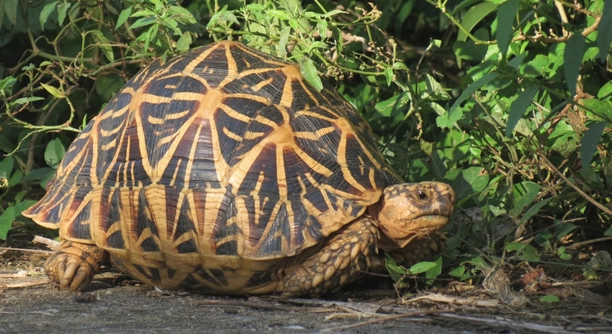
Building a proper home for your Indian Star Tortoise is key to their health and happiness. A comfortable tank allows them to thrive in their environment. The right setup provides space, warmth, and stimulation for your pet.
To create a larger, more comfortable tank for your Indian Star Tortoise, focus on increasing the tank’s size, adding natural elements like substrate, ensuring proper temperature gradients, and offering hiding spots. These factors improve your tortoise’s well-being and comfort.
Each step you take toward improving your tortoise’s tank environment can lead to a healthier, happier pet. Continue reading to discover how simple adjustments can make a big difference.
Choose the Right Tank Size for Your Indian Star Tortoise
One of the most important factors when setting up a tank for your Indian Star Tortoise is its size. The more space your tortoise has, the better it can move around and stay active. A tank that is at least 4 feet long by 2 feet wide is ideal for a single tortoise. This gives them plenty of room to explore, bask, and roam without feeling cramped. Smaller tanks can lead to stress and health problems, so it’s essential to give them enough space to move naturally.
Inadequate space can cause stress and poor health. By increasing the tank’s size, you’re ensuring your tortoise has room to grow and thrive.
When selecting a tank, ensure it has proper ventilation to prevent humidity issues and provide enough space for other essential components like heating lamps, food dishes, and hiding spots. The larger the tank, the easier it will be to create distinct areas for your tortoise, like a basking spot, a cooler area, and a shaded space for hiding. A spacious tank allows your tortoise to express natural behaviors and provides a more comfortable and stimulating environment. It will also help maintain the appropriate temperature gradients for a healthier habitat.
Substrate and Decor
The right substrate and decor can make a huge difference in your tortoise’s habitat. Avoid using sand or any sharp materials, as these could cause harm. Opt for natural materials like coconut coir or soil-based substrates.
Substrate not only absorbs moisture but also allows your tortoise to dig, which is a natural behavior. Adding some rocks, logs, and plants will mimic their natural environment, helping them feel more at home.
Provide Proper Lighting and Heating
Lighting and heating are crucial for your tortoise’s health. A UVB light is necessary for vitamin D3 production, which helps them absorb calcium. Keep the basking light on for about 10 to 12 hours a day to simulate natural daylight.
Make sure the basking area is between 95-100°F, while the cooler area should be around 75-80°F. This temperature gradient allows your tortoise to regulate its body temperature. Without proper heating, your tortoise may become lethargic or sick, so invest in a good quality heat lamp and thermometer.
Avoid placing the heat source too close to the substrate. The intense heat can dry out the environment and stress your tortoise. Ensure the tank has a warm side for basking and a cooler side for resting. Also, consider adding a ceramic heater or under-tank heating pad to maintain a consistent temperature. Proper lighting and heating will help your tortoise stay active and healthy.
Offer Hiding Spots and Shelter
Hiding spots are important for your tortoise’s sense of security. They need a quiet, private area to retreat to when they feel stressed or need to rest. Providing a hideaway can help reduce anxiety and promote overall well-being.
Use natural elements like small caves or wooden shelters to create a secluded space. Your tortoise will appreciate the privacy, especially during periods of rest or sleep. These hiding spots can also help keep your tortoise cool, away from direct heat. Having multiple hiding options allows them to choose their preferred spot.
Additionally, ensure the hideout is spacious enough for your tortoise to enter and move around comfortably. A cramped hiding spot can make them feel trapped or uncomfortable. The right shelter creates a more relaxed and enriched environment, allowing your tortoise to feel at ease in their home.
Maintain Proper Humidity Levels
Humidity is important for your tortoise’s health. The ideal range for Indian Star Tortoises is around 50-70%. Too much humidity can lead to respiratory issues, while too little can cause dehydration and shell problems.
Use a humidity gauge to monitor levels in the tank. Misting the tank lightly once or twice a day can help maintain proper moisture. Make sure there’s a balance between humidity and air circulation. Adding a shallow water dish will also help with maintaining moisture in the environment.
Clean the Tank Regularly
Regular cleaning keeps your tortoise’s environment healthy and free from bacteria. Clean the tank at least once a week, removing any leftover food, waste, and soiled bedding.
Sanitize the tank monthly using a mild, non-toxic cleaner. Make sure to replace the substrate and thoroughly clean water dishes. Keeping the tank clean is essential for preventing health issues and ensuring your tortoise’s well-being.
Offer a Balanced Diet
A balanced diet is key for your tortoise’s growth and health. Offer a variety of leafy greens like collard greens, dandelion, and mustard greens. You can also feed them small amounts of vegetables like carrots, squash, and bell peppers.
Avoid feeding them high-protein foods like lettuce or fruit, which can cause health issues over time. Providing a diverse diet ensures your tortoise gets all the essential nutrients they need. Be sure to add a calcium supplement to promote strong bones and shells.
FAQ
How big should my Indian Star Tortoise’s tank be?
The tank for your Indian Star Tortoise should be at least 4 feet long by 2 feet wide for a single tortoise. If you plan to house more than one tortoise, you’ll need to provide extra space. This will give them enough room to move around and prevent stress. A larger tank also helps maintain temperature gradients and provides space for accessories like hiding spots and basking areas.
What should I use for bedding in my tortoise’s tank?
For bedding, use substrates like coconut coir, organic topsoil, or a mix of both. Avoid using sand or gravel, as these can cause impaction or injury. Coconut coir absorbs moisture, helps control odor, and allows your tortoise to dig naturally. Ensure the bedding is not too deep, as Indian Star Tortoises do not typically burrow deep into the substrate. About 2-3 inches of substrate is enough.
How can I maintain the right temperature in my tortoise’s tank?
Creating a temperature gradient is essential. The basking spot should be between 95-100°F, and the cooler area should be around 75-80°F. You can achieve this by using heat lamps, ceramic heaters, or under-tank heating pads. Make sure to monitor the temperature with a reliable thermometer. A basking light should be on for about 12 hours each day, mimicking natural daylight.
Do Indian Star Tortoises need UVB light?
Yes, Indian Star Tortoises require UVB light to produce vitamin D3, which helps them absorb calcium. Without proper UVB exposure, they can develop shell deformities and metabolic bone disease. A UVB light should be placed over the basking area, and it needs to be on for 10 to 12 hours each day. Make sure the light is replaced every 6-12 months, as UVB output diminishes over time.
How often should I feed my tortoise?
Indian Star Tortoises should be fed every other day or 3-4 times a week. Their diet should mainly consist of leafy greens, with occasional vegetables like bell peppers or squash. Offer small amounts of fruit only on rare occasions, as it can upset their digestion. Provide a calcium supplement to ensure they get enough nutrients for strong shells and bones.
Can I keep more than one tortoise together?
It is possible to keep more than one Indian Star Tortoise in a tank, but it can lead to territorial disputes. Male tortoises, in particular, can be aggressive towards each other, especially during mating season. If you decide to house more than one, make sure the tank is large enough to allow for separate territories. It’s also best to keep one male per tank to avoid constant fighting.
What kind of water should I give my tortoise?
Provide fresh, clean water for your tortoise daily. A shallow water dish works best, as it will prevent them from drowning while allowing them to drink and soak. The water should be free from chlorine and chemicals, so if you use tap water, consider dechlorinating it or using filtered water. Make sure the water is replaced daily to keep it clean and fresh.
How do I know if my tortoise is sick?
Signs that your Indian Star Tortoise may be unwell include loss of appetite, lethargy, abnormal shell growth, nasal discharge, or abnormal behavior like hiding excessively. If you notice any of these signs, it’s essential to consult a reptile vet. Early intervention can prevent more serious issues down the line. Keep a close eye on their behavior, diet, and shell condition.
How often should I clean my tortoise’s tank?
Clean the tank once a week by removing any waste, uneaten food, and soiled bedding. Spot clean daily, especially the areas where your tortoise eats or defecates. Once a month, perform a deep clean where you disinfect the entire tank. Use non-toxic cleaners to avoid harming your tortoise. Keeping the tank clean helps prevent bacterial growth and keeps your tortoise healthy.
What temperature should the tank be at night?
At night, the temperature should drop to about 70-75°F. This cooling period mimics the natural temperature fluctuations tortoises would experience in the wild. Avoid letting the tank get too cold, as this could stress your tortoise or make it harder for them to digest food. A consistent night-time temperature is key to maintaining a healthy environment.
Do Indian Star Tortoises need to be outside?
While outdoor enclosures can offer a great environment, they’re not necessary if you provide the right indoor setup. However, if you decide to keep your tortoise outside, make sure the area is securely fenced to prevent escapes and predators. The outdoor space should have both sunny and shaded areas, so your tortoise can regulate its body temperature. Always ensure they are protected from extreme weather conditions.
What should I do if my tortoise refuses to eat?
If your tortoise stops eating, check the temperature and humidity levels in the tank first. Improper conditions could cause them to lose their appetite. Also, consider whether the food you’re offering is fresh and appropriate for their diet. If they continue to refuse food, consult a vet, as there may be underlying health issues.
Final Thoughts
Creating the right environment for your Indian Star Tortoise is essential for its health and happiness. By focusing on tank size, temperature, lighting, and humidity, you can help your tortoise thrive. A larger tank gives them the space they need to move around, and providing hiding spots allows them to feel safe and secure. Proper lighting and heating are also crucial, as they mimic the natural conditions these tortoises would experience in the wild.
Feeding your tortoise a balanced diet is another key factor. A variety of leafy greens, along with occasional vegetables, helps keep them strong and healthy. It’s also important to offer calcium supplements to support their shell growth and bone health. Avoid overfeeding fruits or protein-heavy foods, as this can lead to health issues. Maintaining proper hydration and ensuring a clean living space are just as important to their overall well-being.
Ultimately, the goal is to recreate as much of their natural habitat as possible. This not only supports their physical health but also promotes their natural behaviors, keeping them mentally stimulated and happy. By making these adjustments and paying attention to your tortoise’s needs, you can provide a safe and comfortable home that will allow your Indian Star Tortoise to live a long and healthy life.

Hello,
If you enjoy the content that we create, please consider saying a "Thank You!" by leaving a tip.
Every little bit helps us continue crafting quality advice that supports the health, happiness, and well-being of pets around the world, for pets of all shapes, sizes, and species.
We really appreciate the kindness and support that you show us!