
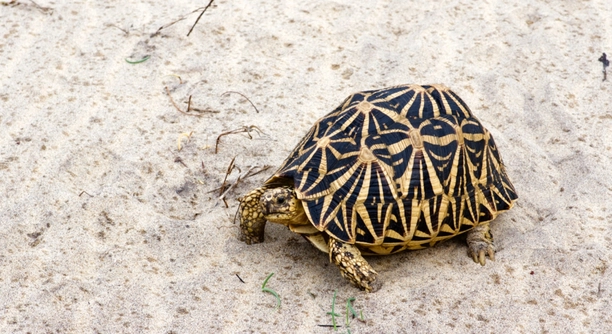
An Indian star tortoise may struggle to move for various reasons, which can range from environmental factors to health issues. Understanding the root cause of this issue is crucial for providing proper care and ensuring your tortoise’s well-being.
The primary reasons for a tortoise struggling to move include improper temperature, humidity, or diet. These environmental factors can lead to lethargy or restricted movement. Additionally, health problems such as shell rot or metabolic bone disease could also be contributing factors.
Recognizing the cause of your tortoise’s struggles is key to improving its mobility and overall health. By adjusting its environment or seeking veterinary advice, you can help your pet feel more comfortable and active again.
Common Environmental Factors Affecting Movement
The environment plays a major role in the well-being of an Indian star tortoise. These reptiles are sensitive to temperature and humidity. If their habitat isn’t set up correctly, it can lead to health problems that affect their movement. A tortoise’s enclosure should maintain a warm, stable temperature with proper humidity levels. If the enclosure is too cold or too dry, your tortoise may become sluggish and have trouble moving around.
Creating the right environment for your tortoise involves more than just temperature control. It’s essential to have the proper substrate, hiding spots, and UVB lighting to mimic natural conditions. The warmth encourages movement, while the humidity helps keep their skin and shells hydrated. Without these elements in balance, your tortoise may have difficulty moving.
To help your tortoise stay active, regularly monitor the temperature and humidity in their environment. Use a thermometer and hygrometer to keep track of the conditions. Small adjustments can make a big difference in how your tortoise moves and behaves.
Diet and Health Problems
Another factor to consider is your tortoise’s diet. A lack of proper nutrients can affect its energy levels and movement.
Metabolic bone disease (MBD) is common in tortoises with poor diets. This condition weakens their bones and limits their ability to move. To prevent this, ensure your tortoise gets enough calcium, vitamins, and minerals. Offer a variety of leafy greens, vegetables, and occasional fruits.
If your tortoise is struggling to move, it may be due to a lack of proper nutrition or a health condition like MBD. Consulting a vet is a good idea if you suspect a health issue. Proper diet and care are essential for maintaining healthy bones and allowing your tortoise to move freely.
Improper Handling and Stress
Improper handling can also impact your tortoise’s ability to move. When they’re picked up too often or handled roughly, it can cause stress, leading to lethargy or difficulty moving. Tortoises need time to adjust to their surroundings and should not be handled excessively.
Stress from constant handling may also cause a tortoise to retreat into its shell for long periods. This behavior is common when they feel threatened or unsafe. If a tortoise is always on edge, it may refuse to move around as usual. To avoid this, limit handling and allow them to feel secure in their environment. Create a calm, quiet habitat that minimizes stressors.
Make sure your tortoise feels safe and undisturbed. This gives it the confidence to explore and move freely within its enclosure. A secure environment helps prevent the physical and emotional effects of stress.
Shell Health and Maintenance
Shell health is essential for a tortoise’s movement. If the shell is damaged, it can cause pain or discomfort, leading to limited movement. Regular checks for cracks, soft spots, or signs of injury are necessary to prevent further issues.
A healthy shell allows a tortoise to move without restrictions. If shell rot or fungal infections are present, it can cause stiffness or weakness, affecting its mobility. Ensure the shell is properly cared for by providing appropriate humidity levels and offering access to sunlight for vitamin D production. A dry or excessively moist environment can lead to shell health problems, so balance is key.
If your tortoise’s shell is showing signs of damage, it’s crucial to consult with a veterinarian. Shell health directly impacts its ability to move around, and addressing the problem early can prevent more serious conditions from developing.
Overweight and Obesity
An overweight tortoise struggles to move as easily as a healthy-weight one. Excess body fat can limit flexibility and put strain on their limbs. This is often a result of overfeeding or an improper diet.
To prevent obesity, ensure your tortoise receives a balanced diet with appropriate portions. Offer mostly leafy greens and avoid fatty foods or too many high-calcium vegetables. Regularly monitor its weight to ensure it is maintaining a healthy size.
Making sure your tortoise gets enough exercise is another key factor. Provide space for it to roam and explore. This helps keep it physically active and maintains a healthy weight.
Lack of Exercise and Space
A lack of space in the enclosure can hinder your tortoise’s ability to move freely. Tortoises need room to roam and explore. Without enough space, they become sedentary, leading to weakness or discomfort.
To improve movement, create an environment with plenty of open areas. Ensure your tortoise has room to walk around and exercise. You can even add obstacles like rocks or logs to encourage movement. The more active your tortoise is, the better its overall health and mobility will be.
Temperature Fluctuations
Sudden changes in temperature can make a tortoise sluggish. If the temperature drops too low or rises too high, your tortoise may struggle to move. Maintaining a consistent temperature is crucial for its mobility.
Consider using a heat source like a heat lamp to keep the temperature steady. Ensure that your tortoise has a warm basking spot where it can regulate its body temperature. Avoid drastic fluctuations in temperature, as it could lead to discomfort or health issues.
FAQ
Why is my Indian Star Tortoise not eating?
If your tortoise isn’t eating, it could be due to stress, improper temperature, or health problems. First, check the temperature of the enclosure. Tortoises are cold-blooded and need a warm environment to encourage digestion and appetite. If the temperature is too low or too high, it could be affecting your tortoise’s desire to eat.
Stress from constant handling, loud noises, or a crowded enclosure can also cause a loss of appetite. Ensure the habitat is quiet and comfortable. Lastly, check for signs of illness, such as lethargy or abnormal behavior, as these can also impact appetite. A visit to the vet might be necessary if the problem persists.
How can I tell if my tortoise is dehydrated?
Dehydration in tortoises can show through symptoms like sunken eyes, dry skin, and a lack of energy. You might also notice your tortoise becoming more lethargic than usual. If the shell appears dull or rough, this could indicate dehydration as well.
To keep your tortoise hydrated, provide a shallow water dish with fresh water. Some tortoises also benefit from regular misting or soaking to maintain moisture. If you suspect dehydration, increase their water intake and consult a vet for further advice.
Can I leave my tortoise outside?
Leaving your tortoise outside is fine as long as the conditions are appropriate. Ensure the temperature is within the safe range and that the enclosure is secure. Tortoises are slow movers, and they can easily escape if not properly contained.
Check the outdoor environment for predators and ensure your tortoise has access to shade and fresh water. During colder months, bring your tortoise indoors to avoid any risk of hypothermia. Always monitor them when outside, as environmental factors can change quickly.
How do I prevent my tortoise from getting shell rot?
Shell rot can develop when the shell is exposed to excessive moisture or bacteria. To prevent it, make sure your tortoise’s habitat has proper ventilation and is not too humid. Ensure the substrate remains clean and dry, and avoid using any harsh chemicals in their enclosure.
If you notice soft spots, cracks, or a foul smell, take your tortoise to the vet immediately. Early treatment is key to preventing further damage to the shell. Keep their environment as dry as possible and provide access to sunlight or UVB light to help prevent infections.
What should I do if my tortoise has a leg injury?
If your tortoise has a leg injury, it’s important to avoid handling it too much. Give the injury time to heal by providing a calm, safe environment. If the injury looks serious, such as swelling, bleeding, or limping, it’s best to consult a vet right away.
To support healing, ensure the tortoise has a proper diet rich in nutrients like calcium, which helps in bone recovery. Avoid letting your tortoise move around too much during recovery. Make sure the enclosure is safe, with no obstacles that could make the injury worse.
How do I know if my tortoise has metabolic bone disease?
Metabolic bone disease (MBD) is common in tortoises that don’t get enough calcium or vitamin D3. Signs of MBD include soft or deformed shells, difficulty moving, and a lack of appetite. Tortoises may also experience weakness or become unable to right themselves if flipped over.
If you suspect MBD, a vet visit is crucial. Your tortoise may need calcium supplements and UVB exposure to help strengthen its bones. To prevent MBD, always provide a balanced diet with calcium-rich foods and proper UVB lighting.
Why is my tortoise hiding all the time?
Hiding is a natural behavior for tortoises, especially when they feel stressed or unwell. If your tortoise is hiding more than usual, check the environment for any potential stressors. Loud noises, unfamiliar scents, or an overcrowded habitat can all cause a tortoise to retreat.
If hiding persists and is accompanied by other signs like lethargy or loss of appetite, it could indicate a health issue. Ensure the enclosure is quiet, comfortable, and free of any potential threats. If the behavior doesn’t improve, a visit to the vet may be necessary.
How often should I feed my Indian Star Tortoise?
Feeding frequency varies depending on the age and size of your tortoise. Younger tortoises typically eat daily, while adults can be fed every other day. A proper diet of leafy greens, vegetables, and occasional fruits will keep your tortoise healthy.
Always monitor their weight and adjust the portions if needed. If your tortoise shows signs of obesity or underweight, consult a vet for dietary adjustments. Remember, variety in their diet is important to meet all nutritional needs, including calcium for shell health.
Is it okay to bathe my tortoise?
Bathing your tortoise is fine as long as you do it occasionally and with proper care. Gently soak your tortoise in lukewarm water to help with hydration and cleanliness. Some tortoises enjoy a bath, while others may find it stressful, so always monitor their reactions.
Make sure the water level is shallow, just enough for them to walk around without feeling submerged. Do not use soap or any cleaning products, as they could harm your tortoise. After the bath, make sure your tortoise is placed back in a dry, warm environment.
Final Thoughts
Taking care of an Indian Star Tortoise involves paying attention to its habitat, diet, and health. A proper environment is crucial to its well-being. Make sure the temperature in the enclosure is consistent and provides space for the tortoise to move around. If it’s feeling stressed or uncomfortable, it might not be as active or may struggle to move, so providing a calm and secure space is important. Regularly check on the condition of the shell and skin, and keep the environment clean to avoid any health issues, such as shell rot or dehydration. A clean and properly maintained habitat will help keep your tortoise active and healthy.
Diet plays a significant role in your tortoise’s mobility and overall health. Offering a balanced diet of leafy greens, vegetables, and some fruits will provide the necessary nutrients to keep it strong. Be cautious with portion sizes to avoid overfeeding, which can lead to obesity. It’s also essential to offer a variety of foods to ensure the tortoise receives all the vitamins and minerals it needs. Don’t forget to provide fresh water regularly and consider soaking your tortoise to help with hydration. A healthy, balanced diet supports proper bone structure and energy levels, which can help prevent struggles with movement.
Lastly, keep in mind that tortoises, like any pet, require regular care and observation. Any changes in behavior, such as difficulty moving, lack of appetite, or excessive hiding, should be addressed as soon as possible. Whether it’s a health issue or a sign of stress, timely action can make a big difference in their recovery. Regular check-ups with a vet who specializes in reptiles are also a good idea to ensure your tortoise stays in optimal health. By providing a proper environment, a balanced diet, and attention to their needs, your Indian Star Tortoise can live a long, healthy life.

Hello,
If you enjoy the content that we create, please consider saying a "Thank You!" by leaving a tip.
Every little bit helps us continue crafting quality advice that supports the health, happiness, and well-being of pets around the world, for pets of all shapes, sizes, and species.
We really appreciate the kindness and support that you show us!