
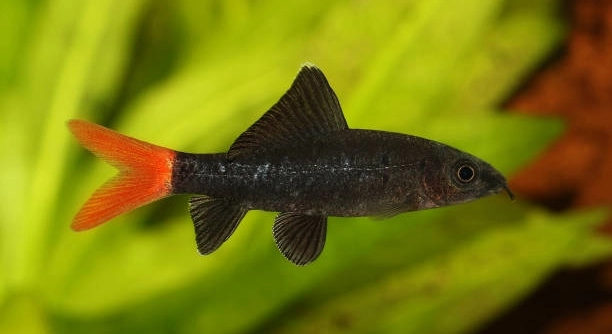
Rainbow shark tanks are popular for their vibrant colors and active behavior. Many aquarium enthusiasts enjoy keeping these fish because they add life to freshwater tanks. Proper care helps them thrive and stay healthy over time.
Maintaining a rainbow shark tank requires attention to water quality, tank size, diet, and compatible tank mates. Ensuring stable water conditions and a balanced diet is essential to support their well-being and prevent stress or illness.
This article covers key care tips to help you provide the best environment for your rainbow sharks and keep them healthy and happy.
Tank Size and Setup
A suitable tank size is crucial for rainbow sharks to live comfortably. They need at least a 30-gallon tank because they grow up to 6 inches long and require space to swim freely. A larger tank reduces aggression and stress, helping the fish behave naturally. The tank should have hiding spots using rocks, driftwood, or plants, which provide shelter and make them feel safe. Use a substrate of fine gravel or sand, as they like to explore the bottom. Proper filtration is important because rainbow sharks produce a moderate amount of waste. Regular water changes also help keep the environment clean and stable. Keep the water temperature between 74 and 81 degrees Fahrenheit for their comfort. Lighting should mimic natural daylight but not be too strong, which can stress the fish.
Keeping the tank clean and spacious supports your rainbow shark’s health and activity.
The right tank setup balances space, decoration, and water quality. Hiding spots reduce territorial fights and help your fish relax. Using live plants not only adds natural beauty but also improves water quality by absorbing nitrates. Avoid overcrowding with other fish to minimize conflict. A strong filter combined with weekly water changes keeps ammonia and nitrite levels low, preventing sickness. Monitoring temperature and pH regularly is essential because rainbow sharks are sensitive to sudden changes. Creating a stable environment reduces stress, which can weaken their immune system. With proper setup, your rainbow shark will display its natural colors and behaviors, making your tank more enjoyable to watch.
Diet and Feeding
Rainbow sharks need a varied diet to stay healthy. Feeding them a mix of pellets, flakes, and occasional live or frozen foods provides balanced nutrition.
A diet rich in protein supports growth and vibrant colors.
Feeding should be done once or twice a day in small amounts that they can finish within a few minutes. Overfeeding can cause water quality problems and lead to obesity. Include sinking pellets or wafers because rainbow sharks spend much time near the bottom. Supplement their diet with bloodworms, brine shrimp, or daphnia to add variety and stimulate natural hunting behavior. Vegetables like blanched zucchini or spinach can also be offered occasionally. Make sure to remove uneaten food to prevent decay and water pollution. Watching their eating habits helps you spot any health issues early. Proper feeding keeps your rainbow shark active and looking its best.
Water Quality and Maintenance
Maintaining good water quality is essential for rainbow sharks’ health. Regular water testing and changes keep toxins low and ensure a stable environment.
Test water parameters weekly, focusing on ammonia, nitrites, nitrates, and pH. Ammonia and nitrites should always be zero, while nitrates stay below 20 ppm. The ideal pH ranges from 6.5 to 7.5. Perform partial water changes of 20-25% weekly to remove waste and refresh minerals. Avoid using untreated tap water by treating it with a water conditioner that removes chlorine and chloramines. Keeping the water clean reduces stress and prevents diseases like fin rot and ich.
A good filtration system is necessary to cycle water efficiently. Mechanical filters remove particles, biological filters break down waste, and chemical filters eliminate odors or discoloration. Cleaning the filter media monthly without disturbing beneficial bacteria helps maintain a healthy balance. Maintaining stable water conditions supports your rainbow shark’s immune system, keeping it active and colorful.
Compatible Tank Mates
Rainbow sharks can be territorial, so choosing tank mates carefully is important to avoid stress and aggression.
Peaceful fish of similar size work best, such as danios, barbs, or larger tetras. Avoid slow-moving or long-finned fish, as rainbow sharks may nip at them. Bottom dwellers like plecos or corydoras catfish can coexist well since they occupy different tank areas. Keep the tank spacious to reduce territorial disputes. If aggression occurs, adding hiding spots or rearranging decorations can help. Monitor fish behavior closely when introducing new tank mates and be ready to separate if fights become serious. Proper tank mate selection helps maintain harmony and reduces stress for all fish.
Tank Temperature
Rainbow sharks thrive best in temperatures between 74°F and 81°F. Consistent temperature helps keep their metabolism steady and reduces stress.
Use an aquarium heater with a reliable thermostat to maintain this range. Sudden temperature changes can weaken their immune system and cause illness.
Lighting Conditions
Moderate lighting mimics their natural environment and reduces stress. Too bright light can cause hiding behavior and dull their colors.
Adjust lighting to a 10–12 hour day/night cycle. Use plants or decorations to provide shaded areas, creating a comfortable habitat for your fish.
Signs of Stress and Illness
Watch for changes in behavior or appearance, like faded colors, clamped fins, or loss of appetite. These can indicate stress or sickness. Early detection is key to effective treatment and recovery.
Tank Cleaning Schedule
Regular cleaning is important to keep the tank healthy. Remove debris, clean the substrate, and perform partial water changes weekly to maintain a stable environment for your rainbow shark.
FAQ
How often should I feed my rainbow shark?
Feeding your rainbow shark once or twice a day is enough. Give only as much food as they can eat within 2-3 minutes to avoid leftovers that pollute the tank. Overfeeding can lead to water quality issues and health problems. A balanced diet with pellets, flakes, and occasional live or frozen foods will keep them healthy.
What tank size is best for a rainbow shark?
A minimum of 30 gallons is recommended for a single rainbow shark. They need space to swim and establish territory. Smaller tanks can cause stress and aggression. Larger tanks allow for more stable water conditions and reduce territorial disputes, especially if you keep more than one fish.
Can rainbow sharks live with other fish?
Yes, but tank mates should be chosen carefully. Peaceful fish that swim in different areas, like tetras, danios, or plecos, are good options. Avoid slow-moving or long-finned fish, as rainbow sharks may nip at them. Provide plenty of hiding spots to minimize aggression.
How do I know if my rainbow shark is healthy?
Healthy rainbow sharks are active, have bright colors, and eat regularly. Watch for signs like clear eyes, intact fins, and smooth scales. Sudden changes in behavior, loss of appetite, faded colors, or clamped fins can indicate stress or illness, requiring prompt attention.
What water parameters are ideal for rainbow sharks?
Keep the pH between 6.5 and 7.5. Ammonia and nitrites should always be at zero, and nitrates should stay below 20 ppm. Temperature should be stable between 74°F and 81°F. Regular testing and water changes help maintain these parameters, supporting fish health.
How often should I change the water?
Partial water changes of 20-25% weekly are recommended. This removes waste and replenishes minerals, keeping the environment stable. Use a water conditioner to treat tap water before adding it to the tank. Avoid changing too much water at once, as it can shock your fish.
What should I do if my rainbow shark is aggressive?
Aggression often results from stress or lack of space. Ensure the tank is large enough and has plenty of hiding spots. Rearranging decorations can break territorial boundaries. If aggression continues, consider separating the aggressive fish to protect others.
Can rainbow sharks live in community tanks?
They can, if tank mates are compatible. Choose active, medium-sized fish that are not easily bullied or stressed. Avoid slow or long-finned fish. Monitor interactions closely, especially when introducing new fish, to prevent conflicts.
What is the best diet for a rainbow shark?
A varied diet with high-quality sinking pellets or wafers is ideal. Supplement with live or frozen foods like bloodworms or brine shrimp. Occasionally offer blanched vegetables like zucchini or spinach for extra nutrients. Remove uneaten food to maintain water quality.
How do I prevent diseases in my rainbow shark?
Maintain stable water quality, provide a proper diet, and avoid overcrowding. Quarantine new fish before adding them to the tank. Regular tank maintenance and monitoring fish behavior help catch health issues early. If disease appears, isolate affected fish and treat promptly.
Taking good care of your rainbow shark requires attention to several important factors. Keeping the tank clean and maintaining stable water conditions is one of the most critical steps. Regular water testing and weekly partial water changes help remove harmful chemicals and keep the environment safe for your fish. Using a proper filtration system supports water quality by breaking down waste and keeping the water clear. It’s important to avoid sudden changes in temperature or water chemistry, as these can cause stress and make your fish more vulnerable to illness.
Providing a suitable tank size and proper setup is just as important. Rainbow sharks need space to swim freely and areas to hide so they feel secure. A 30-gallon tank is the minimum size recommended for one fish, but bigger is always better, especially if you plan to keep more than one or add other species. Decorations, plants, and hiding spots help reduce territorial behavior and make the tank feel more natural. Monitoring the temperature, which should stay between 74°F and 81°F, ensures your rainbow shark remains comfortable and active.
Feeding your rainbow shark a balanced diet helps keep it healthy and colorful. A mix of sinking pellets, flakes, and occasional live or frozen foods provides the right nutrients. Avoid overfeeding, as uneaten food can pollute the tank and harm water quality. Watching your fish’s behavior and appearance regularly will help you spot any signs of stress or illness early on. By following these care tips, you create an environment where your rainbow shark can thrive and bring life to your aquarium for many years.

Hello,
If you enjoy the content that we create, please consider saying a "Thank You!" by leaving a tip.
Every little bit helps us continue crafting quality advice that supports the health, happiness, and well-being of pets around the world, for pets of all shapes, sizes, and species.
We really appreciate the kindness and support that you show us!