
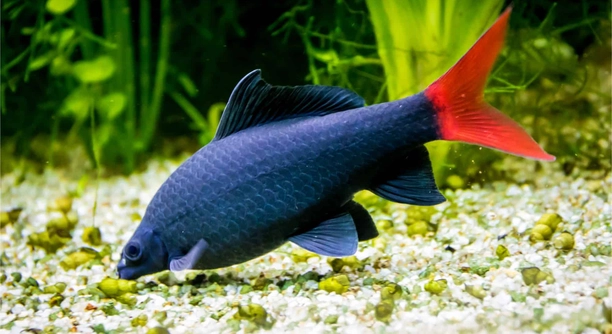
Rainbow shark tanks are popular among aquarium enthusiasts for their vibrant colors and active nature. Understanding the signs of a happy rainbow shark can help ensure they thrive in home environments. Recognizing these signs promotes better care and a healthier fish.
A happy rainbow shark displays bright colors, active swimming behavior, and a good appetite. Clear eyes, smooth fins, and consistent interaction with their environment are important indicators of well-being. These signs reflect a balanced tank and proper care conditions.
Knowing these key signs will help you maintain a lively and healthy tank environment. This guide offers clear insights to support your rainbow shark’s happiness and longevity.
Bright and Vibrant Colors
The most noticeable sign of a happy rainbow shark is its bright and vibrant colors. When healthy and comfortable, their bodies show deep reds and oranges along the dorsal fin and sides. Dull or faded colors can indicate stress or poor water conditions. Proper lighting and clean water help maintain their natural hues. A well-balanced diet rich in nutrients also supports vibrant coloration. Avoid overcrowding the tank, as this can cause stress and dull their appearance. It’s important to keep the water temperature stable between 72 and 79 degrees Fahrenheit, which suits their needs best. Regular water changes and monitoring parameters like pH and ammonia levels are key to their health. Observing your fish’s colors daily can help catch problems early before they worsen.
Bright colors show that the fish is healthy and comfortable in its environment. Lack of color intensity often signals a problem.
Maintaining the perfect tank conditions and diet is crucial. Clean water, appropriate lighting, and a nutritious diet keep your rainbow shark looking vivid and lively. Regular observation will help you spot early signs of trouble, allowing you to act quickly. This prevents illness and stress, ensuring your fish stays happy and colorful for a long time.
Active Swimming Behavior
Active swimming throughout the tank is a clear sign that your rainbow shark is happy. They often explore the entire aquarium, moving along rocks and plants with ease. Lethargic or hiding behavior usually means the fish is unwell or stressed. A proper tank size of at least 30 gallons gives them room to swim comfortably. Providing hiding spots like caves and plants helps reduce stress and encourages natural activity. Maintaining good water quality and a stable temperature range supports their energy levels. If your fish swims regularly and interacts with its surroundings, it is likely content and healthy. Keep the tank environment calm, avoiding sudden loud noises or movements nearby, as this can disturb your fish.
Swimming actively is essential for a rainbow shark’s well-being.
This behavior reflects a stress-free and well-maintained environment. When they swim energetically, it means the fish feels safe and well cared for. Regular tank cleaning and proper feeding schedules also support this activity. A fish that is sluggish or stays in one spot needs attention and possible water testing. Ensuring your rainbow shark has space and a peaceful atmosphere promotes its natural habits and happiness. Regular exercise and stimulation contribute to its overall health and reduce the chances of disease. Keeping these factors in check will help your rainbow shark thrive.
Clear Eyes and Smooth Fins
Clear eyes and smooth fins are signs of a healthy rainbow shark. Cloudy eyes or torn fins may indicate illness or injury. Regular observation helps catch these issues early.
Healthy rainbow sharks have bright, clear eyes without cloudiness or swelling. Their fins should be intact, free from tears or ragged edges. Damaged fins may result from tank mates or poor water quality. Providing a peaceful environment reduces aggression and fin damage. Clean water also helps prevent infections that affect the eyes and fins. If you notice any changes, test the water parameters immediately and consider quarantine if needed. Early intervention improves recovery chances.
Smooth fins and clear eyes mean the fish is comfortable and thriving. Problems in these areas can be signs of stress, injury, or disease, so timely care is essential. Maintaining tank cleanliness and monitoring fish behavior will help you keep your rainbow shark healthy and happy. Providing enough space and hiding spots reduces stress and protects delicate fins from damage by other fish. A balanced diet supports overall health, promoting strong fins and sharp vision.
Consistent Appetite
A happy rainbow shark consistently eats well and shows interest in food. Loss of appetite is often a sign of stress or illness.
Rainbow sharks usually have a strong appetite and respond quickly when feeding time arrives. They eat a variety of foods, including pellets, flakes, and occasional live or frozen treats. Feeding small amounts multiple times a day is better than one large feeding. Monitoring their eating habits helps spot potential health issues early. Sudden changes in appetite should never be ignored. Stress from poor water quality, overcrowding, or incompatible tank mates can cause appetite loss. Ensuring clean water and a calm environment supports regular feeding. If a fish refuses to eat for more than a day or two, further investigation and care are needed to prevent serious health problems.
Interaction with Tank Environment
Happy rainbow sharks often explore their surroundings and interact with tank decorations. They swim around plants, rocks, and other features with ease.
They show curiosity by investigating new objects and changes in the tank. This behavior signals comfort and confidence in their habitat.
Clear and Stable Water Conditions
Water quality greatly affects a rainbow shark’s health. Clear water free from excess waste and harmful chemicals keeps them healthy and stress-free.
Regular water testing and changes are necessary to maintain ideal pH, ammonia, nitrite, and nitrate levels. Stable water parameters support the fish’s immune system and overall well-being, reducing the risk of disease. A well-maintained tank helps rainbow sharks thrive and display natural behavior.
Peaceful Social Behavior
Rainbow sharks coexist peacefully when the tank is properly managed and sized.
Proper Tank Size and Setup
Providing a minimum of 30 gallons with adequate hiding spaces and open swimming areas is essential. This prevents aggression and supports healthy behavior.
FAQ
How often should I feed my rainbow shark?
Rainbow sharks do best with small, frequent feedings. Feeding them two to three times daily in small portions prevents overfeeding and keeps their digestive system healthy. Uneaten food should be removed to maintain water quality and avoid pollution.
Can rainbow sharks live with other fish?
Rainbow sharks can live with other fish but need a spacious tank of at least 30 gallons to reduce territorial behavior. Choose peaceful tank mates that are not too small or aggressive. Providing plenty of hiding spots helps reduce conflicts and stress.
What water parameters are ideal for rainbow sharks?
They thrive in water with a temperature between 72 and 79 degrees Fahrenheit, a pH of 6.5 to 7.5, and low levels of ammonia, nitrites, and nitrates. Regular water testing and changes help maintain these stable conditions, supporting their health.
Why is my rainbow shark hiding a lot?
Excessive hiding often indicates stress or poor tank conditions. It can result from overcrowding, incompatible tank mates, or dirty water. Check water quality, tank size, and fish compatibility to find the cause and improve their comfort.
How can I improve my rainbow shark’s coloration?
Bright colors come from good nutrition and clean water. Feed a balanced diet including high-quality pellets and occasional live or frozen foods. Proper lighting and reducing stress by maintaining peaceful tank conditions also help maintain vibrant colors.
Is it normal for rainbow sharks to be aggressive?
Rainbow sharks can show territorial aggression, especially in small tanks or if overcrowded. Providing enough space and hiding places minimizes aggression. If aggression persists, separating the fish or upgrading the tank size may be necessary.
What signs indicate my rainbow shark is sick?
Look for faded colors, torn fins, cloudy eyes, loss of appetite, or unusual swimming patterns like lethargy or erratic movement. Early detection through daily observation allows for prompt treatment and better recovery chances.
How often should I change the water?
Partial water changes of about 20-30% weekly help maintain good water quality. More frequent changes may be needed in heavily stocked tanks. Regular maintenance prevents buildup of harmful substances that stress your fish.
Can rainbow sharks live in small tanks?
Small tanks are not ideal. Rainbow sharks need at least 30 gallons for swimming and territory. Smaller tanks lead to stress, aggression, and health problems. Investing in an appropriately sized tank promotes their well-being and natural behavior.
What is the best diet for a rainbow shark?
A varied diet of high-quality sinking pellets, supplemented with frozen or live foods like bloodworms or brine shrimp, supports health and color. Avoid overfeeding and remove uneaten food to keep the water clean. Consistency in feeding times helps regulate their metabolism.
How do I introduce a new rainbow shark to the tank?
Acclimate the fish slowly by floating the bag in the tank water to equalize temperature. Gradually mix tank water into the bag over 20-30 minutes before release. Monitor the fish closely for stress or aggression after introduction to ensure adjustment.
Why does my rainbow shark sometimes jump out of the tank?
Jumping can occur if water conditions are poor, if the tank lacks cover, or if the fish is stressed. Keeping a tight-fitting lid and maintaining stable water quality helps prevent jumping. Avoid sudden changes in lighting or noise that may startle the fish.
Can rainbow sharks live alone?
While they can survive alone, rainbow sharks are social and enjoy a well-arranged tank. However, solitary living avoids aggression issues that occur with multiple rainbow sharks. If kept with other fish, ensure tank size and setup support peaceful cohabitation.
Final Thoughts
Taking care of a rainbow shark involves paying attention to several important signs that show whether the fish is happy and healthy. Bright colors, active swimming, clear eyes, and smooth fins are all good indicators. These signs mean the fish is comfortable in its environment and that the tank conditions are suitable. Keeping the water clean, feeding the fish properly, and providing enough space all help support these positive signs. When these factors are in place, rainbow sharks can live long, healthy lives and display natural, happy behaviors.
It is important to remember that rainbow sharks need a balanced environment to thrive. This includes a properly sized tank with plenty of hiding places and open areas for swimming. Monitoring water parameters like temperature, pH, and ammonia levels is necessary to maintain a healthy habitat. Stress from overcrowding, poor water quality, or incompatible tank mates can cause health problems and affect the fish’s behavior. Regular tank maintenance and careful observation help prevent issues before they become serious. By understanding these basic needs, caretakers can make sure their rainbow sharks are well looked after.
Overall, the happiness and health of a rainbow shark depend on consistent care and attention. Observing changes in color, behavior, and appetite can provide early warnings of potential problems. A peaceful and stable environment encourages natural activity and reduces stress. Taking time to learn about their specific requirements will improve the quality of life for these fish. With the right care, rainbow sharks can be a vibrant and rewarding addition to any freshwater aquarium.

Hello,
If you enjoy the content that we create, please consider saying a "Thank You!" by leaving a tip.
Every little bit helps us continue crafting quality advice that supports the health, happiness, and well-being of pets around the world, for pets of all shapes, sizes, and species.
We really appreciate the kindness and support that you show us!