
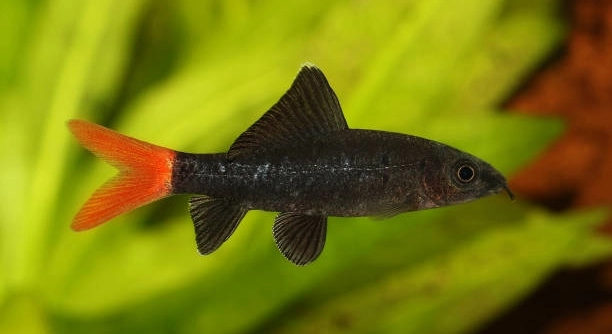
Rainbow sharks are popular aquarium fish known for their vibrant colors and active nature. Many fish owners enjoy keeping them but worry about their health. Ensuring these fish stay healthy requires attention to their environment and care routines.
Preventing illness in rainbow sharks involves maintaining clean water, providing a balanced diet, avoiding overcrowding, monitoring water temperature and pH, minimizing stress, and regular observation for early signs of disease. These steps are critical for their well-being and longevity.
Keeping your rainbow shark healthy is easier with the right knowledge. This article will offer clear, practical advice to help you care for your fish and keep them thriving in your aquarium.
Maintain Clean Water Conditions
Keeping the water clean is one of the most important things you can do for your rainbow shark. Dirty water leads to stress and illness, so regular water changes are necessary. Use a good filter to remove waste and toxins from the tank. Test the water often for ammonia, nitrites, and nitrates, as these chemicals can harm your fish if levels get too high. Avoid overfeeding because leftover food can pollute the water quickly. When adding new water, make sure it is treated to remove chlorine and chloramines. Keeping the tank clean and stable will help your rainbow shark stay healthy and active.
Regular water testing and changing about 25% of the water weekly will keep your tank safe for your fish.
A clean tank creates a safe environment where your rainbow shark can swim freely and behave naturally. It reduces the risk of infections caused by harmful bacteria and parasites. When water quality is good, your fish will have stronger immunity and a longer life. Don’t forget to clean the tank decorations and substrate as well, since debris can build up there too. Simple steps like these can make a big difference in keeping your rainbow shark well.
Provide a Balanced Diet
A proper diet supports your fish’s health and helps prevent disease. Feeding a mix of high-quality flakes, pellets, and occasional live or frozen food gives your rainbow shark the nutrients it needs. Avoid overfeeding because excess food can pollute the tank and cause digestive issues. Feed small amounts once or twice a day to keep your fish fit and energetic. Changing the diet occasionally can also keep your fish interested and improve their overall well-being.
Rainbow sharks need protein-rich food with vitamins to stay strong and colorful.
A balanced diet is essential for your rainbow shark’s immune system and growth. Commercial fish foods made for omnivores usually provide most nutrients, but supplementing with bloodworms, brine shrimp, or daphnia adds variety. Vegetables like blanched spinach or zucchini can also be offered to mimic natural grazing. Watch how much your fish eats and adjust portions accordingly to avoid leftover food that harms water quality. Feeding properly helps your fish recover faster from any illness and keeps their fins vibrant and their scales shiny.
Monitor Water Temperature and pH
Rainbow sharks need stable water temperature and pH to stay healthy. The ideal temperature is between 74°F and 80°F. The pH should be kept between 6.5 and 7.5 for best results.
Sudden changes in temperature or pH can stress your fish and make them more prone to illness. Use a reliable aquarium heater to maintain a steady temperature, and check it regularly. Test the water’s pH weekly with a test kit to ensure it stays within the safe range. Avoid placing the tank near windows or vents where temperature fluctuations happen often.
Keeping these levels stable supports your fish’s metabolism and immune system. If temperature or pH is off, your rainbow shark may show signs of lethargy or lose appetite. Being consistent helps them thrive and resist disease.
Avoid Overcrowding the Tank
Crowding causes stress and reduces oxygen, making your fish vulnerable. Give each rainbow shark plenty of space to swim freely.
Too many fish in one tank lead to competition for food and space. This causes aggression and weakens their immune systems. It also increases waste, which harms water quality. A good rule is one rainbow shark per 20 gallons of water. Larger tanks allow for more fish but always keep stocking levels balanced. Providing hiding spots with plants or decorations can reduce stress and prevent fights. When you keep the tank at a healthy population, your rainbow sharks will live longer and be less likely to get sick.
Minimize Stress
Stress lowers your rainbow shark’s immune system, making illness more likely. Avoid sudden changes in environment and keep noise around the tank low.
Provide hiding places and maintain consistent lighting schedules. This helps your fish feel secure and reduces stress-related behaviors like hiding or erratic swimming.
Regular Observation
Watching your rainbow shark daily helps catch health problems early. Look for signs like changes in color, behavior, or appetite.
Early detection allows for quicker treatment, which improves recovery chances. Keep a close eye on your fish to ensure it stays healthy and active.
Avoid Introducing Sick Fish
Bringing new fish into the tank without quarantine can spread disease. Always isolate new arrivals for two weeks before adding them to the main tank.
Quarantine prevents infections and protects your existing fish population. This simple step helps keep your rainbow shark safe from contagious illnesses.
Maintain Proper Tank Size
A tank smaller than 20 gallons is not suitable for a rainbow shark. They need enough space to swim and grow comfortably.
FAQ
How often should I change the water for my rainbow shark?
Changing about 25% of the water every week is a good routine. This helps remove waste and keeps water parameters stable. Avoid changing too much water at once, as sudden shifts can stress your fish.
What is the best diet for a rainbow shark?
A balanced diet includes high-quality flakes or pellets made for omnivores, supplemented with live or frozen foods like bloodworms or brine shrimp. Occasionally offering blanched vegetables like zucchini supports their health and mimics natural grazing habits.
Can rainbow sharks live with other fish?
Rainbow sharks can be territorial, especially in small tanks. They generally do better with peaceful, fast-swimming fish that stay in different parts of the tank. Make sure the tank is large enough to reduce aggression.
What water temperature is ideal for rainbow sharks?
The ideal temperature range is 74°F to 80°F (23°C to 27°C). Use a reliable heater and thermometer to keep the temperature steady, avoiding sudden changes that can cause stress or illness.
How do I know if my rainbow shark is sick?
Common signs include loss of appetite, faded colors, clamped fins, erratic swimming, or spots on the body. Regular observation helps catch these symptoms early so you can take action quickly.
Is it necessary to quarantine new fish?
Yes, quarantining new fish for at least two weeks before introducing them to the main tank helps prevent the spread of disease. It’s a simple but important step to protect your existing fish.
What tank size is suitable for a rainbow shark?
A minimum tank size of 20 gallons is recommended for one rainbow shark. Larger tanks provide more space to swim and reduce territorial behavior.
How can I reduce stress in my rainbow shark?
Provide hiding spots, maintain stable water conditions, avoid sudden changes, and keep noise levels low near the tank. A consistent lighting schedule also helps fish feel secure.
Can overfeeding harm my rainbow shark?
Yes, overfeeding leads to leftover food that pollutes the water and causes digestive problems. Feed small amounts once or twice a day and remove any uneaten food to maintain water quality.
What are common diseases in rainbow sharks?
Common issues include fin rot, ich, and bacterial infections. Poor water quality, stress, and overcrowding increase the risk. Proper care and early detection reduce illness chances.
How important is water pH for rainbow sharks?
Water pH should be between 6.5 and 7.5. Keeping pH stable is essential because fluctuations stress the fish and make them more vulnerable to disease.
Can rainbow sharks live alone?
Yes, rainbow sharks can live alone and often do well this way. However, they may enjoy company if the tank is large enough and tank mates are chosen carefully.
How often should I clean the tank decorations and substrate?
Cleaning once a month helps prevent buildup of waste and bacteria. Use aquarium-safe tools and avoid harsh chemicals to protect beneficial bacteria and fish health.
What should I do if my rainbow shark shows signs of illness?
Isolate the sick fish if possible, check water quality immediately, and consult a vet or fish specialist for treatment options. Acting quickly improves recovery chances.
Is it okay to use tap water for my tank?
Tap water must be treated to remove chlorine and chloramines before use. Untreated tap water can harm your fish and disrupt the aquarium’s balance. Use water conditioners designed for aquariums.
Taking good care of your rainbow shark is important for keeping it healthy and happy. These fish need a clean and stable environment to thrive. Regular water changes and proper filtration help remove harmful chemicals and waste. Keeping the water temperature and pH steady also prevents stress and illness. When these basic needs are met, your rainbow shark will be more active and show its beautiful colors. It is also important to provide enough space in the tank so your fish can swim freely and avoid feeling crowded.
Feeding your rainbow shark the right food is another key part of care. A balanced diet with quality flakes or pellets, along with occasional live or frozen foods, supplies the nutrients your fish needs. Overfeeding should be avoided because it can cause poor water quality and health problems. Watching your fish daily for any signs of sickness or unusual behavior helps you catch issues early. Stress is one of the biggest causes of illness in aquarium fish, so providing hiding places and minimizing sudden changes around the tank can make a big difference.
Following simple steps like these will help your rainbow shark live a long, healthy life. Every fish owner wants their pet to thrive, and paying attention to water quality, diet, tank size, and stress reduction are the best ways to do this. Keeping your fish safe from disease means you can enjoy watching them swim and display their bright colors for years. With patience and care, your rainbow shark will be a beautiful, lively part of your aquarium.

Hello,
If you enjoy the content that we create, please consider saying a "Thank You!" by leaving a tip.
Every little bit helps us continue crafting quality advice that supports the health, happiness, and well-being of pets around the world, for pets of all shapes, sizes, and species.
We really appreciate the kindness and support that you show us!