
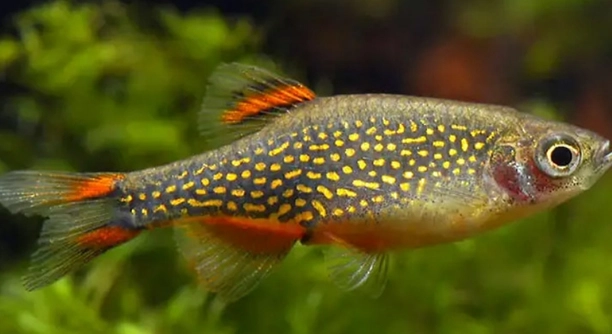
Danios are lively, small fish that brighten up any aquarium. Keeping them healthy requires understanding their needs. The right environment ensures they swim actively, eat well, and display their natural behaviors without stress.
Danios thrive in environments that provide stable water conditions, ample swimming space, and appropriate vegetation. A balanced diet, regular filtration, and proper tank companions further support their growth, activity levels, and overall well-being in captivity.
Creating these ideal conditions can make a significant difference. The following details will help you provide a habitat where your danios truly flourish.
Stable Water Conditions
Maintaining stable water conditions is essential for danios to stay healthy and active. They are sensitive to sudden changes in temperature and pH, which can cause stress and illness. A reliable heater keeps the temperature within a consistent range of 72–78°F, while regular water testing ensures the pH stays between 6.5 and 7.5. Filtration is equally important to remove waste and prevent ammonia buildup. Performing partial water changes weekly also helps maintain a clean environment. Danios are resilient, but consistent care is what allows them to thrive. Avoid overcrowding, as too many fish in one tank can disrupt water balance and lead to disease. Adding aquatic plants not only enhances aesthetics but also improves water quality by absorbing excess nutrients. Monitoring water parameters daily can feel like extra work, but it pays off with active, colorful, and happy fish swimming freely. A stable environment reduces stress and supports long-term health.
Maintaining stable water conditions ensures danios remain active and healthy while preventing unnecessary stress or illness caused by sudden environmental changes.
By prioritizing water stability, you create a habitat where danios can explore, feed, and interact naturally. Regular testing, careful temperature control, and gradual adjustments are key to their ongoing well-being.
Spacious Swimming Areas
Danios are highly active fish that need room to move freely. A small or crowded tank restricts their natural behavior and can cause stress, stunted growth, and aggression. For a standard group of six danios, a tank of at least 20 gallons is recommended. They enjoy open swimming areas combined with hiding spots created by plants or decorations. Providing horizontal swimming space is crucial, as these fish swim constantly throughout the tank. Avoid placing too many ornaments in the middle, which can block movement and reduce exercise opportunities. Vertical decorations near the edges work well, offering shelter without interfering with swimming. Danios are social fish, so swimming in a group allows them to display natural shoaling behavior. Observing them navigate the tank actively indicates that the space is sufficient and comfortable. Consistent monitoring of fish activity can help determine if additional room or rearrangement is needed to maintain their well-being.
Providing ample swimming space prevents stress and encourages natural activity, allowing danios to maintain health and display normal social behaviors.
When designing a tank, focus on horizontal space and balanced decoration. Open areas promote exercise, while strategically placed plants and ornaments provide shelter without crowding. A well-planned layout ensures danios remain active, vibrant, and less prone to stress-related issues.
Proper Filtration
A reliable filter is crucial for keeping danios’ water clean and safe. It removes debris, excess food, and waste, preventing harmful ammonia or nitrate buildup. Choosing the right filter ensures water flows steadily without stressing the fish. Regular maintenance keeps the system effective and the tank healthy.
Filtration supports stable water conditions and improves overall tank hygiene. A sponge filter or hang-on-back filter works well for small to medium tanks, providing gentle circulation that mimics natural water movement. Avoid strong currents that can exhaust danios, as they prefer moderate flow. Cleaning or replacing filter media monthly maintains efficiency and prevents blockages that can compromise water quality. Adding biological filtration helps beneficial bacteria break down toxins, supporting long-term tank health. Proper filtration reduces disease risks, keeps water clear, and creates an environment where danios can swim energetically without stress. Consistent care and monitoring make a noticeable difference in fish activity and color vibrancy.
Monitoring water flow, filter efficiency, and cleanliness ensures the system continues to support danios effectively. Regular checks prevent buildup and maintain optimal conditions for healthy fish development.
Balanced Diet
Providing a varied diet keeps danios strong, active, and colorful. They thrive on high-quality flake food, supplemented with frozen or live options like brine shrimp or daphnia. Overfeeding can harm water quality and fish health, so feeding small portions twice daily is ideal.
A balanced diet ensures proper growth, energy, and disease resistance. Danios need proteins for muscle development and occasional plant matter for digestion. Rotating food types prevents nutrient deficiencies and keeps fish engaged during feeding. Treats like bloodworms or micro-worms can be added sparingly to diversify their intake. Maintaining portion control avoids leftover food, which can decompose and raise ammonia levels. Watching feeding behavior helps gauge appetite and health, allowing adjustments to the diet if necessary. Feeding consistently at the same times helps establish a routine, reducing stress and promoting predictable activity. Proper nutrition complements environmental care to support their long-term vitality and appearance.
Consistently feeding a varied, measured diet encourages healthy growth, supports immune function, and enhances natural coloration, contributing to active and lively danios in the tank.
Appropriate Tank Companions
Danios do best with other peaceful, active fish. Aggressive or slow-moving species can stress them or compete for food. Choosing compatible companions ensures a calm environment and encourages natural shoaling behavior.
Small tetras, rasboras, and guppies usually coexist well with danios. Avoid larger, predatory fish that may nip fins or intimidate them, as this can reduce activity and affect health.
Live Plants
Live plants provide shelter and enrich the tank environment. They improve water quality by absorbing excess nutrients and offer hiding spaces for shy or resting danios. Plants also support natural behaviors like exploring and grazing, contributing to a more balanced and engaging habitat.
Moderate Lighting
Moderate lighting enhances color without stressing danios. Too bright light can trigger hiding, while too dim light may affect activity. A consistent day-night cycle helps regulate behavior and keeps fish active.
Regular Observation
Watching your danios daily helps detect early signs of stress, illness, or aggression. Early intervention keeps the tank environment stable and ensures long-term health.
FAQ
What is the ideal tank size for danios?
A tank of at least 20 gallons is recommended for a small group of six danios. They are active swimmers, so providing horizontal space is crucial. Overcrowding can stress them, reduce swimming room, and increase the risk of disease. Open areas with some decorations or plants at the edges work best.
How often should I change the water?
Performing weekly partial water changes of 20–25% keeps the tank clean and maintains stable water parameters. Frequent changes prevent harmful ammonia or nitrate buildup, support beneficial bacteria, and reduce stress. Consistency is key, as sudden or irregular changes can shock danios.
What should I feed danios?
Danios thrive on high-quality flake food supplemented with live or frozen options like brine shrimp, daphnia, or bloodworms. Offering a mix ensures proper nutrition, supports growth, and keeps them active. Feed small portions twice daily to avoid overfeeding and water pollution. Rotating foods helps prevent nutrient deficiencies.
Can danios live with other fish?
Yes, danios are generally peaceful and do well with other small, active species such as tetras, guppies, or rasboras. Avoid aggressive or large predatory fish, which can stress or harm them. Watching interactions helps identify potential issues before they escalate.
How can I tell if my danios are stressed?
Signs of stress include erratic swimming, hiding, loss of color, or refusing food. Sudden changes in water conditions, overcrowding, or incompatible tank mates are common causes. Monitoring behavior and addressing issues promptly helps restore their comfort and health.
Do danios need live plants in the tank?
While not essential, live plants improve water quality, provide hiding spaces, and encourage natural behavior. They absorb excess nutrients, reduce algae growth, and make the environment more engaging. Artificial plants can be used, but live plants offer additional benefits for long-term health.
What water parameters are best for danios?
Maintaining a temperature between 72–78°F and a pH of 6.5–7.5 is ideal. Stable conditions reduce stress and support healthy growth. Regular water testing ensures parameters remain consistent, and gradual adjustments help avoid shocking the fish.
How important is filtration for danios?
Filtration is essential to remove debris, waste, and excess food, preventing harmful ammonia or nitrate accumulation. Gentle flow is preferred, as strong currents can exhaust them. Regular maintenance and cleaning keep filters effective and water quality high.
How long do danios live?
Danios typically live 3–5 years, though proper care can extend their lifespan. Stable water conditions, a balanced diet, and a stress-free environment are key factors in maximizing longevity. Regular monitoring and attention to health can help them thrive throughout their lives.
Can danios breed in a home aquarium?
Yes, danios can breed if water conditions are suitable and the tank includes plants or spawning mops for egg-laying. Separate breeding tanks are recommended to protect eggs and fry from adult fish, ensuring higher survival rates. Proper feeding supports reproductive health.
What is the best way to prevent disease?
Maintaining clean water, proper filtration, balanced feeding, and avoiding overcrowding reduces disease risks. Quarantining new fish before introducing them to the main tank also helps prevent the spread of illness. Observing behavior regularly ensures early detection of potential health issues.
How do I acclimate new danios?
Float the bag in the tank for 15–20 minutes to equalize temperature. Gradually add small amounts of tank water to the bag over 30–60 minutes. Then release the fish gently. Slow acclimation reduces stress and helps them adapt to their new environment safely.
Are danios suitable for beginners?
Yes, danios are hardy, active, and adaptable, making them ideal for beginner aquarists. They tolerate minor fluctuations in water conditions and interact well in groups, providing visual interest and activity in the tank. Proper care ensures they remain healthy and lively.
How can I encourage active swimming?
Provide open swimming areas, moderate current, and a varied diet. Social interaction with other danios promotes shoaling behavior, and placing plants or decorations at the edges allows free movement while offering shelter. Observing their activity ensures the environment supports natural behaviors.
Is it necessary to provide a day-night cycle?
Yes, consistent lighting of 10–12 hours per day helps regulate behavior and activity levels. Dim or too bright light can stress danios. Using a timer ensures stability, creating a predictable routine that supports feeding, resting, and swimming patterns naturally.
How often should I monitor water parameters?
Daily observation of temperature and weekly testing of pH, ammonia, nitrite, and nitrate is recommended. Tracking these parameters ensures stability, prevents stress, and allows early action if conditions shift. Keeping records helps identify trends and maintain optimal health for your danios.
What are common mistakes with danio care?
Overcrowding, overfeeding, sudden water changes, and incompatible tank mates are frequent issues. Neglecting filtration or ignoring water testing can lead to poor water quality and disease. Consistent attention, proper tank setup, and careful feeding avoid these common problems.
Can danios live in unheated tanks?
In temperate climates, danios may survive in unheated tanks if the water stays within a safe range. However, stable temperatures improve health, activity, and breeding success. Sudden drops or fluctuations can cause stress, so monitoring is essential in cooler conditions.
Do danios require decorations?
Decorations are not strictly required but provide structure, hiding spots, and reduce stress. Rocks, driftwood, or plants enhance the environment and allow natural behavior. Avoid overcrowding the tank to maintain sufficient swimming space for active movement.
How can I improve coloration in danios?
A balanced diet rich in protein, carotenoids, and vitamins supports vibrant coloration. Stable water conditions, adequate lighting, and minimizing stress also enhance color. Observing fish regularly helps ensure their health and that colors remain bright and natural.
What should I do if a danio appears sick?
Isolate the affected fish in a quarantine tank to prevent spread. Check water quality, review diet, and consult with a professional if symptoms persist. Prompt attention increases the chances of recovery and protects the rest of the tank population.
Are danios suitable for community tanks?
Yes, they adapt well to community setups with small, peaceful species. Careful selection of companions and monitoring interactions is necessary to maintain harmony. Danios prefer shoaling, so keeping at least six in a group ensures social comfort.
How can I make the tank more engaging for danios?
Provide a mix of open swimming space, plants, decorations, and moderate flow. Rotating ornaments occasionally and varying feeding locations stimulates activity. Observing behavior helps adjust the setup to keep the fish active, exploring, and engaged in a healthy environment.
What is the best water temperature for breeding danios?
Maintaining 75–78°F encourages spawning. Stable conditions, appropriate diet, and access to spawning surfaces like plants or mops increase success. Separating eggs or fry from adults ensures higher survival rates. Regular monitoring of temperature and water quality supports reproductive health and growth.
Can danios tolerate tap water?
Tap water can be used if properly treated to remove chlorine or chloramine and tested for pH and hardness. Stability and consistency matter more than the water source itself. Conditioning water before introducing fish helps prevent stress and supports long-term health.
How do I prevent aggression among danios?
Keeping them in groups of six or more reduces territorial behavior. Adequate swimming space, compatible tank mates, and avoiding overcrowding minimize stress and aggression. Monitoring interactions helps maintain a peaceful, active environment for all fish.
What role do plants play in oxygenation?
Live plants contribute oxygen during daylight through photosynthesis. They also absorb excess nutrients and provide shelter. While not a substitute for filtration or aeration, plants support overall water quality and enhance the natural feel of the tank.
How can I maintain consistent pH levels?
Regular testing, avoiding sudden additions of chemicals, and using natural buffering methods like driftwood or crushed coral help maintain stable pH. Stability prevents stress and promotes healthy growth, feeding, and behavior. Gradual adjustments are essential if changes are necessary.
What is the best substrate for danios?
Sand or smooth gravel works well, as it allows natural digging without injuring them. Avoid sharp or rough substrates that can damage fins. A light-colored substrate can enhance their colors and make observation easier while supporting plants and decorations effectively.
How often should I clean the tank?
Partial water changes weekly, along with removing debris and excess food daily, keeps the environment healthy. Cleaning filter media monthly ensures effective filtration. Regular maintenance prevents water quality issues and supports active, stress-free danios.
Can danios adapt to new tanks quickly?
With proper acclimation, danios usually adjust well. Floating the bag to equalize temperature and gradually adding tank water reduces shock. Proper setup, stable conditions, and a stress-free environment help them settle and display natural behaviors faster.
Are danios sensitive to noise or vibrations?
Yes, sudden loud noises or vibrations can stress danios. Keeping the tank in a quiet area away from frequent disturbances supports calm, active swimming. Stable surroundings contribute to better feeding, health, and coloration.
Do danios need a heater in warm climates?
In consistently warm climates, a heater may not be necessary. However, maintaining stable temperatures improves activity, health, and growth. Even small fluctuations can stress fish, so monitoring water temperature is important year-round.
How can I encourage breeding in a home aquarium?
Provide stable temperature, good water quality, and live plants or spawning mops. Feeding high-protein foods and keeping males and females together in a spacious tank increases the likelihood of successful spawning. Separating eggs or fry ensures higher survival rates.
What are the signs of a healthy danio?
Bright coloration, active swimming, consistent feeding, and smooth fins indicate good health. Healthy fish display natural shoaling behavior and react normally to environmental changes. Observing behavior daily helps catch early signs of illness or stress.
Can danios live in cold water tanks?
Danios tolerate cooler water better than many tropical fish, but sudden drops below 64°F can be harmful. Gradual acclimation and monitoring temperature ensures they remain healthy and active, even in cooler conditions.
What is the role of aeration in a danio tank?
Aeration supports oxygen levels and water circulation, helping fish breathe comfortably. It complements filtration, particularly in densely planted or heavily stocked tanks. Bubblers or gentle air stones provide movement without creating strong currents that tire danios.
How do I prevent algae growth in a danio tank?
Maintaining proper lighting, balanced feeding, and regular water changes prevents excess nutrients that encourage algae. Live plants compete with algae for nutrients, while periodic cleaning of surfaces helps control buildup. Avoiding overfeeding is crucial in keeping water clear.
Can danios live alone?
Danios are social fish and prefer groups. Keeping a single fish can cause stress and reduce natural behaviors. A minimum of six ensures shoaling, encourages activity, and maintains mental well-being.
How often should I feed fry?
Feed small amounts multiple times per day, using infusoria, baby brine shrimp, or finely crushed flakes. Consistent feeding promotes healthy growth and reduces competition among fry. Clean water is essential to prevent disease during this stage.
Are danios compatible with bettas?
Compatibility varies. Bettas can be aggressive, especially males. If the betta is calm and the tank is spacious, they may coexist. Monitoring interactions is essential to prevent stress or injury to danios.
What is the best way to introduce new danios?
Float the bag to equalize temperature, gradually mix tank water into the bag, and release gently. Quarantining new fish reduces disease risk. Proper introduction ensures minimal stress and smooth adaptation to the existing environment.
How can I reduce stress during water changes?
Use conditioned water at the same temperature, perform gradual changes, and avoid sudden disturbances. Maintaining a consistent schedule helps fish adjust easily and prevents negative reactions during maintenance.
Do danios need special lighting for plants?
Moderate lighting supports plant growth and enhances fish coloration. Avoid excessive brightness, which can stress danios. Timed lighting cycles maintain a natural day-night rhythm and promote healthy plant and fish activity.
How do I prevent fin nipping in danios?
Provide ample space, compatible tank mates, and avoid overcrowding. Monitoring social interactions helps identify aggressive behavior early. Shoaling behavior reduces targeting of individual fish and supports a harmonious environment.
Can danios tolerate slightly brackish water?
Some species, like zebra danios, tolerate mild brackish conditions, but they generally thrive in freshwater. Sudden salinity changes can cause stress. Gradual acclimation is essential if adjusting water hardness or salinity.
How important is tank cover for danios?
A secure lid prevents jumping and helps maintain consistent temperature. Danios are active and may leap during feeding or play. Proper coverage ensures safety and reduces escape risk.
What is the best way to clean substrate?
Use a gravel vacuum during water changes to remove debris and waste. Avoid disturbing plants or decorations excessively. Regular cleaning supports water quality and prevents harmful buildup while keeping the tank visually appealing.
Can danios live with shrimp?
Yes, small shrimp like cherry or Amano can coexist with danios. Ensure plenty of hiding spots for shrimp, as fast-moving fish may occasionally stress them. Observing interactions ensures both species remain healthy.
How do I prevent overfeeding?
Feed small portions that fish can consume within 2–3 minutes. Remove uneaten food promptly. Consistent portions and observation prevent water pollution, maintain health, and reduce excess waste in the tank.
Are danios sensitive to chemicals?
Yes, chemicals in tap water or cleaning products can harm danios. Use water conditioners, avoid sprays near the tank, and maintain proper handling to protect fish. Even small exposures can cause stress or illness.
What temperature range is best for tropical danios?
Maintain 72–78°F for optimal health, activity, and coloration. Gradual changes prevent stress, while stable conditions support feeding, breeding, and general well-being. Monitoring temperature regularly ensures consistent care.
Do danios need a hiding spot?
Yes, plants or decorations at the tank edges provide shelter and reduce stress. Hiding spots allow resting and recovery from brief aggressive interactions or strong water flow, supporting mental well-being.
Can danios survive in outdoor ponds?
In mild climates, danios may survive outdoors with proper protection, adequate depth, and shelter from predators. Seasonal temperature changes should be monitored to prevent stress or fatalities. Supplemental aeration and plants improve their environment.
How often should I check ammonia levels?
Weekly testing is recommended, more frequently in new tanks. Ammonia spikes are toxic, so maintaining low levels ensures safety and prevents illness. Early detection allows corrective action before fish are affected.
Can danios live with goldfish?
Goldfish are generally slower and produce more waste, which can stress danios. Small groups may coexist in large tanks with good filtration, but careful monitoring is necessary to maintain water quality and reduce competition.
What is the best way to quarantine new fish?
Use a separate tank for 2–4 weeks, monitor for disease, and treat as needed. Quarantine prevents spreading illness to the main tank and allows safe acclimation to water conditions. Observation during this period ensures only healthy fish are introduced.
Are danios compatible with snails?
Yes, snails like Nerite or Mystery can live with danios. They help clean algae and won’t disturb fish. Adequate hiding places for snails protect them from active fish movements.
How can I prevent sudden temperature drops?
Keep the tank away from drafts, direct sunlight, or unheated rooms. Use a reliable heater and monitor temperature regularly. Stable conditions reduce stress and maintain activity and feeding patterns in danios.
What should I do if water clarity decreases?
Check filter function, perform partial water changes, and remove debris. Avoid overfeeding, which contributes to cloudiness. Proper maintenance restores clarity and ensures a healthy environment for danios to thrive.
Can danios tolerate hard water?
They adapt to moderately hard water, but extremely hard conditions may stress them. Maintaining stable parameters with gradual adjustments helps avoid shock and supports health and natural behavior.
How do I prevent overcrowding?
Follow recommended stocking guidelines, considering adult size and activity level. Overcrowding increases stress, waste, and disease risk. Observing fish behavior can indicate if adjustments are necessary. Proper planning ensures a balanced and healthy tank.
Can danios live in a nano tank?
Nano tanks under 10 gallons are generally too small for danios. Limited space restricts swimming and increases stress. A minimum 20-gallon tank is recommended for small groups to provide adequate swimming space and stable water conditions.
How often should I trim plants?
Trim plants as needed to prevent overgrowth, maintain swimming space, and improve water circulation. Removing dead leaves reduces waste, prevents decay, and helps maintain a healthy, engaging environment for danios.
Are danios prone to any specific diseases?
They can develop common freshwater diseases like ich, fin rot, or fungal infections, especially under poor water conditions. Proper care, regular water changes, and monitoring behavior help prevent outbreaks and ensure overall health.
How can I make feeding more interactive?
Scatter food across the tank or use feeding rings to encourage natural foraging and swimming. This reduces competition, stimulates activity, and supports mental engagement while maintaining a clean environment.
What is the best way to acclimate fry?
Gradually introduce fry to tank water over several hours. Provide small, frequent feedings of suitable food. Maintain stable water conditions and gentle flow to promote survival and healthy development.
Can danios live with cichlids?
Small, peaceful cichlids may coexist, but larger or aggressive species can harm danios. Tank size, hiding spots, and careful observation are essential to prevent stress and injuries. Choosing compatible species is crucial.
How do I handle sudden algae blooms?
Reduce lighting, control feeding, and perform partial water changes. Introduce algae-eating species like snails or shrimp if compatible. Proper maintenance and monitoring prevent recurrence and maintain a clean, balanced tank.
Are danios sensitive to air exposure?
Like most fish, danios cannot survive out of water. Minimize handling and ensure secure tank covers to prevent jumping and accidental exposure, which can cause stress or injury.
What is the best way to boost immunity?
Provide a balanced diet, maintain stable water conditions, and minimize stress. Regular observation, proper tank hygiene, and avoiding overcrowding support strong immune function and reduce susceptibility to disease.
Can danios tolerate slightly acidic water?
Yes, pH 6.5–7.5 is ideal, but minor deviations within this range are tolerated
Final Thoughts
Creating the right environment for danios is essential for their health, activity, and longevity. They are small, energetic fish that respond directly to the care and conditions provided in their tank. A stable water temperature, proper filtration, and a clean, spacious tank make a significant difference in their overall well-being. Danios are sensitive to sudden changes, so maintaining consistent water parameters and monitoring their behavior regularly helps prevent stress and illness. A tank that balances swimming space, decorations, and plants allows them to express natural behaviors like shoaling and exploring. When these conditions are met, danios display vibrant colors, active swimming patterns, and general vitality, which are clear indicators of a well-maintained habitat.
Nutrition plays a key role in the health of danios. Feeding a balanced, varied diet of high-quality flakes, live, and frozen foods provides the proteins and nutrients necessary for growth, coloration, and energy. Overfeeding can quickly harm the water quality and increase the risk of disease, so portion control and regular feeding schedules are important. Observing the fish during feeding allows for early detection of any appetite or health changes. Along with nutrition, providing appropriate tank companions and hiding spots reduces stress and supports social behavior. Live plants enhance water quality and create natural resting areas, while open swimming spaces allow for exercise and interaction within the group. These elements together create a balanced environment that promotes both mental and physical health for danios.
Consistency and attention to detail are essential for long-term success in keeping danios. Regular maintenance, such as partial water changes, filter cleaning, and monitoring water parameters, ensures the tank remains a healthy environment. Watching the fish daily helps identify early signs of stress, illness, or aggression, allowing for timely intervention. Even small adjustments, like controlling lighting, providing enrichment, or arranging decorations for better swimming space, contribute to a more comfortable and engaging habitat. By combining stable water conditions, proper nutrition, suitable tank mates, and attentive observation, danios can thrive in a home aquarium for several years. Investing in these simple but important practices ensures the fish remain healthy, vibrant, and active, creating a rewarding experience for anyone caring for them.

Hello,
If you enjoy the content that we create, please consider saying a "Thank You!" by leaving a tip.
Every little bit helps us continue crafting quality advice that supports the health, happiness, and well-being of pets around the world, for pets of all shapes, sizes, and species.
We really appreciate the kindness and support that you show us!