
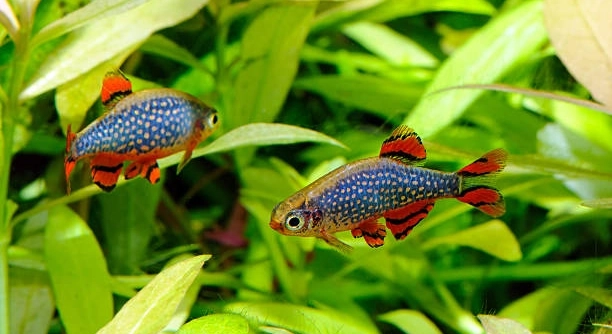
Have you ever added danios to your aquarium and felt unsure about what to watch for in the first few days? Introducing new fish can be exciting, but it also requires careful attention to their behavior and environment.
The first seven days after introducing danios are critical for monitoring their adaptation. Observing feeding habits, social interactions, and water parameters during this period helps detect stress, illness, or aggression, ensuring the fish acclimate safely to their new habitat.
Monitoring these early signs can make a significant difference in maintaining a healthy aquarium. Paying attention now helps prevent long-term problems for your new fish.
Observing Feeding Behavior
In the first week, feeding behavior is one of the clearest signs of how well your danios are adjusting. Some may eagerly swim to the surface, while others hang back, cautious of the new environment. It’s normal for fish to eat less during the first few days, but persistent refusal can indicate stress or illness. You might notice small differences in appetite between individual fish. Monitor how much food is consumed at each feeding and remove any uneaten portions promptly to maintain water quality. If certain danios are not eating, try offering a variety of foods such as flakes, micro pellets, or live foods. Adjusting feeding times slightly can also help them settle in. Observing these patterns allows you to detect early signs of problems before they escalate. A consistent feeding schedule will provide stability and help your fish feel more comfortable in their new home.
Tracking feeding habits closely helps identify any immediate issues in the tank.
Recording what, when, and how much your fish eat over these seven days provides a baseline. This makes it easier to spot changes, address potential stressors, and maintain a healthy tank environment for all your danios.
Watching Social Interactions
Social dynamics among danios can reveal a lot about their adaptation. Aggression or excessive chasing is not uncommon, especially in a newly arranged tank.
Newly introduced danios may form small groups or swim separately as they establish a hierarchy. Pay attention to signs of bullying, such as fins nipped or fish hiding frequently. Some minor chasing is normal, but prolonged aggression can cause stress or injury. Ensure the tank has enough hiding spots, plants, or decorations to allow subordinate fish to retreat. Observing these interactions during feeding and general swimming time helps you gauge how well the fish are settling. Proper observation over the first seven days allows you to intervene if necessary, either by rearranging decorations, adding more plants, or temporarily separating overly aggressive individuals. Maintaining a peaceful environment encourages natural behavior, reduces stress, and supports the long-term health of your danios. Documenting these patterns also helps anticipate future social adjustments as the tank matures.
Watching behavior carefully in these early days ensures a balanced tank and healthier fish overall.
Monitoring Water Parameters
Keeping track of water conditions is essential after introducing danios. Temperature, pH, and ammonia levels can fluctuate, causing stress if left unchecked.
Stable water conditions support healthy behavior and reduce disease risk. Test the tank daily during the first week, noting any sudden changes. Small fluctuations are normal, but extreme swings must be addressed immediately. Adjusting filtration, aeration, or partial water changes can correct imbalances. Danios are hardy, but even minor stressors can affect feeding and social interactions. Recording trends helps identify patterns and prevents long-term problems. Consistency in water quality contributes to faster acclimation and overall well-being.
Monitoring water clarity and chemical balance helps ensure your danios thrive. Regular checks make it easier to detect subtle issues early.
Keeping an eye on water parameters also gives insight into how your tank is settling. Newly introduced fish can produce extra waste, impacting ammonia, nitrite, and nitrate levels. Overfeeding or leftover food can quickly degrade water quality. Maintaining stable temperature and pH is critical since rapid changes can stress danios and suppress their immune systems. A reliable test schedule, along with small, frequent water changes, keeps conditions safe. Adjusting the filter flow and checking aeration helps maintain oxygen levels, especially in busy tanks. Observing fish behavior alongside these measurements allows you to correlate any unusual activity with potential water issues, making corrections faster and more effective.
Tracking trends in water chemistry is a proactive way to prevent disease. Even subtle changes can be significant and should not be ignored.
Checking for Signs of Stress
Stress in danios can appear as unusual swimming, hiding, or clamped fins. Watch closely during the first week.
Stress reduces immunity and can lead to illness. Look for rapid gill movement, pale colors, or erratic swimming. Ensure the tank has enough space, plants, and hiding spots. Reducing sudden movements around the tank and maintaining stable lighting also helps. Overcrowding can increase tension, so verify stocking levels are appropriate. Minor stress is often temporary, but ongoing signs require adjustments to environment, feeding, or social structure. Prompt action helps prevent long-term effects and ensures the fish settle comfortably. Recording observations daily allows for tracking improvements or identifying persistent issues.
Regularly observing how danios react to their surroundings gives insight into overall health. Stress can be subtle, and early detection allows timely intervention.
Clamped fins, lethargy, or hiding indicate that something in the tank may be causing discomfort. Environmental factors like poor water quality, inadequate hiding spaces, or aggressive tank mates often contribute. Danios are fast-moving fish, so prolonged inactivity is a warning sign. Adjusting lighting, providing additional plants, or separating overly aggressive fish can relieve stress. Feeding patterns are also linked to stress; fish that stop eating may need extra attention. By documenting changes each day, you can identify trends and correct conditions before illness develops. A calm, well-structured environment helps danios regain confidence, encouraging normal behavior and supporting long-term health.
Observing Swimming Patterns
Danios should swim actively and smoothly around the tank. Watch for sudden bursts, darting, or floating near the surface, which may signal stress or discomfort.
Consistency in movement is important. Fish that hide constantly or remain at the bottom may be struggling to acclimate. Early attention helps prevent health issues.
Inspecting Physical Condition
Check fins, scales, and eyes daily for any signs of damage, discoloration, or swelling. Prompt identification of physical issues can prevent infection. Danios may experience minor nips during early social interactions, but torn or ragged fins should be monitored closely. Maintaining water quality and avoiding overcrowding reduces these problems.
Maintaining Cleanliness
Uneaten food and debris can affect water quality and fish health. Removing leftovers daily keeps the tank clean and reduces stress for your danios.
Tracking Growth and Appetite
Monitor growth rates and feeding patterns. Healthy danios eat consistently, gain size steadily, and display vibrant colors. Irregular feeding or slow growth may indicate environmental or dietary issues that need adjustment.
How often should I check my danios in the first week?
Daily observation is essential during the first seven days. Check for signs of stress, changes in behavior, and feeding habits. Look at swimming patterns, interactions, and positioning in the tank. Recording your observations each day helps you notice trends and detect issues early. Small adjustments, like adding hiding spots or removing uneaten food, can make a significant difference. Even if your fish appear healthy, daily checks ensure that water parameters remain stable. Watching your danios consistently will make it easier to respond to any problems before they escalate, ensuring a smoother acclimation period.
What are the main signs of stress in danios?
Stress in danios can be subtle. Look for clamped fins, hiding, or staying at the bottom of the tank. Pale coloration, rapid gill movement, or erratic swimming are also common indicators. Changes in appetite or sudden aggression among tank mates can signal stress as well. Environmental factors, such as poor water quality, overcrowding, or sudden temperature changes, often trigger these responses. Addressing stress promptly by adjusting tank conditions, providing hiding spaces, and monitoring feeding can prevent illness. Even minor stress can impact long-term health, so daily observation is critical during the first week after introduction.
How do I know if water conditions are suitable for my danios?
Stable water parameters are key. Test ammonia, nitrite, nitrate, pH, and temperature daily during the first week. Small fluctuations are normal, but spikes can cause stress or disease. Proper filtration, aeration, and partial water changes help maintain stable conditions. Observe fish behavior alongside measurements—lethargy, gasping at the surface, or clamped fins may indicate water issues. Maintaining consistent water quality supports feeding, social behavior, and overall health. Regular monitoring during this critical week helps identify problems before they affect your danios’ long-term well-being.
Can danios get sick right after being introduced?
Yes, the first week is a sensitive period. Stress from transport and a new environment can weaken their immune system. Illness may appear as spots, swelling, fin damage, or unusual swimming. Quarantining new fish before adding them to the main tank reduces the risk of disease spreading. Keeping water clean, maintaining proper temperature, and monitoring feeding also help prevent health problems. Immediate attention to any unusual signs ensures recovery before infections worsen.
What should I do if one danio is being chased or bullied?
Minor chasing is normal, but persistent aggression can harm fish. Provide hiding spots using plants or decorations. Rearranging the tank can help reset territorial behavior. In severe cases, separating the aggressive fish temporarily may be necessary. Monitoring social interactions daily allows you to ensure all fish feel safe and reduces stress-related health problems.
How long does it usually take for danios to settle in?
Danios generally adjust within seven days, though some may take longer. During this period, monitor feeding, behavior, and water parameters closely. Gradual acclimation allows them to establish social hierarchies and adapt to the tank environment. Consistent care, stable water conditions, and attentive observation ensure a smoother transition.
Is it normal if some danios eat less at first?
Yes, reduced appetite during the first few days is common. Stress and new surroundings can make fish hesitant to feed. Offer a variety of foods, small portions, and observe which individuals are eating. Consistent feeding times and maintaining calm tank conditions encourage normal eating habits over time.
Should I test water more than once a day?
For most setups, testing daily is sufficient during the first week. If you notice rapid changes in behavior, water clarity, or temperature, more frequent checks may be needed. The goal is to maintain stable conditions to support adaptation and reduce stress.
Can tank decorations affect how quickly danios settle?
Yes, decorations and plants provide hiding spaces and reduce aggression. Rearranging items can help establish territories and limit chasing. An enriched environment reduces stress, encourages natural swimming patterns, and supports feeding. Observing interactions alongside tank layout helps ensure all fish are comfortable.
What steps can I take if a danio shows early signs of illness?
Immediate action is important. Isolate the affected fish if necessary, test water parameters, and adjust conditions. Small treatments like salt baths or targeted medications may help depending on symptoms. Early intervention increases recovery chances and prevents disease from spreading to other fish. Daily observation helps detect problems early.
How can I track danio growth and development?
Monitor size, coloration, and feeding habits daily. Healthy fish gain size gradually and maintain vibrant colors. Note any changes in activity or appetite. Tracking trends during the first week establishes a baseline, making it easier to identify abnormalities later. Consistent care ensures proper growth.
Is overcrowding a concern during the first week?
Yes, overcrowding increases stress and aggression. Ensure the tank is appropriately stocked based on its size and filtration capacity. More space allows danios to swim freely and reduces competition for food. Proper stocking contributes to smoother social interactions and overall health.
How important is lighting during acclimation?
Stable lighting helps reduce stress and supports normal behavior. Sudden changes in brightness can startle fish. Providing a consistent light cycle mimics natural conditions, encourages feeding, and helps danios feel secure in their new environment.
What should I do if a danio refuses food entirely?
Try offering different food types or adjusting feeding times. Ensure water quality and temperature are optimal. Persistent refusal may indicate stress or illness. Monitor closely and consider isolating the fish for observation. Prompt attention helps prevent complications and supports recovery.
How do I maintain water quality while monitoring behavior?
Remove uneaten food and debris daily, test parameters, and perform partial water changes as needed. Observing fish while performing maintenance allows you to correlate behaviors with water conditions. Clean water reduces stress, promotes feeding, and supports overall health during acclimation.
Can interactions with other species affect danios?
Yes, tank mates can influence stress levels. Aggressive or territorial species may bully danios. Observe interactions carefully and provide sufficient hiding spaces. Separating incompatible fish may be necessary to maintain a peaceful environment.
Is it normal for danios to explore less at first?
Yes, initial cautious behavior is common. Fish may stay near decorations or cling to the bottom while acclimating. Gradual exploration indicates growing confidence. Encourage activity by providing plants, open swimming areas, and calm conditions.
What is the most important focus during the first week?
The main priorities are monitoring water quality, feeding, social interactions, and signs of stress or illness. Daily observation, consistent care, and early intervention ensure your danios settle well and remain healthy in their new tank.
Introducing danios to a new tank is an exciting experience, but it also requires careful attention in the first seven days. This period is critical because fish are adjusting to a different environment, and small issues can quickly become bigger problems if left unchecked. Monitoring feeding behavior, social interactions, and water conditions helps identify stress or illness early. Daily observation allows you to see patterns and notice changes that might not be obvious at first. Even subtle signs, such as hiding, clamped fins, or minor aggression, can indicate that adjustments are needed. By paying attention from the beginning, you create a safer and more stable environment for your fish, which helps them settle more quickly and reduces the risk of long-term problems.
Maintaining stable water parameters is another essential part of helping your danios adapt. Temperature, pH, ammonia, nitrite, and nitrate levels should be checked regularly, especially during the first week. Even small fluctuations can stress the fish, impacting their appetite and behavior. Removing uneaten food and debris is also important because it keeps water clean and reduces the chance of disease. Providing hiding spots, plants, and decorations allows fish to establish territories and feel secure. Observing how your danios interact with each other helps identify any aggression or bullying early, which can be addressed by rearranging the tank or providing additional cover. Consistency in care, feeding, and environmental conditions supports natural behavior and overall well-being.
Finally, patience and careful observation are key to a successful introduction. Some danios may take longer to adapt, while others settle in quickly. By keeping track of their growth, appetite, and behavior, you can ensure they are healthy and comfortable. Early intervention in response to stress, illness, or environmental issues improves their chances of thriving in the long term. The first week is just the beginning, but the attention and effort you put in now create a strong foundation for a healthy, active, and peaceful tank. Consistent care and observation make a noticeable difference, helping your danios adjust smoothly and supporting their long-term health and happiness.

Hello,
If you enjoy the content that we create, please consider saying a "Thank You!" by leaving a tip.
Every little bit helps us continue crafting quality advice that supports the health, happiness, and well-being of pets around the world, for pets of all shapes, sizes, and species.
We really appreciate the kindness and support that you show us!