
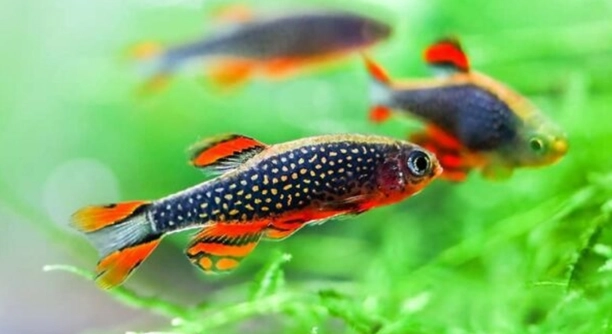
Danios are small, energetic fish that brighten up any aquarium with their lively movements. Their shimmering scales and playful swimming patterns often make them a favorite among both new and experienced fish keepers.
Danios display their brightest colors during feeding, courtship, territorial displays, changes in lighting, water conditions, stress responses, and social interactions. Each of these moments triggers physiological changes that enhance pigmentation, making their colors more vivid and noticeable.
Observing these colorful displays provides insight into their natural behaviors and enhances the enjoyment of keeping them in home aquariums.
Feeding Time Brings Out Their Brightest Hues
When I watch my danios during feeding, their colors instantly seem sharper. The anticipation of food makes them swim faster and display more vibrant shades across their bodies. Reds, blues, and silvers appear richer, reflecting light beautifully in the aquarium. Their energy seems contagious, turning a simple feeding moment into a small spectacle. Even subtle changes in diet can affect their pigmentation over time, with high-quality flakes or live food often enhancing brightness. The combination of excitement and nutrition encourages these fish to show off naturally. Observing this, it’s clear that their colors aren’t static—they respond dynamically to both environment and stimuli. This responsiveness makes caring for danios particularly rewarding, as you can witness subtle changes day by day. Whether feeding at morning or evening, they rarely fail to display bursts of color. Small movements, flicks of fins, and tail swishes all contribute to the overall impression of brightness. Feeding time is a daily opportunity to see danios at their most visually striking.
Their vibrant colors during feeding are linked to excitement and nutrient intake, both enhancing natural pigmentation significantly.
Even brief feeding sessions can reveal variations in individual fish. Some danios brighten immediately, while others take longer to respond. Over time, these differences can become noticeable patterns, allowing for observation of their unique behaviors and color displays. Understanding how diet affects their appearance helps maintain their health and ensures the aquarium remains visually appealing. Careful observation during feeding also highlights social dynamics, as dominant fish may get more food, temporarily enhancing their coloration compared to others. By paying attention to these details, you not only enjoy their beauty but also gain insight into their wellbeing and interactions.
Courtship Displays Highlight Stunning Colors
During mating periods, danios’ colors intensify, making them appear more striking than usual.
Male danios flare their fins and swim in more exaggerated patterns, showing off their vivid stripes and shimmering scales. These displays serve to attract females and signal readiness to mate. Courtship is brief yet frequent, with males repeatedly performing these visual cues. Females respond by showing subtle changes in body coloration, often becoming slightly more muted but still gleaming under light. Observing this interaction allows a closer look at natural behavior and social signaling. The interplay between males and females is fascinating, as it highlights the role of color in reproduction. Proper lighting and water conditions enhance the visibility of these displays, making it easier to appreciate subtle variations. Courtship behaviors also help maintain healthy social dynamics within the tank, ensuring fish are active and engaged. By noting these displays, one can better understand both the reproductive cycle and the visual appeal of danios in an aquarium setting.
The intensity of colors during courtship is amplified by movement, light reflection, and social signaling, emphasizing visual communication in mating behavior.
Mating displays are short bursts, often repeating throughout the day. Each interaction shows differences in individual intensity and fin presentation. Lighting angles can dramatically affect how colors appear, sometimes revealing hues not otherwise noticeable. Observing these behaviors regularly provides insight into the health and confidence of each fish, highlighting which individuals are more dominant or receptive. Courtship also influences the aquarium environment, as increased activity promotes circulation and interaction, which can benefit tank ecology. Recognizing these patterns makes watching danios not only visually enjoyable but also informative for maintaining their wellbeing. Understanding how color functions in courtship can guide feeding, tank arrangement, and social management to keep the group harmonious and visually dynamic.
Territorial Behavior Intensifies Colors
Danios show brighter colors when defending their space. Dominant fish flare fins and swim aggressively, making stripes and scales appear more vivid.
Territorial displays are more common in crowded tanks or when new fish are introduced. Males especially exaggerate movements, circling and chasing rivals. Their colors intensify as a visual warning, signaling strength and readiness to defend resources. This behavior also helps establish a hierarchy within the group, reducing long-term conflicts. Observing these moments, I notice how subtle shifts in hue indicate changes in mood, making it easier to identify dominant individuals. Proper tank layout with hiding spots can minimize stress while still allowing these natural displays.
Subtle environmental cues, like decorations or open swimming space, can trigger territorial responses, leading to brief but noticeable color changes in danios.
These interactions last for short periods but repeat often, creating a dynamic pattern of displays. Even minor adjustments in tank conditions, like water flow or lighting, can enhance visibility of their colors during these encounters. Fish often retreat to calmer areas afterward, showing that these bright displays are purposeful, not constant. Recognizing these behaviors makes it easier to manage multiple danios, ensuring each fish maintains its space and feels secure while still expressing its natural color patterns. Watching these territorial interactions closely reveals how visual signaling maintains balance and reduces long-term aggression.
Lighting and Water Conditions Affect Coloration
Optimal lighting brings out the best colors in danios, making reds, blues, and silvers more intense. Consistent light schedules enhance their natural vibrancy over time, helping them appear lively.
Water quality plays a crucial role in color expression. Clear, well-oxygenated water reduces stress, allowing pigmentation to peak naturally. Changes in temperature, pH, or hardness can temporarily dull their colors. Maintaining stable conditions ensures danios remain visually striking while supporting overall health. Even small adjustments, like the angle or intensity of light, can influence how colors reflect, highlighting previously unnoticed patterns. By monitoring both lighting and water parameters, I can consistently enjoy the full range of their bright hues. Proper filtration, gentle currents, and avoiding overcrowding all contribute to maintaining these ideal conditions.
When water conditions fluctuate, colors fade quickly, signaling stress or poor health. Observing these changes helps identify problems early. Adjusting lighting schedules or correcting chemical levels restores vibrancy. Seasonal shifts in daylight or room lighting also impact how colors appear. Adding reflective backgrounds or lightly colored substrates can enhance contrast, making even subtle shades more noticeable. Understanding how environment influences pigmentation allows me to create a stable and visually appealing aquarium. These details ensure danios maintain their bright, natural appearance consistently while remaining healthy and active.
Stress Responses Trigger Color Changes
Danios often brighten or darken in response to stress. Sudden movements, tank rearrangements, or the introduction of new fish can trigger these temporary color shifts.
Stress-induced color changes are usually short-lived. Once the environment stabilizes, their natural brightness returns. Recognizing these cues helps maintain a calm aquarium and ensures fish remain healthy.
Social Interactions Enhance Pigmentation
Interactions between danios influence their overall appearance. Active swimming alongside tank mates encourages brighter scales and more pronounced stripes. Dominant fish often display enhanced coloration to assert presence, while submissive fish may show subtle shades. Group dynamics, movement patterns, and mutual awareness all contribute to these natural visual effects.
Seasonal Changes Affect Color
Danios may shift colors slightly with seasonal light and temperature variations, reflecting natural adaptation to their environment.
FAQ
Why do my danios suddenly lose their bright colors?
Color loss is often a response to stress, illness, or poor water conditions. Changes in temperature, pH, or overcrowding can cause temporary dulling. Ensuring stable water parameters and minimizing sudden disturbances helps restore natural pigmentation. A balanced diet also supports their vibrant appearance over time.
Can diet affect how bright danios look?
Yes, nutrition directly influences pigmentation. High-quality flakes, frozen foods, or live foods rich in carotenoids enhance reds and oranges. Proteins and essential vitamins help maintain overall health, which indirectly keeps their scales shiny. Feeding a varied diet regularly allows consistent color intensity.
Do danios show brighter colors during specific times of day?
Danios often appear more colorful under natural daylight or consistent aquarium lighting. Mornings and evenings can reveal subtle hues as light angles shift. Sudden bright lights may stress them, so gradual, stable lighting schedules encourage optimal display.
Is it normal for some danios to be more colorful than others?
Yes, individual differences are natural. Dominant males or confident fish tend to display stronger colors. Submissive or younger fish may show more muted tones. Observing interactions helps identify hierarchy while understanding natural color variation.
How does tank setup influence color intensity?
Open swimming areas, reflective substrates, and contrasting backgrounds make colors stand out. Plants or decorations provide shelter and reduce stress, indirectly promoting brighter pigmentation. Water clarity and gentle filtration ensure light penetrates evenly, enhancing visual appeal.
Can lighting alone improve danio colors?
Lighting impacts how colors are perceived but cannot replace nutrition or health. LED or full-spectrum lights can highlight natural hues, while dim or uneven lighting may make them appear dull. Combining proper lighting with good care maximizes vibrancy.
Do danios change colors when they are healthy?
Healthy danios often display consistent, vibrant colors. Sudden fading may indicate stress, illness, or environmental issues. Monitoring changes daily helps detect early problems, ensuring timely interventions. Brightness often correlates with activity and engagement in the tank.
What role does social behavior play in color display?
Interaction with other danios influences pigmentation. Active swimming, chasing, and minor territorial disputes can enhance color temporarily. Social dynamics, including courtship and hierarchy, create natural fluctuations in appearance that reflect their behavior and confidence.
Are there long-term ways to maintain their brightness?
Maintaining stable water conditions, proper lighting, and a nutritious diet are key. Avoid overcrowding and provide a stimulating but safe environment. Routine observation and adjustments prevent stress-induced dulling, allowing danios to display their best colors consistently.
Do environmental changes cause immediate color shifts?
Yes, sudden alterations in water quality, temperature, or tank decorations can trigger temporary brightening or darkening. These changes often revert once conditions stabilize, but repeated stress may have lasting effects on pigmentation. Monitoring and gradual adjustments help minimize color fluctuations.
Can stress cause permanent color changes?
Prolonged or repeated stress may reduce natural brightness over time. Chronic poor water conditions, illness, or aggressive tank mates can impact long-term pigmentation. Addressing environmental and health issues promptly is essential to preserve their natural vibrancy.
How often should I observe my danios for color changes?
Daily observation is ideal. Watching for shifts in behavior, activity, and coloration helps detect stress or health problems early. Keeping a consistent routine allows recognition of normal variations and ensures their colors remain at their peak.
Do danios’ colors indicate their mood?
Yes, subtle color changes often reflect stress, excitement, or dominance. Bright, vibrant scales usually suggest confidence and wellbeing, while dull or faded tones can signal fear, illness, or discomfort. Paying attention to these cues provides insight into their daily behavior and overall health.
Is it safe to adjust lighting to enhance colors?
Gradual adjustments in lighting intensity or spectrum are safe and can enhance perceived colors. Sudden changes can stress the fish, so it’s best to make incremental modifications while monitoring their reactions to avoid negative effects.
How can I prevent colors from fading during seasonal changes?
Maintaining consistent temperature, water quality, and light schedules helps reduce seasonal color fluctuations. Supplemental aquarium lighting can mimic natural daylight patterns, supporting stable pigmentation and overall health throughout the year.
Can different danio species have varying color intensity?
Yes, some species naturally display more vivid hues than others. Factors like genetics, age, and individual health affect brightness. Understanding species-specific traits allows better management of expectations and care practices in a mixed tank.
Do breeding pairs show brighter colors?
Mating periods often trigger enhanced pigmentation. Males display stronger stripes and shimmering scales to attract females, while females may exhibit subtle changes. Observing these behaviors provides insight into reproductive readiness and natural color dynamics.
Are there signs of permanent dulling I should watch for?
Persistent dull colors combined with lethargy, clamped fins, or loss of appetite can indicate long-term stress, disease, or poor tank conditions. Prompt attention to water quality, diet, and tank setup can help restore health and coloration.
Can I use supplements to boost color?
Some carotenoid-rich supplements or fortified foods enhance red and orange pigmentation. However, they should complement a balanced diet, not replace it. Overuse can harm health, so careful selection and moderation are important for maintaining safe, vibrant colors.
Do colors affect how danios interact socially?
Yes, brighter colors often signal dominance or readiness to mate. Subtle shifts can influence hierarchy, courtship, and territorial behaviors. Monitoring color in relation to social activity helps understand tank dynamics and prevents prolonged stress among fish.
How long does it take for colors to return after stress?
Recovery depends on the cause. Minor disturbances may show improvement within hours, while prolonged stress or poor water conditions can take days to weeks. Ensuring stable environment, diet, and minimal disturbance accelerates recovery and restores vibrancy.
Are there visual tricks to make colors pop?
Background contrast, clear water, and appropriate lighting enhance perceived colors. Reflective surfaces or dark substrates can make bright stripes and scales stand out. These adjustments improve visual appeal without affecting fish health.
Do danios show brighter colors in larger tanks?
Larger tanks allow more swimming space, reducing stress and encouraging natural displays. Extra room promotes active behavior, which enhances pigmentation, while cramped conditions may lead to dulling and increased aggression.
Can color intensity indicate health problems?
Yes, sudden fading, blotches, or uneven coloration often signal illness, parasites, or nutritional deficiencies. Early observation and corrective action can prevent serious health issues while preserving natural vibrancy.
Do danios’ colors change as they age?
Some gradual changes occur with age. Young danios may show muted tones that brighten as they mature, while older fish sometimes exhibit softer colors. Age-related changes are natural and usually not a cause for concern if health is maintained.
Is water temperature critical for color display?
Stable temperatures within species-specific ranges support consistent pigmentation. Sudden fluctuations can cause stress and temporary color loss, while steady, appropriate temperatures encourage brighter, more active fish. Monitoring heaters and thermometers helps maintain optimal conditions.
How can I tell if a color change is natural or a problem?
Natural variations are typically short-term and linked to behavior or environment. Persistent dulling, uneven patterns, or accompanying signs like lethargy indicate stress or illness. Tracking daily behavior and water conditions helps distinguish normal changes from warning signs.
Can tank mates affect color intensity?
Aggressive or dominant fish can suppress the brightness of others. Conversely, active and compatible companions may encourage natural displays. Choosing compatible species and maintaining social balance ensures everyone can exhibit their full coloration.
Do danios’ colors influence their popularity in aquariums?
Yes, vibrant colors attract attention and make them visually appealing. Their responsiveness to light, feeding, and social interactions enhances the aesthetic of a tank, making bright coloration a key factor in enjoyment and care.
Can adding plants impact color display?
Plants provide cover, reduce stress, and offer contrasting backgrounds that highlight colors. Natural hiding spots allow fish to feel secure, indirectly promoting brighter, more confident displays without directly affecting pigmentation.
Are there genetic factors that determine brightness?
Genetics influence base coloration, stripe patterns, and overall intensity. Some strains naturally exhibit stronger reds, blues, or silvers. While environment and diet modify appearance, genetic makeup sets the foundation for maximum potential vibrancy.
How often should I change water to maintain colors?
Regular partial water changes prevent buildup of waste and maintain clarity, supporting both health and pigmentation. Weekly or biweekly changes, depending on tank size and stocking, help ensure danios remain active and visually striking.
Do seasonal lighting changes affect color perception?
Yes, natural shifts in daylight intensity can alter how hues appear. Consistent aquarium lighting mimics stable conditions, preventing fading and supporting full visibility of stripes and scales throughout the year.
What is the best way to monitor color changes over time?
Observing daily at consistent times, noting subtle shifts in hue or brightness, helps track health, stress, and social dynamics. Photos can provide reference points, making long-term changes easier to detect and manage effectively.
Can sudden noises or vibrations impact color?
Yes, sudden disturbances can stress fish, causing temporary darkening. Maintaining a calm environment reduces these effects, allowing colors to remain bright and stable during regular activity.
Do danios react differently to natural versus artificial light?
Natural daylight often produces subtle reflections and highlights not easily replicated by artificial lighting. High-quality full-spectrum LEDs can mimic these effects, making colors appear vivid while supporting their health and behavior.
Are there signs that bright colors indicate readiness to breed?
Yes, males intensify stripes and shimmer during courtship, signaling reproductive readiness. Females may also show slight changes in coloration. Observing these patterns helps identify mating periods and anticipate natural reproductive behaviors within the tank.
Can stress from transport or relocation affect coloration?
Transport stress often causes temporary dulling. Providing acclimation periods, gentle handling, and stable water conditions post-transport helps restore brightness more quickly, reducing long-term impact on pigmentation and overall health.
Do lighting angles really make a difference?
Yes, angles affect how scales reflect light, revealing hues not always visible under direct overhead lighting. Adjusting light position or using multiple sources can maximize color visibility and highlight subtle patterns effectively.
Can the substrate color affect perceived brightness?
Dark or contrasting substrates make bright stripes and scales stand out more. Light or reflective substrates may reduce contrast, making colors appear less intense even if the fish remain healthy and vibrant.
How does tank size influence stress-related color changes?
Smaller tanks increase stress, aggression, and territorial disputes, often dulling colors. Larger spaces allow free swimming and natural interaction, promoting confident behavior and more vivid displays across the group.
Are there specific behaviors to watch for that indicate healthy coloration?
Active swimming, playful chasing, and routine feeding response all correlate with vibrant colors. Bright, consistent stripes and clear fins signal good health, while faded or blotchy patterns suggest issues that may require attention.
Do danios react differently when new fish are added?
Yes, introduction of new tank mates triggers temporary social and territorial responses. Dominant individuals may brighten to assert hierarchy, while submissive fish may appear dull. Gradual acclimation minimizes stress and ensures color displays return naturally.
Can seasonal water temperature swings affect long-term pigmentation?
Repeated or prolonged temperature fluctuations can stress fish, causing gradual dulling. Maintaining stable conditions with heaters or careful monitoring prevents adverse effects on long-term coloration and overall health.
Do danios show brighter colors during feeding compared to rest periods?
Yes, excitement during feeding intensifies color expression. Active movement, competition for food, and heightened alertness bring out vibrant reds, blues, and silvers, making feeding times the best moments to observe natural brightness.
Is it safe to use color-enhancing foods regularly?
Moderate use is safe and can support natural pigmentation, but it should complement a balanced diet. Over-reliance on supplements may disrupt nutrition, so careful integration ensures health and vibrancy remain optimal.
How do I differentiate between natural fading and disease-related dulling?
Natural fading is usually temporary and linked to behavior or environment. Disease-related dulling is persistent, often accompanied by lethargy, clamped fins, or abnormal swimming. Monitoring patterns, water quality, and diet helps identify causes accurately.
Do danios show brighter colors when they are comfortable in their environment?
Yes, calm, well-maintained tanks allow confidence and natural behavior, resulting in consistently bright coloration. Stress-free conditions encourage active swimming and social interaction, both of which enhance visual vibrancy.
Can frequent rearrangement of tank decorations impact colors?
Yes, constant changes may stress fish and trigger temporary dulling. Maintaining a stable layout with occasional gradual adjustments supports confidence and ensures colors remain vivid during daily activity.
Are there visual cues that indicate dominance through color?
Yes, dominant males often exhibit more intense stripes and shimmer to assert authority. Subtle shifts in hue and fin display signal status within the group, helping maintain hierarchy without constant conflict.
Does water hardness or pH influence color?
Extreme pH or hardness can dull pigmentation. Maintaining levels within species-specific ranges supports natural coloration, reduces stress, and ensures healthy overall physiology for long-term vibrancy.
Do danios’ colors influence compatibility with other fish?
Bright coloration can affect social dynamics. More vivid fish may dominate or intimidate others. Understanding how color and behavior interact helps create a harmonious tank with balanced displays.
Can observation techniques enhance my ability to see colors?
Watching during feeding, courtship, or active swimming periods in well-lit conditions reveals maximum brightness. Using contrasting backgrounds and minimizing reflections improves visibility of subtle hues and patterns.
Do color changes indicate readiness to mate or territorial intent?
Yes, intensified colors often signal mating readiness or territorial assertion. Recognizing these visual cues provides insight into natural behavior, helping manage tank interactions and predict activity patterns.
Are color patterns consistent across all danios in a group?
Not always. Variations in age, sex, hierarchy, and genetics produce differences in brightness and stripe intensity. Observing individual traits allows better understanding of social and visual dynamics within the tank.
Does tank temperature stability affect color recovery after stress?
Stable temperature supports faster recovery of natural pigmentation. Fluctuating conditions prolong stress-related dulling, while consistent warmth promotes active swimming and quicker restoration of bright hues.
How do I maintain consistent vibrancy over months or years?
Routine water changes, proper nutrition, stable lighting, and a calm environment are essential. Observing behaviors, providing space, and preventing overcrowding support ongoing brightness and overall health, ensuring danios retain their full visual appeal.
Do seasonal feeding changes influence color intensity?
Yes, high-protein or carotenoid-rich foods enhance pigment during active growth or reproductive periods. Seasonal adjustments in diet can maintain or improve color, aligning with natural metabolic cycles for optimal display.
Can reflective tank surfaces improve color perception?
Reflective surfaces enhance light exposure and contrast, making stripes and scales appear brighter. This visual effect does not affect health but improves overall enjoyment of their natural appearance.
Is it normal for colors to fluctuate daily?
Minor daily variations are normal, often linked to light, activity, or mood. Persistent fading or blotching, however, indicates stress or environmental issues requiring attention to prevent long-term dulling.
Do danios’ colors fade when they are ill?
Yes, illness often reduces brightness and causes uneven patterns. Combined with other symptoms like lethargy, loss of appetite, or clamped fins, faded colors serve as an early warning to investigate health concerns.
Can adjusting tank decorations enhance color visibility?
Yes, using contrasting colors, natural plants, and proper spacing allows better light reflection and reduces shadows. Thoughtful arrangement highlights stripes and scales, making natural brightness more apparent.
Are colors affected by tank mates’ behavior?
Yes, aggressive or dominant fish can suppress others’ displays, while compatible companions may encourage brighter, confident behavior. Managing social balance ensures all fish can express their full pigmentation naturally.
Does lighting duration matter for color maintenance?
Yes, consistent lighting schedules prevent stress and support natural rhythms, enhancing brightness. Too little or too much light can dull appearance, while gradual adjustments maintain optimal display throughout the day.
Can I enhance color perception without affecting health?
Yes, using proper lighting, reflective backgrounds, and stable environmental conditions improves how colors appear without compromising nutrition or wellbeing. Observation during active periods maximizes visible vibrancy.
Do water additives improve brightness?
Some additives stabilize pH or enhance water clarity, indirectly supporting coloration. They do not create color but maintain conditions that allow natural pigmentation to reach its potential.
How quickly can colors return after improving conditions?
Depending on the fish and cause, improvements can show within hours to days. Stable water, proper diet, and reduced stress accelerate recovery, restoring vivid hues efficiently.
Do older danios maintain bright colors?
Colors may soften with age but healthy fish retain noticeable vibrancy. Providing consistent care ensures even older individuals remain visually appealing.
Can tank placement affect perceived brightness?
Yes, positioning near windows, reflective walls, or in well-lit areas enhances color visibility. Avoid harsh direct sunlight, which may stress fish, while using stable light sources for optimal display.
Are color changes reversible?
Most temporary dulling due to stress, diet, or environmental changes is reversible. Chronic issues may cause lasting fading, but correcting conditions generally restores natural pigmentation.
Do danios’ colors correlate with overall activity levels?
Active, confident fish display brighter colors. Lethargy, hiding, or reduced swimming often coincides with duller hues, making color a useful indicator of engagement and wellbeing.
Can I influence coloration through tank design?
Yes, choosing contrasting substrates, plants, and decorations creates visual contrast that highlights stripes and scales. Proper flow and open space allow natural movement, enhancing perceived vibrancy.
Do seasonal light changes require adjustment to maintain colors?
Yes, replicating consistent daylight patterns using timers or artificial lighting prevents seasonal fading, ensuring color remains stable year-round.
Is it normal for danios to show temporary color spikes?
Yes, during feeding, courtship, or minor disputes, colors may temporarily intensify. These bursts are natural and usually fade once activity or excitement subsides.
How can I differentiate between natural variation and stress-related fading?
Natural variation is often brief and linked to behavior. Persistent fading, unusual blotches, or combined health symptoms indicates stress or illness, signaling the need for environmental or dietary adjustment.
Do danios display brighter colors when comfortable with me near the tank?
Some fish react to familiar activity by becoming more confident, enhancing natural color displays. Sudden movements may cause temporary dulling, but consistent, calm presence encourages relaxed, vibrant behavior.
Can reflective tank decorations enhance colors?
Yes, reflective surfaces bounce light onto scales, emphasizing stripes and subtle hues. This effect is purely visual and complements proper care practices.
Do different strains of danios have different color potentials?
Yes, genetics determine maximum brightness and stripe patterns. Environmental factors enhance but do not override
Observing danios and their colors can be both relaxing and fascinating. Their small size and energetic movements make them appealing in any aquarium, but the real enjoyment comes from noticing the subtle ways their colors change. Feeding times, social interactions, courtship, and even minor environmental shifts can influence the intensity of their stripes and scales. Paying attention to these moments allows for a deeper understanding of their behavior, making it easier to provide a healthy and comfortable environment. Even small adjustments, like improving lighting or ensuring clean water, can have a noticeable impact on how bright and vibrant they appear. Over time, these daily observations become routine, creating a connection with the fish and a greater appreciation for the small details that make each danio unique. The way colors shift naturally in response to their surroundings can be satisfying to witness, showing that the fish are active, healthy, and comfortable in their habitat.
Maintaining their brightness requires consistency and care. Stable water conditions, a balanced diet, and a calm environment contribute to optimal color expression. Sudden changes, overcrowding, or poor water quality can cause dulling, making it clear that their colors are closely tied to wellbeing. By monitoring water temperature, pH, and clarity, and providing appropriate hiding spots and open swimming areas, it’s possible to reduce stress and encourage natural displays of pigmentation. Lighting also plays a role, with well-placed full-spectrum or LED lights highlighting their natural hues without causing harm. It’s not just about aesthetics—color serves as an indicator of health, mood, and social standing among the fish. Watching these cues daily can help identify potential issues early, allowing adjustments to diet, tank setup, or water parameters. This ongoing attention ensures the fish remain active, confident, and visually striking over time, enhancing both their wellbeing and the enjoyment of keeping them.
Understanding danios and their color patterns is a combination of observation, environment management, and patience. Their natural vibrancy is influenced by genetics, social interactions, feeding behavior, and the conditions of the aquarium. There is no single trick to making them brighter; rather, it is the cumulative effect of proper care and careful monitoring. Each danio responds differently to light, diet, and social dynamics, which makes each display of color unique. Watching these changes provides insight into their behavior, showing how stress, excitement, or dominance can temporarily enhance or dull pigmentation. By providing a stable, enriching environment and keeping track of their responses, it is possible to enjoy the full range of their natural beauty. The subtle fluctuations in their colors are part of what makes them engaging to observe, adding depth to their personality and charm. Caring for them responsibly ensures that their vivid colors remain a consistent and enjoyable feature of the aquarium, reflecting both their health and the attention given to their habitat.

Hello,
If you enjoy the content that we create, please consider saying a "Thank You!" by leaving a tip.
Every little bit helps us continue crafting quality advice that supports the health, happiness, and well-being of pets around the world, for pets of all shapes, sizes, and species.
We really appreciate the kindness and support that you show us!