
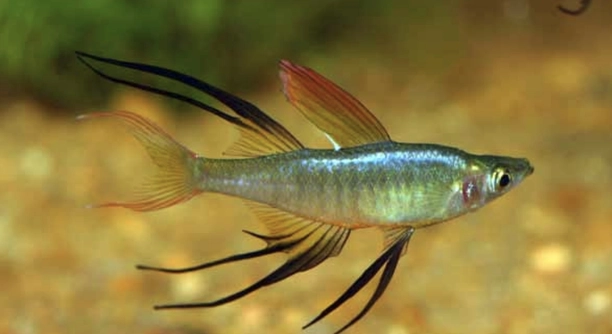
Do you ever watch threadfins swimming gracefully and wonder how they seem so calm in busy waters? Their ability to stay composed is influenced by subtle environmental signals surrounding them, helping them navigate daily life smoothly and safely.
Threadfins rely on seven main environmental cues to maintain calm, including water temperature, light levels, current patterns, presence of predators, availability of shelter, food signals, and social interactions. These factors collectively regulate stress responses and behavioral stability in their natural habitats.
Recognizing these cues provides insight into their natural behavior and helps create conditions that support their well-being in both wild and controlled environments.
Water Temperature and Its Role
Water temperature plays a major part in how threadfins feel and act. When the water is too cold or too warm, they can become stressed or sluggish. They are most comfortable in moderate, stable temperatures. Sudden changes in temperature make them anxious, and they often hide or swim erratically. Warmer water increases their activity levels, but too much heat can exhaust them quickly. Cooler water slows them down, reducing their ability to respond to threats or find food. Aquariums and natural habitats alike need temperature stability to support their calm behavior. Threadfins can sense slight differences in water warmth and adjust their movements to stay in zones where they feel safe. Maintaining a consistent temperature helps their metabolism and stress levels. Observing their behavior during temperature shifts shows clear patterns of comfort and discomfort. Those who study them in tanks or in nature often note how temperature affects feeding, swimming, and social interaction over time.
Stable water temperatures allow threadfins to regulate energy efficiently, avoid stress, and maintain regular activity patterns, enhancing their overall health and behavioral balance.
Keeping water temperature steady is just the first step. Other cues like light and currents work together to influence how threadfins respond to their environment, and noticing these changes helps create calm, supportive conditions for them.
Light Levels and Behavior
Light levels in their habitat influence threadfins’ daily rhythm. Bright or flickering light can make them tense, while dim or steady light encourages relaxed swimming and socializing.
Threadfins are sensitive to light intensity and duration, which affects their sleep, feeding, and predator awareness. Natural sunlight or well-controlled aquarium lighting helps them stay calm. Too much exposure can overstimulate them, leading to erratic movement or hiding behavior. Conversely, insufficient light may make them inactive, reducing feeding efficiency and social interaction. Light direction also matters, as shadows can simulate potential threats, causing momentary stress. Observing their reactions to changes in brightness shows that they prefer predictable light patterns. Timing of light shifts helps align with their natural circadian rhythm, which maintains behavioral balance. Seasonal changes in sunlight in wild habitats can affect their movement patterns and social behavior. Adjusting artificial lighting in captivity to mimic natural cycles improves their comfort, feeding, and swimming activity, creating a calmer environment. Proper light management is therefore essential for both health and stress reduction in threadfins.
Water Currents and Movement
Threadfins use water currents to guide their swimming and maintain energy efficiency. Gentle, consistent currents help them feel secure, while strong or unpredictable flows increase stress and cause erratic behavior.
Currents influence how threadfins position themselves and interact with their surroundings. They often orient their bodies to face the current, allowing smoother movement and reducing effort. Slow, steady flows encourage relaxed schooling, while turbulent currents make them cluster tightly or dart unexpectedly. Currents also affect feeding, as threadfins take advantage of flowing water to locate drifting food. Observing their swimming patterns in response to current strength reveals clear signs of comfort and tension. Adjusting water flow in aquariums or monitoring natural stream conditions helps maintain calm and predictable behavior. Threadfins quickly learn to navigate familiar currents, which reduces unnecessary energy expenditure and stress over time. Understanding these patterns is essential for both care in captivity and interpreting natural behavior in the wild.
Managing currents properly ensures energy conservation and promotes calm swimming, supporting their natural instincts and overall health.
Predator Presence and Awareness
Threadfins respond strongly to predators in their environment, even subtle signs of danger. They become alert, change swimming patterns, and seek shelter to feel secure.
The presence of predators triggers stress responses in threadfins, influencing their movement, feeding, and social interaction. They rely on visual, chemical, and vibrational cues to detect potential threats. Schools tighten, and individuals often hide among structures or vegetation. Regular exposure to low-risk stimuli allows them to adapt and remain cautious without excessive stress, while sudden or intense predator signals provoke immediate defensive behaviors. In aquariums, avoiding aggressive tank mates helps reduce these stress reactions, keeping threadfins calm. In natural habitats, they balance vigilance with foraging, ensuring survival without compromising energy efficiency. Monitoring predator cues provides insight into their behavior and helps maintain environments that support healthy, stable activity levels.
Careful management of surroundings minimizes stress from predators, allowing threadfins to maintain consistent behavior and overall well-being.
Availability of Shelter
Threadfins feel safer when shelter is available in their surroundings. Rocks, plants, or artificial structures provide spaces to hide from threats and reduce stress.
Shelter also encourages natural behaviors like resting and schooling. Without safe areas, threadfins may appear tense, swim frantically, or avoid open spaces, affecting overall calmness.
Food Signals
Threadfins rely on consistent food availability to stay calm. Sudden changes in feeding schedules or food scarcity can cause anxiety and increase erratic behavior.
Predictable feeding routines help regulate their activity and reduce stress. Threadfins can detect chemical cues from food in water, which signals safety and encourages relaxed foraging. Stable food signals maintain energy balance, social harmony, and general well-being.
Social Interactions
Threadfins are social fish that thrive in groups. They coordinate movements, school together, and communicate subtly to maintain calm and safety.
Proper social structures reduce stress and allow natural behaviors to flourish. Isolation or aggressive companions can disrupt their peace and prompt defensive reactions.
FAQ
How do I know if my threadfins are stressed?
Stress in threadfins shows through changes in behavior. They may swim erratically, hide more often, or stop eating. Clustering tightly in groups or avoiding open water is another sign. Observing their response to environmental changes like temperature, light, or currents helps identify stress levels.
Can changes in water temperature really affect their mood?
Yes, threadfins are highly sensitive to temperature fluctuations. Sudden warming or cooling can make them anxious or sluggish. Maintaining stable, moderate water conditions supports calm swimming and normal activity, which is essential for their health and energy management.
Do light levels impact their behavior?
Light intensity and consistency affect threadfins’ daily rhythms. Too bright or flickering light increases alertness and stress, while dim, stable lighting promotes relaxed swimming. Matching light patterns to their natural cycle encourages calmness, supports feeding habits, and maintains social interactions within the school.
How important are water currents for their well-being?
Currents guide swimming efficiency and safety. Gentle, predictable flows help threadfins feel secure and conserve energy. Strong or irregular currents trigger tight clustering, erratic movements, and stress. Adjusting currents in aquariums or monitoring natural streams ensures stable behavior and reduces unnecessary tension.
What role does predator awareness play in their behavior?
Threadfins are alert to potential threats. They rely on visual, chemical, and vibrational cues to detect predators. When a predator is nearby, they cluster, hide, or change swimming patterns. Maintaining low-risk surroundings in captivity reduces stress while natural habitats encourage cautious but calm responses.
How does food availability affect their calmness?
Consistent feeding schedules are key. Irregular meals or food scarcity create anxiety, prompting restless behavior. Threadfins use chemical cues from food in water to determine safety and timing for feeding. Predictable routines enhance relaxed foraging, social harmony, and energy balance.
Why are shelter and hiding spots necessary?
Shelter gives threadfins a sense of security. Plants, rocks, or artificial structures provide safe areas to rest, escape perceived threats, and reduce stress. Without adequate shelter, they may swim nervously, avoid open spaces, or display tension, which can affect their overall health.
Do social interactions really influence their calmness?
Threadfins thrive in groups. Social structure allows coordinated swimming and subtle communication that enhances calmness. Isolation or aggressive companions can increase stress, leading to defensive behaviors or disrupted schooling. Providing compatible companions supports natural social patterns and reduces anxiety.
Can I combine multiple environmental cues for better care?
Yes, combining stable temperature, predictable light, gentle currents, safe shelter, consistent feeding, and proper social groups creates a supportive environment. Addressing all these cues together ensures threadfins remain calm, active, and healthy, reflecting natural behaviors even in controlled habitats.
How quickly do threadfins adapt to new conditions?
Adaptation varies depending on the change. Gradual adjustments to temperature, lighting, currents, or social groups help minimize stress. Sudden changes can trigger immediate defensive reactions. Observing behavior during transitions provides insight into their comfort level and overall well-being.
Are chemical cues in water really significant?
Yes, chemical signals inform threadfins about food, predators, or the presence of other fish. They respond instinctively to these cues, adjusting swimming patterns, feeding, and alertness. Maintaining water quality ensures these signals remain clear and effective, supporting calm and stable behavior.
Can stress affect their long-term health?
Prolonged stress impacts immune function, feeding efficiency, and growth. Chronic exposure to unfavorable conditions or constant threats can reduce lifespan and resilience. Managing environmental cues carefully ensures threadfins remain calm, healthy, and capable of natural behaviors.
What are the most common mistakes in keeping threadfins calm?
Common mistakes include sudden temperature changes, inconsistent feeding, strong currents, poor lighting, lack of shelter, and improper social grouping. Ignoring these factors increases stress, erratic behavior, and vulnerability to disease. Addressing each element proactively fosters a stable, calm environment for threadfins.
Can observing their behavior teach me more about their needs?
Absolutely. Careful observation of swimming patterns, schooling, feeding, and responses to environmental changes provides insight into comfort levels. Noticing subtle changes allows adjustments to habitat, lighting, water conditions, and social structure to support calm, healthy behavior over time.
Are all threadfins equally sensitive to environmental cues?
Individual sensitivity varies. Some threadfins are naturally more cautious, while others adapt quickly. Observing each fish’s response to temperature, light, currents, predators, and social interactions ensures tailored care that supports calmness and overall well-being for every individual.
Threadfins are fascinating fish that respond strongly to their environment. Their calmness is influenced by multiple factors, including water temperature, light levels, currents, predator presence, food availability, shelter, and social interactions. Each of these cues plays an important role in shaping their behavior. When any of these factors are out of balance, threadfins may become stressed, swim erratically, or hide more often. Observing them carefully can give clear signs of their comfort or discomfort. In both natural habitats and controlled environments, paying attention to these cues is essential for maintaining their well-being. Over time, consistent conditions help threadfins develop regular patterns of activity, feeding, and social interaction.
Water temperature and light are especially important because they influence almost every aspect of their daily behavior. Stable temperatures help regulate metabolism and energy use, while predictable light cycles support natural rhythms and reduce tension. Currents guide their swimming and energy efficiency, and shelter gives them a sense of safety. Food signals keep them calm by providing predictable feeding cues, and social interactions allow them to coordinate movements and communicate subtly with one another. Even predator awareness plays a role in helping threadfins stay alert while maintaining control over their environment. When all these cues work together in harmony, threadfins can remain relaxed, active, and healthy.
Creating an environment that supports these natural behaviors is not difficult, but it requires attention to detail. Small adjustments, such as maintaining steady water temperature, providing adequate shelter, or monitoring currents, can make a big difference. Regular observation allows caretakers or researchers to notice subtle signs of stress and correct them before problems develop. Providing consistent food schedules and maintaining compatible social groups also encourages calmness and stable behavior. Overall, understanding and responding to these environmental cues is key to supporting the health and comfort of threadfins. When these fish are given the right conditions, they display natural, relaxed behaviors that are both rewarding to watch and essential for their long-term well-being.

Hello,
If you enjoy the content that we create, please consider saying a "Thank You!" by leaving a tip.
Every little bit helps us continue crafting quality advice that supports the health, happiness, and well-being of pets around the world, for pets of all shapes, sizes, and species.
We really appreciate the kindness and support that you show us!