
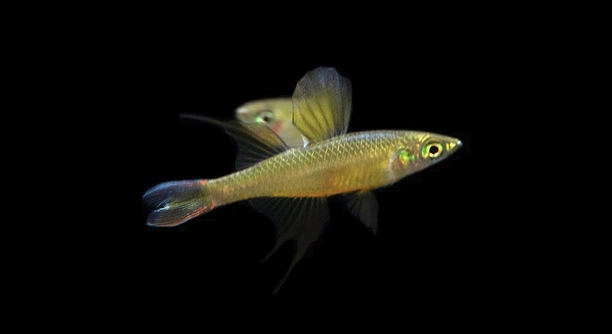
Are your threadfin tanks looking plain or uninviting, leaving the fish exposed in an empty environment? Many aquarists consider adding backgrounds to improve both the tank’s appearance and the comfort of their fish.
Using a background in a threadfin tank is primarily beneficial for visual appeal and fish well-being. Backgrounds can reduce stress by providing a sense of security, minimize reflections, and enhance the overall aesthetics of the aquarium environment.
Choosing the right background can transform your tank, creating a balanced and visually appealing space for your threadfins.
Choosing the Right Background for Threadfin Tanks
Selecting a suitable background for a threadfin tank is more than just picking a pretty picture. The color, texture, and material all impact how your fish interact with their environment. Darker backgrounds can help highlight the natural shine and patterns of threadfins, while lighter ones can make the tank appear more spacious. Plastic or vinyl backgrounds are easy to clean and install, making maintenance simpler. Realistic rock or plant designs offer a more natural look, which can reduce stress for the fish. Some aquarists prefer 3D backgrounds that give hiding spaces and visual depth, though these may require extra effort to clean. It’s important to measure your tank accurately to ensure the background fits perfectly without bubbles or gaps. Securing the background properly prevents it from floating or detaching over time, which could disturb your fish and affect the tank’s overall aesthetic.
Backgrounds also serve as visual anchors for the tank, improving the fish’s sense of territory.
Choosing the right design balances aesthetics with practical benefits. A good background enhances fish behavior and reduces stress, making the tank more comfortable. While plain walls are functional, adding depth and texture creates a more engaging habitat. Consider the tank size, lighting, and furniture placement when selecting a background. Some materials can fade under strong lights, so pick something durable and easy to maintain. Textured backgrounds provide hiding spots, which threadfins use for security. Additionally, a carefully chosen background can highlight colors in plants, rocks, and the fish themselves. It’s also possible to combine two styles, like a printed background with a 3D rock layer, to achieve a customized look. Always ensure the background doesn’t block filtration or water flow. Taking time to match aesthetics with fish needs results in a visually appealing, stress-reducing environment that supports your threadfins’ health.
Installation Tips and Maintenance
Installing a background should be simple and secure to avoid detachment.
Measure your tank carefully, clean the surface, and use appropriate adhesive. Ensure no air bubbles remain, and trim excess material. Regularly inspect for peeling, algae, or wear. Backgrounds that are easy to remove simplify deep cleaning without stressing the fish. Proper installation maintains the visual appeal while supporting a healthy habitat.
Maintenance involves gentle cleaning to prevent algae buildup and fading. Using soft brushes or sponges preserves textures and colors without damaging the material. Avoid harsh chemicals that could harm your fish. Some backgrounds can be rinsed outside the tank during water changes for thorough cleaning. Regularly monitoring for mold or detachment is essential. Backgrounds also reduce stress by giving fish a sense of shelter and security. Over time, replacing or updating backgrounds can refresh the tank’s look, keeping it engaging for both you and your fish. A well-maintained background integrates seamlessly with plants, rocks, and décor, creating a natural and inviting environment that encourages natural behaviors in threadfins.
Benefits of Using Backgrounds in Threadfin Tanks
Backgrounds can reduce reflections, making fish feel more secure. They also enhance the tank’s overall appearance, highlighting colors and textures of both fish and décor. Stress levels in threadfins tend to decrease when they have a sense of enclosure, improving overall health and activity.
Adding a background provides depth and visual structure to a tank. Threadfins respond positively to spaces that feel enclosed, which mimics natural habitats. Darker backgrounds can emphasize their silvery sheen, while lighter ones can brighten the tank. 3D or textured designs create hiding spots, encouraging natural behaviors like exploration and schooling. Backgrounds also help camouflage equipment like filters and heaters, keeping the tank tidy. Choosing a background that complements your tank’s décor balances aesthetics and functionality, making the environment visually appealing without compromising fish comfort.
Beyond aesthetics, backgrounds can help with behavioral observation. Fish often feel safer near covered areas, showing more natural swimming patterns and interactions. Regularly updating or adjusting the background can keep the tank engaging. Proper placement prevents obstruction of filtration or water flow. Additionally, backgrounds can reduce stress-induced aggression among fish, creating a more harmonious community. Selecting the right material ensures durability and ease of maintenance, so cleaning is simple and efficient. Overall, a well-chosen background supports the health, comfort, and natural behavior of threadfins.
Common Mistakes to Avoid When Installing Backgrounds
Installing a background without measuring the tank accurately can lead to poor fit and bubbles. Using harsh adhesives or chemicals may harm the fish and damage the background material.
Incorrect placement can block filters, disrupt water flow, or create tight spaces that trap debris. Bubbles behind vinyl or plastic backgrounds reduce visual appeal and can peel edges over time. Some aquarists choose backgrounds too small or too thin, which may curl or detach from tank walls. Not securing 3D or textured backgrounds properly can lead to movement, risking fish safety. Choosing a background that doesn’t account for lighting can cause fading or glare, reducing aesthetic and functional value. Regular inspection and proper installation prevent these issues.
Maintenance mistakes are also common. Skipping regular cleaning leads to algae buildup, while using harsh scrubbers can damage textures or colors. Ignoring peeling edges allows water to seep behind the background, fostering mold growth. Some materials degrade under strong light if not chosen correctly. Ensuring easy removal for tank cleaning preserves both fish safety and visual appeal. Balancing durability with aesthetic design prevents frequent replacements. Proper preparation, installation, and maintenance keep the background effective, safe, and visually appealing over time.
Types of Backgrounds for Threadfin Tanks
Vinyl and plastic backgrounds are lightweight, easy to clean, and simple to install. They come in various designs and colors, making them a popular choice for many aquarists seeking low-maintenance options.
3D backgrounds offer texture and depth, creating hiding spaces for threadfins. They mimic natural environments but require more care during installation and cleaning to prevent debris buildup.
How Backgrounds Affect Fish Behavior
Backgrounds provide a sense of security for threadfins, reducing stress and promoting natural swimming patterns. Fish tend to explore more confidently and interact calmly when visual barriers exist, which improves their overall well-being and reduces aggression.
Placement Considerations
Place the background where it won’t block filtration or water flow. Ensure it aligns with tank lighting and décor for optimal aesthetics and fish comfort.
FAQ
How often should I clean the background in my threadfin tank?
Cleaning frequency depends on the type of background and algae growth. Vinyl or plastic backgrounds can be wiped every few weeks during regular water changes. 3D or textured backgrounds may need more careful cleaning to prevent debris accumulation. Avoid harsh scrubbing to maintain textures and colors. Regular checks help prevent mold or buildup behind the background, keeping the tank safe and visually appealing.
Can I use any type of background for a threadfin tank?
Not all backgrounds are suitable. Materials must be aquarium-safe, non-toxic, and resistant to water damage. Thin paper or untreated fabrics can degrade or release harmful substances. Choose backgrounds designed for aquatic environments to ensure both durability and fish safety. Textured 3D backgrounds are ideal for natural hiding spaces but require careful installation.
Will a background reduce stress for my fish?
Yes, backgrounds provide visual barriers that make threadfins feel secure. Fish often exhibit calmer behavior and more natural swimming patterns when they have a sense of enclosure. Stress reduction can improve overall health, decrease aggressive behavior, and support natural schooling or territorial instincts. Backgrounds mimic aspects of their natural habitat, which can be particularly helpful for shy or easily startled species.
Should the background match the tank’s décor?
Matching is not mandatory, but a coordinated background enhances the tank’s visual appeal. Dark colors highlight silvery threadfins, while natural textures can blend with rocks, plants, and substrate. A well-chosen background balances aesthetics with fish comfort. Some aquarists combine printed backgrounds with 3D elements to create a layered, engaging environment that appears more natural and stimulating.
Can a background block tank equipment or water flow?
Improperly installed backgrounds can obstruct filters, heaters, or circulation. Ensure the background is measured precisely and positioned carefully to avoid interference. 3D backgrounds may require extra planning to maintain water flow while still providing hiding spaces. Proper placement ensures the tank functions efficiently without compromising fish comfort.
Do backgrounds fade over time?
Yes, some backgrounds, especially printed vinyl or plastic, can fade under strong lighting. UV-resistant or high-quality materials last longer and maintain color vibrancy. 3D backgrounds generally retain color but may accumulate algae or discolor if not cleaned regularly. Choosing durable materials ensures the background remains visually appealing for years.
Is it safe to change the background frequently?
Changing backgrounds occasionally is safe if done carefully. Remove the background gently to avoid stressing fish or damaging décor. Frequent changes can refresh the tank’s appearance and provide new visual stimulation for fish, but sudden changes may temporarily unsettle shy species. Gradual updates are best.
Are there benefits to layering backgrounds?
Yes, layering can create depth and variety. A printed background behind a 3D rock or plant layer adds visual interest while providing hiding spaces. It can enhance colors and create a more naturalistic environment. Layering must be done without blocking water flow or filtration to maintain a healthy tank.
Can backgrounds affect tank lighting?
Backgrounds influence light reflection and absorption. Dark backgrounds reduce glare and reflections, making fish colors stand out. Lighter backgrounds increase brightness and create a more open appearance. Consider how the background interacts with lighting to highlight fish while maintaining a comfortable environment.
How do I ensure the background stays in place?
Use aquarium-safe adhesives or suction methods. Vinyl and plastic backgrounds often adhere to tank walls with water or suction cups. 3D backgrounds may need brackets or secure attachment to prevent movement. Regular checks prevent peeling or detachment, which could stress the fish or damage the tank’s look.
Can backgrounds help with breeding or territorial behavior?
Yes, backgrounds provide visual boundaries that help define territories. Fish feel safer and are more likely to engage in natural breeding behavior. Hiding spaces created by 3D backgrounds or layered designs reduce conflicts and support healthier social interactions. Properly chosen backgrounds can make breeding environments more successful.
Are all backgrounds equally easy to maintain?
No, maintenance varies by material. Vinyl and plastic are easiest to wipe and clean. 3D or textured backgrounds require careful cleaning to prevent trapped debris. Some materials can be rinsed outside the tank for deeper cleaning. Regular maintenance ensures the background stays visually appealing and supports fish health.
Do backgrounds make a noticeable difference in small tanks?
Yes, even small tanks benefit from backgrounds. They provide depth, reduce reflections, and create visual boundaries, making the space feel more natural and secure. Carefully chosen backgrounds enhance the appearance without overwhelming the tank. Small tanks may benefit from lighter or simpler designs to avoid clutter.
How do I choose between a printed and 3D background?
Printed backgrounds are easy to install, low-maintenance, and visually appealing. 3D backgrounds provide texture, depth, and hiding spots but require more effort to clean and secure. Consider fish behavior, tank size, and maintenance preferences when deciding. Some aquarists combine both for a customized, naturalistic look.
Can a background help hide unsightly tank equipment?
Yes, backgrounds can camouflage filters, heaters, and cords. Dark or textured designs make equipment less visible, creating a cleaner, more natural appearance. Proper placement ensures equipment remains accessible for maintenance while maintaining the tank’s aesthetics.
Final Thoughts
Adding a background to a threadfin tank can make a noticeable difference in both appearance and fish comfort. A carefully chosen background not only enhances the visual appeal but also provides a sense of security for your fish. Threadfins are active and delicate, and having a visual boundary can reduce stress, helping them swim naturally and feel more at ease. Dark backgrounds tend to make their silvery colors stand out, while lighter or textured backgrounds can make the tank appear more spacious and lively. Whether you choose a simple vinyl print, a realistic plant or rock design, or a 3D textured background, it is important to select materials that are safe, durable, and easy to maintain. The right background balances aesthetics with practical benefits, giving your threadfins a comfortable and stimulating environment without compromising the functionality of your tank.
Proper installation and placement are just as important as the type of background. Measuring your tank accurately ensures a perfect fit and prevents air bubbles or gaps that can reduce visual appeal or create cleaning challenges. Vinyl and plastic backgrounds are simple to attach and clean, while 3D backgrounds require careful positioning to avoid interfering with water flow or equipment. Securing the background properly prevents it from detaching, which could stress the fish or damage the tank’s look. Regular inspections and gentle maintenance keep the background in good condition over time. Cleaning routines should avoid harsh chemicals or abrasive scrubbing, especially on textured or 3D designs, to maintain colors and textures. A background that is easy to clean yet durable ensures the tank stays visually appealing and the fish remain safe and comfortable.
Ultimately, a well-chosen background enhances both the tank’s visual design and the well-being of your threadfins. It provides a sense of enclosure that reduces stress, encourages natural behavior, and creates hiding spaces, which can be particularly useful for shy or easily startled fish. At the same time, it helps conceal equipment, making the tank look more organized and natural. Even small adjustments in background style, color, or texture can have a significant effect on the overall tank environment. By considering fish behavior, tank size, lighting, and décor, you can select a background that complements your aquarium while promoting the health and comfort of your threadfins. With careful choice, proper installation, and regular maintenance, a background can transform a simple tank into a more engaging, secure, and visually pleasing habitat for your fish, creating a space that is both functional and enjoyable to observe.

Hello,
If you enjoy the content that we create, please consider saying a "Thank You!" by leaving a tip.
Every little bit helps us continue crafting quality advice that supports the health, happiness, and well-being of pets around the world, for pets of all shapes, sizes, and species.
We really appreciate the kindness and support that you show us!