
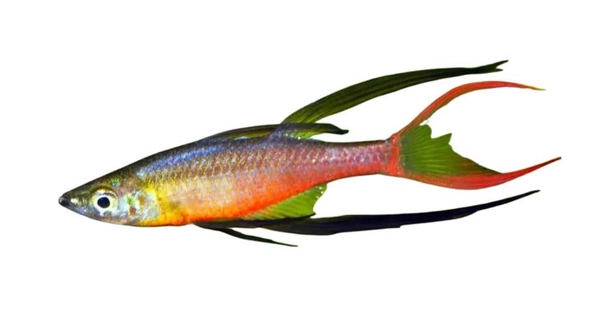
Have you ever noticed your threadfin looking restless, hiding often, or swimming without much direction, leaving you unsure about their environment’s balance? Proper lighting plays a stronger role in their daily activity than many aquarists initially realize.
Lighting influences threadfin behavior by regulating activity patterns, feeding responses, and stress levels. Correct adjustments in brightness, duration, and placement encourage natural movement, vibrant coloration, and overall healthier interactions within their aquatic setting, creating conditions that closely mimic their native environment.
From subtle shifts in intensity to thoughtful timing strategies, each lighting choice can shape how your threadfin responds, interacts, and thrives inside the aquarium you maintain.
Adjusting Brightness for Natural Flow
Threadfin fish respond strongly to shifts in brightness, as it mirrors the light changes they would experience in natural waters. Keeping your aquarium light at a moderate level allows them to stay active without becoming overstimulated. Excessively bright conditions often cause stress, while overly dim lighting can reduce their activity and feeding response. To maintain a balanced environment, many aquarists use adjustable LED systems that can be fine-tuned throughout the day. Creating a slow fade-in and fade-out simulates sunrise and sunset, helping threadfin develop a predictable rhythm. By doing this, you encourage consistent swimming patterns, improved feeding habits, and reduced hiding behavior. Adjusting brightness in thoughtful increments prevents sudden shifts that may startle your fish. Overall, balance is key—too much light or too little can quickly disrupt their comfort, but gradual, controlled changes ensure a steady and natural flow that supports both health and vitality.
Bright but balanced lighting promotes natural activity while reducing unnecessary stress, giving threadfin a stable base to thrive in their aquatic home.
Maintaining proper brightness goes beyond simply turning lights on and off. Observing how your threadfin respond daily is the best guide. If they scatter or hide frequently, your lighting may be too harsh. If they seem sluggish, more brightness might help.
Timing and Duration Control
Threadfin behavior improves when lighting follows consistent patterns, as regular timing supports their internal rhythm. Inconsistent schedules disrupt feeding and resting cycles, leading to unnecessary stress inside the tank environment.
Setting clear light durations provides threadfin with the stability they need to flourish. Many aquarists find that around 10 to 12 hours of controlled light exposure works best, with the remaining time left in darkness to encourage proper rest. Using a programmable timer is the easiest way to achieve this consistency, as it eliminates the chance of forgetting or changing the routine unexpectedly. Gradual shifts at the start and end of the cycle prevent sudden bursts of brightness that can startle your fish. This balance helps threadfin display more confident swimming, natural group interaction, and reliable feeding habits. By respecting their internal rhythm, you not only enhance their behavior but also strengthen their overall resilience, ensuring that lighting supports their long-term health.
Light Positioning Matters
Positioning lights directly overhead creates natural movement patterns, while angled lights can confuse threadfin and make them uneasy. Balanced placement distributes brightness evenly across the tank, preventing shadows that may cause hiding and reducing unnecessary stress responses in their behavior.
Correct placement also highlights natural colors, allowing threadfin to appear more vibrant and active. Placing the light too close to one side often creates stark contrasts that limit free swimming, as they may avoid shaded areas. By keeping lighting centered and balanced, threadfin can use the full tank space without hesitation. Their activity becomes more fluid, and feeding behavior remains steady, showing the benefits of thoughtful positioning.
Another important factor is the distance between the light and the water surface. Too close, and threadfin may react nervously; too far, and brightness weakens. Finding the middle range encourages steady swimming, confident group behavior, and healthier feeding responses every day.
Using Colored Lighting Wisely
Subtle color tones can influence threadfin behavior, as softer hues encourage calm swimming while harsh shades may increase stress. Blue or white light often works best, reflecting natural aquatic environments and promoting balanced activity without overwhelming their senses.
Using colored lighting should always be approached carefully. While certain hues may enhance tank appearance, threadfin rely on stability to feel secure. Sudden shifts between bold colors can disrupt their comfort, making them retreat or avoid areas altogether. By keeping to gentle tones, you can maintain a soothing backdrop that highlights natural colors without overpowering the fish. A consistent color palette promotes smooth group interaction, steady movement, and healthier feeding habits. When used thoughtfully, color lighting not only improves tank visuals but also supports a stable environment where threadfin display their best behavior.
Seasonal Light Adjustments
Threadfin benefit from gradual seasonal light shifts that mimic natural conditions. Extending daylight during warmer months encourages activity, while shorter cycles in cooler months promote rest, supporting balanced health and predictable behavior across different environmental stages.
Sudden seasonal changes should always be avoided, as they cause stress and confusion. Introducing adjustments slowly over several days helps threadfin adapt smoothly, allowing them to continue feeding, swimming, and interacting without interruption to their established routine.
Night Lighting Balance
Threadfin need darkness to rest, but gentle moonlight-style lighting can reduce stress and prevent nighttime panic. Subtle, low-intensity light allows them to remain calm without disrupting their natural resting cycles, helping them feel secure in their environment.
Preventing Overexposure
Excessive lighting disrupts threadfin patterns and increases stress. Limiting exposure while monitoring activity ensures balance, keeping their swimming and feeding behaviors consistent without overwhelming their natural rhythms or straining their overall health.
FAQ
How many hours of light do threadfin need each day?
Threadfin do best with 10 to 12 hours of light daily. This timeframe gives them enough brightness for activity while allowing proper darkness for rest. Maintaining this balance prevents stress and supports consistent feeding and swimming patterns in the aquarium.
Can too much light harm threadfin?
Yes, overexposure to light can negatively impact threadfin. Prolonged brightness often leads to stress, reduced activity, and even changes in coloration. Limiting light exposure to safe durations ensures they remain comfortable, active, and responsive without experiencing unnecessary strain or confusion.
What type of light is best for threadfin?
LED lighting is often the best choice because it offers control over brightness, color, and timing. It also stays energy-efficient and safe for the tank environment. Properly adjusted LED systems provide threadfin with a stable light source that mimics natural conditions effectively.
Should I leave aquarium lights on at night?
No, complete darkness is necessary for rest. However, using a soft moonlight effect at very low intensity can reduce panic behaviors. This subtle light ensures threadfin feel secure without disturbing their natural rhythm, helping them transition calmly through night cycles.
Why does my threadfin hide when the lights turn on?
Sudden brightness can startle threadfin and cause them to hide. To prevent this, use gradual light changes such as fade-in settings. This smooth transition helps them adapt comfortably and reduces the risk of startled or withdrawn behavior when lights activate.
Do colored lights affect threadfin behavior?
Yes, color influences behavior. Blue and white tones encourage calm and steady activity, while bright or harsh colors may increase stress. Choosing gentle, stable hues creates a soothing environment, allowing threadfin to swim confidently and interact without signs of discomfort.
How can I tell if my threadfin are stressed by lighting?
Signs of stress include hiding, frantic swimming, reduced feeding, or loss of vibrancy in their scales. Observing these behaviors can reveal lighting issues. Making gradual adjustments in brightness, duration, or color usually helps restore their comfort and stability in the tank.
Is it safe to change lighting settings often?
Frequent or abrupt changes are not safe. Threadfin thrive on consistency, and irregular lighting patterns disrupt their natural rhythm. When adjustments are necessary, introduce them gradually over several days to allow your fish to adapt smoothly without sudden behavioral shifts.
Can threadfin adapt to different seasonal light schedules?
Yes, they can adjust well to seasonal shifts if changes are introduced gradually. Longer daylight hours in warmer months encourage activity, while shorter periods support rest during cooler months. Controlled seasonal adjustments strengthen their natural rhythm and promote healthy long-term behavior.
Do threadfin need complete darkness for rest?
Yes, complete darkness is important for proper rest. Without it, their rhythm may become disrupted, leading to sluggishness or stress. Providing uninterrupted dark periods ensures they recover fully, supporting steady health, consistent feeding habits, and natural swimming throughout each day.
How do I prevent overexposure to light in my aquarium?
The best way is to use a timer that controls both the duration and intensity of lighting. Keeping within a daily schedule prevents excessive exposure. Observing threadfin responses also helps you fine-tune settings to meet their comfort and health needs effectively.
Why is gradual lighting adjustment important for threadfin?
Gradual shifts prevent startling reactions. Threadfin feel more secure when lights mimic sunrise and sunset, rather than snapping on or off. This creates a stable routine, improves group interaction, and ensures their swimming and feeding behaviors remain steady every day.
Can natural sunlight be used instead of aquarium lights?
Direct sunlight is not recommended, as it often causes overheating and algae growth. Aquarium-specific lighting is safer and more controlled. With proper settings, it provides the brightness and rhythm threadfin need, without the risks that uncontrolled natural light introduces.
Why does light positioning matter for threadfin?
Light placement determines how evenly brightness spreads across the tank. Poor positioning can create shadows or harsh spots that cause avoidance behavior. Properly balanced placement encourages free swimming, steady feeding, and confidence, giving threadfin full use of their environment.
Are threadfin sensitive to sudden power outages?
Yes, sudden loss of light can confuse them, leading to nervous swimming or hiding. Restoring light gradually afterward helps reduce stress. Backup battery-powered systems or dim moonlight features can soften these disruptions and keep threadfin calm during unexpected outages.
Final Thoughts
Lighting plays a central role in the health and behavior of threadfin fish. It is not just about keeping the aquarium bright enough to see your fish; it directly affects their daily routines, feeding patterns, and overall stress levels. Threadfin are naturally sensitive to changes in their environment, and the way light enters their tank can either encourage activity or cause them to hide and become withdrawn. Maintaining a consistent light schedule, adjusting brightness gradually, and carefully selecting color tones all contribute to creating an environment where threadfin feel secure and comfortable. When their lighting is managed properly, they are more likely to swim actively, interact with other fish, and display their natural behaviors without showing signs of stress or fatigue. Small adjustments, such as positioning lights evenly or using timers to maintain consistent on and off cycles, can make a significant difference in their daily life. Even subtle lighting decisions, like mimicking the soft shift of sunrise and sunset, can create a more natural rhythm that threadfin respond to positively.
Overexposure to light, abrupt changes, or poor positioning can disrupt threadfin behavior quickly. They may hide for extended periods, avoid feeding, or show reduced color vibrancy, which can indicate that the environment is no longer optimal for them. On the other hand, balanced lighting encourages natural movement and steady feeding, which are key indicators of a healthy fish population. Using LED lighting allows precise control over brightness and color, making it easier to replicate natural water conditions. Consistency is crucial; threadfin rely on predictability to feel safe. Gradual adjustments over time, rather than sudden changes, help them adapt without stress. Incorporating subtle colored lighting, such as soft blue or white, can enhance the tank environment while keeping them calm. Paying attention to how they respond to different lighting setups allows for fine-tuning and ensures that each fish has the best possible conditions for thriving. Thoughtful lighting creates an environment where threadfin behavior can remain natural, active, and healthy, benefiting both the fish and the overall appearance of the aquarium.
Finally, monitoring and observing your threadfin daily is essential to maintaining the right lighting environment. Changes in behavior, swimming patterns, or feeding can indicate whether adjustments are needed. Even if the light settings appear correct on paper, the way the fish respond will give the clearest insight. Regularly evaluating their reactions, making small, careful changes, and maintaining predictable schedules can help threadfin feel secure and behave naturally. Balanced lighting, properly timed cycles, and consistent placement all work together to create an aquarium that meets their physiological and behavioral needs. Over time, these strategies reduce stress, improve activity levels, and allow threadfin to display vibrant coloration, steady feeding habits, and confident movement. By paying attention to the details of lighting and adapting based on observation, the overall health and well-being of threadfin can be supported in a simple and effective way, ensuring that your aquarium remains a stable, thriving environment for every fish.
Word count: 414

Hello,
If you enjoy the content that we create, please consider saying a "Thank You!" by leaving a tip.
Every little bit helps us continue crafting quality advice that supports the health, happiness, and well-being of pets around the world, for pets of all shapes, sizes, and species.
We really appreciate the kindness and support that you show us!