
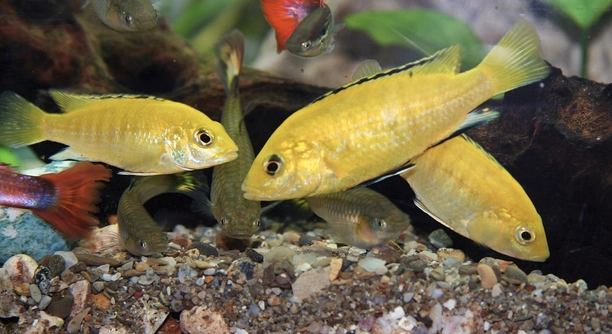
Do you ever notice your electric yellow cichlids swimming calmly while keeping a careful watch over their tank? Their behavior may seem subtle, yet they constantly monitor their surroundings, reacting to small changes in their environment.
Electric yellow cichlids monitor several factors in the background, including water temperature, pH levels, oxygen content, tank mates’ movements, food availability, territory boundaries, and potential threats. These behaviors help maintain their health, social structure, and overall well-being.
Understanding these background monitoring behaviors can improve your care routine and ensure a healthier, more balanced environment for your cichlids to thrive.
Water Temperature Awareness
Electric yellow cichlids are highly sensitive to changes in water temperature. Even minor fluctuations can stress them, affecting appetite, coloration, and activity levels. These fish instinctively monitor the temperature, swimming toward warmer or cooler areas to regulate their comfort. Maintaining a stable temperature between 75 and 82°F ensures proper metabolism, digestion, and immune function. Sudden shifts can trigger aggressive behavior or lethargy. Using a reliable heater and thermometer helps keep the water consistent, reducing stress and promoting overall health. Observing their movement patterns can indicate whether the water is too cold or too warm. These subtle adjustments in positioning are part of their natural behavior to stay within optimal conditions. A stable environment not only supports their physical well-being but also encourages normal social interactions. Watching these responses can give you early warnings of environmental issues, allowing for timely intervention. Regular checks are crucial to prevent illness caused by temperature stress.
Consistently monitoring water temperature keeps your cichlids healthy, active, and vibrant. It prevents unnecessary stress that can lead to long-term health problems.
Keeping the water stable requires attention to both the heater and the ambient room temperature. Small fluctuations may go unnoticed but can significantly impact fish behavior and physiology. Adjusting equipment and observing cichlids’ reactions ensures a calm and thriving tank environment. By noting how they position themselves, you gain insight into their comfort level and can act before problems arise.
pH Level Monitoring
Cichlids actively respond to changes in pH, as it directly affects their biological processes.
Electric yellow cichlids thrive in slightly alkaline water, typically between 7.5 and 8.5 pH. Deviations can influence their skin coloration, immune response, and digestion. They naturally monitor water chemistry, often exploring areas where conditions feel more suitable. Testing the pH regularly helps maintain stability. Buffering agents can correct fluctuations, but changes should be gradual to avoid shocking the fish. Observing behavior, such as reduced activity or hiding, can signal pH issues. Tank decorations, substrate, and water source all contribute to pH levels, and even small alterations can have noticeable effects. Consistent water changes and proper filtration support a balanced environment. By understanding how cichlids interact with pH changes, you can provide a setting that encourages natural behavior, feeding, and social interactions. Proper management ensures both their physical and mental well-being, helping them thrive. Maintaining optimal pH fosters a peaceful and vibrant tank, reflecting the cichlids’ health.
Oxygen Levels
Electric yellow cichlids respond quickly to changes in oxygen levels. They may swim near the surface or areas with better water flow when oxygen is low, ensuring they can breathe properly and stay active in the tank.
Low oxygen can cause stress, reduced feeding, and lethargy. Cichlids instinctively monitor oxygen by adjusting their position in the water column. Proper aeration, consistent water movement, and avoiding overcrowding help maintain sufficient oxygen levels. Observing how often they come to the surface or hover near filters can indicate whether the tank is adequately oxygenated. Ensuring oxygen stability supports metabolism, growth, and normal social behaviors. In some cases, using air stones or additional circulation pumps can prevent subtle oxygen drops, which might otherwise go unnoticed until health issues appear. Keeping a balance between oxygen supply and tank population is essential for thriving cichlids.
Watching their responses to oxygen changes provides insight into their comfort. These behaviors are a clear signal for when adjustments are needed to prevent health problems.
Tank Mate Interactions
Cichlids observe other fish constantly to maintain their social hierarchy and territory. They respond to movements, aggression, or submission to avoid conflict and establish order.
Interactions with tank mates are critical for behavior and well-being. Electric yellow cichlids carefully monitor the presence and actions of other fish, adjusting swimming patterns, aggression levels, and feeding behavior accordingly. Sudden changes in group dynamics can cause stress or fights. Proper stocking, observing compatibility, and providing hiding spots reduce conflicts. They may chase newcomers or retreat depending on their confidence and past experiences. Consistent monitoring ensures dominance is balanced and aggression does not harm weaker fish. Understanding these interactions allows you to manage the tank effectively and maintain a calm environment for all inhabitants. Social monitoring also impacts feeding schedules and territory establishment.
By observing how cichlids respond to tank mates, you can predict potential conflicts and create a balanced community. Maintaining peace requires attention to both space and behavior patterns, ensuring all fish remain healthy and stress-free.
Food Availability
Electric yellow cichlids constantly watch for feeding opportunities. They notice when food is introduced and assess whether it is safe and accessible before approaching.
They may wait for other fish to start eating first or hover near the surface anticipating flakes or pellets. This behavior ensures they get adequate nutrition while avoiding unnecessary competition or stress.
Territory Boundaries
Cichlids are territorial and monitor the edges of their space. They defend areas against intruders, marking clear boundaries with displays or brief chases. Proper tank layout with hiding spots and visual barriers reduces aggression. Observing their patrol patterns helps identify where they feel secure and when adjustments are needed.
Potential Threats
Electric yellow cichlids are alert to sudden movements, shadows, or unusual objects. These signals trigger defensive or evasive behavior to protect themselves and maintain safety within the tank.
FAQ
How do I know if my electric yellow cichlid is stressed?
Signs of stress include reduced activity, loss of color, hiding for long periods, and irregular feeding. Fish may also display aggressive behavior toward tank mates or swim erratically. Observing their usual patterns helps you identify early changes. Addressing water quality, temperature, and social interactions can reduce stress and restore balance.
What is the best diet for electric yellow cichlids?
A balanced diet includes high-quality cichlid flakes or pellets supplemented with occasional live or frozen foods like brine shrimp or bloodworms. Vegetables such as spinach or peas can be added to support digestion. Feeding small amounts two to three times daily prevents overfeeding and keeps water quality stable.
How often should I check water parameters?
Regular monitoring is essential. Check temperature daily, pH weekly, and ammonia, nitrite, and nitrate levels at least twice a week. Stable water conditions prevent health issues. Using a reliable test kit ensures accurate readings, while adjusting water changes and filtration helps maintain a safe environment.
Can electric yellow cichlids live with other fish?
They can, but careful selection of tank mates is important. Avoid smaller or overly passive fish, as cichlids may show aggression. Larger, robust species with similar water requirements are better. Providing adequate space, hiding spots, and visual barriers helps reduce conflicts and maintains a peaceful tank.
What size tank is suitable for electric yellow cichlids?
A minimum of 55 gallons is recommended for a small group. More space allows proper territory establishment and reduces aggression. Larger tanks provide stable water conditions and room for decorations, which support natural behaviors. Overcrowding increases stress and health risks, making tank size crucial for long-term well-being.
How do I prevent aggression among cichlids?
Provide enough space, hiding spots, and a well-planned layout to reduce territorial disputes. Introducing tank mates gradually and avoiding sudden changes helps. Observing interactions and separating overly aggressive individuals when necessary ensures a balanced environment and maintains social harmony among the fish.
Why does my cichlid constantly hover near the surface?
This behavior often indicates low oxygen levels or temperature discomfort. Check aeration, water movement, and heater function. Proper circulation and consistent conditions help them settle into normal swimming patterns. Observing these habits provides insight into tank health and allows timely adjustments to avoid stress.
How can I maintain consistent water quality?
Regular water changes, proper filtration, and monitoring of pH, ammonia, nitrite, and nitrate levels are key. Avoid overfeeding and overcrowding, as these factors affect chemical balance. Consistent care and observation ensure the tank remains a safe, healthy environment for electric yellow cichlids to thrive.
What should I do if a cichlid becomes sick?
Isolate the affected fish in a quarantine tank and observe symptoms closely. Test water quality and adjust if necessary. Treatment depends on the illness, including medicated foods, water treatments, or antibiotics for bacterial infections. Prompt action prevents spread and supports recovery.
How do I encourage natural behaviors in my cichlid?
Providing a varied environment with rocks, plants, and hiding spots encourages exploration and territorial displays. Feeding in different areas stimulates foraging. Observing and responding to their habits supports physical and mental well-being, helping them remain active and engaged in their tank.
Electric yellow cichlids are fascinating fish that require careful observation to ensure they thrive. These fish constantly monitor their environment, from water temperature and oxygen levels to the behavior of tank mates. Their subtle movements and responses provide insight into their health and comfort. Paying attention to these behaviors helps maintain a balanced and stress-free tank. Proper care involves not only providing high-quality food but also ensuring stable water parameters and adequate space. Over time, observing how your cichlids interact with their surroundings will allow you to detect potential problems early, whether related to water conditions, aggression, or illness.
Maintaining a healthy tank for electric yellow cichlids requires consistency and attention to detail. Regular water testing, temperature checks, and oxygen monitoring are essential to prevent stress and promote well-being. They rely on a stable environment to feel secure, which also supports natural behaviors such as territory patrol, social interactions, and foraging. Providing hiding spots and a well-planned tank layout reduces conflicts and allows each fish to establish its own space. Feeding routines, including a mix of high-quality pellets and occasional live or frozen foods, keep them healthy and active. By observing their patterns, you can create an environment that supports both physical health and mental stimulation.
Understanding these cichlids’ background monitoring behaviors emphasizes the importance of thoughtful tank management. They are more than colorful aquarium inhabitants; they are responsive creatures that adjust to subtle changes around them. Ensuring proper water quality, compatible tank mates, and sufficient space allows them to flourish. Their behaviors, such as hovering near the surface, patrolling territories, or reacting to changes in pH and oxygen, are signals that help guide caretakers in providing optimal conditions. Paying close attention to these signals helps prevent health issues and supports long-term well-being. By combining careful observation with consistent care, electric yellow cichlids can thrive in a safe and stimulating environment, providing both beauty and fascinating behaviors for any aquarium owner.

Hello,
If you enjoy the content that we create, please consider saying a "Thank You!" by leaving a tip.
Every little bit helps us continue crafting quality advice that supports the health, happiness, and well-being of pets around the world, for pets of all shapes, sizes, and species.
We really appreciate the kindness and support that you show us!