
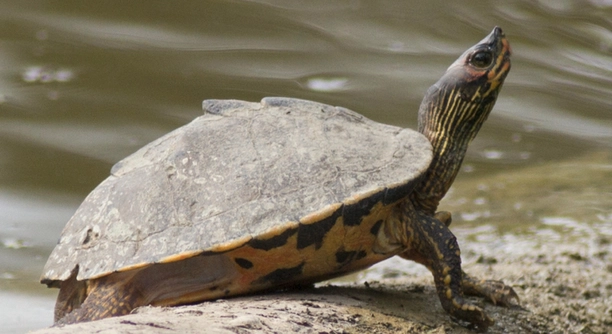
Do you ever find yourself watching your Indian roofed tortoise and wondering why it keeps trying to flip itself over?
The primary reason your Indian roofed tortoise tries to flip itself over is due to natural instincts and environmental factors. Stress, enclosure setup, and health conditions may also contribute to this behavior, requiring closer observation and proper care.
Understanding what drives this behavior can help you create a safer, more comfortable environment for your tortoise. Let’s take a closer look at what might be going on.
Common Reasons Your Indian Roofed Tortoise Flips Itself Over
One of the most common reasons your Indian roofed tortoise flips itself over is because of its natural instincts. In the wild, tortoises often climb over rocks, branches, and uneven terrain. Sometimes, these movements cause accidental flipping. In captivity, if the enclosure setup includes steep objects, loose substrate, or tight spaces, the tortoise may try to climb and unintentionally tip over. Another factor could be stress or agitation, often triggered by sudden changes in their environment. Additionally, health issues like shell deformities, weakness, or improper diet may lead to unstable movement. Each of these factors can affect balance and behavior.
If your tortoise flips over repeatedly, it may be struggling with something in its enclosure or daily care routine.
Observing its habitat and daily habits closely will help you figure out whether the issue is environmental, instinctual, or health-related. Small adjustments can make a big difference in preventing this behavior.
How to Prevent Flipping Behavior
Start by checking if the enclosure is too cluttered or contains objects that encourage climbing.
Remove sharp or steep decorations, keep the surface level, and provide enough space for easy movement. Make sure the substrate is firm and not too loose, as this can cause instability. Keep the enclosure clean and stress-free, avoiding sudden changes in lighting, temperature, or noise levels. Providing a balanced diet rich in calcium and essential nutrients helps maintain shell strength and muscle health. Regular check-ups with a reptile vet can rule out underlying health concerns. Observing your tortoise daily ensures you catch any signs of discomfort early. By keeping the environment simple, stable, and tailored to the tortoise’s needs, you’ll reduce the risk of it flipping over unnecessarily. Consistency is key to keeping your tortoise happy and healthy.
Possible Health Concerns to Watch For
Repeated flipping may be linked to underlying health issues. Weak muscles, shell deformities, or respiratory infections can all affect your tortoise’s stability and coordination. Ignoring these signs might lead to serious problems over time.
Muscle weakness is often caused by a lack of proper nutrition, especially calcium and vitamin D3 deficiencies. Without enough of these nutrients, your tortoise’s bones and shell can become soft or malformed, making it harder to stay balanced. Respiratory infections may also contribute, as they cause lethargy and weakness. Watch for wheezing, bubbles around the nose, or a lack of appetite, as these could signal an infection. Early intervention, including vet care and dietary adjustments, is essential to prevent long-term damage.
Another health concern to consider is metabolic bone disease (MBD), which is common in captive tortoises. MBD occurs when there’s an imbalance of calcium, phosphorus, and vitamin D3. It weakens bones and leads to coordination problems. A tortoise suffering from MBD may appear shaky, flip over more frequently, and struggle to right itself. To prevent this, make sure your tortoise has access to proper UVB lighting and a well-balanced diet. Regular vet visits and blood tests can also help catch deficiencies before they escalate. Paying close attention to these signs will help keep your tortoise healthy.
When to Seek Professional Help
If your tortoise flips over regularly despite habitat adjustments, it’s time to consult a reptile veterinarian. Frequent flipping paired with appetite loss or sluggishness is often a sign of deeper health concerns.
A vet will perform a physical examination and may suggest blood tests or X-rays to check for nutritional deficiencies, shell deformities, or infections. Sometimes, an imbalance in calcium and phosphorus levels can be corrected with supplements. Infections might require antibiotics. The vet can also offer advice on adjusting the tortoise’s enclosure and diet to better meet its needs. Professional guidance ensures you’re addressing not just the behavior, but any underlying health problems. Early diagnosis improves your tortoise’s chances of staying active, stable, and healthy over the long term. It’s always better to catch potential problems early before they worsen.
The Role of Stress in Flipping Behavior
Stress can make your tortoise act unpredictably, including attempting to flip over. Changes in lighting, temperature, or enclosure layout may trigger anxiety. A stressed tortoise may pace, hide excessively, or behave unusually.
Limiting sudden changes and providing a calm, steady environment helps reduce stress. Routine matters a lot.
Ideal Habitat Setup Tips
Creating a stable habitat starts with a flat, firm surface. Avoid loose substrates like sand, as they can cause instability. Stick to soil, coconut fiber, or grass mats. Keep decorations low and wide, avoiding steep rocks or narrow hides that encourage climbing. Provide enough space for easy movement and turning without obstacles. Make sure the temperature stays consistent and appropriate for Indian roofed tortoises, around 75-85°F. Good UVB lighting supports overall health and strengthens bones. Adding a shallow water dish and hiding spots creates a safe, comfortable environment. Small adjustments make a big difference in preventing flipping behavior.
Importance of Regular Observation
Observing your tortoise daily helps you catch small changes before they become bigger problems. Watch for shifts in behavior, movement, and appetite.
FAQ
Why does my Indian roofed tortoise flip over even when the enclosure looks safe?
Even in a well-prepared enclosure, your tortoise might flip over because of instinctual behavior. Tortoises naturally attempt to climb objects, and sometimes, they misjudge their balance. If their shell is slightly uneven or they feel stressed, they may attempt risky movements. Keep an eye on how they interact with their space. Small objects, tight corners, or slippery surfaces can all play a role. Even simple things like uneven substrate or slightly raised areas can cause tipping. Making sure the space is flat and open reduces this risk, but natural instincts can still cause occasional flipping.
Is flipping over dangerous for my tortoise?
Yes, flipping over can be dangerous, especially if they struggle to right themselves. Staying upside down for too long may cause breathing problems, dehydration, or stress. In severe cases, it might even affect their internal organs. Their lungs are located near the top of their shell, so being flipped puts extra pressure on them. If you notice your tortoise flipped over, help them immediately and check for any signs of injury or distress. Frequent flipping could mean something needs adjusting in their care routine or habitat.
How long can a tortoise stay flipped over safely?
There is no fixed time, but it’s best not to leave a tortoise upside down for more than a few minutes. The longer they stay like that, the greater the risk of breathing difficulties and internal pressure. Warm temperatures inside the enclosure may also lead to dehydration faster when they’re upside down. Always check their enclosure daily and make sure they can easily be seen. If you’re away for longer periods, simplify their habitat to reduce the chances of flipping while unsupervised.
Can poor diet cause flipping behavior?
Yes, an unbalanced diet lacking in calcium and vitamin D3 weakens their bones and muscles. This makes them less stable when moving around, increasing the chance of flipping. If your tortoise shows signs of muscle weakness, soft shell, or shaky movements, it may be linked to poor nutrition. Include calcium-rich foods like leafy greens and provide proper UVB lighting to aid in calcium absorption. Supplements might also be necessary if advised by a vet.
What should I do if my tortoise keeps flipping over repeatedly?
Start by observing their behavior and checking the enclosure setup. Remove any objects that encourage climbing, make sure the substrate is firm, and ensure the space is spacious enough. Watch their movements, eating habits, and posture daily. If flipping continues despite environmental changes, consult a reptile veterinarian. There may be an underlying health issue like muscle weakness, respiratory infection, or metabolic bone disease that requires professional care. A vet can perform tests to confirm if something internal is affecting their balance.
How can I help my tortoise right itself if it flips over?
Gently and carefully turn your tortoise back over by supporting both the shell and legs. Avoid flipping them quickly, as this might cause stress or injury. If your tortoise struggles frequently, consider adjusting the enclosure to include more open space so they have enough room to maneuver themselves upright. Sometimes, providing stable, low platforms can help them push against something to right themselves. Regular observation will help you act fast when needed.
Does age affect flipping behavior?
Younger tortoises are often more active and curious, which may lead to more frequent flipping attempts. Their shells and muscles are still developing, so balance may not be as strong compared to older tortoises. Older tortoises may flip less, but if they do, it’s more concerning because their ability to recover could be slower. No matter the age, making sure they have a safe habitat and proper nutrition is key to preventing this behavior.
Final Thoughts
Keeping an Indian roofed tortoise happy and healthy takes careful attention to their environment, diet, and daily behavior. Flipping over might seem like harmless behavior at first, but it can often signal something deeper. Whether it’s caused by instinct, an unsafe enclosure, or a health problem, it’s important to address the cause early. Watching your tortoise closely and making sure their habitat is simple, stable, and free of climbing hazards can help reduce the chances of them flipping. It’s also important to remember that every tortoise is unique, and what works for one may need to be adjusted for another.
Paying attention to their diet plays a big role in keeping them strong and balanced. Providing calcium-rich foods, fresh greens, and ensuring proper UVB lighting helps keep their muscles and shell in good condition. Regular check-ups with a reptile vet give extra peace of mind and help catch any health concerns early. If your tortoise does flip over, acting quickly to help them back up and checking for any signs of stress or injury can make all the difference. It’s also helpful to keep their enclosure clean, quiet, and consistent to avoid unnecessary stress, which can lead to unusual behavior like flipping.
In the end, understanding your tortoise’s behavior and needs helps create a safer and healthier space for them. Flipping over can be a warning sign that something needs to change, whether it’s the setup of their habitat, their diet, or their overall care routine. Making small adjustments and observing them daily builds a strong routine that supports their well-being. By staying consistent and attentive, you’ll help your Indian roofed tortoise feel more secure, comfortable, and balanced every day. A bit of daily care goes a long way in preventing problems and keeping your tortoise thriving.

Hello,
If you enjoy the content that we create, please consider saying a "Thank You!" by leaving a tip.
Every little bit helps us continue crafting quality advice that supports the health, happiness, and well-being of pets around the world, for pets of all shapes, sizes, and species.
We really appreciate the kindness and support that you show us!